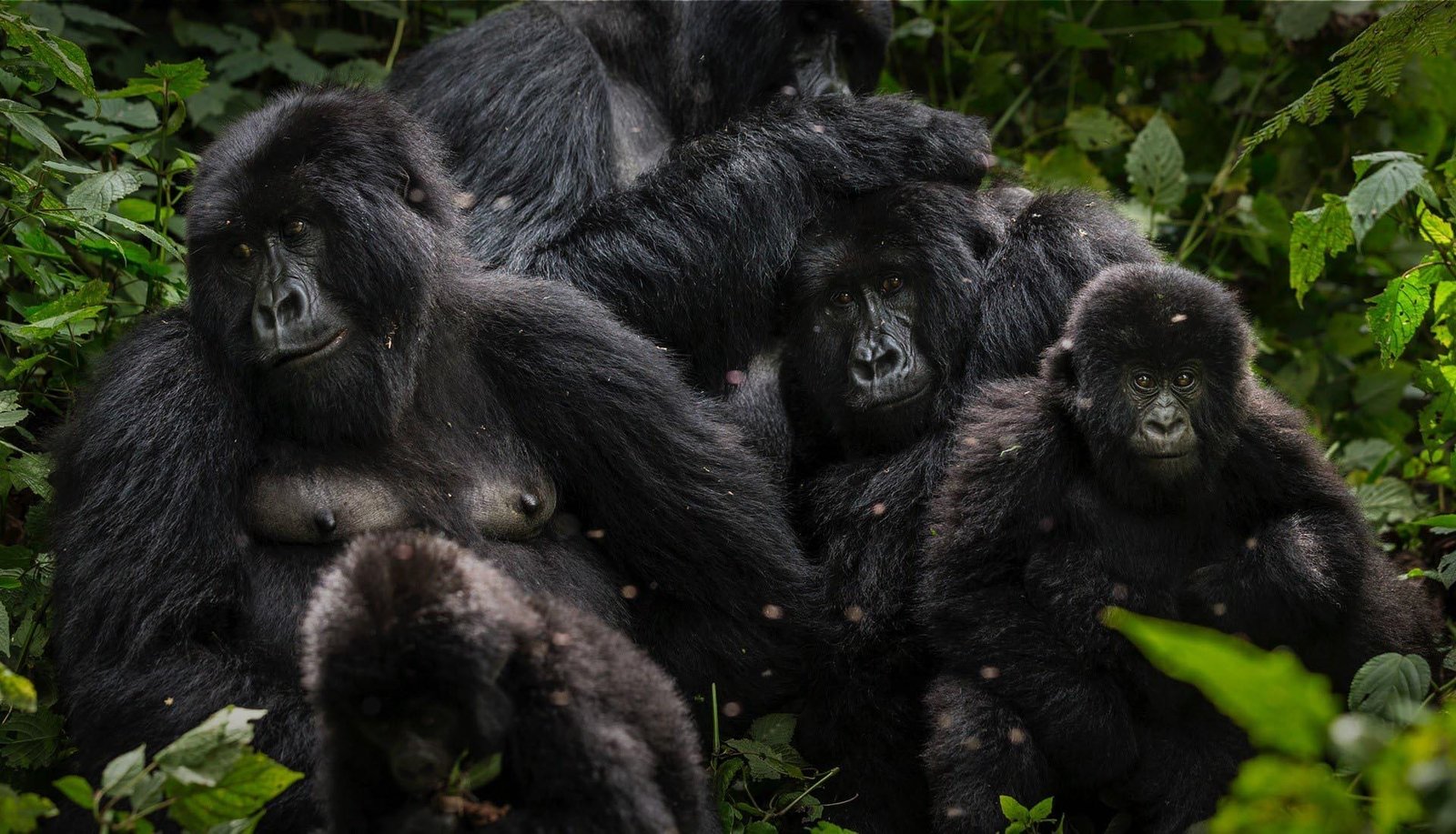
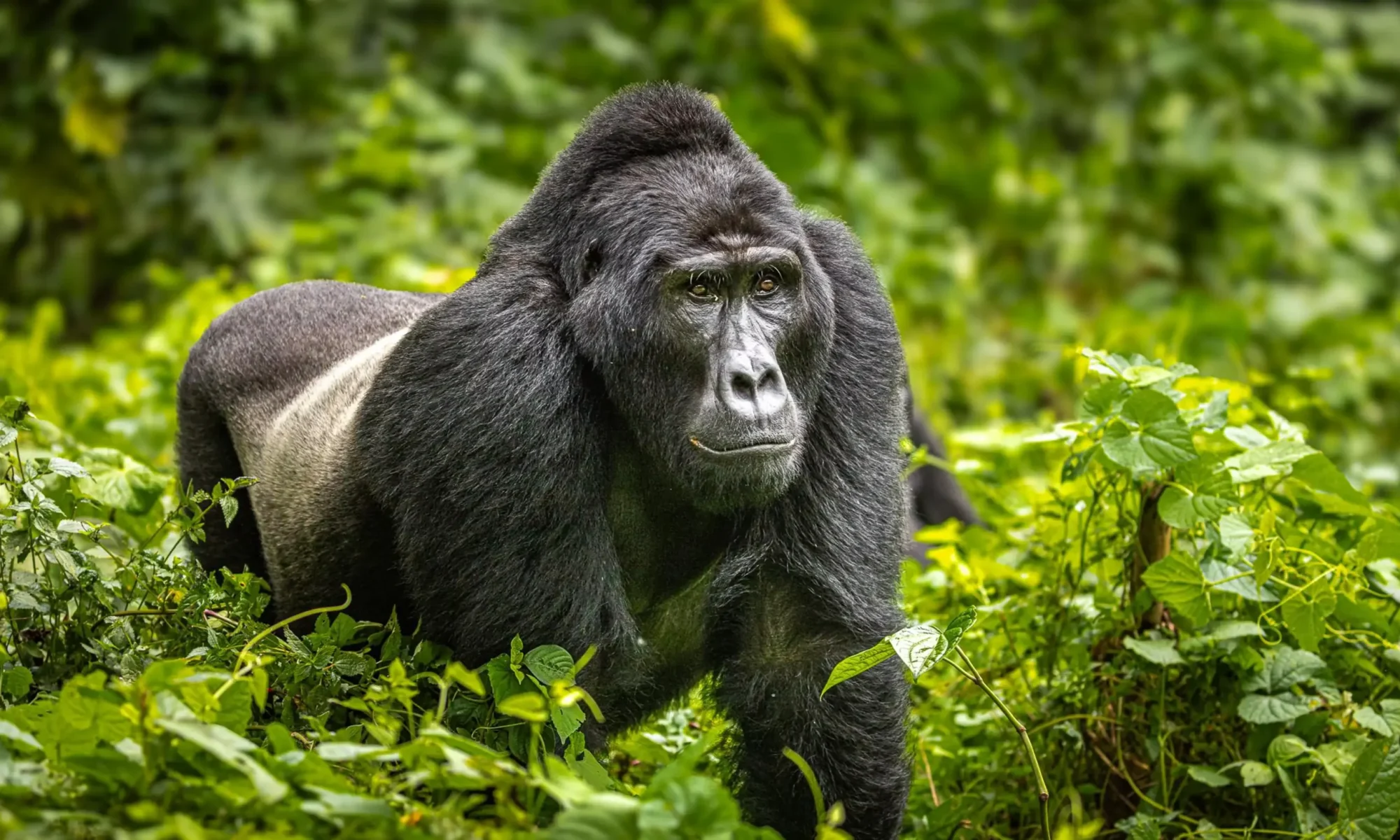
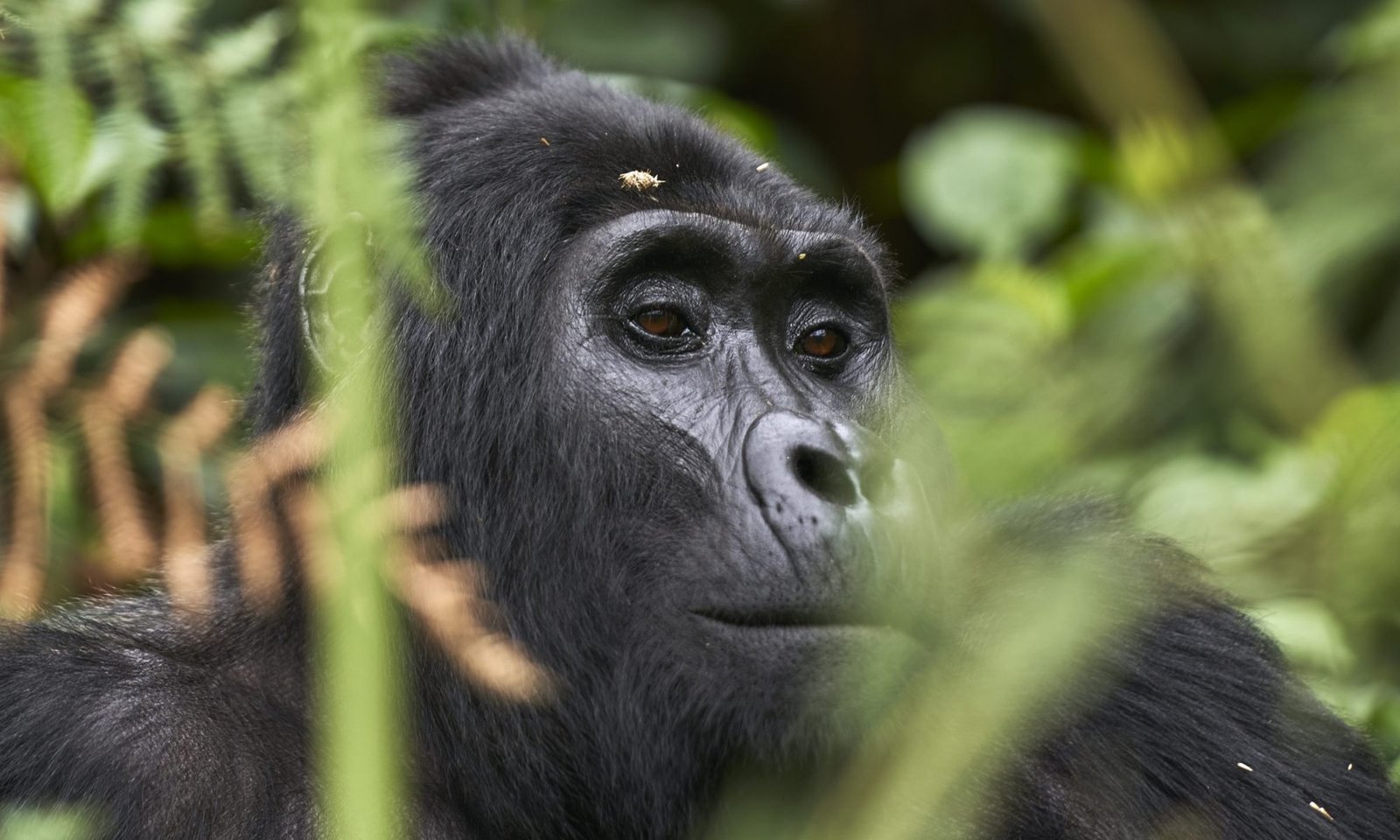
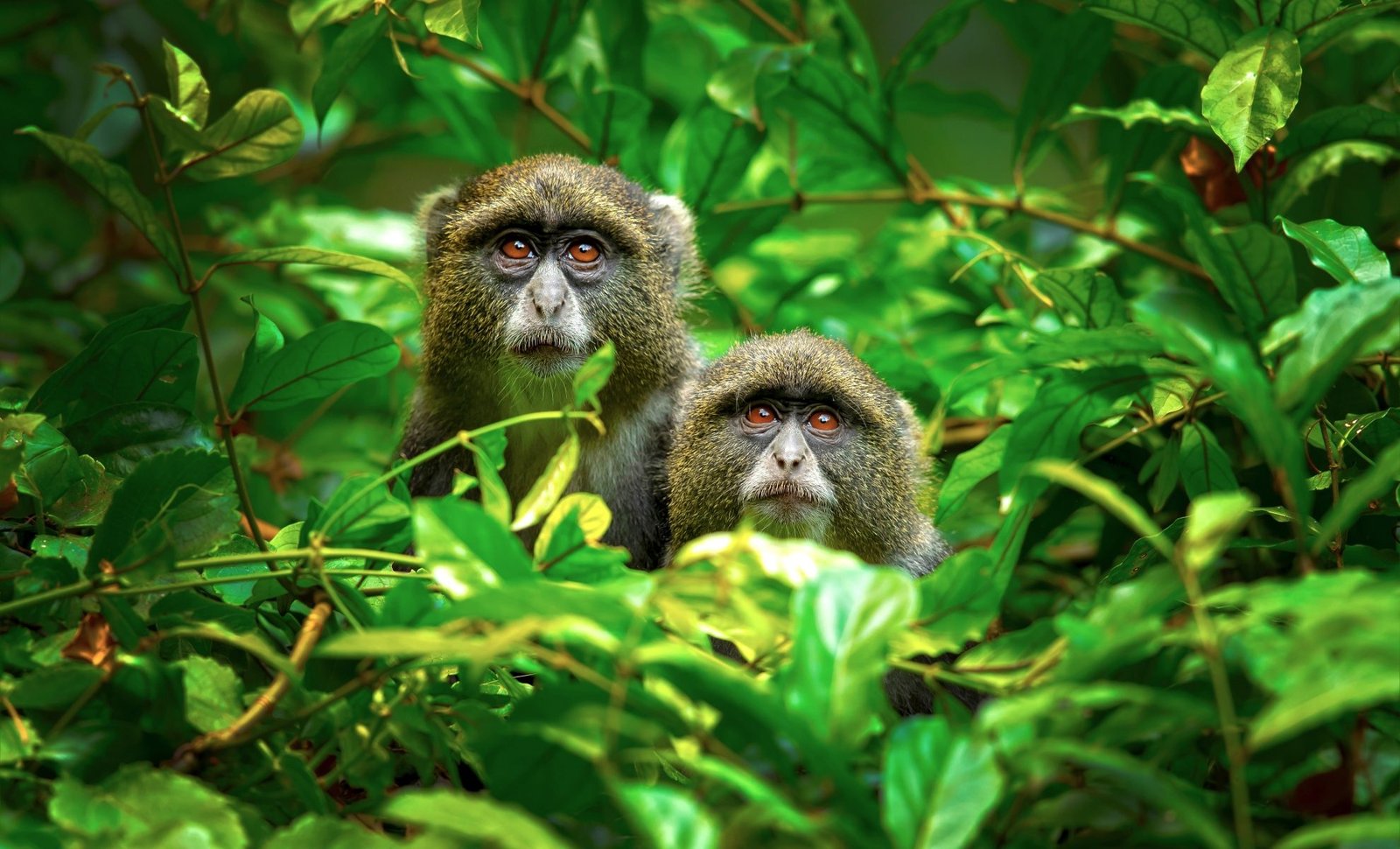
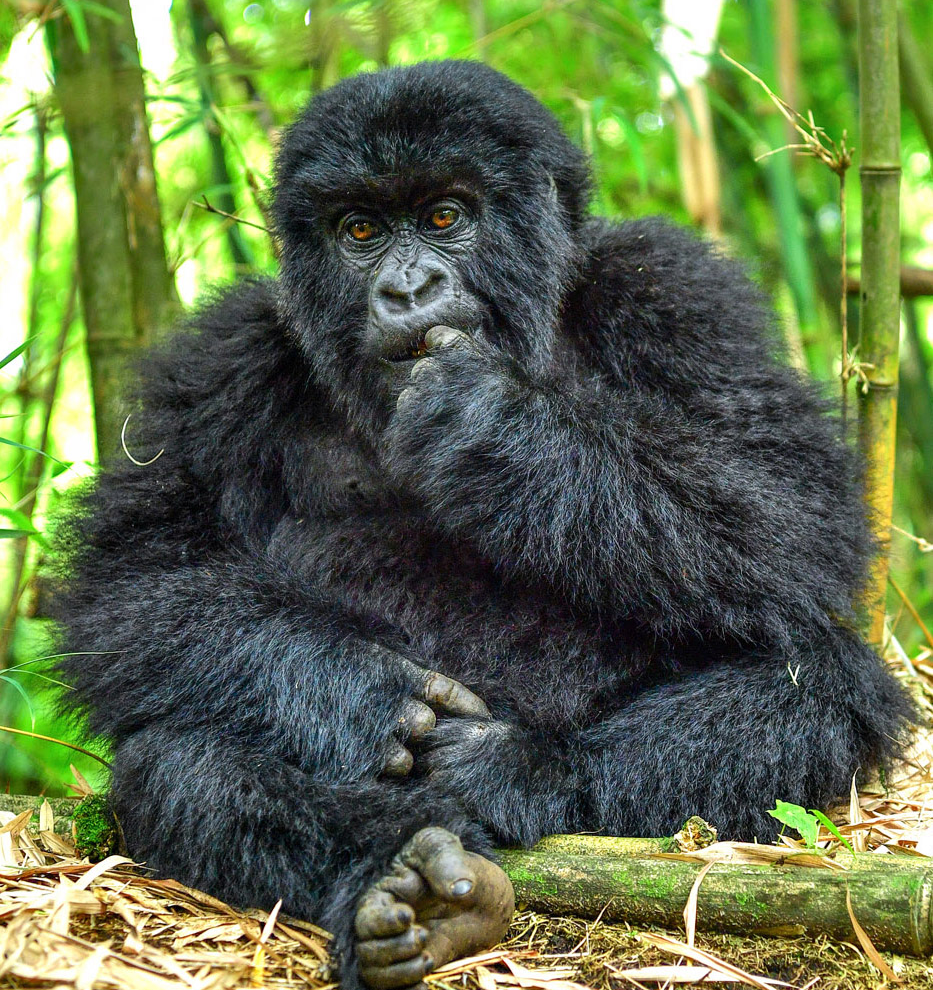
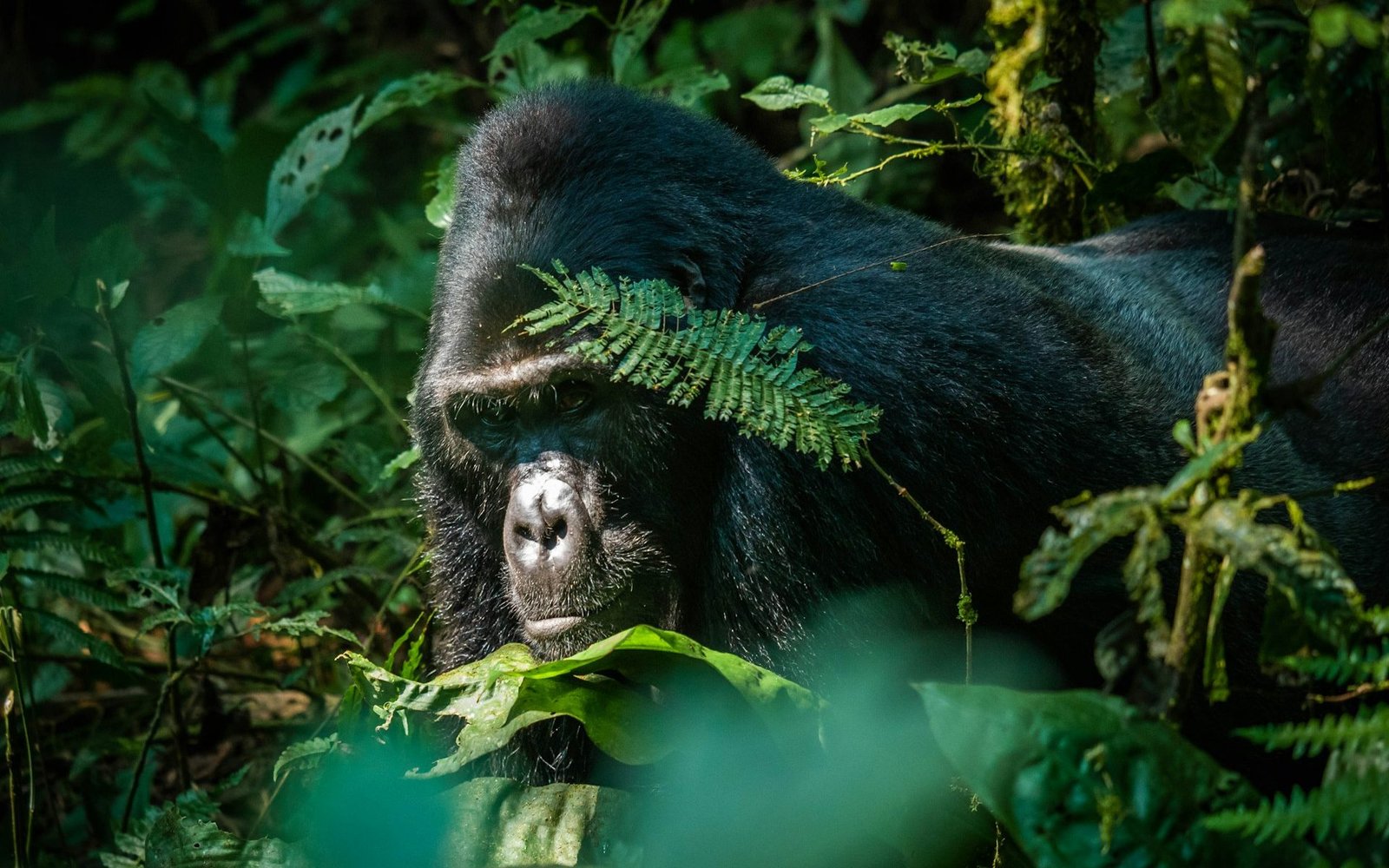
As experts in road trips within Africa, then during our adventure into the wild of Congo to see the rare Eastern lowland gorillas which are only found in Dr Congo in the entire world , and seeing the mountain gorillas in Virunga National Park is a rare gem to see the primates of Africa.
Congo Gorilla trekking is a once-in-a-lifetime adventure that offers an up-close encounter with these majestic creatures in their natural habitat. Whether you are trekking in Virunga or Kahuzi-Biega, it’s important to be well-prepared for the physical demands of the trek and the unique environment. With the right gear and knowledge, you’ll be ready to enjoy an unforgettable experience in the wild.
Gorilla trekking in the Democratic Republic of Congo (DRC) provides a rare chance to observe one of the world’s most endangered species in its natural environment. This is the only country that has both mountain and eastern lowland gorillas.
The trek takes you deep into the Congo rainforest, where you will navigate through dense forests and rugged terrain to encounter the majestic mountain gorillas. The main trekking locations in DRC are Virunga National Park and Kahuzi-Biéga National Park.
Here, several habituated mountain gorilla groups live within Virunga National Park, but this has been closed to tourists since March 2020. Initially, this was due to the COVID-19 pandemic, but more recently, it has been for security reasons. The park looks unlikely to reopen in the foreseeable future. During the trek, a maximum of eight people will be allowed to visit each gorilla family in a day. After locating the gorillas a maximum of one hour to observe them and take photographs while obeying the set rules and regulations and once the guide suspects danger like the gorillas seem uncomfortable or charged he ends the visit.
Best time to visit
Gorilla trekking in Congo is available year-round, but the best time to visit is during the dry seasons, which run from June to September and December to February. During these periods, the weather is more predictable, and the forest trails are less muddy, making trekking easier.
The rainy seasons, from March to May and October to November, are still an option for the more adventurous, but be prepared for challenging conditions with slippery terrain. However, the rainforest is at its most vibrant during these months, and fewer tourists can lead to a more solitary experience with the gorillas.
The cost of the gorilla permits in the DRC
The cost of a trekking permit for Virunga National Park and Kahuzi-Biega National Park is 400 USD per person, which supports ongoing conservation efforts for the gorillas.
How to acquire the DRC gorilla permit
Gorilla permits can be obtained through a trusted tour operator/ travel agency way in advance book a permit 3 months before trek day, especially if you are traveling in dry months because the demands for such months are high and this permit is valid for 1 day.
Kahuzi Biega National Park is home to some 250 eastern lowland gorillas. Kahuzi Biega is the only place where you can track eastern lowland gorillas, which are unique to the DRC and occur in no other country. Kahuzi Biega is a short drive from the pretty town of Bukavu, which lies on the shore of Lake Kivu and has some good accommodations in old colonial mansions. Compared to Uganda and Rwanda, it’s a little-visited and rather adventurous option. It is also relatively cheap, with permits. It should be emphasized that the DRC is a volatile country, so it’s advisable to monitor the security situation and to track gorillas here on an organized trip.
Virunga National Park
A gorilla trekking permit in Uganda costs US$ 800 for foreign non-residents in 2025, African Citizens cost 500$$ and East African Citizens its 100$
How to Secure Gorilla Trekking Permit
The Uganda gorilla permits are sold by Uganda Wildlife Authority (UWA) as the sole government entity, and the new rules of Uganda tourism board only allows travelers to secure gorilla permits through licensed tour operators by UTB and 4wd Africa is among them and ready to help you secure the gorilla permit for ultimate gorilla trekking experience .
How to access the gorilla trekking parks in the DRC
Both Virunga and Kahuzi-Biega National Parks can be accessed by air and road transport. By air, the nearest major airport to Kahuzi-Biega is Bukavu Airport (BKY), which is about 50 km away from the park. Bukavu can be reached by flights from cities like Kinshasa (the capital of the DRC) or Goma, and by road from Bukavu, you can take a car or a 4×4 vehicle to the park entrance. The road conditions may vary, so it’s recommended to have a guide or a driver familiar with the area; however still for Kahuzi, you can opt for a boat transfer because Bukavu is located on Lake Kivu, and you can also reach it via boat from Goma.
For visitors heading to Virunga National Park, Goma is the closest city and can be accessed by air from Kinshasa or other regional airports, with connections to Kahuzi-Biega by road or boat.
Rules and regulations in tracking gorillas in DRC
You must be at least 15 years old to track gorillas to avoid transmitting diseases like flu and chickenpox.
You also need a yellow fever vaccine for entry to Uganda, Rwanda, or Congo.
You’re not allowed to track gorillas when sick, if you’re feeling unwell or suspect you have a contagious disease, inform the Rangers. You’ll be refunded or rescheduled for another trip once cleared.
Foreign visitors may need a visa. Park authorities will verify your identity with your passport before trekking. Only eight people are allowed per gorilla group per day to minimize disturbance and disease risk.
Only 8 people are allowed per gorilla group per day to minimize disease spread and disturbances.
Gorilla trekking involves long hikes, steep terrain, and mud; being reasonably fit is important, elderly travellers may be assigned nearby gorilla families and can hire porters for assistance.
Maintain a low tone and avoid loud noises. Don’t shout or make sudden movements that could disturb the gorillas.
Keep the park clean, avoid littering, and dispose of waste properly. If you need to use the toilet, notify a guide for proper disposal.
Keep at least 15 feet away from gorillas, avoid surrounding them, and don’t eat, drink, or smoke near them and lose your bag to prevent curious gorillas from investigating.
If a gorilla approaches or charges, stay calm and avoid running. If a silverback displays dominance, follow ranger instructions.
Only take photos when the rangers give permission, and do not use a flash to avoid disturbing the gorillas. Park essential for navigating the forest’s rugged terrain, long-Sleeved Clothing, sturdy Hiking Boots, waterproof Jacket, insect repellent, Camera (No Flash), Water and Snacks.
Gorilla trekking in Rwanda is a once-in-a-lifetime experience that allows you to connect with nature intimately. The trek offers not only the chance to see the incredible mountain gorillas up close but also a deeper understanding of conservation efforts in place to protect these magnificent animals.
Whether you are visiting during the dry season or the wet season, the memories made during this journey will stay with you forever. Prepare well, respect the wildlife, and enjoy every moment of this extraordinary adventure.
Gorilla trekking in Rwanda promises an unforgettable adventure, offering a rare and intimate encounter with these majestic creatures.
The experience begins with a briefing, where guides share insights into gorilla behavior, safety guidelines, and expectations for the trek. As you embark on the hike through the lush and captivating Volcanoes National Park, the anticipation builds.
The trek’s duration varies, ranging from a couple of hours to a full day, depending on the gorillas’ location and your group’s fitness levels. Once you locate the gorilla family, the encounter is magical, observing their social interactions, nurturing behaviors, and sheer presence is awe-inspiring.
You’ll have a precious hour to observe and photograph these incredible primates in their natural habitat, creating lifelong memories. Although you’re meant to keep a respectful distance, given these are wild animals, it’s not uncommon for them to come right up to you.
Tips for gorilla trekking in Rwanda
Keep your voices down at all times. However, it is okay to ask the guide questions.
Do not smoke, drink or eat when you are near the gorillas. Eating or drinking inevitably will increase the risk of food/drink morsels/droplets falling, which could increase the risk of transmission of diseases.
Sometimes the gorillas charge. Follow the guides example (crouch down slowly, do not look the gorillas directly in the eyes and wait for the animals to pass). Do not attempt to run away because that will increase the risk.
Flash photography is not permitted, when taking pictures move slowly and carefully do not touch the gorillas, they are wild animals just remove the camera light, shatters and take a picture.
The maximum time you can spend with the gorillas during trekking is one hour. However, if the gorillas become agitated or nervous, the guide will finish the visit early.
Do not leave any rubbish that is food wrappers in the park foreign items can harbor diseases or other contaminants.
If you need to go to the toilet while in the forest, please ask the guide to dig you a hole with his panga. Make sure the hole is 30 cm deep and fill it in when you are finished.
Volcanoes National Park Rwanda
Volcanoes National Park is in the heart of Central Africa, where the altitude leaves you shivering more than sweating. Dian Fossey, the famous primatologist, described the region as being home to towering, ancient volcanoes, almost 15,000 feet high and cloaked in lush green rainforest—the Virungas.
Located in the far northwest of Rwanda, Volcanoes National Park safeguards the steep slopes of this majestic mountain range, which is home to the endangered mountain gorilla and a variety of montane ecosystems, including evergreen and bamboo forests, open grasslands, swamps, and heath.
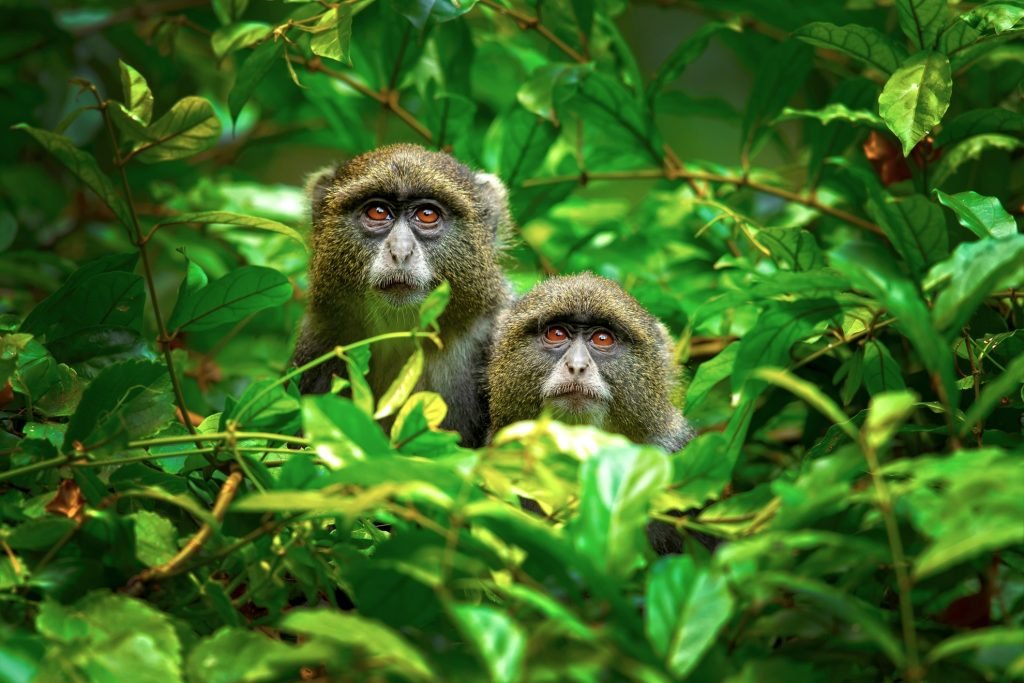
The park is named after the dormant volcanoes of the Virunga Massif: Karisimbi, the highest peak at 4,507 meters, Bisoke known for its stunning crater lake, as well as Sabinyo, Gahinga, and Muhabura, trekking through the dense rainforests in search of the elusive mountain gorillas is a unique experience, where the forest comes alive with the sounds of over 200 bird species and the chatter of the rare golden monkey.
Within the park’s borders, visitors can also explore Buhanga Eco-Park, a historical forest rich in Rwandan folklore, and the Musanze Caves, which were formed 62 million years ago after the last volcanic eruption. For those seeking adventure beyond gorilla trekking, activities like hiking, canoeing, mountain biking, and cultural village tours offer something for everyone to enjoy.
The age for gorilla trekking in Rwanda
The age limit for gorilla trekking in Rwanda is 15 years, therefore, individuals below the age of 15 are not allowed to go Gorilla trekking in Rwanda. However, children almost the age of 15 could go Gorilla trekking if prior arrangements are made with the relevant authorities. Children who are almost 15 years old could make arrangements and may be permitted to trek if they fulfill all the requirements.
Gorilla trekking permits cost
The cornerstone of your gorilla trekking experience is the gorilla permit, which grants you access to Volcanoes National Park and a designated gorilla family. The current cost of a gorilla permit in Rwanda is 1500USD per person.
How to require a Rwanda gorilla permit
A gorilla permit is a vital requirement for trekking mountain gorillas in Rwanda and can be attained via by a trusted travel or tour operator in Rwanda OR issued by Rwanda Development Board the body regulating and managing all tourism activities in the country.
Best time to visit
Rwanda’s climate makes it an excellent destination for gorilla trekking year-round, but understanding the seasons can help you choose the best time for your adventure.
The dry seasons, from June to September and December to February, offer the best conditions for trekking with less rain, drier trails, and thinner vegetation, making it easier to spot gorillas. However, this is the peak season, so it’s advisable to book permits early. The wet seasons, from March to May and October to November, bring muddier, slippery trails, requiring sturdy footwear. While the rainforest is lush and green, adding to its beauty, the number of tourists is fewer, and some lodges offer discounts. Despite the rain, the gorillas remain active and visible, making it a worthwhile time to visit.
What to wear
When gearing up for a gorilla trekking experience in Rwanda, your clothing choices become pivotal. Opt for comfortable, moisture-wicking clothing in earthy tones, helping you blend into the forest environment while ensuring ease of movement through rugged terrain. Long-sleeved shirts and pants protect against scratches, insect bites, and the elements. This is super important. Keep in mind that in most cases, you are going off the beaten path, meaning your gorilla guides are using machetes to cut through the thick forest. Sturdy, waterproof hiking boots with good traction are a must for navigating the sometimes slippery paths. Bring a lightweight waterproof jacket for potential rain showers and pack a hat, sunglasses, and gloves for added protection. As you prepare, remember that dressing appropriately not only ensures comfort during the trek but also respects the gorillas’ natural habitat and local customs.
How to Access Volcanoes National Park on a self-drive
Accessing this park via the road option is the best way to reach the park. Most visitors arrive in Kigali International Airport, which is situated 10km from the Kigali capital city. There are no charter flights to Volcanoes National Park; rather, every traveller opts for a 4×4 rental car with or without a driver to explore Rwanda and Volcanoes National Park. It only takes about 2 hours to drive to the park from Kigali International Airport.
Gorilla trekking in Uganda is an amazing adventure that lets you see mountain gorillas up close in their natural home. Uganda is special because it has more than half of the world’s remaining mountain gorillas.
These animals live mainly in two places, Bwindi Impenetrable National Park and Mgahinga Gorilla National Park, both in the south-western part of Uganda. Trekking to see gorillas is not just about seeing animals; it’s about helping protect them and their environment.
This guide will help you understand how to plan your self-drive trip to Uganda for gorilla trekking, including where to go, when to visit, and how to get permits.
You will also find helpful tips on what to pack and what to expect during your trek. If you love wildlife and adventure, gorilla trekking in Uganda is an experience you won’t want to miss.
Explore the Mountain Gorillas in Uganda while on a Gorilla Habituation experience in Bwindi’s only southern sector of Rushaga, which offers 4 hours of watching the gorillas, which is an exception on a self-drive road trip in Uganda.
Where to go gorilla trekking in Uganda – Self Drive Tours in Uganda
In the entire continent of Africa, it is only Uganda that has two destinations for mountain gorilla trekking at the same cost – either you can select to visit the gorillas in either park while on a Uganda road trip with Self Drive Africa.
Mgahinga National Park
If your plan was to see the gorillas in Rwanda but your budget restrictions prevented you from going on gorilla safari in Rwanda then the best option is Mgahinga National Park which is a sought-after destination for those looking to combine their gorilla trekking with Rwanda’s Volcanoes National Park visit to Golden monkey.
Mgahinga Gorilla National Park is known for its stunning scenery; it offers a unique experience in Uganda as the only place where you can trek Golden Monkeys. A popular Uganda Safari itinerary includes Uganda as the only place where you can trek Golden Monkeys and combines gorilla trekking in Nkuringo with a trek in Mgahinga.
Compared to Bwindi, Mgahinga tends to be less crowded, and the treks are generally easier, making it an attractive option for many travelers. However, there are fewer permits available, adding to its exclusivity.
The park’s gorilla families, while often crossing into Rwanda, remain under Uganda’s protection. The Nyakagezi group is the only habituated gorilla family in Mgahinga, consists of five silverbacks, two adult females, and three younger gorillas.
Gorilla trekking in Mgahinga offers an intimate and rewarding experience, guided by skilled trackers who are experts in navigating the park’s terrain.
These guides provide invaluable insights into the gorillas’ behavior and their natural habitat, ensuring both safety and an enriching encounter with these magnificent creatures.
Bwindi Impenetrable National Park
Bwindi Impenetrable National Park is Uganda’s premier gorilla trekking destination, offering an unforgettable wildlife experience. The park consists of 50 gorilla families with 13 solitary individuals, but only 21 habituated families can be accessed from four main sectors: Buhoma, Ruhija, Rushaga, and Nkuringo.
Each trailhead has its unique characteristics, including different landscapes and levels of difficulty. Besides gorillas, you may encounter other wildlife like birds, monkeys, or forest elephants.
The park itself is stunning, with scenic views of the forest and surrounding mountains.
Best Time to go gorilla trekking in Uganda
4wd Africa Team does acknowledge that gorilla trekking is an activity done throughout the year, but we do also understand that there is what we call the best time to see the gorillas in Uganda.
The best time for gorilla trekking in Uganda is during the dry seasons, which occur from December to February and from June to August. During these months, the weather is more stable, and the trails are easier to follow, making for an enjoyable trekking experience. visit the article that talks about how far in advance should you book your gorilla permit
Cost of Gorilla Trekking permit in Uganda
A gorilla trekking permit in Uganda costs US$ 800 for foreign non-residents in 2025, African Citizens cost 500$$ and East African Citizens its 100$
How to Secure Gorilla Trekking Permit
The Uganda gorilla permits are sold by Uganda Wildlife Authority (UWA) as the sole government entity, and the new rules of Uganda Tourism Board only allow travelers to secure gorilla permits through licensed tour operators by UTB, and 4wd Africa is among them and ready to help you secure the gorilla permit for an ultimate gorilla trekking experience.
What to Expect During Gorilla Trekking
Upon arriving at the trailhead, you’ll join a group of up to 8 trekkers and be guided by an experienced Uganda Wildlife Authority guide who will provide insights into the forest and help you navigate the rugged terrain. Treks begin at 8:00 AM, with group sizes kept small to ensure gorilla safety and improve sightings. The trek can be challenging with steep slopes, muddy paths, and dense vegetation, but the effort is worth it. The guide stays in contact with trackers to help find the gorillas, ensuring a safe and successful trek. Once you locate a gorilla family, you’ll observe them for up to one hour (or longer for habituation). Be ready for a physically demanding hike, with some slippery or steep sections, and unpredictable weather, including rain, mist, or humidity. Proper footwear, like sturdy boots, is essential.
What is the age limit for gorilla tracking in Uganda
The minimum age to trek gorillas in Uganda is 15 years old; however, there is an exception for children turning 14 years to 15 years to trek, considering the right paperwork and proof of birth certificate.
Vital requirements to trek in Uganda
Trekker must be in good health because gorillas are endangered animals they catch easily catch sickness from humans and physically fit because it involves hiking through dense forests.
You must be 15 years and above.
Proof of payment gorilla permit valid for trekking
Respecting the safety and environmental guidelines
Essential clothing during gorilla trek
When preparing for a gorilla trekking adventure, it’s important to wear the right clothing to ensure comfort, protection, and safety. The terrain can be challenging, and the weather can change quickly, so having the right gear is essential. Below are the key clothing items you will need for a successful and enjoyable gorilla trek.
Waterproof jacket or raincoat
Long sleeve trekking T-shirt
Gardening outdoor gloves to protect you against thorns and allow you to push through the difficult parts of the trail.
Good quality, robust, and waterproof trekking boots
Light waterproof trekking pants
Long socks to pull up over your pants to keep your skin protected not forgetting that waterproof gaters are the even better option.
These safaris are popular in East and Central Africa, especially in Uganda, Rwanda, and the Democratic Republic of Congo. However, due to the uniqueness of these experiences and the limited permits issued daily, early planning is essential to ensure availability.
Booking Primate Safari Permit in Africa
Many Government Organizations within East Africa have licensed tour operators for transparency in securing the permits, and these operators include 4WD Africa Limited, a licensed Safari operator booking gorilla permits, Chimpanzee permits, and golden monkeys within all destinations that it operates overland Road trips within Africa.
Once you book their car rental , the extend the free primate trekking permit booking at no extra cost as Safari add on for unique Safari holiday within Africa for ultimate road trip
Why you should book Early
Booking your primate safari well in advance is crucial for several reasons:
Limited Permits: Seeing gorillas or chimpanzees requires a special permit. These permits are limited to protect the primates and their habitats. For example, Uganda’s Bwindi Impenetrable National Park allows only 8 visitors per gorilla group per day. Rwanda’s Volcanoes National Park has similar restrictions. However, this also means there are only a small number of permits available each day. If you wait too long to book, the permits may sell out.
This is especially true during popular travel seasons, such as holidays or dry months when trekking conditions are best. Booking early ensures you don’t miss out on your chance to go on this unique adventure.
High Demand for Popular Destinations:
Some parks are more popular than others, which makes permits even harder to get. For example, Bwindi Impenetrable National Park in Uganda and Volcanoes National Park in Rwanda are world-famous for gorilla trekking. Similarly, Kibale National Park in Uganda is a top spot for chimpanzee trekking. These parks attract visitors from all over the world. Because so many people want to visit, permits for these parks can sell out several months in advance. If you’re planning to visit during a peak season, it’s best to book your permits at least six months ahead. This way, you can secure a spot in the park of your choice.
High Demand During Peak Seasons:
Many travelers plan their safaris during the dry seasons (June to September and December to February). These periods are ideal because the trails are easier to navigate and the weather is favorable. As a result, permits and accommodations are in high demand, and availability becomes limited.
Flexible Travel Dates:
When you book your permits early, you have more flexibility with your travel dates. Waiting until the last minute often means you will have to adjust your schedule to match whatever permits are left.
For example, you may find that permits are only available on days that don’t fit well with your travel plans.
Booking early gives you the freedom to choose dates that work best for you. This can also help you plan other parts of your trip, such as accommodations, flights, and transportation. Everything falls into place more easily when you secure your permits first.
Cost Management:
Booking early can also help you manage your budget better. For instance, once you’ve secured your permits, you can move on to booking accommodations and other activities.
Knowing your exact trekking date allows you to compare prices and find the best deals.
In some cases, you might even get discounts for early bookings. On the other hand, if you book your permits late, you may have to pay extra for last-minute changes to your travel plans. Flights, hotels, and transportation tend to cost more when booked close to the travel date.
By securing your permits early, you avoid these added costs and can enjoy a well-organized trip.
Accommodation Availability:
Primate safari destinations often have limited accommodation options, especially near popular parks like Bwindi, Volcanoes National Park, and Nyungwe Forest. Luxury lodges, mid-range options, and even budget accommodations can fill up months in advance during peak seasons.
Better Planning and Peace of Mind:
Booking early gives you more time to plan your trip. You can arrange flights, transportation, and other activities without the stress of last-minute decisions. Early bookings also provide peace of mind, knowing that your permit and accommodation are secured.
Recommended Time frame to Book a Primate Safari in Africa
To ensure availability and have the best experience, consider booking your primate safari 6 to 12 months in advance. Here’s why this timeframe works:
For Gorilla Permits: Gorilla trekking permits are highly sought after. In Uganda, permits cost $800 per person, while in Rwanda, they cost $1,500 per person. These permits are often fully booked months ahead of time. Booking at least 6 months in advance gives you a higher chance of securing your spot.
For Chimpanzee Permits: Chimpanzee trekking permits are generally easier to get than gorilla permits, but they can still sell out during peak seasons. Booking 3 to 6 months ahead is usually sufficient, but for popular locations like Kibale National Park in Uganda, earlier is better.
During Peak Travel Seasons: If you plan to travel during high-demand periods, such as June to September, aim to book 9 to 12 months in advance. This ensures you get the permits, accommodations, and guides you need.
Off-Peak Seasons: During the off-Peak seasons (March to May and October to November), there is less demand. You can book 3 to 6 months in advance and still find availability. However, trails may be muddier due to the rains, so this is something to keep in mind.
Choose Your Destination- Rwanda , Uganda & Congo
Start by deciding where you want to go. Primate safaris are popular in East and Central Africa, with Uganda, Rwanda, and the Democratic Republic of Congo (DRC) being the top destinations. Each country offers unique experiences:
Uganda: Known for gorilla trekking in Bwindi Impenetrable National Park and chimpanzee trekking in Kibale National Park.
Rwanda: Famous for gorilla trekking in Volcanoes National Park.
DRC: Offers both gorilla trekking in Virunga National Park and a chance to see lowland gorillas.
Research each destination and decide which one best suits your preferences, budget, and travel goals.
Reasons Why You Should Book Your Primate Safari Early
Planning a primate safari requires careful thought and preparation. One key decision is figuring out when to book your trip. The timing of your booking is influenced by several factors, including permit availability, travel season, personal preferences, and logistical considerations. This guide explains these factors in simple terms to help you plan your adventure at the right time.
Permit Availability
Permits for gorilla and chimpanzee trekking are limited and issued daily to protect the animals and their environment. Popular destinations like Bwindi Impenetrable National Park in Uganda and Volcanoes National Park in Rwanda often sell out months in advance. Booking permits at least six months ahead is crucial, especially during peak seasons, to avoid missing out.
Travel Season
The dry seasons (June to September and December to February) offer the best trekking conditions, making them highly popular. Permits and accommodations sell out quickly during these times, so early booking is essential. The rainy seasons (March to May and October to November) see fewer visitors and may offer discounts, but trekking can be more challenging.
Destination Popularity
Certain parks like Rwanda’s Volcanoes National Park and Uganda’s Bwindi Impenetrable National Park are more popular due to their accessibility and unique experiences. High-demand destinations require earlier bookings compared to less crowded parks, but flexibility with your destination can open up more options closer to your travel date.
Group Size and Preferences
Traveling in a large group requires early planning to secure enough permits, as each gorilla or chimpanzee group has a daily visitor limit. Specific preferences, such as visiting a particular gorilla family or staying in a preferred lodge, also necessitate booking well in advance to ensure availability.
Budget Considerations
Prices for permits, accommodations, and transportation are higher during peak seasons. Early booking can help secure better deals and options. Off-peak travel may provide discounts, but early planning remains beneficial for securing preferred lodges or packages, especially for luxury safaris.
Travel Arrangements
Early booking provides time to arrange flights, accommodations, and transportation. Some trekking destinations require lengthy drives or domestic flights. Additionally, you’ll have more time to handle visa applications, vaccinations, or other travel requirements without feeling rushed.
Special Events and Holidays
Public holidays and events like Christmas and Easter attract more visitors, leading to quicker permit and accommodation sellouts. Booking well in advance ensures you don’t face disappointments during these peak periods.
Personal Schedule
Fixed vacation dates mean early planning is essential to secure permits and arrangements. If your schedule is flexible, you may have more options, but booking early still ensures better choices and fewer compromises.
Step by Step Guide on how to book primate Safari
Planning a primate safari can seem overwhelming, but with the right steps, it becomes a smooth and exciting process. Booking your safari early is essential to ensure you get permits and make all the necessary arrangements. Here is a step-by-step guide to help you book your primate safari.
Decide on Your Travel Dates
Once you know where you want to go, choose your travel dates. Keep in mind that the dry season (usually June to September and December to February) is the best time for trekking. Trails are less muddy, and the weather is more favourable. However, these months are also the busiest, so permits sell out quickly. If you are traveling during the rainy season, permits may be easier to get, and prices for accommodations might be lower, but trekking conditions can be more challenging.
2. Secure Your Permits
Permits are required for gorilla and chimpanzee trekking, and they are issued by the wildlife authorities in each country. The number of permits is limited to protect the animals and their habitats. Here’s how to get your permits:
Contact a Tour Operator: The easiest way to secure permits is through a trusted tour operator. They will handle the process for you, ensuring you get permits for your preferred dates. Look for operators with good reviews and experience in organizing primate safaris.
Book Directly: You can also contact the wildlife authorities in Rwanda, or the DRC to book permits yourself however Uganda changed the rules and its only possible through a local tour operator. This option requires more effort and careful planning to align your trekking dates with other travel arrangements.
Remember to book permits as early as possible, especially if you are traveling during peak season.
Choose Your Accommodation
After securing your permits, book your accommodation. Options range from budget lodges to luxury camps near the national parks. Staying close to the trekking starting points is convenient and reduces travel time on trekking day. Tour operators can help you choose and book accommodations that fit your budget and preferences.
Arrange Transportation
Getting to the national parks often requires long drives or flights. Plan your transportation in advance:
Private Vehicle: Most travellers hire a 4×4 vehicle with a driver-guide, which is the most convenient option for exploring the parks and surrounding areas.
Domestic Flights: Some destinations offer domestic flights to reduce travel time. For example, you can fly to Kihihi or Kisoro near Bwindi in Uganda.
Tour operators typically include transportation in their packages, making it easier for you.
Prepare Physically and Mentally
Trekking to see primates can be physically demanding. Trails can be steep, muddy, and challenging, especially in areas with thick vegetation. To prepare:
Stay Active: Build your fitness by walking, hiking, or doing other exercises regularly before your trip.
Pack Proper Gear: Essential items include sturdy hiking boots, waterproof clothing, gloves, a backpack, snacks, and water. A walking stick is often provided but consider bringing your own.
Be Mentally Ready: The trek can take several hours, so patience and determination are important.
Book a Tour Package (Optional)
Many travellers prefer booking a complete tour package through a reputable operator. These packages often include permits, accommodation, transportation, meals, and guides. While this option may cost more, it simplifies the planning process and ensures everything is well-organized.
Check Entry Requirements
Before traveling, make sure you meet the entry requirements for your destination. This includes:
Visa: Many countries in East and Central Africa require visas for entry. Check if you can apply online or get a visa on arrival.
Vaccinations: Yellow fever vaccination is often mandatory, and you may also need proof of COVID-19 vaccination. Consult your doctor about other recommended vaccinations.
Travel Insurance: Ensure you have travel insurance that covers medical emergencies, trip cancellations, and evacuation if necessary.
Confirm Your Bookings
A few weeks before your trip, confirm all your bookings, including permits, accommodation, and transportation. Make sure you have all necessary documents, including copies of your permits, travel insurance, and passport.
Enjoy Your Safari
On the day of your trek, follow the guidelines provided by your guide to ensure a safe and enjoyable experience. Respect the rules to protect the primates and their environment. Take in every moment of this once-in-a-lifetime adventure.
Conclusion
The ideal time to book a primate safari largely depends on the destination, the popularity of the trekking permits, and the season. To secure permits, especially in destinations like Uganda and Rwanda, booking at least 3 to 6 months in advance is highly recommended. This allows you to avoid last-minute availability issues and ensures you get your preferred dates. For peak seasons, booking even earlier may be necessary, while for off-peak times, a shorter lead time could suffice. Ultimately, early planning will enhance your chances of a smooth, enjoyable primate
East Africa is home to some of the world’s most incredible opportunities for observing primates in the wild. The region offers diverse landscapes and habitats, from lush rainforests to savannahs, providing a rich environment for various primate species.
These destinations not only allow you to see primates in their natural habitats but also offer the chance to contribute to their conservation and learn about their behaviours. Whether you are trekking through dense forests or witnessing social interactions, the experience of encountering primates in the wild is truly unforgettable.
Some of the top destinations in East Africa for primate watching include Uganda, Rwanda, and Tanzania, each known for its unique primate populations and exceptional wildlife experiences.
East Africa is an unparalleled destination for primate lovers, offering unique opportunities to observe a variety of species in their natural environments. Uganda, Rwanda, and Tanzania stand out for their exceptional primate populations, including mountain gorillas, golden monkeys, chimpanzees, and more. Whether you are trekking through the misty forests of Bwindi Impenetrable National Park, tracking chimpanzees in Kibale Forest, or witnessing the golden monkeys in Volcanoes National Park, the region provides some of the most immersive and rewarding wildlife experiences.
Visiting these top 10 primate destinations not only enhances your understanding of these incredible creatures but also supports their conservation efforts, ensuring their survival for future generations. All the listed destinations are okay and safe for self drive Safari within East Africa.
Visitors can embark on guided gorilla trekking tours, which offer an unparalleled opportunity to observe these gentle giants in their dense forest habitat. Besides gorillas, the park is also home to other primates like black-and-white colobus monkeys, L’Hoest’s monkeys, and red-tailed monkeys.
Highlights:
Gorilla trekking: A once-in-a-lifetime experience to see mountain gorillas up close. Gorilla habituation is only available in Bwindi’s Rushaga sector
Rich biodiversity: The park also hosts over 120 species of mammals and 350 species of birds.
Cultural interactions: Visitors can learn about the Batwa people, who are indigenous to the area.
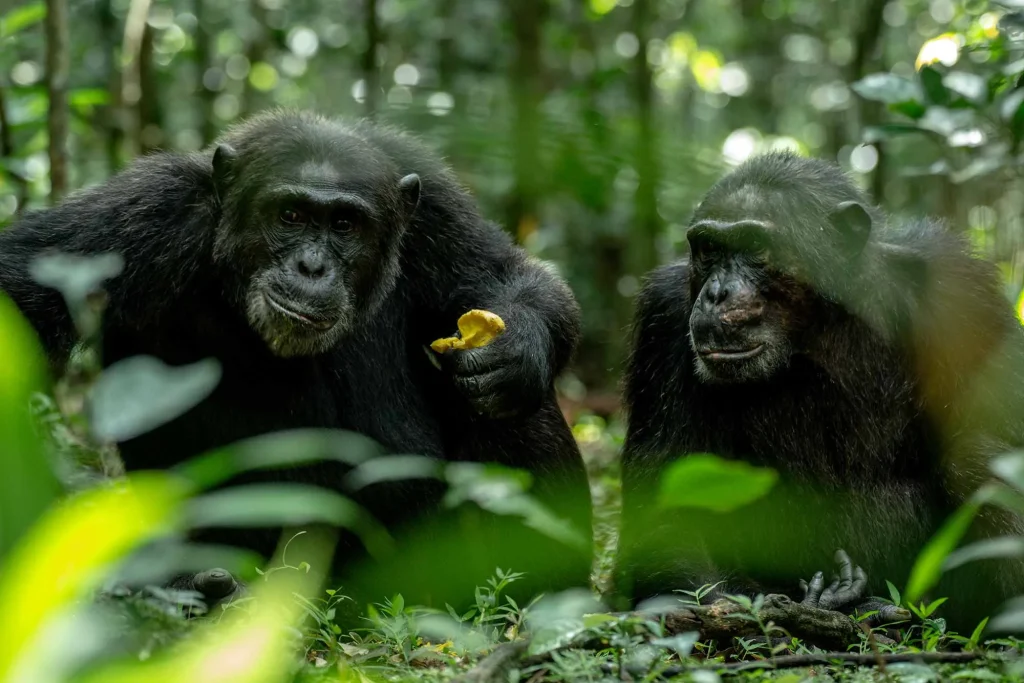
Kibale National Park, often referred to as the “primate capital of the world,” is located in western Uganda. It is renowned for its high population of chimpanzees.
Visitors can join chimpanzee trekking or habituation experiences, where they spend extended periods observing and learning about these intelligent primates. Kibale Forest National Park is also home to 12 other primate species, including olive baboons, red colobus monkeys, and grey-cheeked mangabeys.
Highlights:
Chimpanzee trekking: A chance to observe chimps in their natural behaviour.
Primate diversity: Home to one of the highest concentrations of primates in Africa.
Beautiful landscapes: The park features a mix of rainforest, swamp, and grassland.
Volcanoes National Park Rwanda
Volcanoes National Park in northern Rwanda is another prime destination for observing mountain gorillas. The park is part of the Virunga Mountain range and is known for its striking volcanic scenery. Gorilla trekking here is a major attraction, and the experience is highly organized to ensure minimal disturbance to the animals. Golden monkeys, another fascinating primate species, can also be seen in this park.
Highlights:
Mountain gorillas: Visitors can observe these rare primates in their forest habitat.
Golden monkey trekking: A unique opportunity to see these colourful and playful monkeys.
Stunning scenery: The park’s volcanic peaks provide a dramatic backdrop.
Luxury Gorilla trekking is recommended to plan and book gorilla safaris in Rwanda for the ultimate Gorilla trekking experience with Self Drive Africa.
Mahale Mountains National Park Tanzania
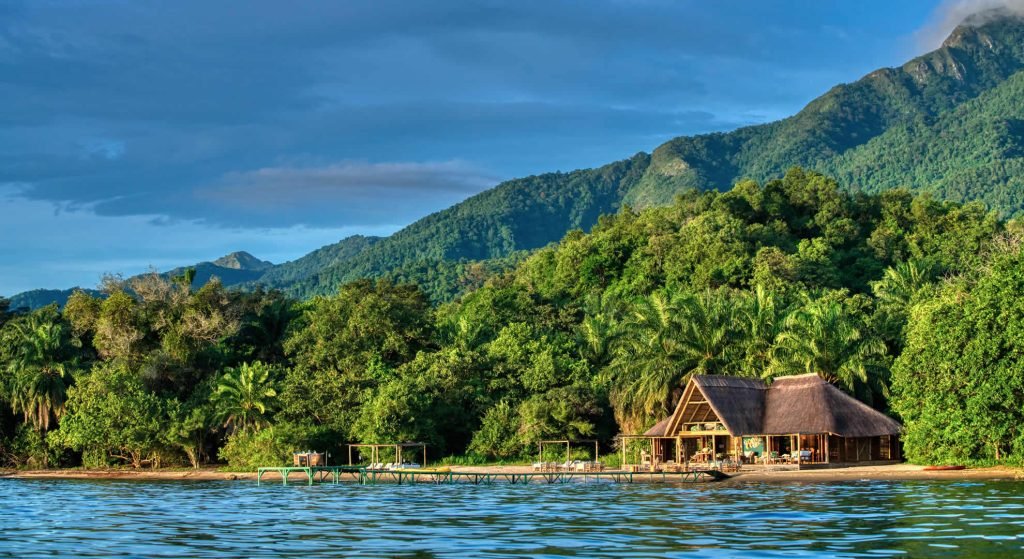
Mahale Mountains National Park is located on the shores of Lake Tanganyika in western Tanzania. It is one of the most remote and pristine parks in East Africa, making it an exceptional destination for primate observation. The park is best known for its wild chimpanzees, and visitors can enjoy guided treks through the dense forest to find them. The clear waters of Lake Tanganyika add to the park’s beauty and offer opportunities for swimming and snorkelling.
Highlights:
Chimpanzee trekking: Mahale is home to one of the largest populations of wild chimps in Africa.
Remote wilderness: The park’s isolation ensures an exclusive and peaceful experience.
Stunning landscapes: A combination of forested mountains and crystal-clear lake shores.
Budongo Forest Reserve, Uganda
Located near Murchison Falls National Park, Budongo Forest Reserve is a lesser-known destination for chimpanzee trekking. The forest is home to one of Uganda’s largest populations of chimps, and visitors can join guided treks to see them. The reserve’s diverse habitats also support other primates, such as black-and-white colobus monkeys and red-tailed monkeys.
Rich biodiversity: The forest is home to a wide range of flora and fauna.
Scenic beauty: Explore lush forests and enjoy views of the nearby Nile River.
Gombe Stream National Park, Tanzania
Famous for Jane Goodall’s pioneering research on chimpanzees, Gombe Stream National Park is another excellent destination for primate observation. Located along the shores of Lake Tanganyika, this small park offers intimate encounters with habituated chimpanzees. Guided treks take visitors into the forest to observe the chimps’ behavior, including social interactions and tool use.
Highlights:
Chimpanzee research: Learn about the groundbreaking studies conducted here.
Up-close encounters: The park’s habituated chimps are accustomed to human presence.
Scenic beauty: The park’s mix of forest, waterfalls, and lake views is breathtaking.
Nyungwe National Park, Rwanda
Nyungwe National Park in southern Rwanda is a biodiversity hotspot and one of Africa’s oldest rainforests. It is home to 13 species of primates, including chimpanzees, Ruwenzori colobus monkeys, and L’Hoest’s monkeys. The park also features a famous canopy walk, offering visitors a unique perspective of the forest and its wildlife.
Highlights:
Chimpanzee trekking: An exciting way to observe chimps in their natural habitat.
Colobus monkey sightings: Nyungwe hosts large troops of these striking black-and-white monkeys.
Canopy walk: A suspended bridge through the treetops provides stunning views and wildlife sightings.
Mount Elgon National Park, Uganda/Kenya
Mount Elgon National Park straddles the border between Uganda and Kenya and offers a mix of wildlife and stunning landscapes. While it is not as famous as other parks, it is home to various primates, including blue monkeys, black-and-white colobus monkeys, and vervet monkeys. The park’s caves, waterfalls, and lush vegetation make it a hidden gem for nature lovers.
Highlights:
Less crowded: A quieter alternative for primate observation.
Scenic landscapes: Features include caves, cliffs, and montane forests.
Diverse wildlife: Apart from primates, the park is home to elephants and over 300 bird species.
Arusha National Park, Tanzania
Arusha National Park, located near Mount Meru and Kilimanjaro, is an underrated gem for primate observation. The park is home to black-and-white colobus monkeys, vervet monkeys, and olive baboons. Visitors can explore the park on foot or by vehicle, enjoying its varied landscapes that include savannah, rainforest, and alpine zones.
Highlights:
Accessible location: Close to major cities like Arusha.
Walking safaris: A unique way to explore the park and observe wildlife up close.
Diverse habitats: The park’s varied ecosystems support a wide range of species.
Lake Manyara National Park, Tanzania
Lake Manyara National Park is famous for its tree-climbing lions, but it is also a great destination for observing primates. Troops of olive baboons and vervet monkeys are commonly seen, and the park’s lush forests and lake shores provide excellent habitats for these species. Visitors can enjoy game drives and birdwatching alongside primate sightings.
Highlights:
Mixed wildlife: A blend of primates and large mammals like elephants and lions.
Scenic beauty: The park’s lake and surrounding landscapes are stunning.
Easy access: Conveniently located near the Serengeti and Ngorongoro.
Ngorongoro Conservation Area, Tanzania
The Ngorongoro Conservation Area is famous for its iconic crater and abundant wildlife. While it is better known for big game safaris, the area is also home to primates like olive baboons, vervet monkeys, and bush babies. The combination of dramatic landscapes and diverse wildlife makes it a fantastic destination for nature enthusiasts.
Highlights:
Unique setting: The crater’s enclosed ecosystem supports a variety of species.
Mixed experiences: Combine primate observation with sightings of the Big Five.
Cultural encounters: Learn about the Maasai people who inhabit the area.
Arusha is a bustling city in northern Tanzania that serves as both a gateway to East Africa’s most famous wildlife parks and a destination full of cultural and natural attractions. Its proximity to some of the country’s famous game reserves makes Arusha a popular starting point for safaris in Tanzania.
However, the city is not just a gateway town, but has a lot to offer itself when it comes to self drive safaris in northern Tanzania for unique holiday experiences.
From exhilarating hikes and canoe rides to colourful markets, there are plenty of exciting things to do in Arusha. We have put the most beloved attractions to do in Arusha. This way, you only have to pick your favourites and start exploring.
Walking Safari in Arusha National Park
Arusha National Park is the second most famous park close to Kilimanjaro International Airport after Mount Kilimanjaro. if your planning a self-drive safari to Tanzania, it’s recommended that you include a walking Safari in the wilderness of Arusha National Park after the long adventure in Serengeti National Park.
A walking Safari in Arusha National Park grants you a chance to get a close look at the wild animals like the zebras, giraffes, antelopes and black-and-white Colobus monkeys.
Many people like to travel alone but never actually do so due to anxiety and fear. The best way to learn about yourself and develop your confidence is through solo travel. Are you arranging a solo trip to East Africa?
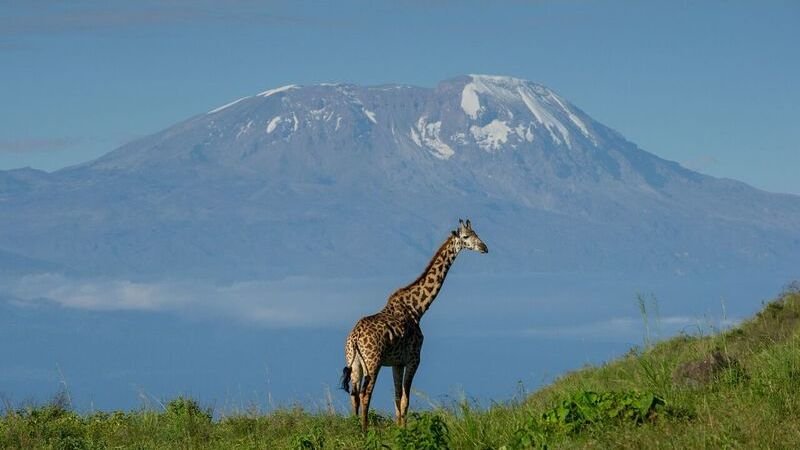
Numerous things about East Africa might be on your mind. To rest your mind, there is nothing to worry about when traveling alone, whether your destination is Kenya, Uganda, Rwanda, Tanzania, South Sudan, Congo, or Burundi. East Africa is a top destination for wildlife safaris, with famous spots like the Serengeti, Maasai Mara, and Ngorongoro Crater not only about wildlife but also home to Africa’s highest mountain, Mount Kilimanjaro, and the second-highest, Mount Kenya, which are in Tanzania and Kenya, not forgetting the beautiful beaches in Zanzibar and the amazing mountain gorilla trekking experiences in Rwanda and Uganda. Many tourists are drawn to the unique way of life in East Africa, with the Maasai culture being especially popular.
If you plan to travel to these countries as an independent traveller, it’s important to gather accurate information about them before you go.
What should you pack as a solo traveller
It’s wonderful to hear that you intend to embark on this once-in-a-lifetime journey to East Africa. You’re now unsure of what to pack. We’ve compiled a comprehensive list of everything you’ll need to think about for your solo safari in East Africa. Here is the list:
Practical items: passport, Travel documents (visas, flight tickets, etc.) Vaccination certificate (if needed), US dollars or local currency ATM/credit cards (let the bank know you are traveling prior)
Clothing: Socks, Underwear, Tank tops, short-sleeve t-shirts, long-sleeve t-shirts, Shorts, Long pants Fleece jacket, Rain jacket/windbreaker, Swimsuit, Pyjamas and others.
Footwear: A pair of comfortable gym shoes or sneakers Pair of sandals or flip flops
Accessories: sun hat, Warm hat (beanie), Bandana, Sunglasses
Technology: camera and extra batteries, Travel adaptor, Cell phone, Power bank, Binoculars, Small flashlight/headlamp
Extra (optional) items: favourite snacks, Reading and writing material (journal), Reusable bags to protect certain items or dirty clothes
Personal and medical items: Toothbrush and toothpaste, Lip balm, Insect repellent, Malaria tablets (East Africa is a malaria zone.), sanitary products, Shampoo/conditioner, Deodorant, Hand sanitizer, Sun cream, Tissues or wet wipes
When is the best time to visit East Africa as a solo traveler?
If you are into mountain climbing, beach vacations, or wildlife, then the dry season is the ideal time to visit these nations, where the dry season always begins in June and lasts through October, December, and February due to how sparse the vegetation becomes. Climbing mountains like Kenya, Meru, and Kilimanjaro, as well as because of less rainfall. So simple and secure.
How much does it cost to visit East Africa as a solo traveler?
It can be expensive to travel alone to these nations. What counts are the services and trip types you select. Choosing a camping safari on a budget, for instance, may be different in terms of cost from a safari with opulent accommodations.
However, keep in mind that many days affect how much cash you should bring with you when traveling alone in East Africa. If you choose to travel without cash, booking with a tour operator such as 4X4 AFRICA LIMITED in advance will save you money. If you decide to go on a midrange budget safari, you should plan on spending 200–1000USD per day or even more for a budget and luxury safari, approximately.
Solo travel in East Africa offers an incredible opportunity for self-discovery, adventure, and cultural immersion. Whether you are embarking on a thrilling safari, climbing iconic mountains, or experiencing vibrant local cultures, East Africa is an amazing destination for independent travellers. By planning, packing smartly, and choosing the right activities and ensure a safe and memorable journey. So, pack light, embrace the adventure, and enjoy the beauty and diversity of East Africa at your own pace. Don’t hesitate to reach out if you need more advice or assistance; your unforgettable solo adventure awaits! Remember, you are going on vacation and not moving. Your luggage should be lightweight and easy to handle since you will be all alone. Light packing is the ideal plan.
Africa is second largest continent that is a treasure trove with some of the amazing features ,covers an area of 30.37 Million square kilometers , has 54 countries in total with each going a different feature to see , a number of landscapes which include deserts ,rain forests ,savannah that draw the attention of many tourists around the globe yearly and around the year of 2019 , received approximately an estimated number of about 69.9 million visitors which make it a great destination for so many when it comes to spending a vacation, holiday name it so it cannot be under looked when it comes to tourism, has a number of Mountains such as Kilimanjaro, Rwenzori, Mountain Elgon among others ,gorges like Oldvai , among others which are located in different countries in the East African part with Uganda ,Kenya, Tanzania and Rwanda which are known for gorilla trekking ,their great national parks with the big five , Central Africa such as Gabon with the famous Loango National Park ,Dzongu National Park among others ,Central African Republic such as Zambia ,Cameroon, among others which are known for having the Victoria falls, West Africa with Nigeria ,Ivory Coast ,Benin ,Liberia ,known for having Namibia ,Botswana ,Cameroon ,Mali ,Maldives, Madagascar ,Morocco, all in all South Africa is the country that takes the lead in the tourism sector in the whole of Africa due to its famous towns like Cape Town ,Soweto,Kruger National Park among others and has a large number of tourists of about 8.92 million yearly
Africa is home to some of the most beautiful and affordable island destinations that cater to a variety of travel preferences. Whether you’re seeking a serene beach escape, rich cultural experiences, or a chance to explore unique wildlife, these six islands offer incredible value without compromising on quality. From the stunning shores of Zanzibar to the tranquil landscapes of São Tomé and Príncipe, these islands prove that you don’t need to spend a fortune to enjoy an unforgettable vacation. With budget-friendly accommodations, delicious local cuisine, and plenty of activities to enjoy, these African islands are the perfect choice for your next affordable getaway.
Self Drive Africa is a classic overlanding company that has been offering road trips to African countries of Kenya, Zambia , Malawi, Zambia and Many more for unique experience of the African wildlife , primates and islands in African waters within reliable 4×4 Jeep.
If you’re dreaming of a tropical escape without breaking the bank, Africa offers some incredible island destinations that combine natural beauty, rich culture, and affordable prices. Whether you’re seeking pristine beaches, vibrant wildlife, or fascinating history, these six African islands provide the perfect getaway for travelers on a budget. Here’s a look at the 6 Best African Islands for Affordable Vacations, each offering unique experiences at a fraction of the cost compared to more popular tourist spots around the world.
Lamu Island, Kenya.
Kenya is among the best destinations to be explored within East Africa on a self-drive safari for wildlife watching. After the bush its always great to spend some time on the beaches of the Indian Ocean.
Lamu Island, a UNESCO World Heritage site off Kenya’s northern coast, is a fascinating blend of history, culture, and natural beauty. With narrow winding streets, centuries-old Swahili architecture, and donkeys as the main mode of transport, it feels like stepping into another era. In Lamu Town, visitors can lose themselves in a maze of alleys lined with intricately carved Omani and Swahili doorways, while nearby Shela village offers peaceful beachfront retreats with yoga, art, and fusion cuisine. The island’s 12 km / 7.5-mile beach stretches wide with pristine white sand, offering plenty of secluded spots for relaxation. Traditional dhows glide across turquoise waters, connecting travelers to remote sandbanks and other islands. Lamu’s serene, authentic atmosphere and strong Swahili heritage make it a hidden gem on Kenya’s coast, perfect for travelers seeking an untouched, cultural escape. Find out more in our free Kenya Safari Guide. The Masai Mara in Kenya makes an epic pairing with the stunning Lamu Archipelago. To reach Lamu from Nairobi is a 1,5-hour flight, making it an accessible add-on to an African safari. Lamu Island is bristling with the perfect blend of culture and wildlife, as well as low-cost guesthouses for that budget-friendly African island vacation.
Mafia Island, Tanzania
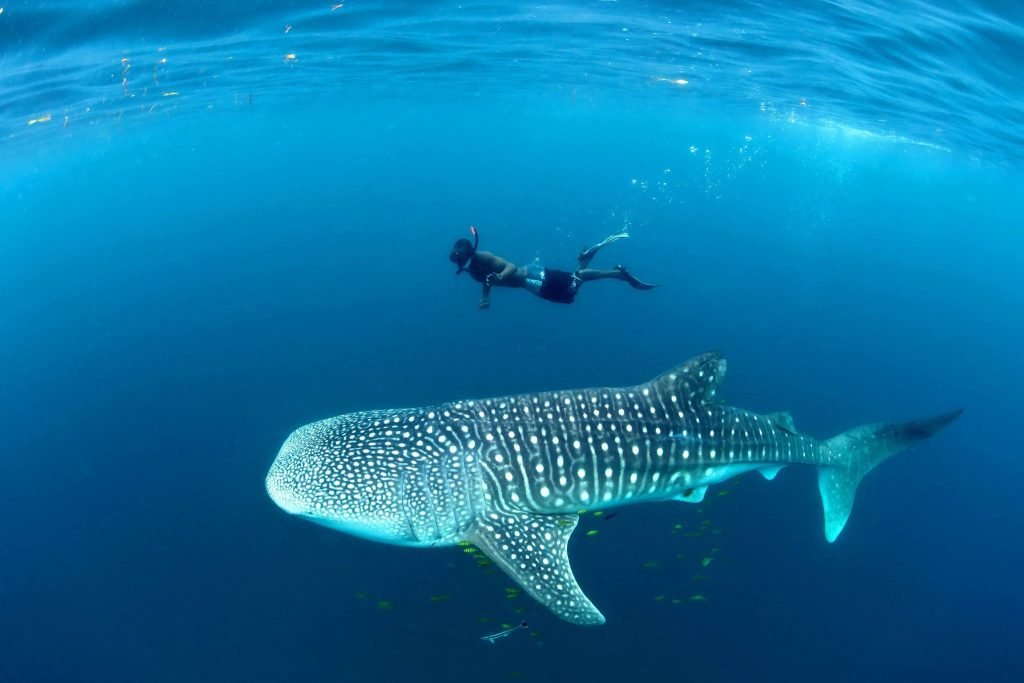
Just south of Zanzibar, Mafia Island is Tanzania’s hidden gem, offering unspoiled natural beauty and vibrant marine life within a tranquil setting. Its Marine Park, the country’s first marine protected area, safeguards coral reefs, mangroves, seagrass beds, and intertidal zones, making it a diver’s paradise. Between October and March, visitors can experience the thrill of swimming alongside whale sharks. The island also boasts a rich cultural history, with Chole Island’s ruins offering a glimpse into the past. With a focus on sustainable tourism and conservation, Mafia Island remains a pristine archipelago where visitors can enjoy a peaceful escape immersed in both natural wonder and local heritage. Nyerere National Park (formerly Selous) in southern Tanzania is remote and well known for its huge variety of wildlife, making it the perfect safari destination to be paired with Mafia Island’s quiet beauty. Mafia Island limits visitor numbers, making it less crowded and more exclusive. The daily conservation fees and its remote locale make Mafia Island more expensive than Zanzibar, but the resulting peace and tranquillity make it well worthwhile.
Nosy Be, Madagascar
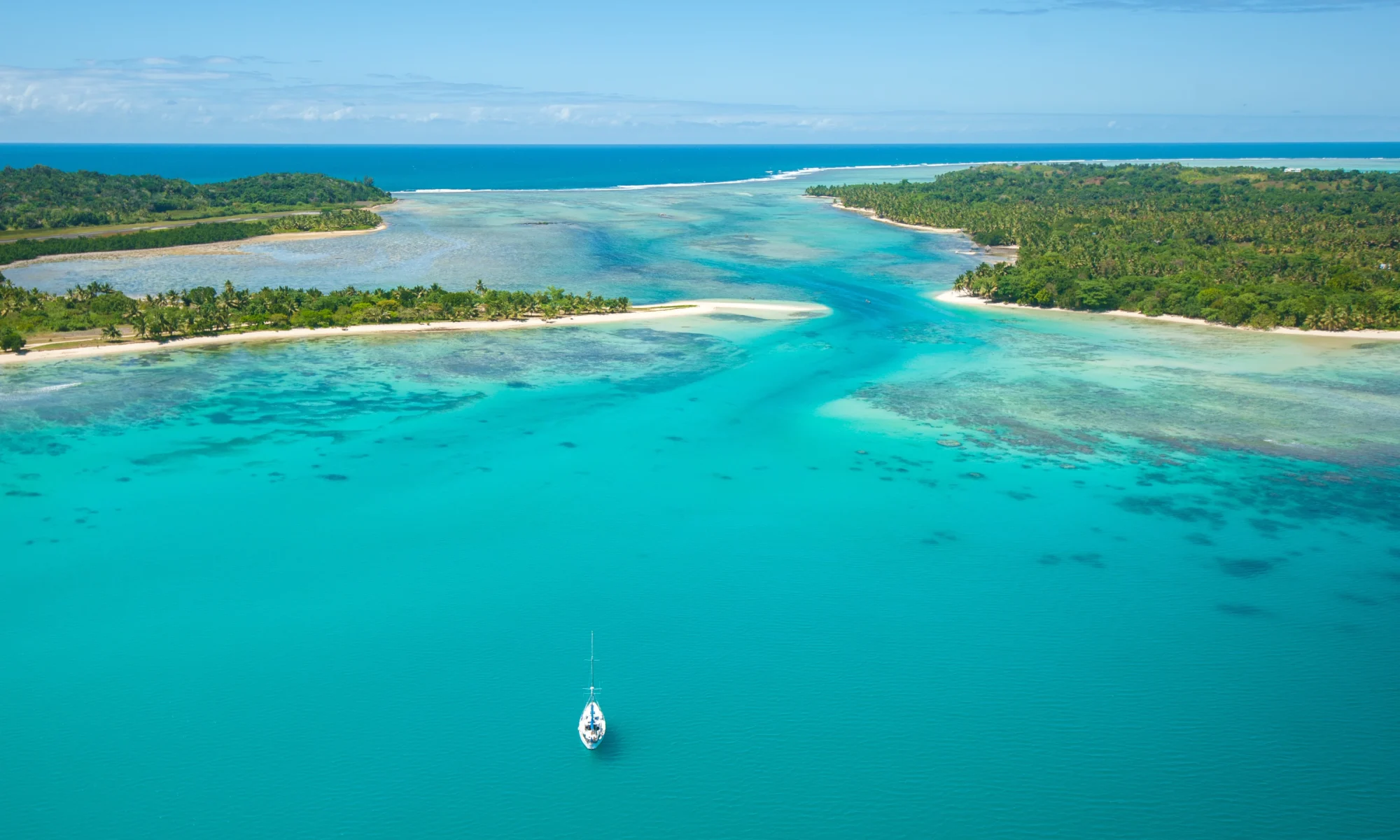
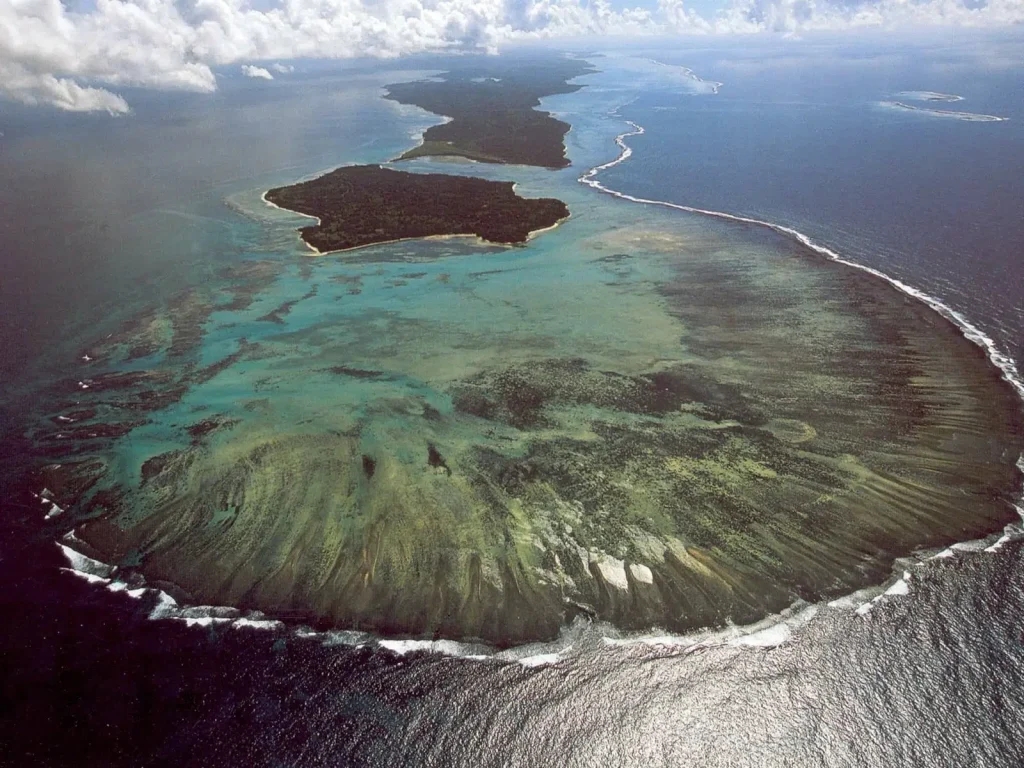
Is located off the northwest coast of Madagascar in the Indian Ocean, Nosy Be is Madagascar’s most popular largest offshore island destination a tropical haven renowned for its fragrant Ylang Ylang plantations and lush scenery. Visitors can enjoy pristine beaches, vibrant coral reefs, and incredible marine life, perfect for snorkelling, diving, and kayaking. Highlights include hiking Mont Passot for panoramic views, exploring Lokobie Reserve for rare wildlife, and visiting the lively Hell-Ville market. Nearby islets like Nosy Komba and Nosy Tanikely add to the island’s charm with unique activities and stunning scenery. Also known as the “Perfume Island,” Nosy Be blends dreamy fragrances with stunning beaches and wildlife. Offering a range of hotels and local guesthouses, travellers are spoilt with the island’s natural wonders.
The best way to reach Nosy Be is by air making it easy to combine with Andasibe-Mantadia National Park, where visitors can see Indri lemurs, exotic frogs, and a plethora of chameleons.
Saint-Marie,Madagascar
On the east coast of Madagascar’s mainland lies the picturesque Nosy Boraha, also known as île Saint-Marie. With stunning beaches, lush landscapes, and vibrant coral reefs, île Saint-Marie is known for its pirate history and has a pirate cemetery that tells tales of its captivating past. Between June and September, visitors can join researchers on boat trips to go whale watching and view these magnificent creatures. The island also offers snorkelling, scuba diving, and unique attractions like scenic cashew and cinnamon groves, making it a captivating getaway for nature lovers. This African island’s laid-back atmosphere and cost-conscious accommodations, including beach bungalows and family-run guesthouses, make it an ideal destination for an affordable African island vacation. For more about Madagascar’s unique attractions.
Bazaruto Island Mozambique
The Bazaruto Archipelago, known as the “Pearl of the Indian Ocean,” is a pristine tropical paradise off Mozambique’s coast. Comprising five islands Bazaruto, Benguerra, Magaruque, Bangue, and Santa Carolina—this archipelago offers idyllic white-sand beaches, diverse marine life, and world-renowned diving sites within the Bazaruto National Park. Visitors enjoy scuba diving, snorkelling along coral reefs, and fishing for large game fish like marlin and kingfish. Benguerra Island is famed for horseback riding and cultural encounters with traditional dhows, while Santa Carolina boasts picturesque beaches and excellent snorkelling, making Bazaruto a top Mozambican destination. Read our free Bazaruto Guide to find out more about what this special destination has to offer. Mozambique’s proximity to South Africa makes a pairing between the Bazaruto Archipelago and the Kruger National Park an excellent option for a bush and beach break.