Chimpanzee Tracking
Chimpanzee Tracking
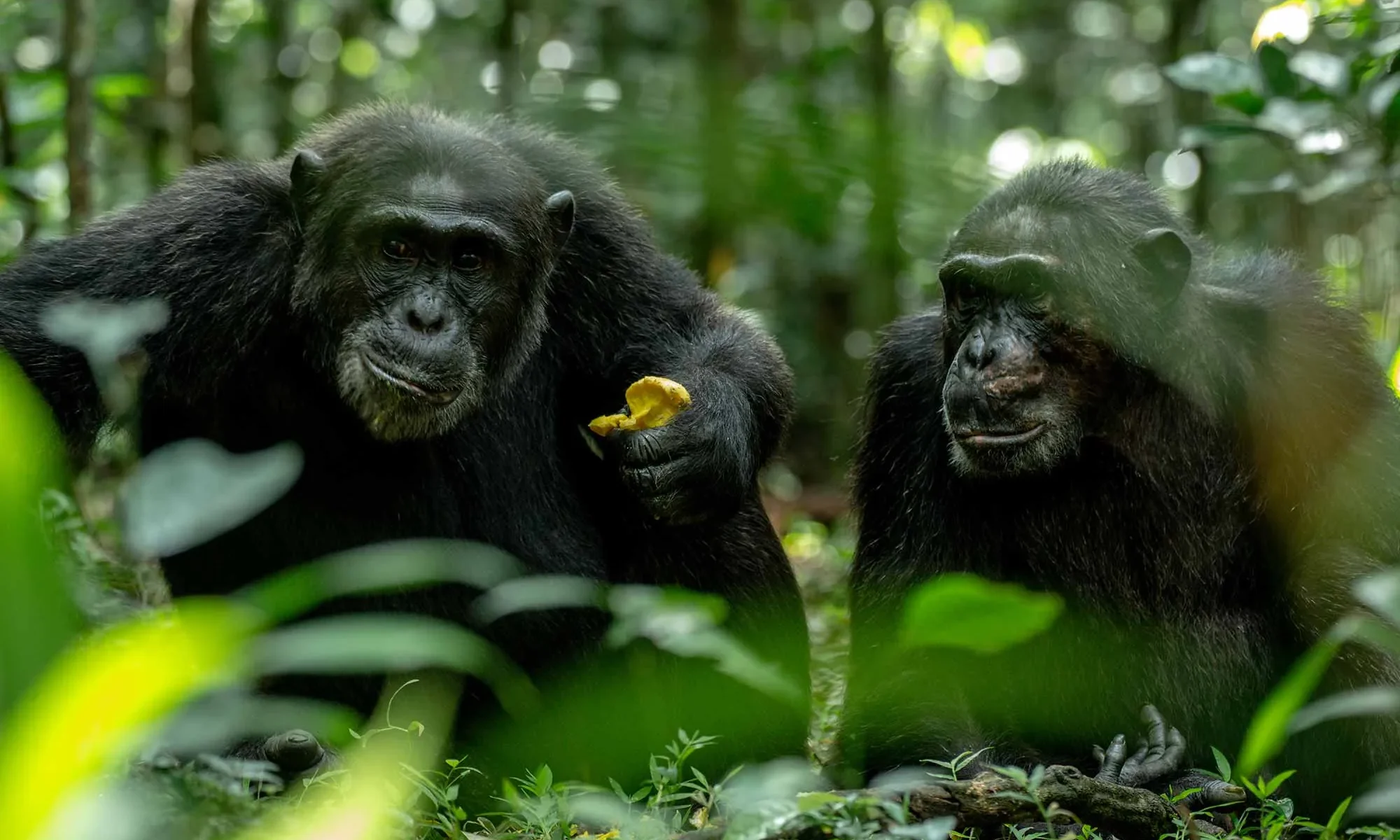
Chimpanzees share around 98 percent of our DNA, and time spent in their company is unmistakably different from any other wildlife encounter. Where gorillas are calm and deliberate, chimps are loud, fast and socially complex, and a tracking day is filled with drumming on buttress roots, pant-hoots echoing through the canopy, and troops moving overhead in a blur of limbs.
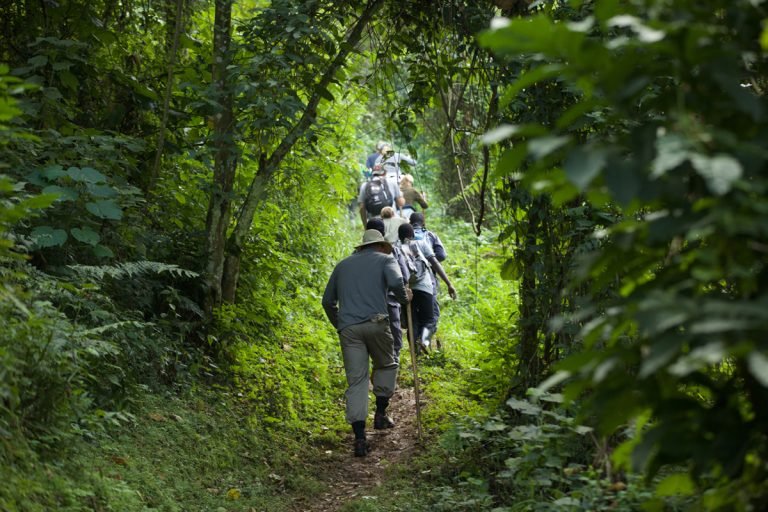
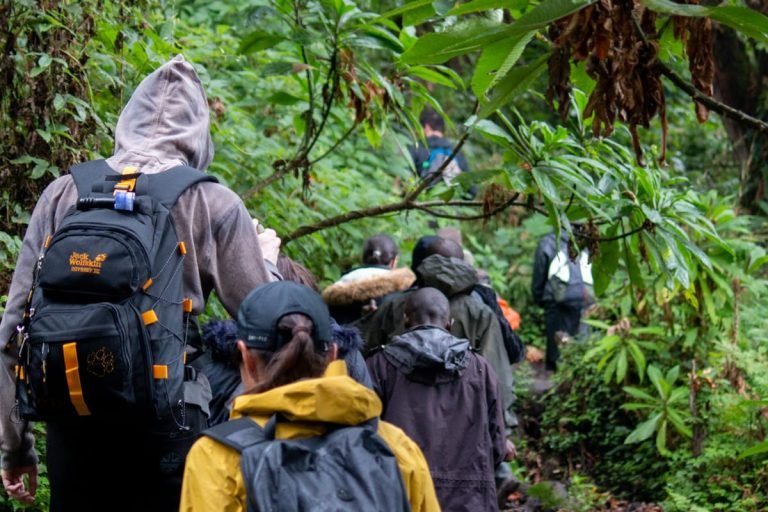
The experience begins with an early briefing before setting off into the forest with a guide and trackers who have been monitoring the community since dawn. Treks typically last two to five hours, and once the group is found, visitors spend one hour observing them feeding, grooming, squabbling and moving through the trees. Because chimps travel quickly and spend much of their time high in the canopy, sightings can be more fleeting than with gorillas, and patience pays off.
Kibale Forest in Uganda is the finest destination in Africa for chimps, with around 1,500 individuals and success rates above 90 percent, and it also offers a full-day habituation experience for those wanting more time. Nyungwe Forest in Rwanda, Kyambura Gorge in Queen Elizabeth, Budongo Forest in Murchison Falls, and Gishwati-Mukura all offer tracking, while Mahale and Gombe on Lake Tanganyika deliver the wildest, most remote encounters of all.
Permits vary considerably by destination, roughly $250 in Kibale and around $100 to $150 in Rwanda. Tracking runs year-round, though drier months mean firmer trails, and sightings are often easier in the wet season when fruit is abundant closer to the trails.