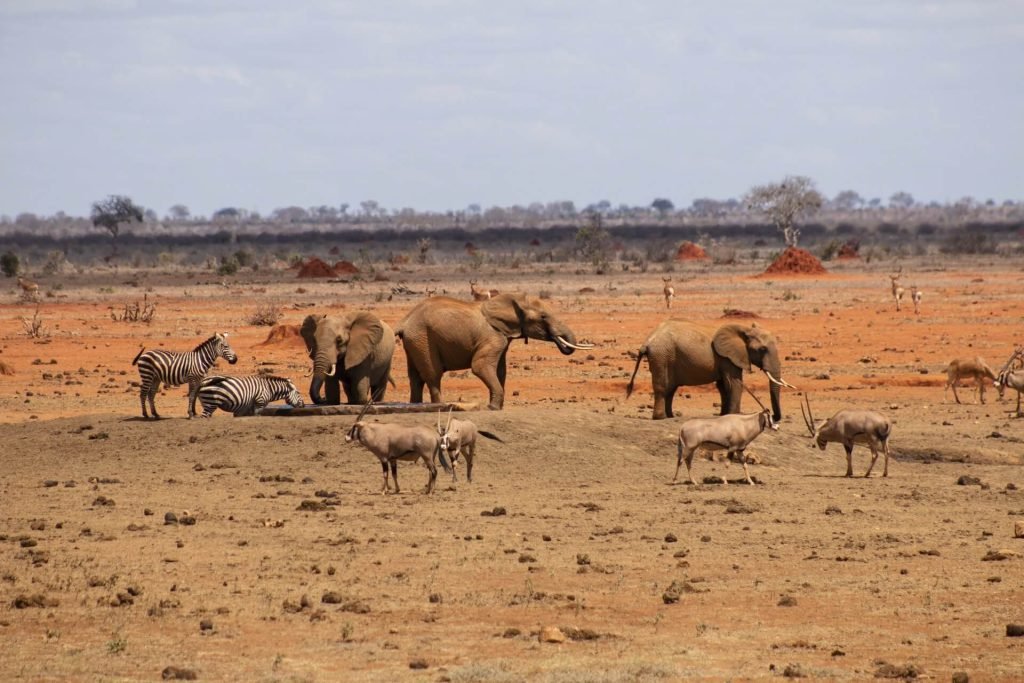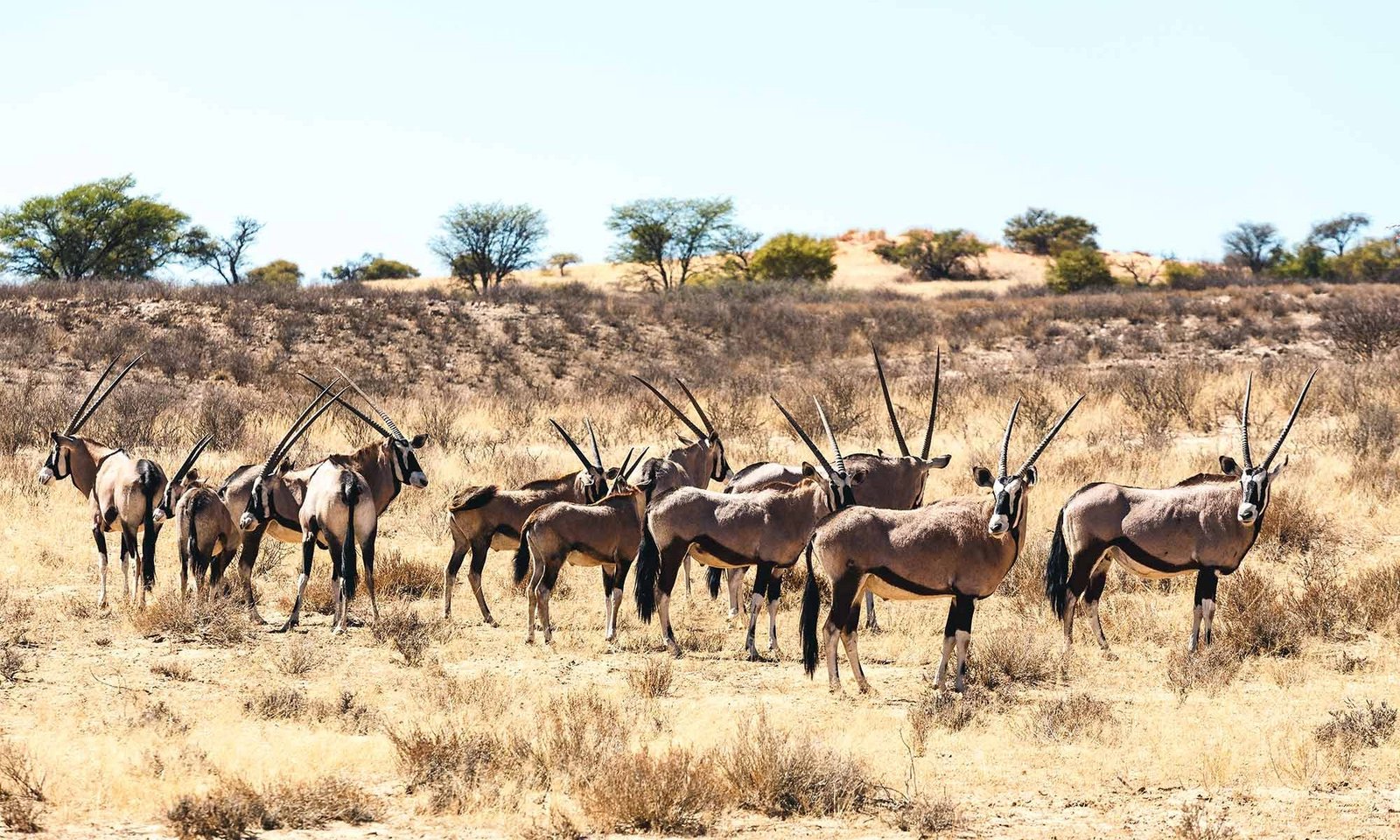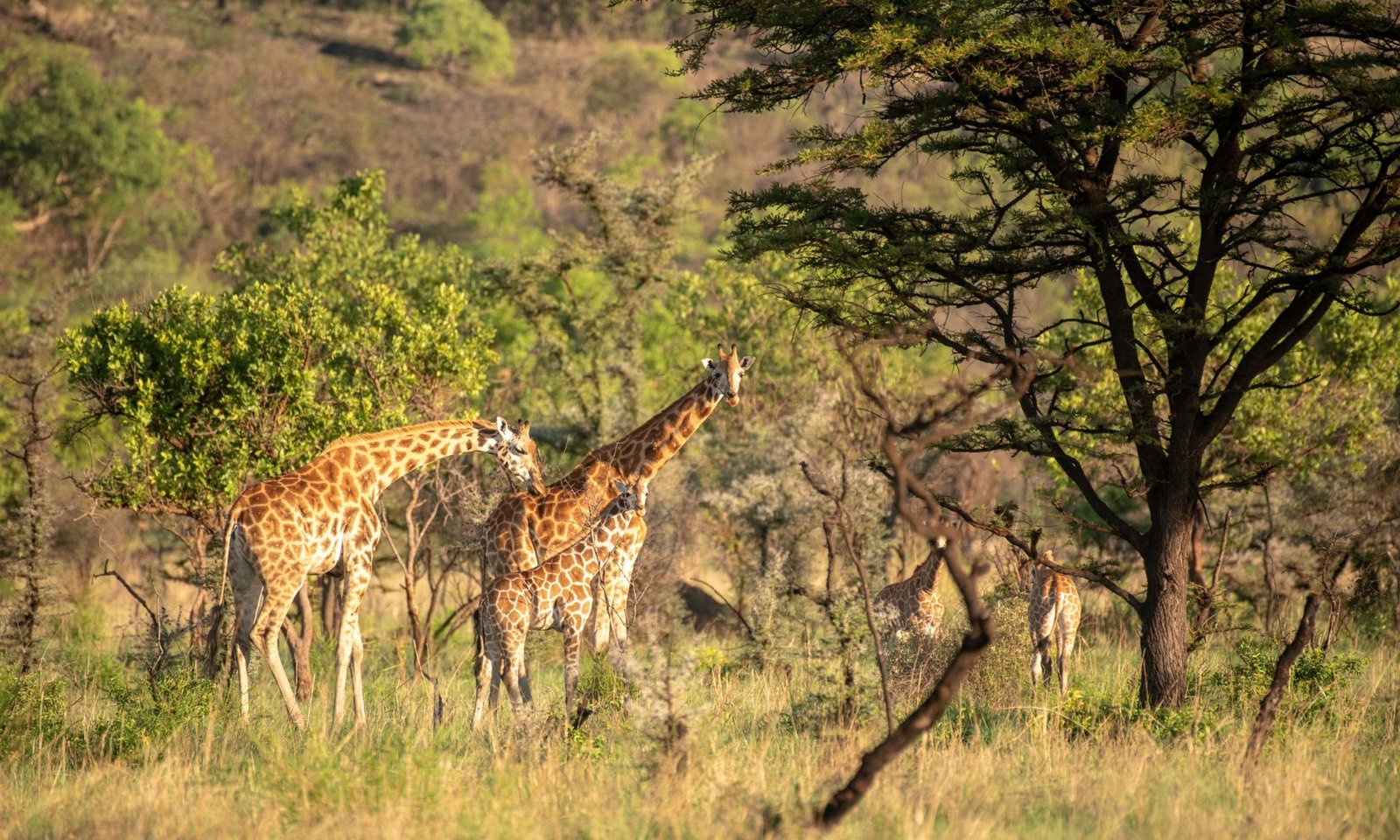
Tanzania Safari Cost

When planning self drive safari in Tanzania , don’t get worried about the cost of Tanzania , Rates for campsites , camping prices , park entrance fees for self drive travelers in Tanzania.

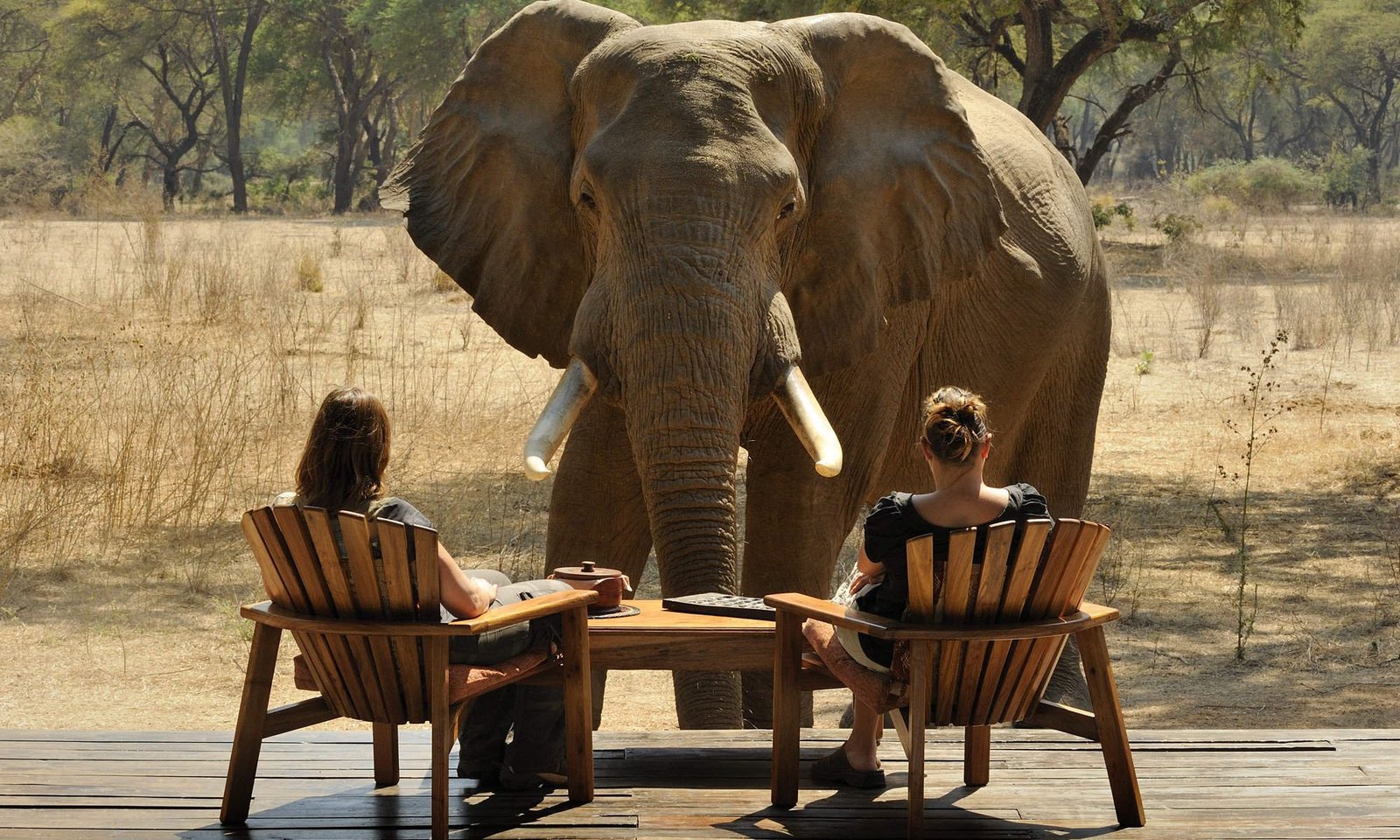
Tanzania is a dynamic country to travel to and also not to mention also its an auspicious place to visit and also the best location to take the trips for any safari lover and anyone looking for a trip and those seeking for an adventure this is the best country to get to.

Best Places to Visit on Self Drive in Tanzania on an Overland Safari 

There is a series of National Parks and Game reserves to explore, and they are worthy of your time and money, and among them are Serengeti National Park and Ngorongoro Crater. Tanzania Safari Cost to northern Tanzania is expensive than the southern Tanzania parks.

If you’re planning a budget-friendly Tanzania safari, consider the southern National Parks like MikumiNyerere & Ruaha National Park for classic adventure in Tanzania on self-drive.

The Tanzania Safari 7 days costs  approximately $1,600 for a road trip overland adventure and it can categorize . Yet for a typical safari its crucial to know that there are some times to

Tanzania Safari Costs – Rates for Tanzania Adventures 

When planning a Tanzania Safari tour, the things that one has to consider to plan for a trip must include the park fees and the conservation fees, accommodation, a visa to allow you entry into the country, safari and vehicle, plus the guide and the cost of the activities that you want to participate in.

Accommodation is the biggest, and it makes it pricey for all of them, and not to mention also the car, but some companies offer some good things

The price categories also depend on the season one wants to travel, for example, a high season is quite pricey, while a low season is low.

  1. Comfort level may range estimated at about 200USD to 350 USD
  2. Mid range can range from 300USD TO 650 USD
  3. Luxury can also be from 650USD TO  1,500USD

For a typical 7-day Tanzania Northern circuit itinerary from Serengeti, Ngorongoro, Tarangire, Manyara.

The total per-person cost would likely fall between 1,400 USD and 4,550 USD,  excluding international flights.

What determines the cost of a Tanzania Self Drive Safari 

Tanzania Self Drive safari can cost differently due to the following cost which include these things ,

Time of travel season

If the season is high, then the prices will also increase since everyone is coming in for the travel. When the season is low, the price for the things will also be low since not so many people are coming in for the travel, and this is the best time for everything since there is quietness and the area is quiet where you can easily access the animals the way you want them.

Accomodation

Different lodges offer different places to stay at, and this is where your safari costs can increase, whether you want comfort for budget friendly, or luxury; all are beautiful places, depending on what you want, and some companies can help you to book the lodges since they are familiar with them.

Safari vehicle and driver

The type of car that is the best for a safari is a 74 series with a pop up roof for the easy viewing of the animals if it’s a safari with a driver though it can be pricy  but the driver helps one to naviagte through the parks and they know all the angles to find the aimals .Then for those that want a self driven safari a toyota Rav 4 is portable and doenot take a lot of fuel though has a lot of mechanical issues along the way and its advisable for one to get a good company that can do a good rescue along the way .

Number of people travelling.

This is a crucial thing for all those seeking to travel because the more the number, the more the price to pay, though some companies offer a discount for groups such as travel packages and so forth, and most importantly, solo travellers also have their own pricing.

Activities that you intend to participate in while at the safari trip

Different activites are done

Additionally costs

Visa costs

International flights

Optional activites such as the hot air baloon and so forth

Drinks

Personal services like laundry

Tipping and so many more.

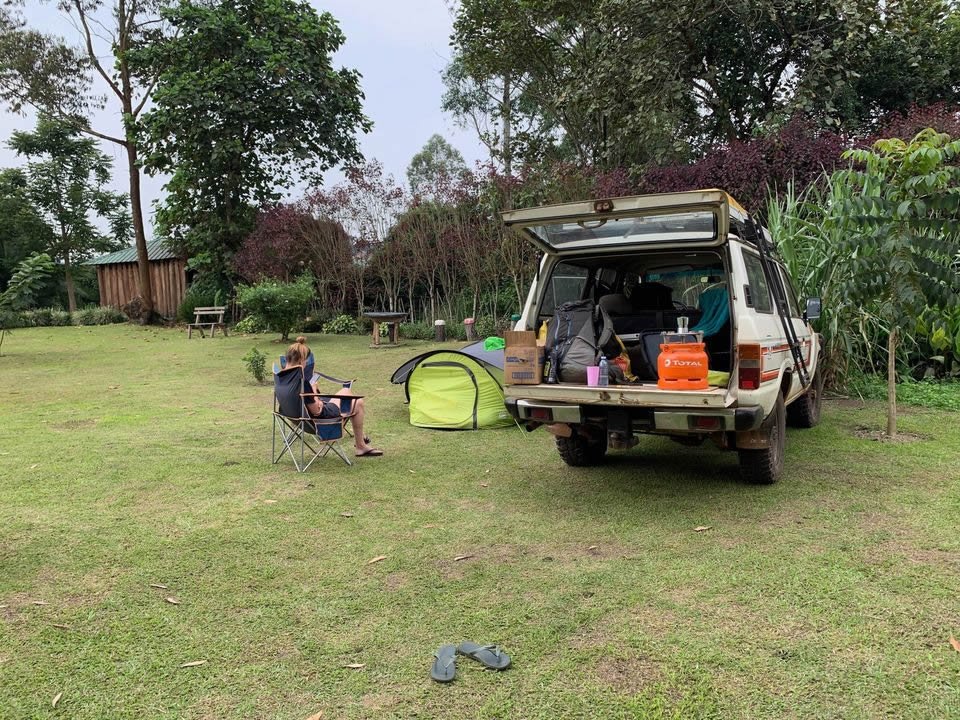
Fuel and in any case maybe considering camping the gear may reuiquire an extra cost approximately 10USD per day
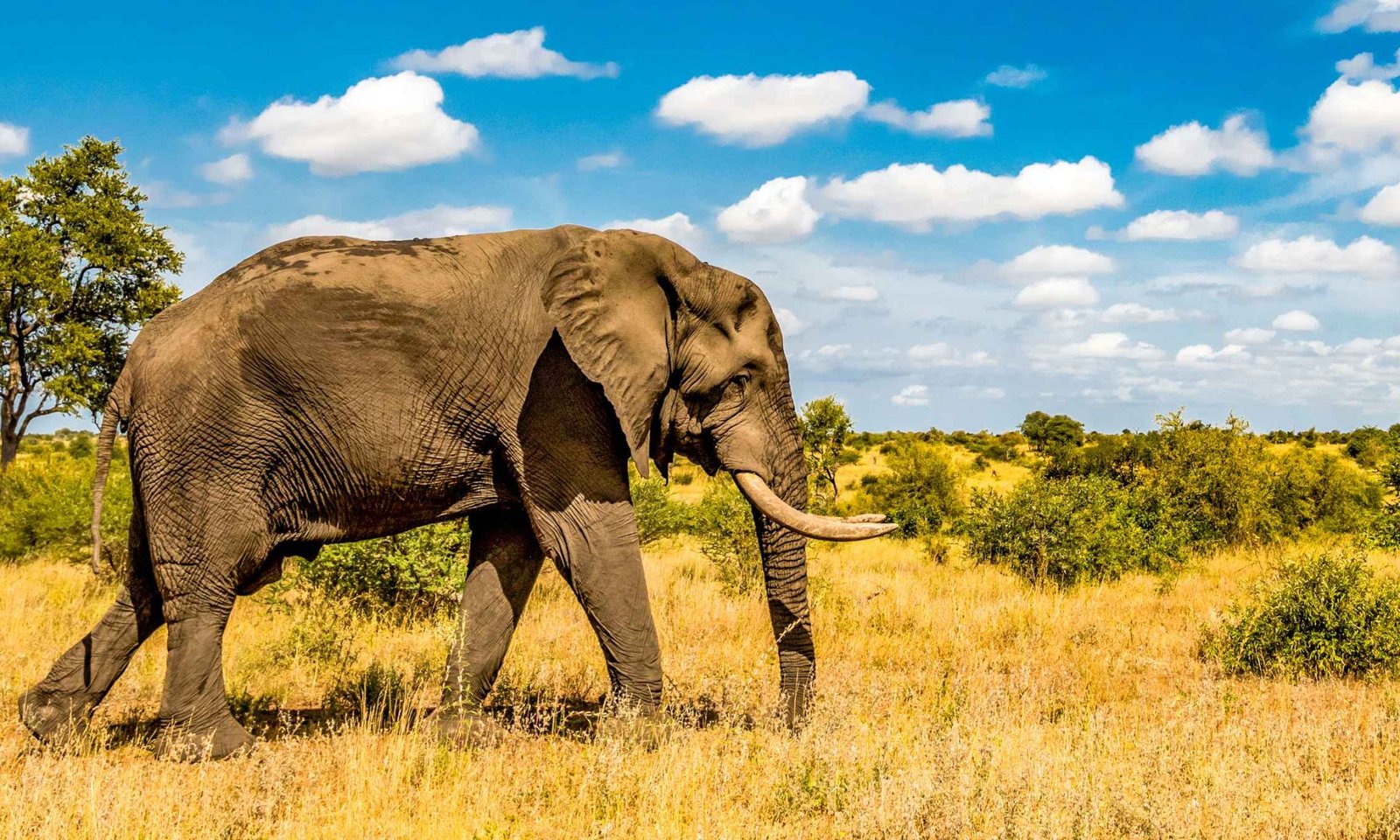
Tanzania Safari Circuits

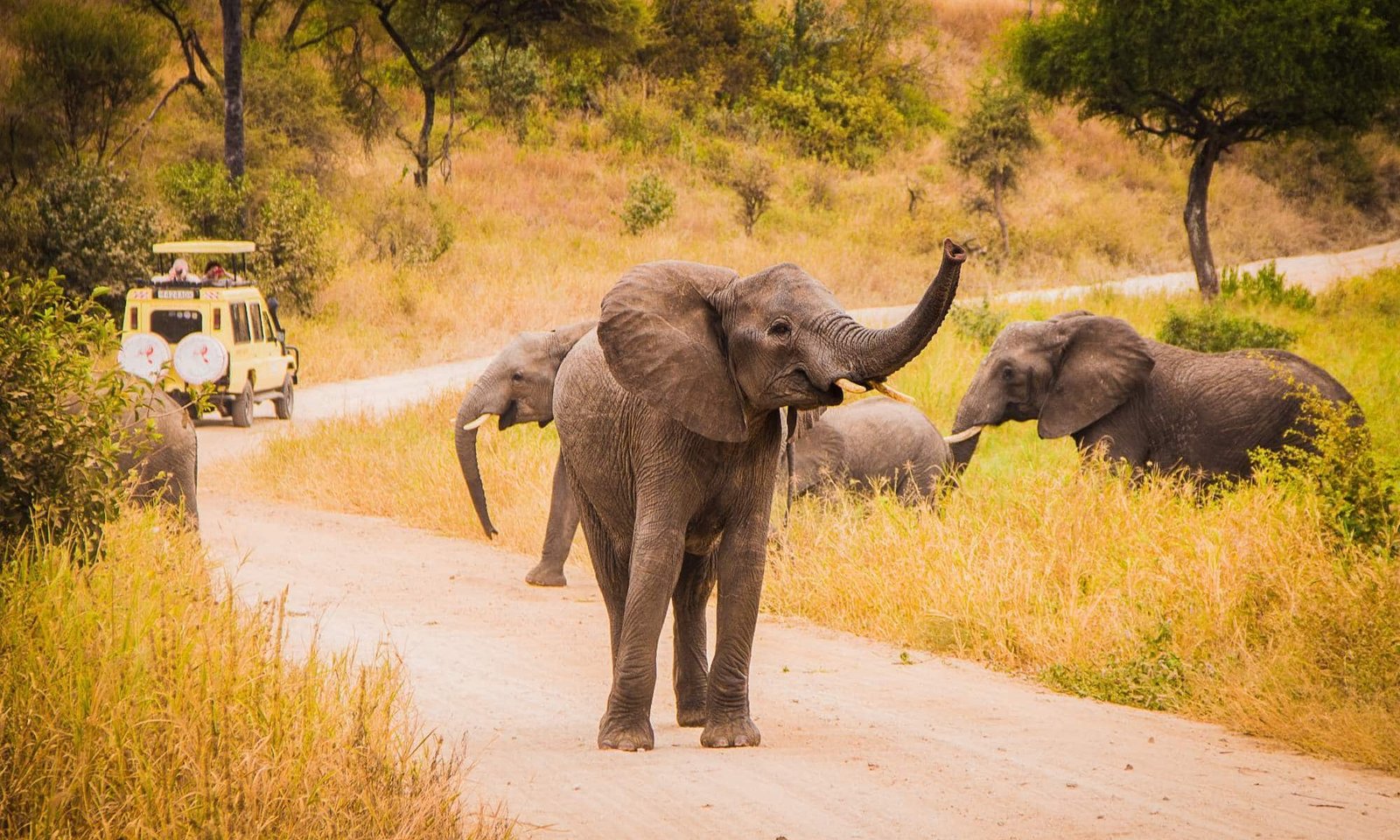
Tanzania is one of Africa’s top safari destinations, drawing visitors from around the world who come to experience its incredible wildlife and stunning natural beauty. The country is home to two main safari regions known as the Northern and Southern Circuits. Each year, thousands of tourists travel to Tanzania in search of the classic African safari experience, watching lions roam the savannah, witnessing elephants by the riverside, and soaking in unforgettable sunsets over vast landscapes.

As travelers begin to plan their journey, one common question arises: which circuit is more popular among tourists? Understanding popularity can help guide expectations about accessibility, travel logistics, and general visitor experiences. While both circuits offer remarkable wildlife viewing and unique adventures, there is a clear trend in where most international visitors choose to go.

Which Circuit Is More Popular Among Tourists, Northern  Or Southern Tanzania?

The Northern Tanzania Safari Circuit

The Northern Circuit is the most famous and most visited safari area in Tanzania. It includes the following popular parks:

  1. Serengeti National Park
  2. Ngorongoro Crater
  3. Lake Manyara National Park
  4. Tarangire National Park
  5. Arusha National Park
  6. Mount Kilimanjaro

Most people start their Northern Circuit safari from Arusha, a city that is close to Kilimanjaro International Airport. From Arusha, it’s easy to visit the parks by car or even fly to the Serengeti.

The Southern Tanzania Safari Circuit

The Southern Circuit is less visited but still offers amazing wildlife and landscapes. It includes:

  1. Ruaha National Park
  2. Nyerere National Park (formerly Selous Game Reserve)
  3. Mikumi National Park
  4. Udzungwa Mountains National Park
  5. Kitulo National Park
  6. Mpanga-Kipengere Game Reserve
  7. Mount Rungwe Nature Forest Reserve

Safaris in the Southern Circuit usually start in Dar es Salaam, the largest city in Tanzania. Because the parks are far apart and roads are rough, many tourists fly between destinations.

Which Safari Circuit is More Popular?

The Northern Circuit is much more popular than the Southern Circuit. Most international tourists who come to Tanzania go to the Northern Circuit for their safari. There are several reasons why the Northern Circuit gets more visitors:

  1. Home to World-Famous Parks

The Northern Circuit includes some of the most famous safari destinations in the world.

  • Serengeti National Park is known worldwide for its wildlife and the Great Migration. Every year, over 2 million wildebeest, zebras, and gazelles travel across the plains in search of food and water. This is one of the greatest wildlife events on Earth and attracts many photographers and nature lovers.
  • Ngorongoro Crater is another unique destination. It’s a large volcanic crater filled with animals. You can see lions, elephants, buffaloes, and even rare black rhinos all in one day. The crater is small in size, so animals are easier to spot.

Because these parks are so well known, people are more likely to choose the Northern Circuit.

  1. Better Infrastructure and Easier Access

It is easier to reach the Northern Circuit. Most tourists land at Kilimanjaro International Airport (JRO), which is close to Arusha. From Arusha, you can quickly drive to most parks.

Travel distances between the parks are short. Many tourists choose to visit 2–4 parks in one trip because they are close to each other. The roads are better maintained, and there are also small airstrips for flights into the Serengeti and other parks.

In comparison, the Southern parks are farther apart and harder to reach. You often need to take long road trips or book domestic flights from Dar es Salaam, which can be more expensive and time-consuming.

  1. Higher Chances of Seeing the Big Five

The Big Five animals, lion, elephant, buffalo, leopard, and rhinoceros, are some of the most popular animals tourists want to see.

In the Northern Circuit, it’s easier to spot all five:

  • Lions are everywhere in the Serengeti and Ngorongoro.
  • Rhinos can be seen in Ngorongoro Crater.
  • Leopards and elephants are common in Serengeti, Tarangire, and Lake Manyara.
  • Buffaloes are found in all northern parks.

In the Southern Circuit, wildlife is still abundant, but animals can be harder to find due to the thick bush and wide landscapes. Also, black rhinos are not present in most southern parks. Because people want to see the Big Five during their safari, the north becomes a more attractive choice.

  1. Many Choices for Accommodation and Safaris

The Northern Circuit has been developed for tourism for many years. It offers a wide range of accommodation options, including:

  • Budget campsites
  • Mid-range lodges
  • Luxury tented camps and hotels

This makes it easier for all types of travelers to visit whether you are a backpacker or on a honeymoon. There are also many safari companies in Arusha offering tours, which means more options and competitive prices. You can find group tours, private safaris, or custom-made packages.

In contrast, the Southern Circuit has fewer lodges and fewer safari companies. Prices may also be higher because fewer people go there.

  1. More Information Available for Planning

The Northern parks are featured in:

  • Travel guidebooks
  • Wildlife documentaries
  • Travel blogs and YouTube videos

This makes it easy for first-time visitors to research, plan, and book their safari. Tourists feel more confident visiting places they have read or heard about. By comparison, the Southern parks are not as well-known internationally. They are rarely shown in media, so many people simply don’t know about them. That affects the number of visitors.

  1. The Great Migration

The Great Migration alone brings thousands of tourists to the Northern Circuit every year. This is one of the most impressive wildlife spectacles on the planet. Watching wildebeest and zebras crossing rivers while avoiding crocodiles is something people travel from all over the world to see. This event is only in the Serengeti, so people who want to see it must go to the Northern Circuit.

  1. More Group Safaris Available

In the north, it’s easy to join a group safari to save money. Safari companies in Arusha often organize shared tours, where you join other travelers in one jeep. This reduces costs and makes safaris more affordable for solo travelers and small groups.

The Southern Circuit does not offer as many group tours, and most trips are private. This makes it more expensive and less popular for budget travelers.

  1. Easy to Combine with Other Attractions

The Northern Circuit is near other popular attractions such as:

  • Mount Kilimanjaro – Africa’s highest mountain, perfect for hiking and climbing
  • Lake Natron – a beautiful soda lake with flamingos
  • Cultural tours – including Maasai villages and coffee farms

Tourists can easily add these experiences to their safari trip. This variety makes the north even more appealing.

  1. Good for First-Time Safari Travelers

For people going on safari for the first time, the Northern Circuit is a safer and easier choice:

  • The animals are easy to find
  • Roads and services are reliable
  • Tours are well-organized

It gives a complete safari experience in just a few days. This makes it perfect for short vacations or people visiting Africa for the first time.

  1. Tour Companies Focus on the North

Most international travel agents and tour operators recommend the Northern Circuit. Since more clients ask about Serengeti and Ngorongoro, companies invest more in marketing and building packages around the Northern parks. Travelers are more likely to book safaris to places that are advertised and recommended.

Conclusion

When it comes to choosing between the Northern and Southern Safari Circuits in Tanzania, the Northern Circuit is clearly more popular among tourists. It includes world-famous parks like the Serengeti and Ngorongoro Crater. The chance to see the Big Five animals and witness the Great Migration also makes it a top choice for first-time safari visitors. While the Southern Circuit is beautiful, wild, and peaceful with excellent parks like Ruaha and Nyerere, it receives fewer tourists because it is less known, and it’s perfect for experienced safari-goers who want a quiet and off-the-beaten-path experience.

Ultimate Road Trip to South Africa

Ultimate Road Trip to South Africa on Self Drive Africa takes you to Cape Town, Durban, Kruger National Park. This Ultimate Road Trip to South Africa is ideal for travelers on vacation as they explore the best safari destinations with friends and family. 

A self-drive adventure of South Africa is never complete without a visit to Botswana and ZambiaNamibia is exactly as amazing as you imagine it: it offers breathtaking landscapes, many opportunities for Wildlife safari, a variety of cultural and historical highlights, and so much more!  Yet if your plan is primate trekking, then East Africa is also a destination to consider. But how to begin planning this trip of a lifetime? What itinerary to choose? Read on to find the answers to all your questions.

Self Drive in South Africa

South Africa is located on the southwestern tip of the African continent, offering beach life on the Indian plus Atlantic Oceans. The country’s characterized by stunning geographic diversity, attracting a large number of tourists who visit the extensive coastlines, the famous Table Mountains in Cape Town and the vast Savannah of the interior. Never miss the chance to see the famous  Kruger National Park, which is recommended for self-drive safaris in South Africa

Explore Cape Town.

Cape Town is one of the most iconic and beloved cities in South Africa, known for its stunning landscapes, rich history, and vibrant culture.

Cape Town offers an extraordinary mix of natural beauty, historical significance, and modern cosmopolitan living. Whether you’re visiting for its natural attractions, Cape Town has something to offer every type of traveller along the Southern coast.

Notable features include Table Mountain, the famous landmark, a majestic flat-topped mountain that dominates the city’s skyline and also houses a national park—a heritage site and one of the new wonders of nature.

Visitors hike to the summit for stunning panoramic views of the city, the surrounding ocean, and the Cape Peninsula. For those looking for a more leisurely experience, the Victoria and Alfred Waterfront is Cape Town’s premier shopping, dining, and entertainment destination.

Located right next to the harbour, the area is filled with high-end shops, local boutiques, and restaurants offering fresh seafood, along with attractions such as the Two Oceans Aquarium and the Zeitz Museum of Contemporary Art, which provides opportunities to explore South Africa’s marine life.

Additionally, the Zeitz Museum of Contemporary Art Africa, located here, is Africa’s largest museum dedicated to contemporary African art and features an impressive collection. Robben Island, historically significant to the apartheid era, is where Nelson Mandela was imprisoned, serving as a reminder of South Africa’s political past.

Then there’s the Kirstenbosch National Botanical Garden, considered one of the most beautiful gardens in the world, and Boulders Beach, located in Simon’s Town about 40 minutes outside of Cape Town, which is home to a colony of African penguins that waddle along the beach.

The Cape of Good Hope, located within the Table Mountain National Park, is a rugged and dramatic stretch of coastline at the southern tip of the Cape Peninsula. It is historically significant as the point where early European sailors first rounded the cape on their way to the East, along with cultural attractions in District Six, built by the Dutch East India Company in the 17th century. Kruger National Park.

Kruger National Park

Kruger national park is one of the most iconic and well-known wildlife reserves in the world, located in the north Eastern part of South Africa, and covers approximately 19,485 square kilometers (7,523 square miles), making it one of the largest game reserves on the African continent.

It boasts rich wildlife and biodiversity, including the Big Five, and is home to a variety of animals such as elephants and lions. Bird watching is another experience worth noting, and the park offers some of the best species for this activity, including eagles and migratory birds. The park provides activities such as game drives, safari experiences, guided game drives, and night drives.

Durban Town

Durban is a coastal,  vibrant city in the Eastern South African province of KwaZulu-Natal. It is known for its refined African Indian waters and is also a vibrant city among all others in the country of South Africa, a place for settling and enjoying the scenery rich in the history of South Africa. The city is also known as eThekwini in the Zulu language and was originally inhabited by the Zulu people, who are one of the largest ethnic groups in South Africa under the king Shaka of that time, whose reign is remembered to this day.

The Zulu people, who are one of the largest ethnic groups in South Africa. The Zulu Kingdom, under King Shaka Zulu, rose to prominence in the early 19th century. However, the arrival of European settlers in the early 1800s marked a significant change for the region.

Practical Guide to Self Drive Zambia 2027

Practical Guide to Self-Drive Zambia 2027 offers you guidelines on how to enjoy a self-drive safari in Zambia. The guide offers you tips on self-drive safaris in Zambia as you explore various places like South Luangwa National Park, Lower Zambezi National Park, Kafue National Park, and Victoria Falls.

Nestled in the heart of Southern Africa, Zambia is often regarded as one of the continent’s best-kept secrets. While it may not be as famous as its neighbors—like South Africa or Kenya—Zambia offers an unparalleled, unspoiled experience for travelers seeking adventure, wildlife, and culture. Known for its stunning landscapes, thriving wildlife, and warm-hearted people, Zambia presents an authentic African experience that takes visitors off the beaten path and deep into the wild.

Wildlife and Safari Experiences

Zambia is a paradise for nature lovers and wildlife enthusiasts, home to some of Africa’s most pristine and remote national parks. The country’s commitment to conservation and sustainable tourism has preserved vast areas of wilderness, where wildlife thrives in its natural habitat.

South Luangwa National Park

One of Zambia’s most iconic destinations, South Luangwa National Park, is a haven for safari lovers. Known for its extraordinary wildlife encounters, this park is particularly renowned for its high concentration of leopard and lion sightings. The park’s landscapes, characterized by oxbow lakes, floodplains, and lush woodland, make it one of the best places to witness Africa’s big cats in action.

South Luangwa is also famous for pioneering the concept of walking safaris, offering a unique opportunity to explore the bush on foot, led by expert guides who share their deep knowledge of the ecosystem. Apart from leopards and lions, visitors can also spot elephants, buffalo, giraffes, and the endangered African wild dog, making it a dream destination for wildlife photographers and birdwatchers.

Lower Zambezi National Park

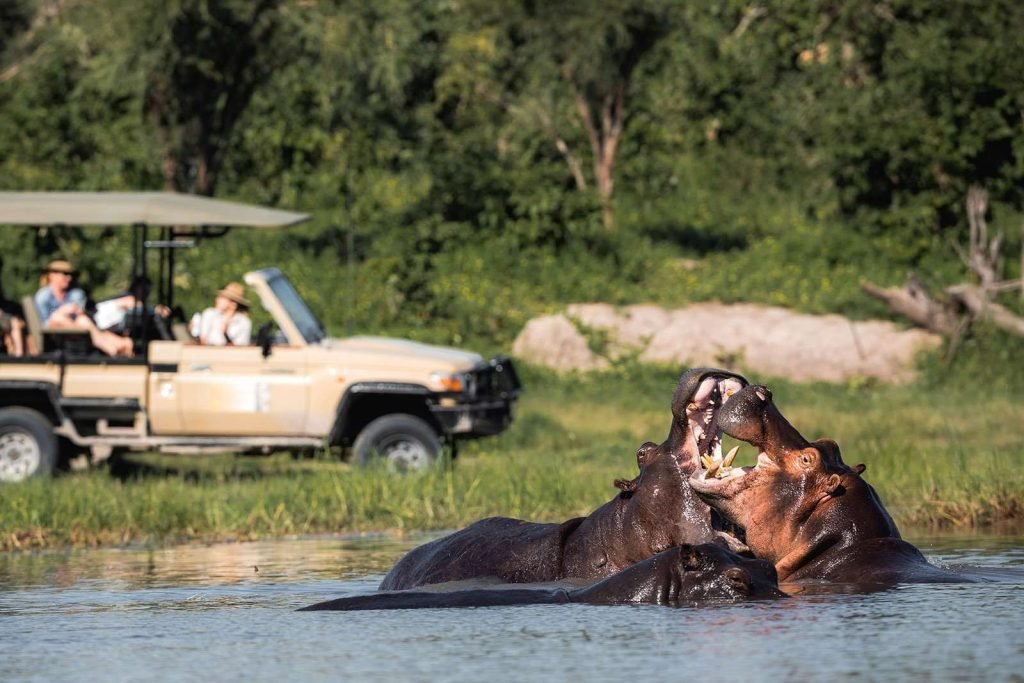
For a more intimate wildlife experience, Lower Zambezi National park is a hidden gem. Located along the mighty Zambezi River, this park offers a range of activities, from game drives to canoe safaris. The river is a lifeline for wildlife, drawing in elephants, hippos, crocodiles, and diverse bird species. Canoeing on the Zambezi is a thrilling way to observe wildlife from a unique perspective, allowing you to get up close to animals along the riverbanks.

The park’s remote and less-visited nature makes it a perfect choice for travelers looking to escape the crowds and immerse themselves in Africa’s wild beauty.

Kafue National Park

As one of the largest national parks in Africa, Kafue National Park offers vast and varied landscapes, from open plains to dense forests. Despite being one of the least commercialized parks in Zambia, Kafue is teeming with wildlife, including lions, leopards, cheetahs, elephants, and over 500 species of birds. The park’s biodiversity and stunning scenery make it an ideal location for those seeking an authentic, off-the-beaten-path safari experience.

Victoria Falls – One of the Seven Natural Wonders

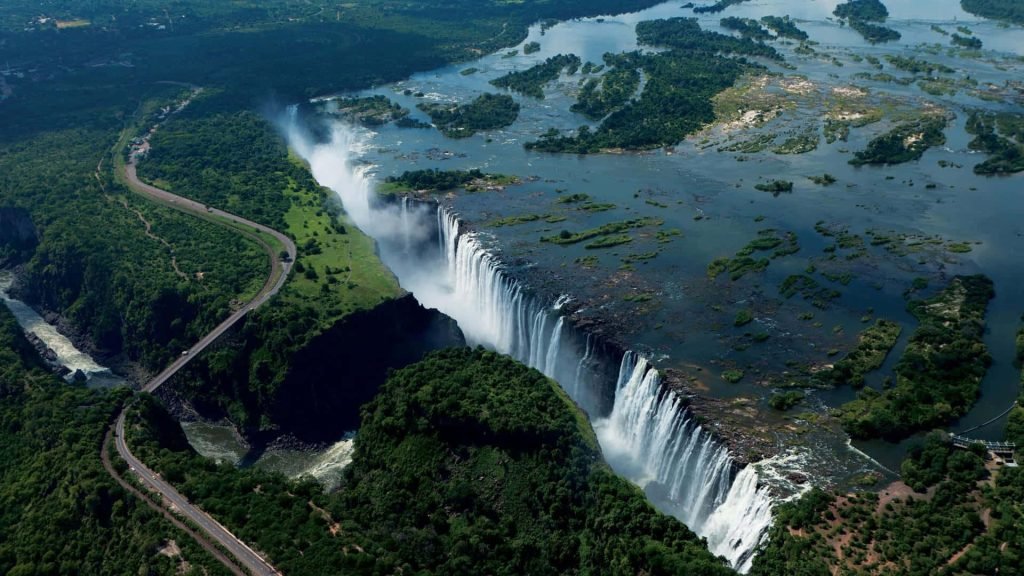
No trip to Zambia is complete without experiencing Victoria Falls, one of the most spectacular natural wonders of the world. Located on the Zambezi River, the falls form the border between Zambia and Zimbabwe and are considered one of the largest and most awe-inspiring waterfalls on the planet.

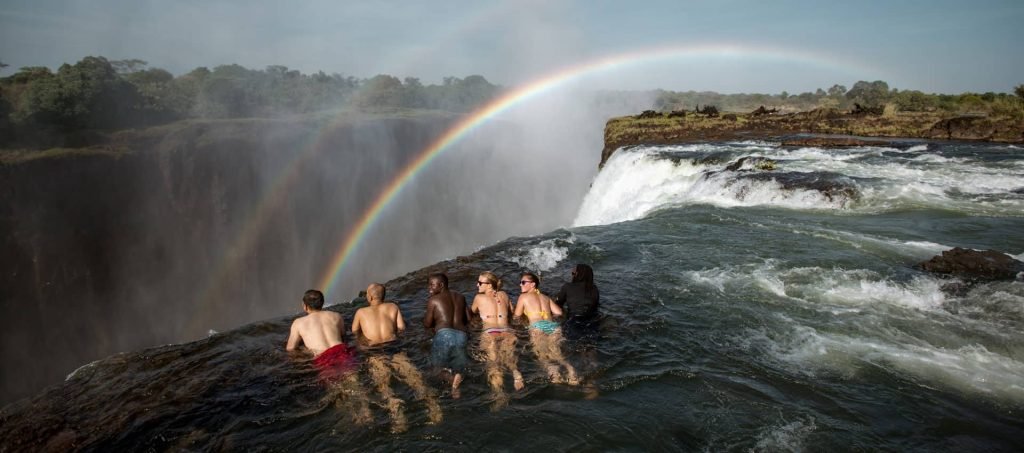
Known locally as Mosi  oa Tunya  (The Smoke That Thunders), Victoria Falls is a UNESCO World Heritage site. While visitors can admire the falls from both Zambia and Zimbabwe, the Zambian side offers a unique perspective, especially for activities such as the Livingstone   Island Tour. Here, visitors can stand at the very edge of the falls, getting an unparalleled view of the thundering water.                                

The surrounding area offers a wealth of activities, from adrenaline-pumping options like bungee jumping, white-water rafting, and helicopter flights, to more relaxed experiences such as sunset cruises on the Zambezi River, where you can spot wildlife and take in the breathtaking scenery.

Rich Culture and Warm People

Beyond its natural wonders, Zambia is a country rich in cultural heritage. Home to over 70 ethnic groups, including the Bemba , Lozi,Nyanya and Tonga , Zambia’s diversity is reflected in its music, dance, language, and festivals. The warmth and hospitality of the Zambian people are legendary, and visitors often leave with a deep appreciation for the country’s culture and traditions.

Zambia’s traditional festivals are a highlight for any visitor. Kuomboka , a colorful festival celebrated by the Lozi people, marks the annual migration from the floodplains of the Zambezi to higher ground. The N’cwala festival, celebrated by the Ngoni people, is a vibrant harvest festival that showcases traditional dance, music, and rituals.

Engaging with local communities and experiencing these cultural festivals offers a deeper, more personal connection to Zambia’s heritage, adding a rich layer to the travel experience.

 Adventure and Outdoor Activities

For travelers who enjoy adventure and outdoor activities, Zambia is a true playground. Whether you’re a thrill-seeker or someone who enjoys immersing themselves in nature, the country offers countless opportunities to explore the great outdoors.

  • Canoeing and Kayaking: The Zambezi River is one of the best places for canoeing and kayaking, providing an exciting way to explore the river and spot wildlife along the way.
  • Fishing: Zambia is famous for its fishing opportunities, especially for tiger fish in the Zambezi River, making it a hotspot for anglers.
  • Hiking and Trekking: Zambia’s rugged terrain offers excellent opportunities for hiking and trekking, particularly around the escarpment and within the national parks.
  • Cultural and Historical Tours: For those interested in Zambia’s rich colonial history, the Copperbelt region and Livingstone offer insights into the country’s past. Visiting local markets, traditional villages, and heritage sites provides a fascinating glimpse into Zambia’s cultural evolution.

BEST TIME TO VISIT ZAMBIA

The best time to visit Zambia is during the dry season, from May to October. During this period, wildlife congregates around waterholes, making it easier to spot animals in their natural habitat. The cooler, drier weather also makes it more comfortable for trekking and exploring the country’s diverse landscapes.

For those visiting to see Victoria Falls in its full glory, the best time is from February to May, after the rainy season, when the falls are at their peak flow and create a spectacular spectacle of water and mist.

Conservation Efforts and Sustainable Tourism

Zambia is deeply committed to wildlife conservation and sustainable tourism. The country’s national parks and private reserves play a critical role in preserving endangered species, such as elephants, rhinos, and wild dogs. With fewer tourists and less commercial development compared to some other African countries, Zambia offers a more authentic, Eco-conscious safari experience.

Many lodges and tour operators in Zambia are involved in community-based conservation projects, helping to protect the environment while benefiting local communities economically.

Self-Drive in Kenya

Self-Drive in Kenya: 4×4 Self-Drive & Car Rental East Africa is ideal for travelers on a self-drive safari in Kenya. Self-driving in Kenya to the Masai Mara National Reserve, Lake Nakuru National Park, Amboseli National Park, and Nairobi National Park. 

Kenya, a country in East Africa, is renowned for its incredible natural beauty, diverse wildlife, and rich cultural heritage.

It has a lot of attractions which have diverse features that are unique and incredible for sight, such as the big five {the lions, rhinoceros, elephants, buffalo, and the leopards } where they feed on the savannah of the parks creating a landscape with a spectacular view.

Kenya, as a country, has five major routes that lead to these parks, such as the Great Rift Valley. The Nairobi, the Aberdare range, the Lake Victoria circuit, and finally the coastal route are the main routes, but the minor routes that help with the migration include the great migration route between the Masai Mara and the Serengeti and then the elephant migration between Amboseli and Tsavo, which are known as the migration routes.

These routes led to different parks and have several attractions such as Lake Turkana, the Kenyan Coast, and the Masai Culture, offering a range of exciting experiences from wildlife viewing and hiking to cultural exploration and relaxation on the beach.

Nairobi National Park

Its located just outside its capital city, it’s a home to a wide variety of wildlife including lions, leopards and rhinos and zebras. It was established in the year of 1946 making it one of the oldest national parks with its original size as 57 square kilometers .the park was established to protect the wildlife and natural habitat of the area which was under threat form urbanization and agriculture.

The park’s terrain is diverse featuring grasslands ,forests, and rocky outcrops and it has a climate of subtropical with two rainy seasons from March, May, November to December and the two dry seasons.

It has a number of fun activities to do such as boat ride ,hot air balloon ,picnicking ,scenic views and walking safaris

Masai Mara National Reserve

It’s one of Africa’s most famous wildlife reserve known found in the South Western part of Kenya boarding Tanzania’s Serengeti national park ,  its famous wildlife reserves ,abundant lions ,leopards ,elephants ,and annual wildebeest migration which makes it iconic.

The reserve covers approximately an area of 1,510 square kilometers, featuring rolling hills, grasslands, and riverine forests.

It experiences a subtropical climate with two rainy seasons from March to May and from November to December, and two dry seasons. It has a lot of activities to do, such as the indigenous community of the Masai people that have lived in harmony with the reserve’s wildlife for centuries, their traditional way of life e, and the community-based tourism, the game drives, walking safaris, hot air balloon s rides, and the cultural visits.It has several things that add up to the fun adventure, such as the grasslands and forests, rivers and streams, with the climate

Amboseli National Park

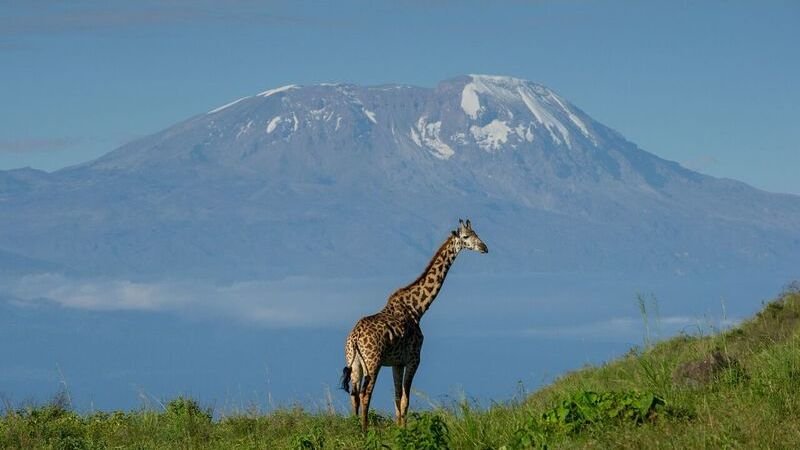
This park is located in Southern Kenya and is known for its renowned stunning natural beauty, diverse wildlife, majestic views of Mount Kilimanjaro, and role in the Great Migration and the abundant wildlife, including the Big Five, Zebras, giraffes, among others.

The park is also diverse in savannahs, grasslands, and rocky outcrops. It experiences a climate of subtropical climate with two rainy seasons from March to May and November to December, and two dry seasons.

Tsavo National Park

It’s one of the famous national parks and the largest protected areas in Kenya divided into Tsavo East and Tsavo West found in the South Western Part of Kenya near the Tanzanian boarder.

The park is diverse featuring savannahs, grasslands and rocky outcrops due to the subtropical seasons from the month of March, May, November and December and the two dry seasons which have the most captivating wildlife such as the big five, giraffes, hyenas and zebras

Lake Nakuru national Park

 This park is located in the Rift Valley of Kenya this stunning park is  renowned for its  shallow ,alkaline lake that attracts vast flocks of flamingoes  that cover about 40 square kilometers , estimated 160kilometers northwest of Nairobi ,experiences subtropical climate with two rainy seasons form March to May and November to December and the two dry seasons.

It has a name for having the most famous wildlife, such as the flamingoes, which are pink with over 1million birds congregating on the lake shores,the big five, giraffes ,zebras ,hyenas, and over 400 species of birds. It has a number of activities such as the game drives, bird watching, hiking and trekking  and scenic views .  

Best Self-Drive Destinations in Africa 2027

Africa as a continent has a lot to offer to travelers planning to overland within Africa, including starting from southern Africa to Eastern Africa with a reliable Land Cruiser jeep from the experts who have been leading overland expeditions to explore wildlife, mountains, and primates in tropical rainforests.  The team of 4wdAfrica has reviewed the best destinations to self-drive in Africa if you’re looking for long independent trips while in Africa.  Enjoy the scenic view of the landscapes, Wildlife & cultural. All these destinations are unique from one another, and they offer classic road trip experiences in Africa.

  1. South Africa
  2. Namibia
  3. Uganda
  4. Tanzania
  5. Kenya
  6. Malawi
  7. Botswana
  8. Rwanda
  9. Zambia
  10. Ethiopia

Find the complete list of the destinations to explore on an overland trip to Africa with primate trekking experiences included to see the gorillas, Monkeys and Chimpanzees in the wild.

Self-Drive in Tanzania – Road Trip Africa

Tanzania is located in East Africa and is recommended to self drive travelers who wish to explore the Big Five on their own adventure in Africa. Because it has the best spots for wildlife watching within the region, without forgetting the Serengeti National Park, which is part of the Masai Mara National Reserve for wildebeest migration that is seasonal in nature.

 If your a beach lover then considering starting your adventure in Dar es salaam to advance to Zanzibar islands and then start the wildlife watching in the southern parks without a miss to Visit Selous National Park, sadaani national park , Mikumi national Park , never miss the lake Victoria drive to mwanza town located north of Serengeti National Park to top notch destination loved by tourists who decide to explore Tanzania.

Tanzania is well blessed with over 25 national parks, and an overland adventure to Tanzania can take 30+ days to explore all the destinations in your camper van rented with 4wd Africa.

Uganda – The Pearl of Africa

If your a primate lover then Uganda is ranked as the best destination to see the gorillas , Chimpanzees and Golden monkey while on Self drive holiday in Africa.

 Uganda offers exceptional Primate Trekking and scenery of Kidepo Valley National Park in the far northern Uganda for an ultimate wildlife watching experience. With over 10 National Parks where by the notable highlights encompass:

Bwindi Impenetrable National Park. Well-known destination for gorilla trekking in Uganda and Habituation experiences in Rushaga Sector.

Queen Elizabeth National Park. Popularly known for the tree-climbing lions, which are only available in Uganda and Lake Manyara National Park, Tanzania. Experience these cats on an Overland Safari in Uganda on a road trip.

Murchison Falls National Park. Discover the majestic waterfalls and observe the diverse wildlife that thrives along the Victoria Nile.

The tourism connecting roads have been improved, and this is a great achievement for the self-drive holiday adventurers in Uganda to see a lot on a single trip into the Pearl of Africa in 4×4 Land Cruisers with camping gear.

Botswana (The Wild Frontier): For experienced travellers, Botswana presents an exceptional self-drive safari opportunity. The nation’s secluded terrains necessitate meticulous preparation, yet the benefits are unparalleled. Notable self-drive locations include.

Okavango Delta. While the Moremi Game Reserve is ideally experienced by boat, it is also accessible to those who choose to drive themselves, offering remarkable opportunities for wildlife encounters.

Chobe National Park. This park is recognized for its substantial population of elephants and features tracks that are suitable for self-driving.

Makgadikgadi Pans. Traverse vast salt flats and discover distinctive species adapted to desert conditions.

Navigating Botswana independently necessitates proficiency in off-road driving and a properly outfitted 4×4 vehicle, particularly during the rainy season. Self-drive arrangements guarantee that travellers are provided with satellite phones for emergency situations.

Kenya (The Heart of East African Safari)

Kenya presents a variety of landscapes, ranging from savannahs to highlands, establishing it as an exhilarating destination for self-driving adventures. Notable locations to discover include:

Masai Mara National Reserve. Traverse expansive grasslands abundant with both predators and herbivores.

Amboseli National Park. Experience the thrill of driving independently against the stunning backdrop of Mount Kilimanjaro, all while observing majestic herds of elephants.

Samburu National Reserve. A wildlife destination that is less frequented yet offers significant rewards, featuring distinctive species such as the reticulated giraffe.

Kenya boasts an expanding network of quality roads; however, a 4×4 vehicle is advisable for navigating national parks and remote regions. Self Drive provides well-maintained vehicles accompanied by extensive insurance coverage for enhanced safety.

South Africa (A Self-Drive Haven)

South Africa features an extensive and well-maintained road infrastructure, positioning it as one of the safest and most accessible countries for self-driving. Key destinations include:

Garden Route. A scenic coastal route that extends from Mossel Bay to Storms River, showcasing lush forests, beautiful beaches, and a variety of adventure activities.

Kruger National Park. One of the premier self-drive safari parks in Africa, featuring the Big Five and an extensively marked road network.

Drakensberg Mountains. Scenic pathways guide travellers to remarkable hiking trails and sites of cultural significance.

Featuring a combination of paved highways and unpaved roads, South Africa is an ideal destination for both seasoned road trip aficionados and novice self-drivers. Self Drive offers GPS-equipped vehicles to assist travellers in navigating their journeys safely.

Namibia (The Land of Endless Horizons)

Namibia offers an ideal environment for self-driving enthusiasts, characterized by expansive roads, low traffic density, and breathtaking scenery. The carefully maintained gravel roads facilitate the exploration of renowned landmarks, including:

Etosha National Park. Experience a journey through one of Africa’s most remarkable wildlife reserves, where waterholes draw in elephants, lions, and rhinoceroses.

Sossusvlei & Deadvlei. Explore the majestic red dunes of the Namib Desert, featuring the renowned Dune 45.

Skeleton Coast. Discover haunting shipwrecks and rugged shorelines in this secluded area.

Namibia is perfectly suited for both novice and seasoned self-drivers, with 4×4 vehicles strongly advised for navigating its expansive landscapes. Self Drive provides well-maintained off-road vehicles that come equipped with emergency kits to ensure safety.

Chimpanzee Tracking in Kalinzu Forest

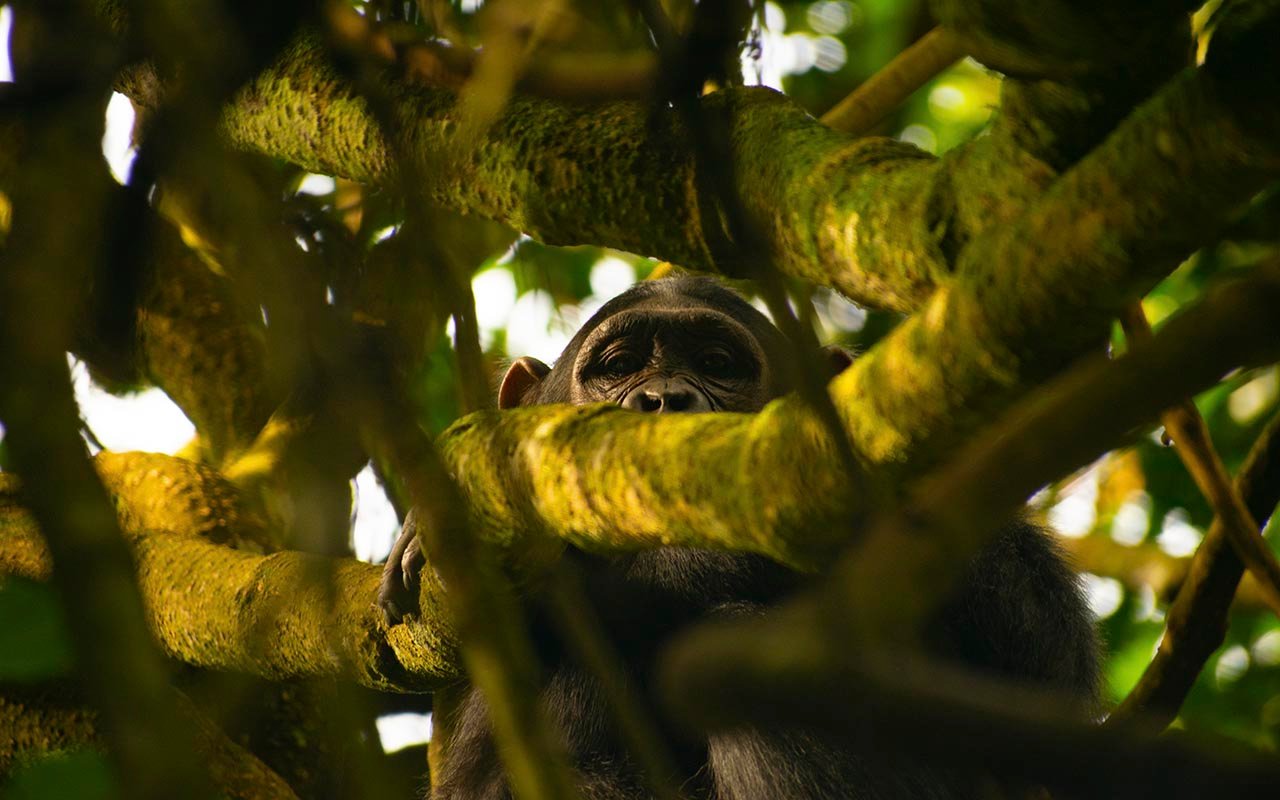
Kalinzu Forest Reserve in Western Uganda is home to the stunning and biodiverse Kalinzu Forest Reserve, a tropical rainforest. It is a component of the larger Albertine Rift, which is renowned for its breathtaking scenery and abundant wildlife. Due to its proximity to Queen Elizabeth National Park, Kalinzu is a well-liked vacation spot for those who enjoy the outdoors and wildlife.

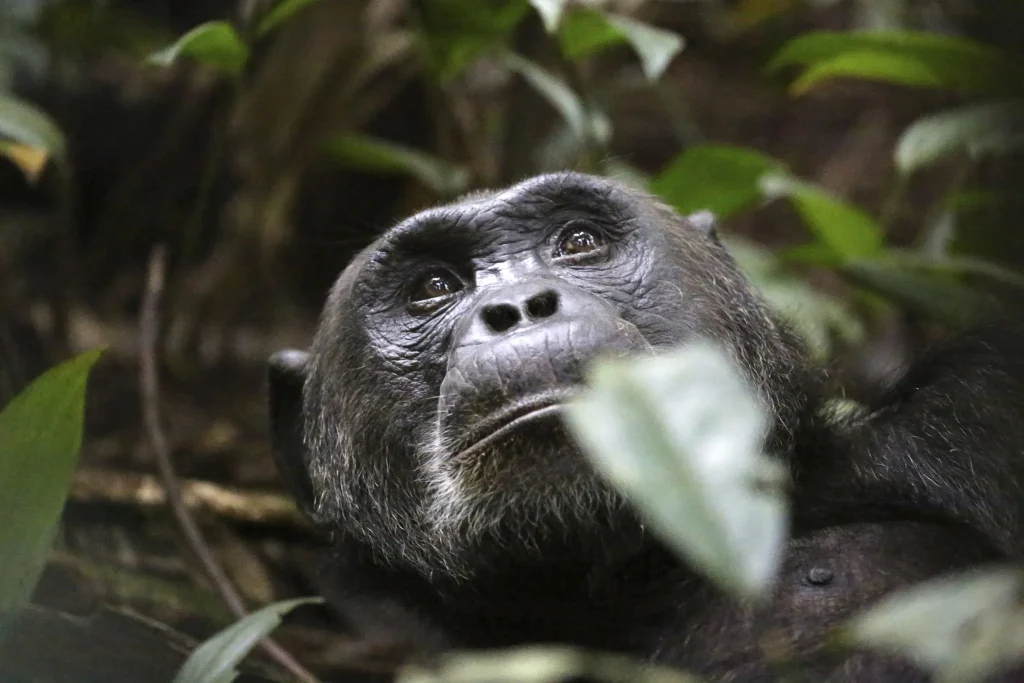
The 147-square-kilometer Kalinzu Forest is well-known for its amazing fauna, particularly its chimpanzees, as well as its verdant surroundings, picturesque hiking routes, and breath-taking vistas of the nearby hills and valleys.

The National Forestry Authority (NFA) of Uganda oversees the forest, which is an essential location for tourist and conservation.

Facts about Kalinzu Forest 

Kalinzu Forest Reserve is a hidden treasure in Uganda, offering a perfect mix of adventure, wildlife, and natural beauty. Its lush landscapes, fascinating wildlife, and thrilling activities make it an ideal destination for anyone seeking a unique and peaceful experience in nature.

Whether you’re tracking chimpanzees, hiking through the forest, or enjoying the stunning views, Kalinzu Forest promises unforgettable memories. It’s a place where nature lovers, adventure seekers, and wildlife enthusiasts can connect with the wonders of the natural world. For an affordable and enriching experience, Kalinzu Forest Reserve is a must-visit destination in Uganda.

Background of Kalinzu Forest Reserve

Kalinzu Forest has been a significant natural environment for both people and wildlife. Local communities have long relied on the forest for supplies including food, medicine, and firewood.

The conservation value of Kalinzu Forest has drawn attention in recent decades. To stop destruction and safeguard its distinct environment, it was turned into a protected reserve under the National Forestry Authority’s administration. Kalinzu is now a major scientific hub, particularly for the study of primates, including chimpanzees.

Kalinzu Forest Reserve Zones

Chimpanzee Tracking Zone: This is the most popular area where tourists come to track habituated chimpanzees.

Hiking Trails: Kalinzu has several marked trails that take visitors deep into the forest, offering opportunities to see wildlife, birds, and beautiful plants.

Viewing Points: The forest has viewpoints on its higher ridges, providing stunning panoramic views of Queen Elizabeth National Park, the Rwenzori Mountains, and Lake Edward.

Conservation Zone: This area is reserved for preserving the natural forest and its wildlife.

Things to do in  Kalinzu Forest Reserve

Kalinzu Forest offers a variety of activities that allow visitors to explore its natural beauty and experience its wildlife up close.

Chimpanzee Tracking

The most popular activity in Kalinzu Forest is tracking chimpanzees. To see habituated chimpanzees in their natural environment, visitors can go on guided treks. Your guide will teach you about the behavior of the chimps as you stroll through the forest, listening for their calls.

You can watch the chimpanzees play, eat, groom, and interact with one another for up to an hour after you locate them. Seeing these gregarious and intelligent creatures in the wild is a thrill that will never be forgotten.

Cost: $130 per person for a chimpanzee tracking permit.

Nature Walks and Hiking

Kalinzu Forest has several well-maintained hiking trails that cater to all fitness levels. These trails take you through different parts of the forest, offering opportunities to see wildlife, birds, and stunning landscapes. Some popular trails include:

Waterfall Trail: This trail leads to a beautiful hidden waterfall deep in the forest.

Ridge Trail: A scenic trail that offers incredible views of the surrounding area.

Palm Trail: A shorter trail ideal for those looking for a quick nature walk.

Bird watching

Bird enthusiasts will find Kalinzu Forest a paradise. The forest’s rich birdlife makes it an excellent spot for birdwatching. With the help of a knowledgeable guide, you can spot rare and colourful species that are unique to the area.

Cultural Experiences

Kalinzu Forest is surrounded by local communities that have strong cultural ties to the forest. Visitors can take part in cultural tours to learn about traditional practices, such as using medicinal plants and making crafts.

Best Time to Visit Kalinzu Forest

Kalinzu Forest can be visited year-round, but the best time is during the dry seasons, which run from June to August and December to February. During these months, the forest trails are less muddy, making it easier to track chimpanzees and enjoy hikes.

The rainy seasons (March to May and September to November) bring lush greenery and vibrant birdlife but can make trekking more challenging due to slippery trails.

Costs of Activities in Kalinzu Forest

Chimpanzee Tracking Permit: $130 per person.

Nature Walks and Hiking: $10 to $20, depending on the trail.

Birdwatching: $30 per person for a guided tour.

Cultural Tours: $15 to $20 per person.

Conservation Efforts in Kalinzu Forest

Kalinzu Forest is a protected reserve, and its conservation is essential for preserving its unique biodiversity. The National Forestry Authority (NFA) works closely with local communities to ensure that the forest is managed sustainably. Income from tourism activities, such as chimpanzee tracking and hiking, supports conservation programs and provides benefits to the surrounding communities.

Pian Upe Game Reserve

Pian Upe National Park stands out as one of Uganda’s most extraordinary yet relatively undiscovered national parks, providing some of the most thrilling safari experiences in the country. Situated in the northeastern region of Uganda, Pian Upe is an integral part of the expansive Kidepo Valley Ecosystem. Spanning an area of 2,788 square kilometers, it ranks as Uganda’s second-largest national park. Although it may not enjoy the same level of fame as renowned parks such as Murchison Falls or Queen Elizabeth, Pian Upe presents visitors with a distinctive chance to engage with Uganda’s wildlife and stunning landscapes in a tranquil and less populated setting.

This concealed treasure serves as a sanctuary for wildlife enthusiasts and adventurers in search of a genuine safari experience. Pian Upe is inhabited by a diverse array of animals, including cheetahs, kudus, giraffes, and numerous bird species. With its expansive savannahs, acacia trees, and breathtaking hills, the park offers a peaceful environment for nature enthusiasts to discover.

History of Pian Upe National Reserve

Pian Upe National Park is situated in the Karamoja Region of northeastern Uganda, nestled between the Kidepo Valley and the Mountains of the Moon, which makes it a prime location for observing wildlife. The park can be conveniently reached from Moroto Town, approximately a 3-4-hour drive from the capital, Kampala.

This national park encompasses a variety of habitats, including savannah grasslands, woodlands, semi-arid areas, and scattered tropical forest patches. Additionally, it features mountainous regions and numerous waterholes that serve as vital resources for wildlife during the dry season.

The park’s varied landscapes offer numerous opportunities for safari activities. Its expansive plains are ideal for game drives, while the mix of grasslands and woodlands provides a suitable environment for a diverse range of animal species. Pian Upe National Park is an outstanding destination for travellers seeking to experience Uganda’s wildlife in a more natural and less commercialized environment.

Pian Upe was initially established as a game reserve in 1964 and was officially designated as a national park in 1993. The primary purpose of creating the park was to safeguard the area’s rich biodiversity and distinctive ecosystems, particularly the substantial populations of game animals and birds that flourish in the region.

For many years, the park remained relatively obscure, with limited conservation initiatives. However, in recent times, the Uganda Wildlife Authority (UWA) has prioritized enhancing tourism within the park and upgrading its infrastructure. This focus has enabled visitors to uncover the region’s hidden splendor while simultaneously aiding in the conservation of its wildlife.

Additionally, the park is inhabited by local communities, including the Karimojong people, who have resided in the area for centuries. These communities are semi-nomadic and traditionally engage in cattle farming. Their culture and lifestyle are intricately connected to the park, offering visitors the opportunity to explore their rich traditions and customs through cultural experiences.

Best Time to Visit Pian Upe Game Reserve 

The optimal period for visiting Pian Upe occurs during the dry season, which spans from June to September and from December to February. In these months, the climate is more conducive to outdoor pursuits such as game drives, and wildlife sightings are enhanced as animals congregate around water sources.

Conversely, the rainy season, lasting from March to May and October to November, transforms the landscape into a verdant paradise, although certain roads may become challenging to traverse. Nevertheless, this season is particularly favourable for birdwatching, as the presence of migratory birds increases significantly during this time.

Wildlife Animals Pian Upe Game Reserve

Pian Upe National Park serves as a sanctuary for wildlife, boasting a diverse array of animal and bird species. This park is a refuge for numerous species that are considered rare or endangered within Uganda. Among the prominent wildlife species found here are:

Mammals : The park is home to a wide range of mammals, including:

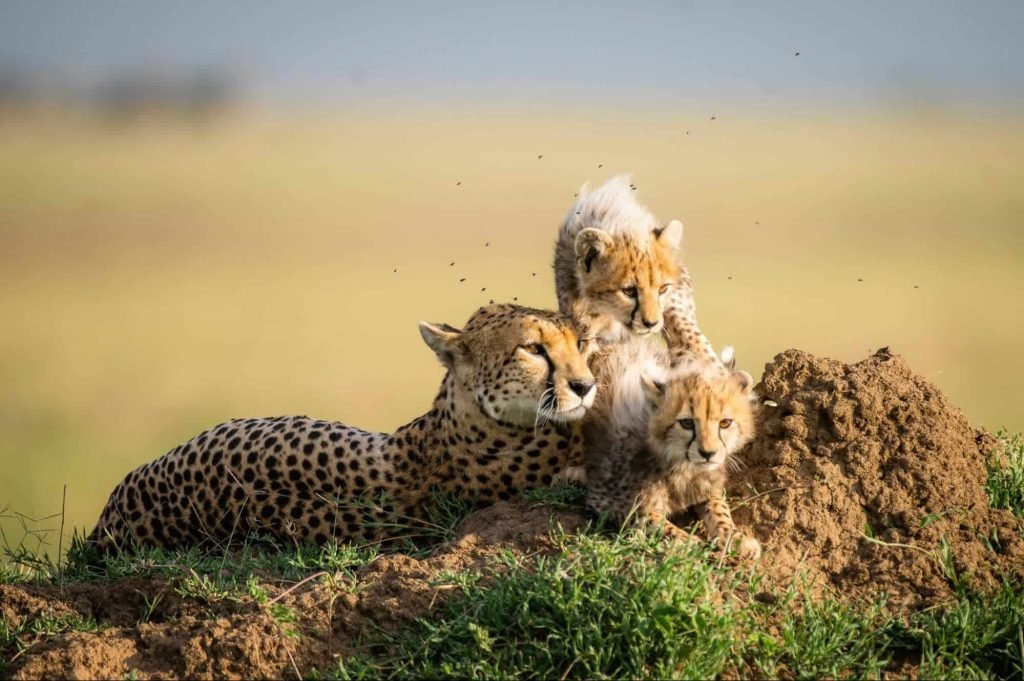
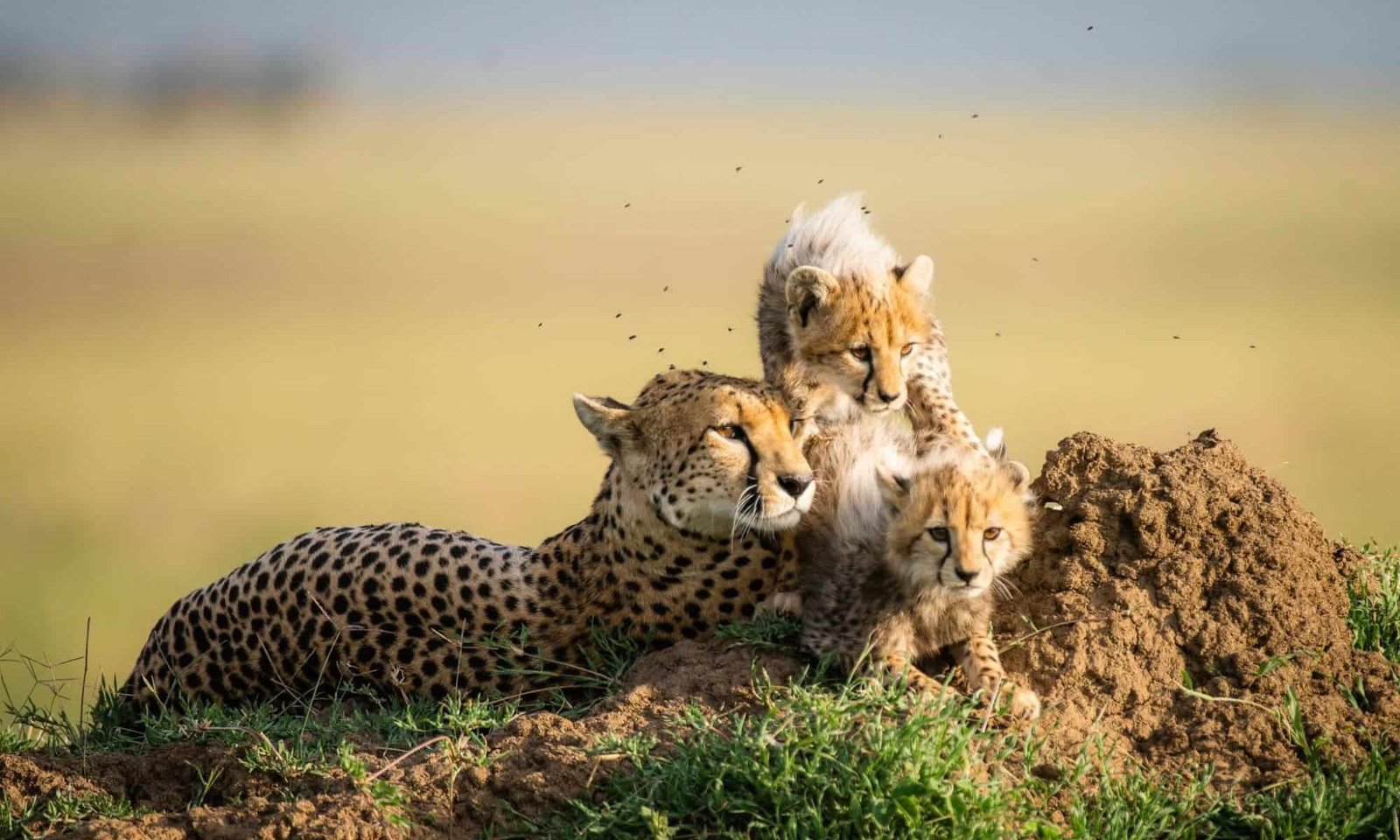
Cheetah: Pian Upe is among the rare locations in Uganda where cheetahs can be observed. These elegant hunters are a prominent attraction within the park.

Giraffe: Giraffes roam the plains of Pian Upe, and visitors can often see them browsing on trees.

Kudu: The park is home to Greater Kudu, a species of antelope with beautiful spiralled horns.

Zebra: There are also plenty of zebras in the park, which can be seen grazing across the grasslands.

Elephants: Although not as numerous as in other parks, elephants can occasionally be seen roaming Pian Upe.

Hyena: Pian Upe is among the rare locations in Uganda where cheetahs can be observed. These elegant hunters are a prominent attraction within the park.

Buffalo: You can also find buffalo herds in the park.

Warthogs and impalas are common sights as well.

Birdlife: Pian Upe serves as an ideal destination for birdwatching enthusiasts, boasting over 300 recorded bird species within the park. Among the remarkable bird species found here are:

Kori Bustard: A large bird that is often spotted in the savannah.

Secretary Bird: Known for its long legs and hunting ability.

Crowned Crane: Uganda’s national bird, which can sometimes be seen in the park.

Vultures: The park is home to several species of vultures, which are often seen scavenging for food.

Falcons and eagles are also common in the park.

African Pack Guide

If you’re planning a road trip as a beginner, get the best national parks of Africa to explore Big wildlife in top national parks of Serengeti, Masai Mara, Estoha, Kruger National Park & primate  National Parks like Volcanoes National Park, Bwindi Impenetrable, Mahale National Park and many more.

Visiting Africa’s national parks is a once-in-a-lifetime experience that immerses you in stunning natural beauty, abundant wildlife, and unique ecosystems. However, for beginners, the sheer number of choices, diverse environments, and the logistics of a safari can be daunting.

In this guide, we’ll look at each of the National Parks, explaining the best time to visit and highlights to help first-time visitors make the best choice for them. Also included is information on how to make the most out of your trip, covering everything from selecting the packing essentials, accommodation options, and safety tips.

Africa is home to dozens of iconic national parks, each offering something different. Your choice will depend on what you want to see, when you are planning on traveling, and the level of comfort and adventure you are seeking.

  1. Masai Mara Game Reserve
  2. Serengeti National Park
  3. Kidepo Valley National Park
  4. Kruger National Park
  5. Amboseli National Park
  6. Chobe National Park
  7. Bwindi Impenetrable National Park
  8. Lake Manyara National Park
  9. Nyerere National Park
  10. Ruaha National Park

Uganda National Parks

Uganda is often referred to as the “Pearl of Africa” due to its lush landscapes, diverse wildlife, and breathtaking natural beauty. The country boasts several incredible national parks that offer everything from safaris to mountain treks. Here are some of the top national parks in Uganda: Bwindi Impenetrable National Park, Queen Elizabeth National Park, Murchison Falls National Park, Kibale National Park, Lake Mburo National Park, Rwenzori Mountains National Park, Semliki Wildlife Reserve, Mgahinga Gorilla National Park, Ziwa Rhino Sanctuary

Best Time to Visit

  • Dry Season (December to February & June to September) is the best time to visit for wildlife sightings, as animals gather around water sources and the weather is conducive to safaris.
  • Rainy Season (March to May & October to November): While the parks are quieter and lush, some roads may be difficult to navigate, and trekking can be more challenging.

Botswana National Parks

Botswana is one of Africa’s premier safari destinations, known for its pristine wilderness and abundance of wildlife. The country’s national parks and reserves provide diverse landscapes ranging from the vast, arid Kalahari Desert to lush wetlands like the Okavango Delta. Here’s a rundown of the top national parks and wildlife areas in Botswana: Okavango Delta, Chobe National Park, Makgadikgadi Pans National Park, Moremi Game Reserve, adi Transfrontier Park, Nxai Pan National Park, Central Kalahari Game Reserve, Tsodilo Hills, Khutse Game Reserve, Tuli Block (Private Reserves)

Best Time to Visit

  • Dry Season (May to October) is the best time to visit for wildlife viewing, as animals tend to congregate around water sources, and the vegetation is thinner, making it easier to spot animals. This period also offers the most comfortable weather, as temperatures are milder.

Tanzania National Parks

Tanzania is home to some of Africa’s most famous and beautiful national parks. The country’s diverse landscapes, rich wildlife, and vibrant ecosystems make it a premier destination for nature lovers and wildlife enthusiasts. Here are some of the top national parks in Tanzania:

Serengeti National Park, Ngorongoro Crater (Ngorongoro Conservation Area), Tarangire National Park, Lake Manyara National Park, Selous Game Reserve (now Nyerere National Park), Mahale Mountains National Park, Gombe Stream National Park, Kitulo National Park, Saadani National Park.

Best Time to Visit

  • Dry Season (June to October) is the best time to visit most parks, especially Serengeti and Ngorongoro, as wildlife tends to congregate around water sources, making game viewing easier.

Namibia National Parks

Namibia is a land of striking contrasts, from the vast, desolate beauty of the Namib Desert to the rugged mountains and lush wetlands of its national parks. The country’s parks are known for their dramatic landscapes, diverse wildlife, and rare, unique experiences. Here’s a list of the top national parks in Namibia: Etosha National Park, Namib-Naukluft National Park, Skeleton Coast National Park, Caprivi Strip (Zambezi Region), Fish River Canyon, Waterberg Plateau Park, Kaokoland and Damaraland, Daan Viljoen Game Park.

Best Time to Visit

  • Dry Season (May to October): The best time to visit most parks for wildlife viewing, as animals gather around waterholes and the vegetation is thinner, making it easier to spot them. The weather is cooler during this period, particularly in the desert regions.

Kenya National Parks

Kenya is a country rich in wildlife, stunning landscapes, and diverse ecosystems. With a mix of savannahs, wetlands, forests, and mountains, Kenya’s national parks and reserves offer some of the best safari experiences in the world. Here’s a list of the top national parks in Kenya: Masai Mara National Reserve, Amboseli National Park, Tsavo National Park (Tsavo East and Tsavo West), Lake Nakuru National Park, Samburu National Reserve, Nairobi National Park, Aberdare National Park.

Best Time to Visit

  • Dry Season (June to October): This is the best time for game viewing as the animals tend to congregate around water sources. The weather is also cooler, making it more comfortable for safaris.

South Africa National Parks

South Africa is a top-tier safari destination with a diverse range of national parks, each offering unique landscapes and wildlife experiences. From the iconic Kruger National Park to the coastal beauty of Table Mountain, the country boasts some of the best wildlife conservation areas in the world. Here’s a breakdown of the top national parks and reserves in South Africa: Kruger National Park, Addo Elephant Park, Table Mountain National Park, Royal Natal National Park, Hluhluwe-iMfolozi Park, Kgalagadi Transfrontier Park, Golden Gate Highlands National Park, Addo Elephant National Park, Cederberg Wilderness Area

Best Time to Visit South Africa’s National Parks:

  • Dry Season (May to September) is The best time for wildlife viewing, especially in Kruger and other safari parks, as animals gather around waterholes and are easier to spot. The weather is cooler, making it more comfortable for safaris

Uganda Gorilla Habituation

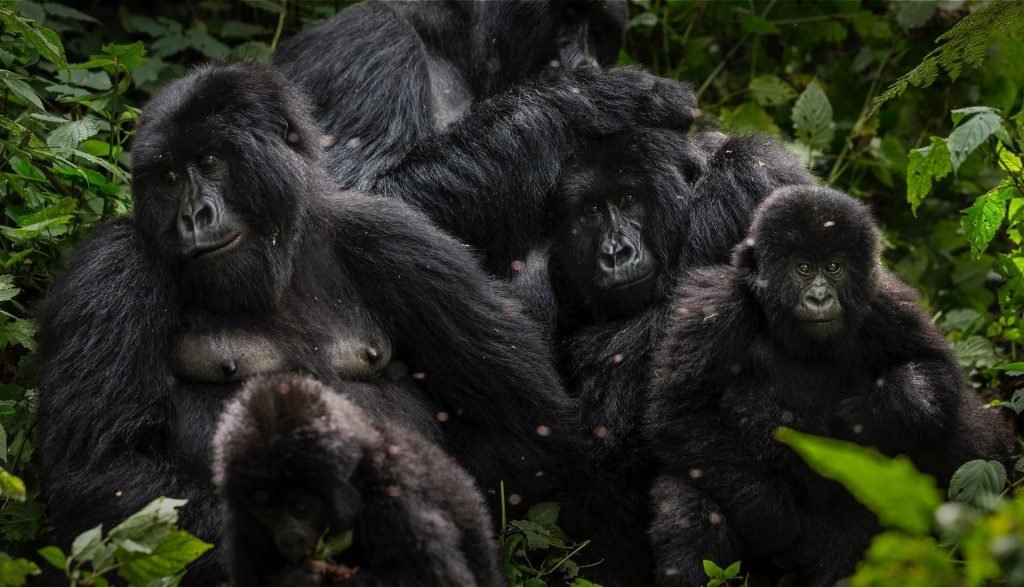
Self-Drive Uganda Gorilla Habituation Safari gives you encounters with the Gorillas of Bwindi Rushaga at US $1500 per person. Watch the Gorillas for 4 hours on your self-drive Uganda Gorilla Habituation Experience safari in groups of 4 with knowledgeable researchers and guides. 

Gorilla Trek Uganda with Self Drive Africa.

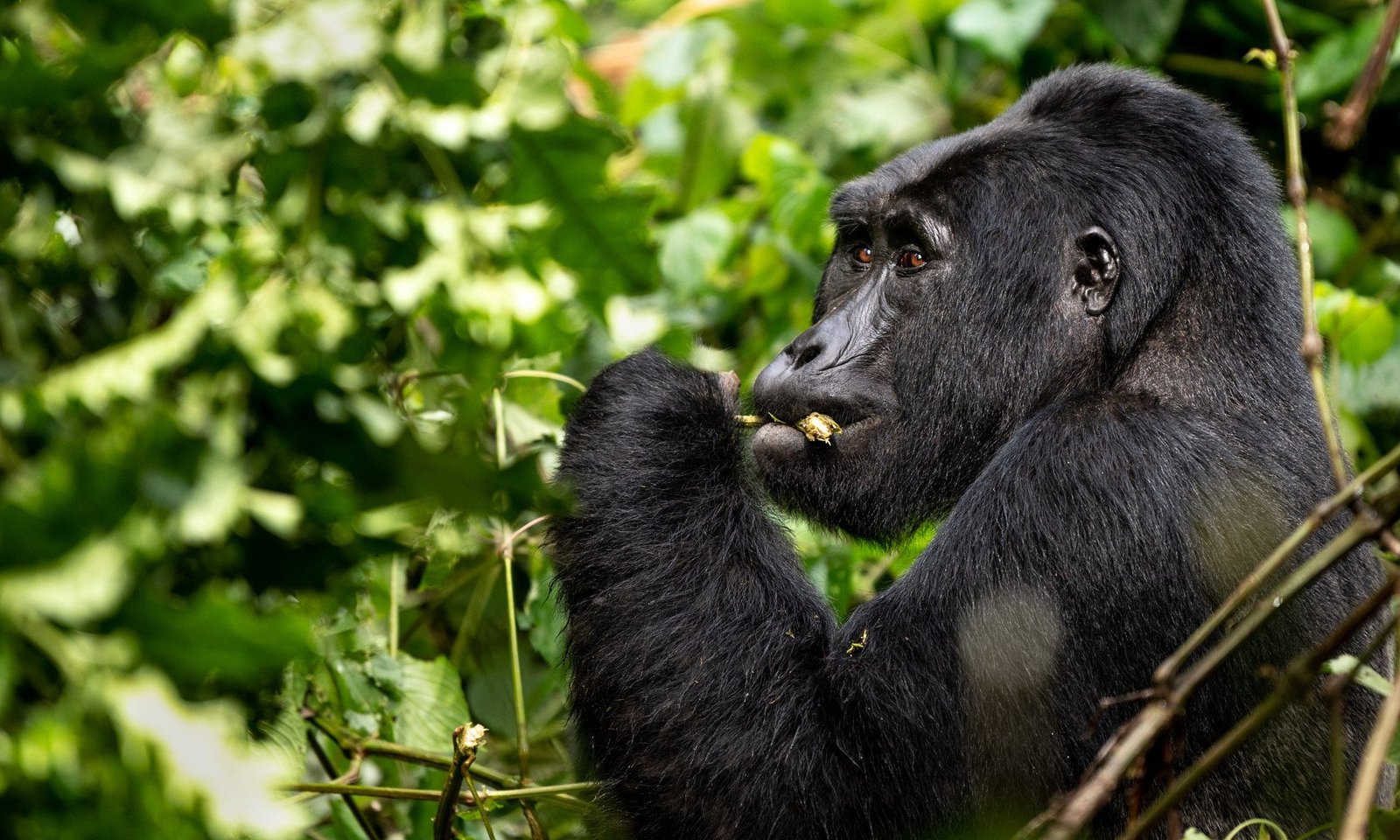
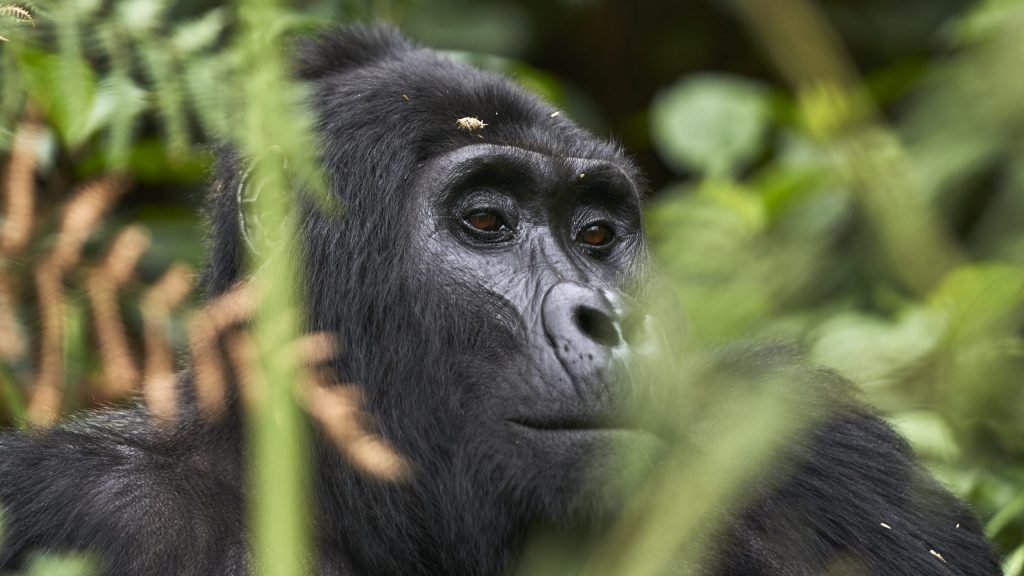
Gorilla habituation in Uganda offers a unique opportunity to spend time observing mountain gorillas in their natural environment. This experience allows visitors to get close to these incredible animals and learn more about their behaviors and daily lives.

Where habituation is done

Bwindi Impenetrable National Park is in the southwest of Uganda near the northern border of Rwanda. This park is larger and more popular of the two habitats, and it’s also the home of the Gorilla Habituation Experience.

The park is divided into four sectors for gorilla trekking, spread across 331 square kilometers of dense forest. The sectors are Buhoma, Ruhija, Nkuringo, and Rushaga, with each sector housing multiple gorilla families. Despite Buhoma being the most popular sector, as the treks are less strenuous and the gorilla families are easier to find here, the Gorilla Habituation Experience only takes place in the Rushaga sector, located in the south of Bwindi Impenetrable National Park, and visitors can trek through the thickets, following expert guides and scouts to find the gorilla families.

What to expect during gorilla habituation

The first part of the experience involves a trek into the forest with guides and scouts, which can take up to 6 hours or more, depending on the location of the gorillas.

The most obvious sign you’re getting close to a gorilla family is finding their nest from the previous night. Once the gorillas are located, you will have up to 4 hours to observe them closely.

This is a rare opportunity to witness how gorillas interact in their family groups. It’s important to note that spending 4 hours with the gorillas can feel long, especially for those with short attention spans, so it’s important to be prepared for the full day of trekking and observation. As you watch the gorillas interact, you’ll notice many similarities to humans, which can be both striking and humbling.

The Age limit for gorilla habituation in Uganda

The minimum age for participating in the gorilla habituation experience is 15 years old.

This age limit ensures that visitors are physically capable of trekking through the forest and are able to respect the safety and rules around interacting with the gorillas.

Cost of habituation permits in Uganda

To take part in the gorilla habituation experience, visitors need to purchase a permit at USD 1,500 due to the extended time spent with the gorillas.

Best time to visit

The best times to visit Bwindi are during the two dry seasons: from June to August and from December to February. During these months, the weather is typically pleasant with temperatures ranging between 20-25°C.

However, showers can happen at any time of year, so visitors should always be prepared for rain. The wet season (March to May) sees the heaviest rainfall, which can make trekking more challenging but also offers clearer air for photography, with mist and rain creating a moody atmosphere around the park.

What to pack

As you go for gorilla habituation in the Bwindi Rushaga sector, you must prepare for the damp weather in the national park. This packing list is effective for not only travelers to Bwindi Impenetrable Forest National Park but also other gorilla parks in East Africa. Here’s a list of essentials for your gorilla habituation experience.

  • Have some insect repellents because there are mosquitoes, wasps and other insects in the jungles. You’ll need to carry it on the gorilla trek so you can keep smearing it on your skin or hands to keep insects away.
  • Have a first aid kit. You never know what might happen to you while trekking to see gorillas. A small cut, bruise, or injury in the middle of the forest can easily become infected, so it’s advisable to have bandages, cotton, or wax to wrap around any cut or injury.
  • Pack a sun screen in case you’re not comfortable with too much sunlight during the dry season. Likewise, a hut will also protect you from direct sun rays.
  • You need a camera to photography gorillas, so take extra batteries, lenses and their water proof cover.
  • Warm jackets or sweaters can be put on during cold morning.
  • Pack enough drinking water, energy drinks, and food. Once you’ve set off from the gorilla trekking centers, you have no place to get eats and drinks. Usually, your lodge prepares lunch boxes. Gorillas also move frequently in the forest, and it can take 30 minutes or more than 8 hours to locate them. We recommend tourists speak to their guides at the start of the gorilla trek about their trekking capacity and fitness levels.
  • Once you do that, you’ll be allocated to gorilla families that easy to reach and avoid disappointment.
  • Hiking boots are essential over steep mountainous terrain between 2400 and 4500 meters above sea level in Volcanoes National Park and Mgahinga Gorilla Park. The Bwindi Mountains have thick vegetation. Boots should cover up your ankle borne; add on long wool stockings and gaiters for protection since you go through deep muddy trenches, river and sharp thorny bushes can be harmful without protection.
  • Pack garden gloves to protect your hands. Caterpillars or insects can harm your hands when hiking in the forest. Grab a walking stick, muddy trails will inevitably make you hold against tree branches or grass for support.
  • Breathable rain jackets or poncho are very important to have on a gorilla trek to prevent you from getting wet and also protect your camera equipment. Rain is highly unpredictable in the gorilla parks whether it’s a dry season or not.
  • Wear long pants that dry quickly to protect your legs from thick plants, nettles, and thorns. Tuck the pants into your boots to stop ants and leeches from getting inside.
  • Pack long-sleeved shirts or sweaters in nature-friendly colors. When searching for gorillas, you’ll go through thick plants, bugs, and thorny branches that can scratch your arms. T-shirts are good too because they can get hot while hiking. Bring an extra fleece for warmth, as it can be cold when you reach the gorillas, and you might encounter spider webs along the way.

Where to stay during habituation

There are several accommodation options near Bwindi, ranging from luxurious to more affordable choices. Some top-rated lodges include Volcanoes Bwindi Lodge and Clouds Mountain Gorilla Lodge, which offer high-end amenities and stunning views of the mountains. Sanctuary Gorilla Forest Camp, another popular luxury option. For more budget-friendly options, consider staying at Buhoma Lodge or Mahogany Springs Safari Lodge, which still provide great service and beautiful surroundings.

Accessibility

Bwindi Impenetrable National Park is accessible by both road and air. You can fly from Entebbe International Airport to either Kisoro or Kihihi airstrips, which are close to the park. The flight takes about 1.5 hours. Alternatively, if you prefer a road trip, the park can be reached from Entebbe by car in around 9 hours. Although the drive is long, it offers the opportunity to see other beautiful parts of Uganda, such as Queen Elizabeth National Park and Murchison Falls National Park.

Conclusion

The gorilla habituation experience in Uganda is a once-in-a-lifetime adventure that combines adventure, education, and conservation. It’s an incredible way to connect with these majestic animals and witness their daily lives in the wild. With careful planning, a good sense of adventure, and respect for nature, you will have a truly unforgettable experience in the heart of Bwindi Impenetrable National Park