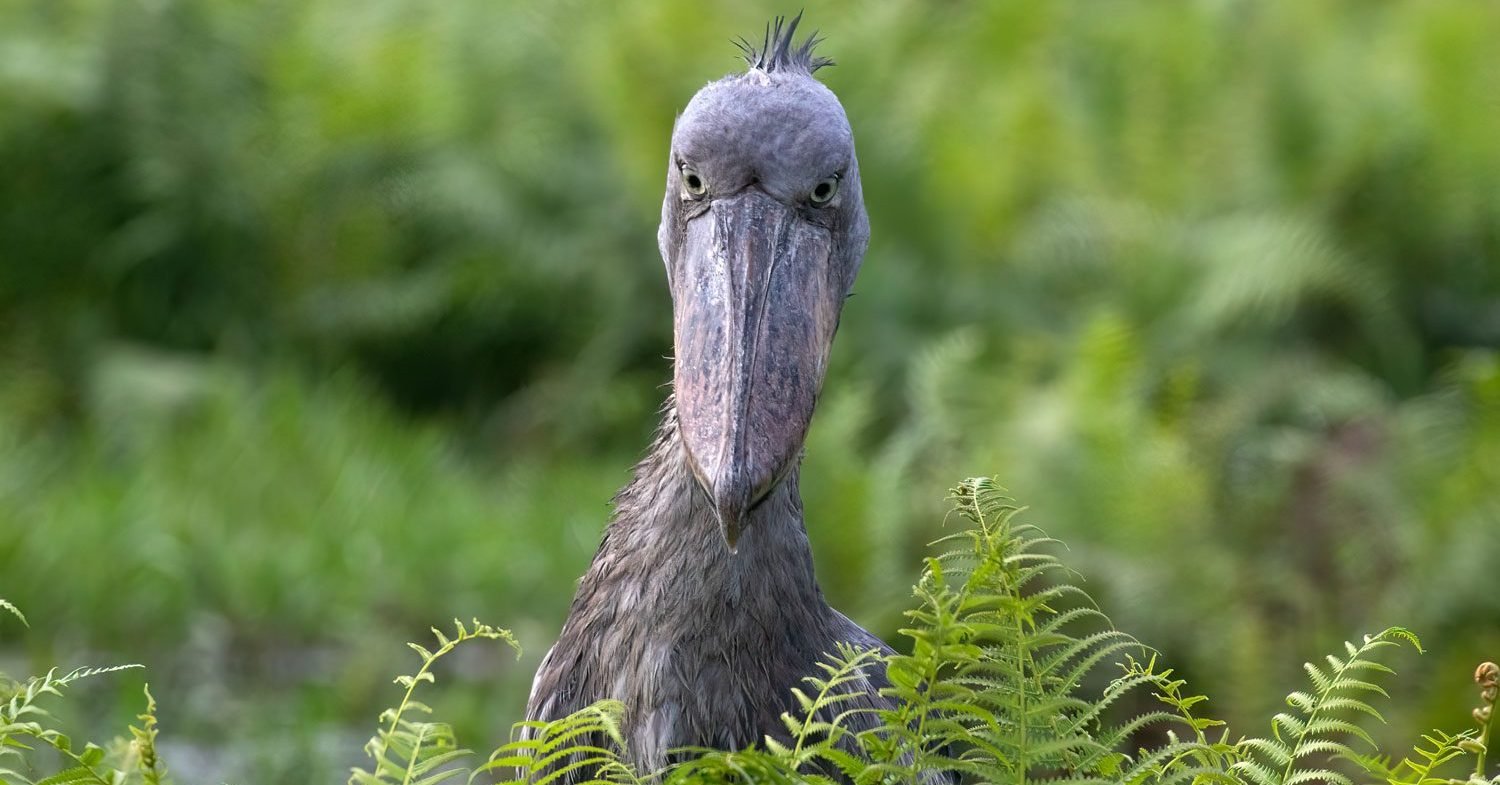
East and Southern Africa are among the richest birding regions on earth, and a guided birding outing turns a safari into something far more layered. Where a game drive scans the horizon for big mammals, birding slows the pace and draws your attention into the detail, the flash of a lilac-breasted roller from a bare branch, the improbable silhouette of a shoebill in a papyrus swamp, the flamingo-pink shimmer of a soda lake at dawn.
Outings are led by specialist guides who identify species by sight and call, and can be done on foot, by vehicle, or from a boat along rivers, lakes, and wetlands. Early morning is prime time, when birds are most vocal and active, though wetland and waterbird sites reward visits throughout the day.
The diversity is remarkable. Uganda alone records over 1,000 species, roughly half of Africa’s total, and Queen Elizabeth National Park holds the richest bird list of any East African park with more than 600. Forest destinations like Bwindi, Nyungwe and Kakamega shelter Albertine Rift and Guineo-Congolian endemics found almost nowhere else, while the soda lakes of the Rift Valley draw flamingos in their millions.
Birding is at its finest in the green seasons, when migratory species arrive and residents come into breeding plumage. Serious birders should plan for early starts and bring their own binoculars.
The wildebeest is the engine of Africa’s greatest wildlife spectacle. Ungainly at rest and astonishing in motion, these shaggy, bearded antelope gather in herds that stretch to the horizon, and following them is one of the defining experiences of an East African safari.
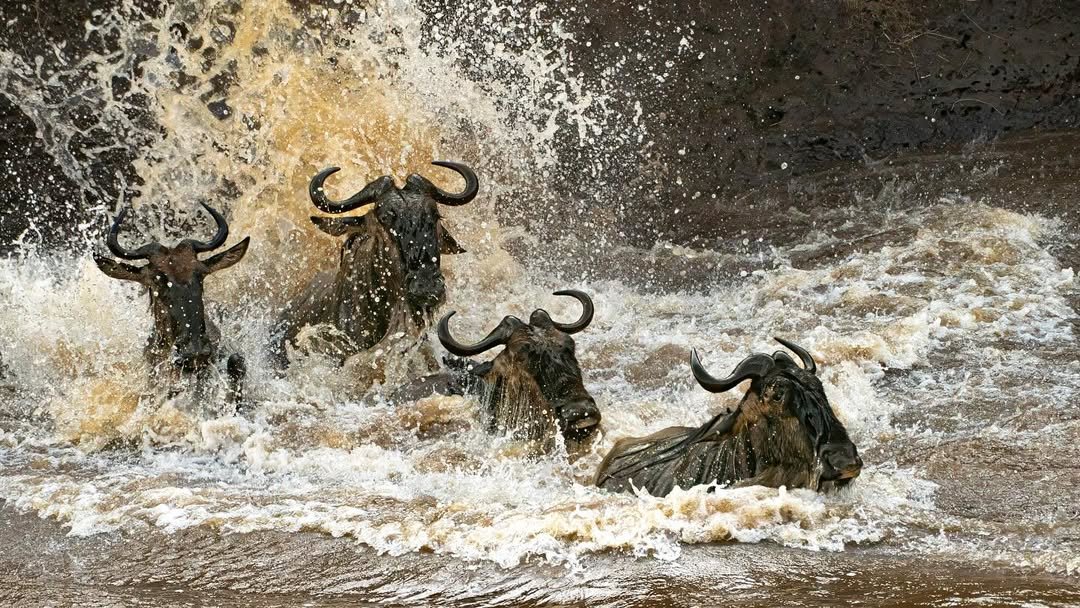
Across the Serengeti and Masai Mara ecosystem, over 1.5 million wildebeest move in a continuous, year-round circuit in search of fresh grazing, accompanied by hundreds of thousands of zebra and gazelle. Where you find them depends entirely on when you travel. Calving season in the southern Serengeti and Ndutu (January to March) sees thousands of calves born each day, drawing in every predator for miles. The dramatic Mara River crossings unfold in the north between July and October, when the herds mass on the banks before plunging into crocodile-filled water.
Outside the migration circuit, resident wildebeest are found year-round in parks such as Ngorongoro Crater, Tarangire, Etosha and Akagera, often grazing alongside zebra in mixed herds.
Sightings range from a handful of animals on an open plain to a thundering river of bodies moving as one. Crossings in particular are unpredictable, the herds may gather for hours and never cross, or go without warning, so patience is essential.
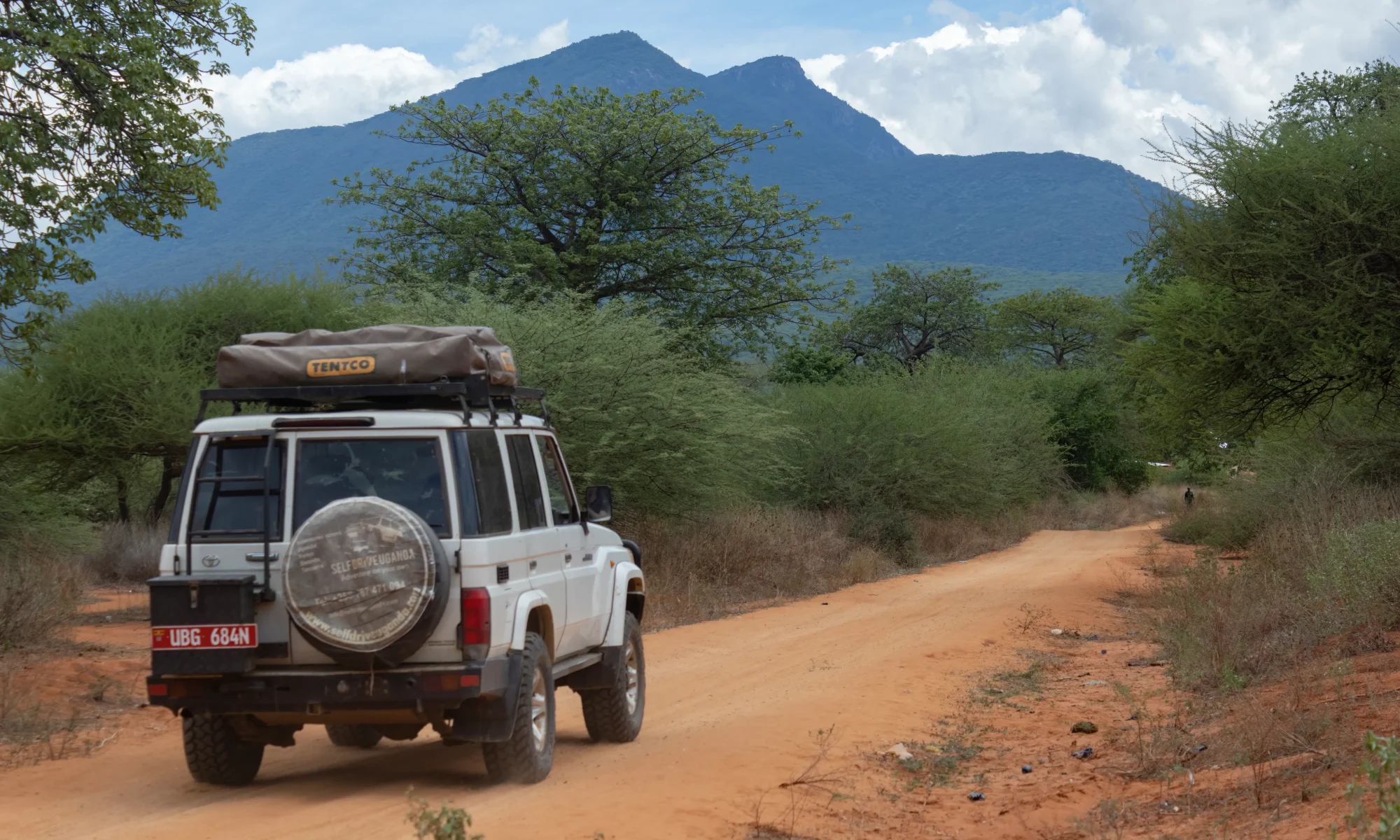
A game drive is the classic safari experience, and the heart of almost every African itinerary. Guests set out in a 4×4 vehicle, typically with a pop-up roof or open sides, accompanied by an experienced driver-guide who tracks wildlife, reads the bush and shares knowledge of the animals and landscape along the way.
Drives usually run in the early morning, when predators are still active and the light is soft, and again in the late afternoon as the heat fades and animals return to water. Each drive lasts around three to four hours, though full-day drives with a packed lunch are common in larger parks. Guides stay in radio contact with one another, sharing sightings across the network so no one misses the leopard in the tree or the lions on a kill.
Expect long stretches of quiet scanning punctuated by moments of pure drama. Some mornings deliver more than you can photograph; others are slower and more meditative. That unpredictability is the point.
Night game drives are offered in selected parks and conservancies, revealing a completely different cast of nocturnal animals under spotlight.