Group Expeditions

A group expedition is exceptional to do while on a self drive Africa Safari. The group expedition offers you an opportunity to adventure the distant safari destinations as you engage in various activities the are adventurous, exciting as you bond with other travelers as well as nature.

While on your group expedition in Africa, you get to enjoy adventures that are exceptional in company of other travelers looking for the same safari experiences. These adventures apply for all travelers on vacation holiday.

These expeditions are usually led by experienced skilled guides and participants who range from seasoned adventurers to first-timers, depending on the difficulty of the trip.

Some of the Group expeditions that can be done include;

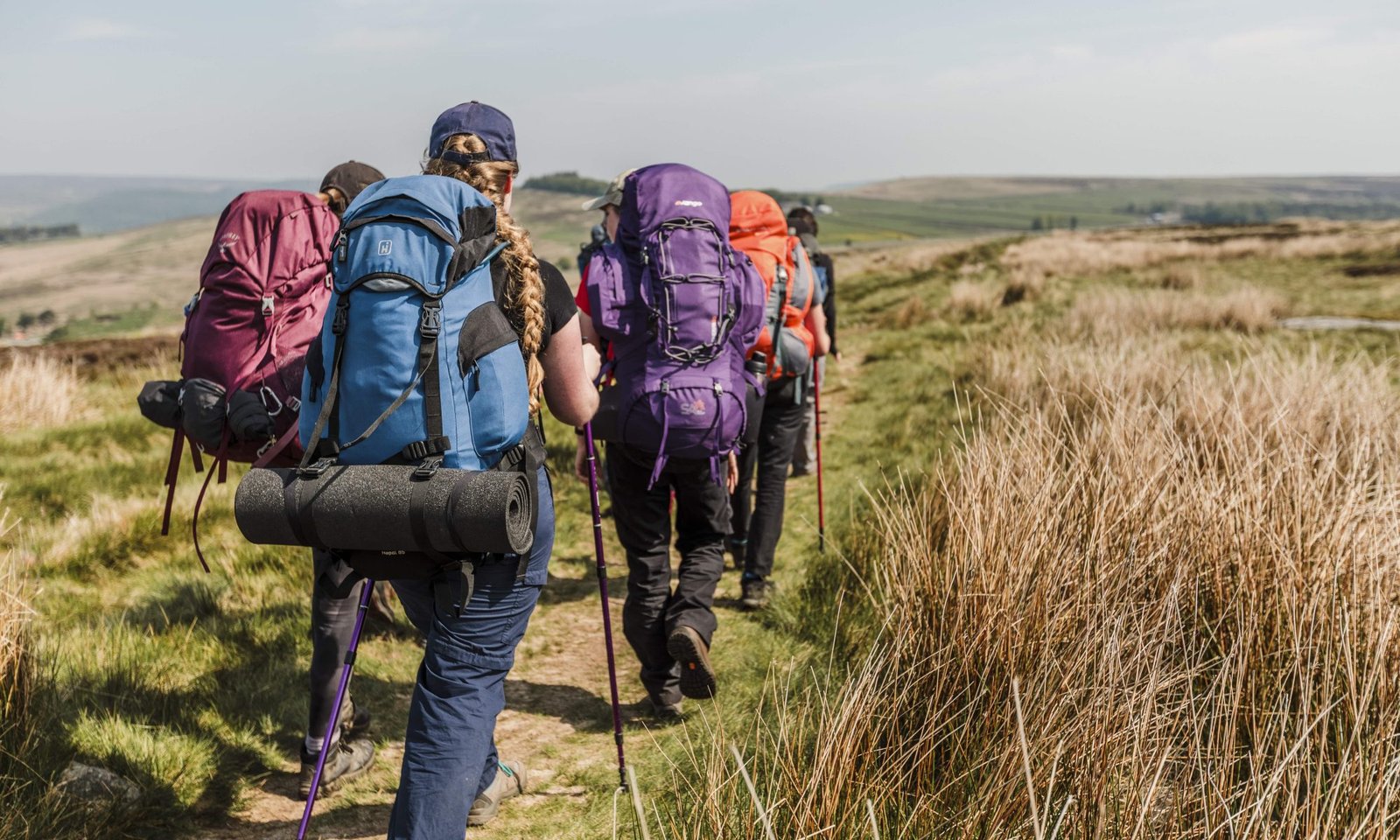
  • Trekking and hiking in remote regions
  • Climbing mountains or summiting peaks
  • Wildlife safaris and nature expeditions
  • Cultural explorations of unique destinations
  • Canoeing, kayaking, and rafting in wild rivers

Types of Group Expeditions on Self Drive in Africa

Adventure Expeditions

These expeditions often involve physically demanding activities like mountaineering, hiking, or canoeing. Group members typically work together to overcome obstacles, making teamwork a central part of the experience.

This includes adventures like Climbing Mount Kilimanjaro in Tanzania, Mountain Rwenzori and Elgon in Uganda, Mount Kenya/ Meru in Kenya.

Wildlife and Safari Expeditions

These are focused on exploring wildlife-rich regions such as African safaris, Gorilla Trekking expeditions, Chimpanzee Trekking, etc. On these safaris, watch many wildlife animals wander around their natural vegetation habitat and these include; Africa’s Big Five i.e Lions, Leopards, Elephants, Buffalo, Rhinos as well as others like the Bat-eared foxes, cheetahs, giraffes, antelope, hippopotamuses, leopards, zebras etc.

You watch these while on Game Drive as you transfer from one point to another in the company of ranger guides who inform you about the safari destinations and things you can do.

These take place in national parks like Serengeti National Park, Masai Mara National Reserve, Tarangire National Park, Ngorongoro Conservation Area, Lake Manyara National Park, etc.

Cultural Encounters

These journeys involve exploring unique cultures, historical landmarks, and traditional ways of life.

You visit various places around Africa, experiencing the unique cultural traditions and customs while engaging in performances and activities.

You shall be welcomed and entertained by the local people, an adventure so worthwhile and incredible.

Active Adventures

On a group expedition with other travelers, you can engage in active adventures that make your soul get excited and alive.

Some of these adventures include White water rafting, Bungee jumping safaris, hiking adventures.

Overlanding Adventures

Many first-timers are afraid to break something if they take their 4×4 off the bitumen. However, these fears are mostly unfounded. As long as you treat
an off-road trail with the necessary respect, your vehicle will handle it fine. It was built for rugged terrain. At the same time, there are some lessons to keep in mind.

When describing a vehicle as 4×4, one usually refers to a car whose engine powers all four wheels at the same time – in comparison to a 2WD, where only two wheels are powered, and it’s the best suitable car for your overland trip in African countries like ZambiaTanzaniaBotswanaKenyaNamibiaUganda & Rwanda.

The idea behind a 4×4 system is that the vehicle can rely on increased traction, even in difficult terrain. That also means that the vehicle retains its ability to drive forward even if one wheel is temporarily stuck or lifted into the air. In general, a 4×4 system provides you with added safety and peace of mind on an off-road trail.

Flexibility 

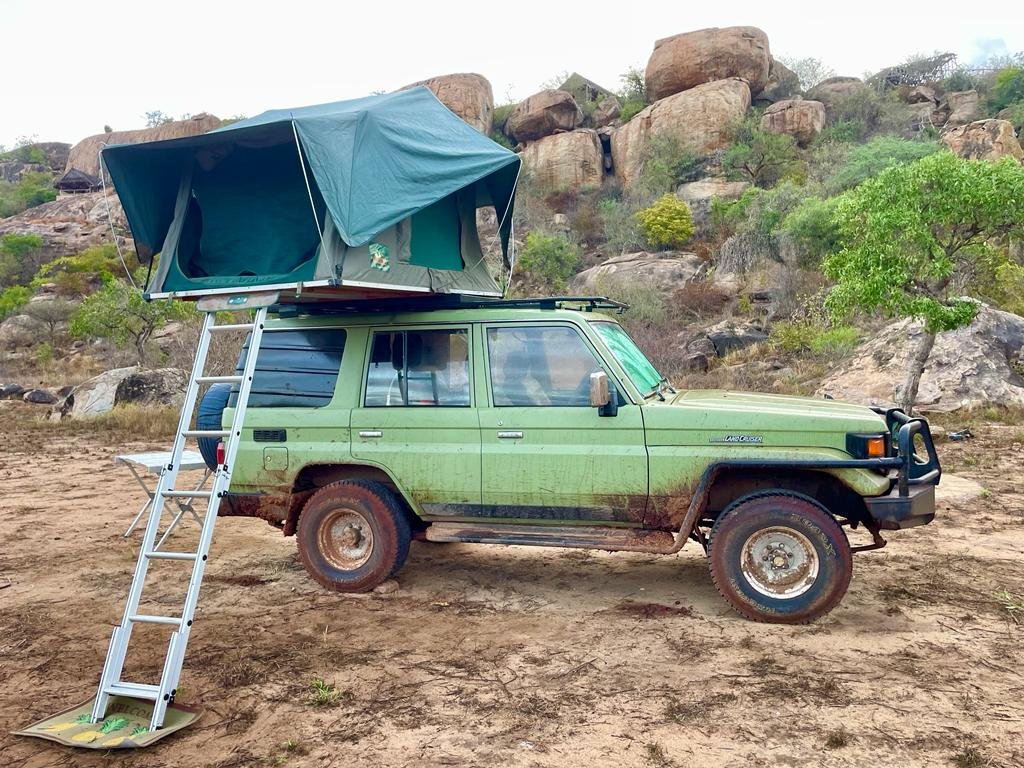
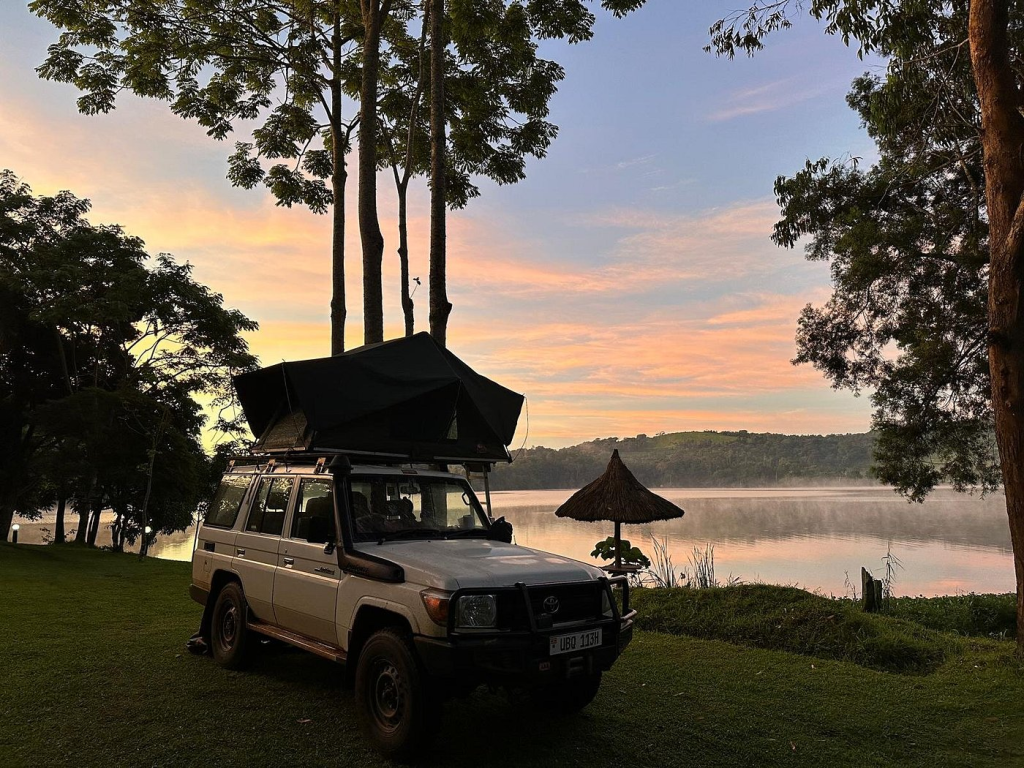
You lead your own adventure, stop when you want, where you want and how you want in a fully self-contained 4X4 Camping vehicle

Cost

Camping is significantly cheaper than staying in lodges and offers far more value for money

Adventure

What could be better than leading your own trek across some of Africa’s last wildernesses, rubbing shoulders with the Big 5

Freedom

Africa’s vast open plains, savannahs and forests await you.  You decide where you go from the Cape to Cairo

Unlimited Experience

From Lions to Lizards, you will find the most enthralling wildlife to record and memorize for generations to come.

Memories

Imagine sitting with your grandchildren on your knee, telling them about the night you camped with Lions.

Solitude

You are “far from the madding crowd”. you will be at peace with nature and this experience will leave you refreshed in body and soul.

Chimpanzee Habituation

Chimpanzee Habituation experience in East Africa is a unique and exciting way to connect with chimpanzees in their natural environment. Spending a full day observing their behaviors and social interactions in Kibale National Park is a truly memorable adventure, whether during the dry or wet season; the experience offers an amazing opportunity to learn about these intelligent animals. With proper planning, including securing permits and preparing for the hike, visitors can safely enjoy this one-of-a-kind experience, gaining a deeper understanding of chimpanzees and their daily lives.

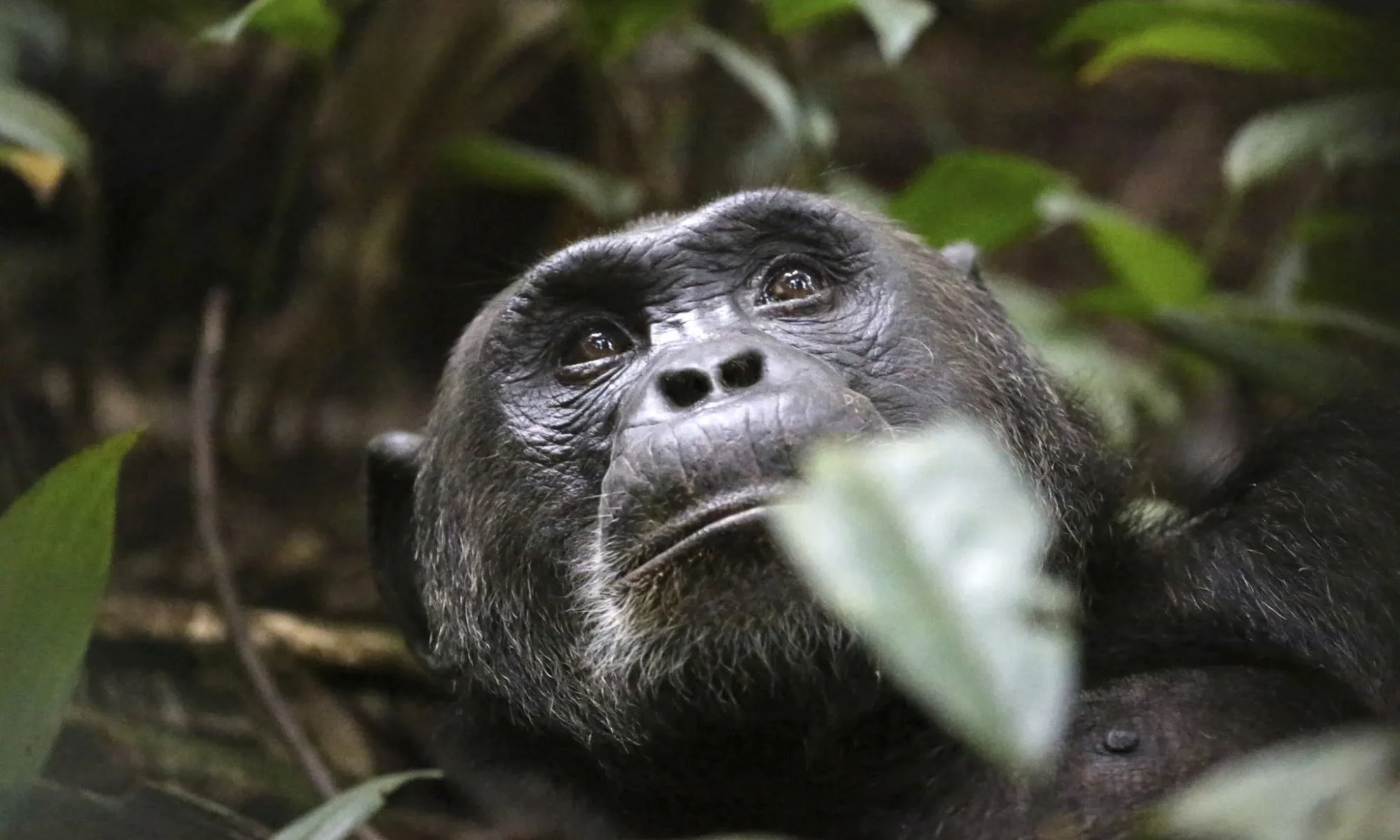
Chimpanzee habituation offers a unique opportunity to spend quality time with our closest relatives, the chimpanzees, who are tailless apes with long black hair and large protruding ears. Found in the tropical forests of East Africa, chimpanzees live in large groups called troops.

The process of habituation is aimed at making these wild animals accustomed to human presence for research and tourism purposes.

This is achieved through long, gradual encounters with humans, led by researchers and guides, reducing proximity with each encounter.

It can take up to three years for chimpanzees to fully adjust. The experience provides a deeper understanding of their behaviors, offering insights that go beyond what is typically observed during a standard chimp trek

Where to do Chimpanzee Habituation Experience

Kibale National Park is the best destination for chimpanzee habituation. Located in western Uganda, the park spans 321 square kilometers and is primarily made up of an evergreen forest.

It is home to 13 primate species, including over 1,000 chimpanzees. The park is accessible by road from Uganda’s capital, Kampala, with the journey taking approximately 6 hours.

Alternatively, you can take a domestic flight from Entebbe to Kasese Airstrip, which takes about 1 hour, and the airstrip is just an hour away from the park. Additionally, there are daily scheduled flights from other parks, such as Bwindi Impenetrable National Park, Semliki National Park, and Lake Mburo National Park.

What to expect on the Chimpanzee Habituation Experience?

Chimpanzee Habituation is an all-day activity that begins very early in the morning so that you can see the chimpanzees’ de-nesting. Throughout the day, you will watch the chimpanzees do other things like feeding, hunting, breastfeeding, mating, resting, and building new nests at night.

The experience begins at the park headquarters where you will meet your guides for the day, the guide will brief you about the experience, after a briefing, you will head into the forest with guides and park rangers, who will share insights about the forest and its wildlife, including other primates like black and white colobus, grey-cheeked mangabeys, and red-tailed monkeys, as well as various bird species.

Along the way, your guides will point out signs of chimpanzees, such as footprints and broken branches, and as you get closer, you may hear their vocalizations.

Finding them may take time, but once located, you’ll spend hours observing their daily activities, like playing, eating, and grooming, while your guides share fascinating facts about their behavior and lifestyle, allowing time for questions.

What is the cost of Chimpanzee Habituation Permits in Uganda?

If you are planning to participate in Chimpanzee Habituation, you will need a permit. The price of a Chimpanzee Habituation permit for various groups of visitors is as follows:

  1. From Foreign Non-residents at 300USD, Foreign residents at 250 USD,
  2. Ugandans to Citizens of the East African Community at 250,000 Uganda shillings; the price does not include other expenses like transport, accommodation, meals, guide fees, porter fees, tips, and other activities.

Therefore, you should budget accordingly and make sure you have enough money to cover all your needs.

Rules and Guidelines for chimpanzee Habituation.

Chimpanzees live in the tropical forests of Africa and tracking them may require hiking for several hours, the hike during the habituation experience is even more challenging than that of chimp tracking because the chimpanzees are deeper in the forest and keep changing locations, you will be expected to follow some guidelines for the safety of yourself, the chimpanzees, and the environment during the Chimpanzee Habituation experience, these include;

  • Remember that you are entering the chimpanzees’ natural habitat, maintain a respectful distance from them and avoid making sudden movements or loud noises that could startle or disturb them.
  • Weather conditions can change quickly, so be prepared with rain gear or extra layers. Also, be ready for the possibility of encountering other wildlife along the way.
  • You should not mimic chimpanzee’s vocalizations because you do not know what it means.
  • Pack proper gear like sturdy hiking boots with good traction to help you navigate through uneven terrain. Lightweight, breathable clothing is also important, along with a hat and sunscreen for protection against the sun.
  • Do not forget insect repellent to keep away insects, you may also consider bringing essential items like a camera (with silent mode if possible) to capture the moments without disturbing the animals, binoculars for better viewing, and a small backpack to store your belongings.
  • You are not allowed to eat near the chimpanzees
  • You are also not allowed to use flash photography as it may frighten the chimpanzees.
  • The minimum age for Chimpanzee Habituation is 12 years
  • Do not leave litter in the forest, you are encouraged to carry all your waste out of the forest however, human waste should be buried 30cm deep.
  • You must be as quiet as possible to avoid disturbing the chimpanzees
  • Listen carefully to the instructions provided by your guides before the trek begins.
  • Be prepared to spend several hours in the forest searching for the chimpanzees because these are unhabituated groups that live deeper in the forest.

Best time to go Chimpanzee Habituation in Uganda?

The best time for Chimpanzee Habituation is during the dry season, from December to February and June to September, when trails are less muddy, vegetation is less dense, and chimpanzees are easier to spot. However, this period also sees higher tourist numbers, making permits and accommodations harder to secure, so early booking is recommended. Additionally, the wet season offers fewer tourists and lush scenery, providing a more intimate experience and potentially lower accommodation costs, making it a budget-friendly option. While the dry season offers ideal conditions, habituation can be done year-round, and your choice depends on your preferences and permit availability.

Wildebeest Sighting

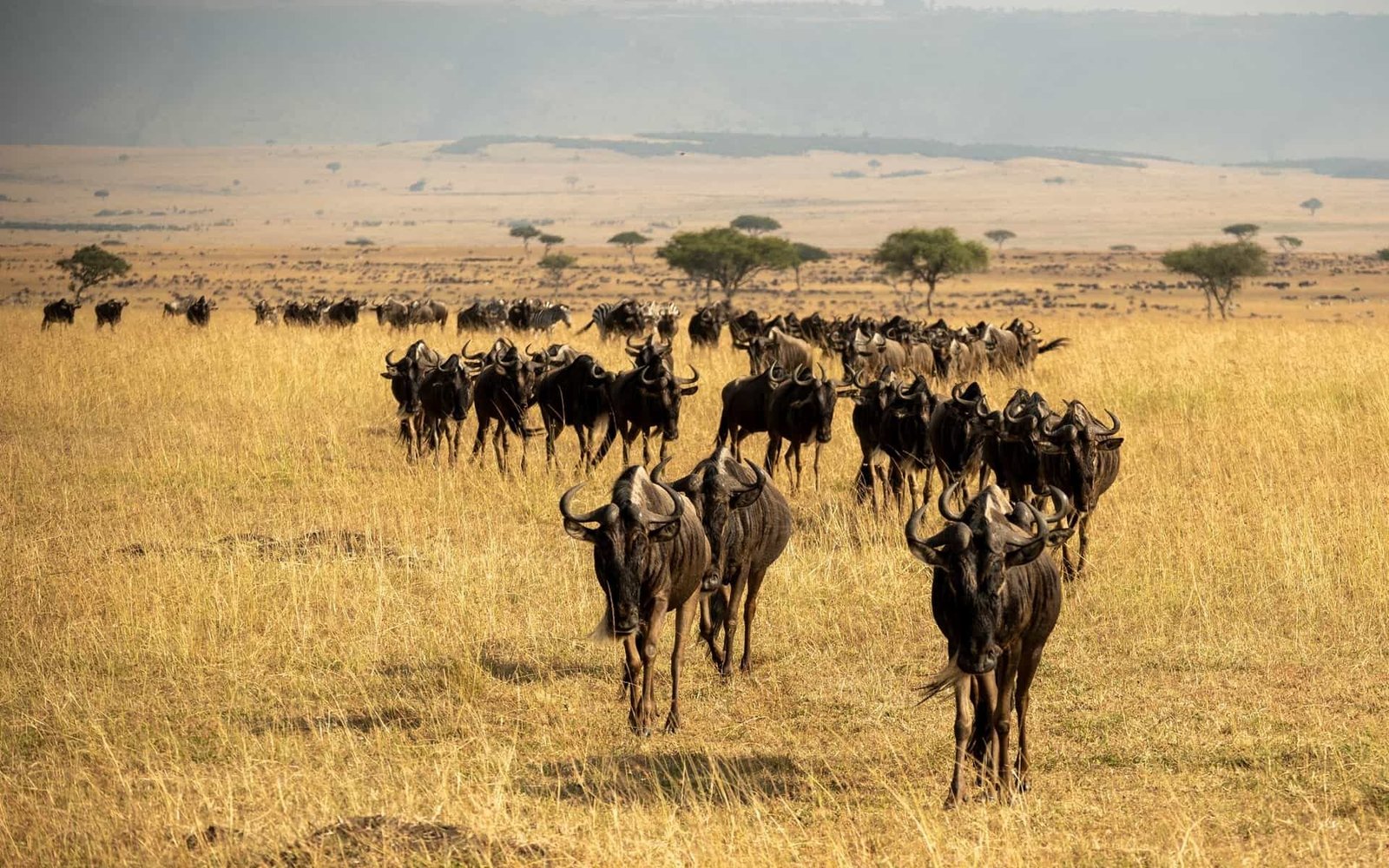
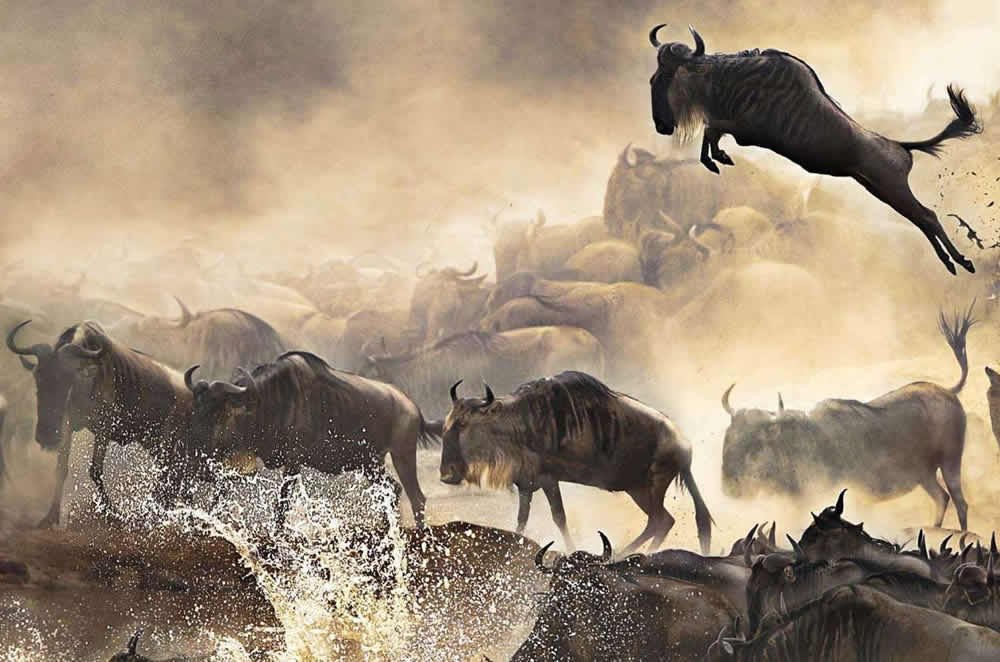
Wildebeest sightings involve watching the amazing wildebeest migration adventure as you view various four hoofed wildlife animals wander through the Masai Mara and Serengeti ecosystem annually. The adventure is one of the most unique experiences on earth, including various wildlife animals that traverse the Mara and Grumeti Rivers annually as they head from the Masai Mara to Tanzania’s Serengeti National Park.

Every year, more than 1.5 million wildebeest, thousands of zebras, and gazelles traverse through the Masai Mara and Serengeti Ecosystem looking for new grounds for grazing as well as safe places to nurture their calves. The movement also includes searching for new water resources as well.

The migration follows a continuous clockwise route and is dictated by seasonal rains. Timing and location are everything when it comes to witnessing this natural wonder.

Seasons of the Wildebeest Migration Safari

Calving Season (January to March)

The calving season happens in the months of January to March in the Southern part of the Serengeti. In this region, the wildebeest give birth to around 500,000 calves in a few weeks, attracting various predators like lions, cheetahs, and hyenas.

Western Corridor (April to June)

When the rains start to decrease, the herds start to transfer to the North West through Serengeti’s western corridor. This part includes river crossings, especially the Grumeti River, where crocodiles lie in wait to catch prey.

Mara River Crossing (July to September)

Perhaps the most dramatic wildebeest sighting occurs at the Mara River, where thousands of animals leap into the water in a frantic rush. The sheer scale, the risk of drowning, and the predators make this one of the most intense natural spectacles on Earth to watch annually.

Return Journey (October to December)

After grazing in the Maasai Mara, the herds slowly head back south to the Serengeti, completing the cycle and starting anew.

Best places to see the Wildebeest Migration

Here are the best places to see the migration, broken down by location and time of year.

Ndutu Region

The Ndutu Region is exceptional for watching the great wildebeest migration. It is located in the Ngorongoro Conservation Area, and the Best Time to visit is during late January, February, or March. You shall watch various herds of wildebeest giving birth to over 500,000 calves born in 2-3 weeks. On these safaris, many predators wait to catch prey, and these include lions, cheetahs, and hyenas that target the vulnerable newborns. On your tour, view the open plains too.

Serengeti National Park

Serengeti National Park is ideal for watching the great wildebeest migration. This happens in the Southern and central parts of the park. During this time, calving and early migration stages take place. The best time to watch these is from January to March.

Grumeti Game Reserve

Grumeti Game Reserve is located close to the prominent Serengeti National Park and is known to have many wildlife animals wandering around their natural habitat, but is prominently known to offer the best wildebeest migration experiences. The Best time to watch the Great Wildebeest Migration is from May to June.

Maasai Mara National Reserve

Being the most popular safari destination in Kenya, the Masai Mara National Reserve offers remarkable wildebeest sightings of all time as you watch herds of four hoofed wildlife animals traverse the Mara River annually to get to the Serengeti.  The Best time to watch the great wildebeest migration here is during the months of July to September.

Northern Serengeti

While on a Wildebeest Migration Tour in Tanzania, travelers can watch the great wildebeest migration in the Northern part of the Serengeti. The region is so ideal for all travelers, and the best time to watch the natural wonder here is from July to October. Watch thrilling Mara River Crossings, Massive herds and predators like lions, leopards, hyenas, etc lying low in the grass waiting to catch prey.

Loliondo and Eastern Serengeti

Loliondo and the Eastern Serengeti are awesome to explore while on a wildebeest migration tour in Tanzania. This adventure takes place in the eastern part of the Serengeti, where you watch the wildebeest traverse the various Rivers searching for greener pastures. The Best Time to visit to watch the great wildebeest migration in the Eastern part of the Serengeti is during the months from November to December. The region is less crowded and more distant, offering clients remarkable encounters.

Migration Route Overview (Month-by-Month)

MonthLocationKey Event
Jan – MarNdutu / Southern SerengetiCalving season
Apr – JunCentral Serengeti / GrumetiMovement to the west, river crossings
Jul – OctNorthern Serengeti / Maasai MaraMara River crossings
Nov – DecEastern Serengeti / LoliondoReturn south

Gorilla Trekking

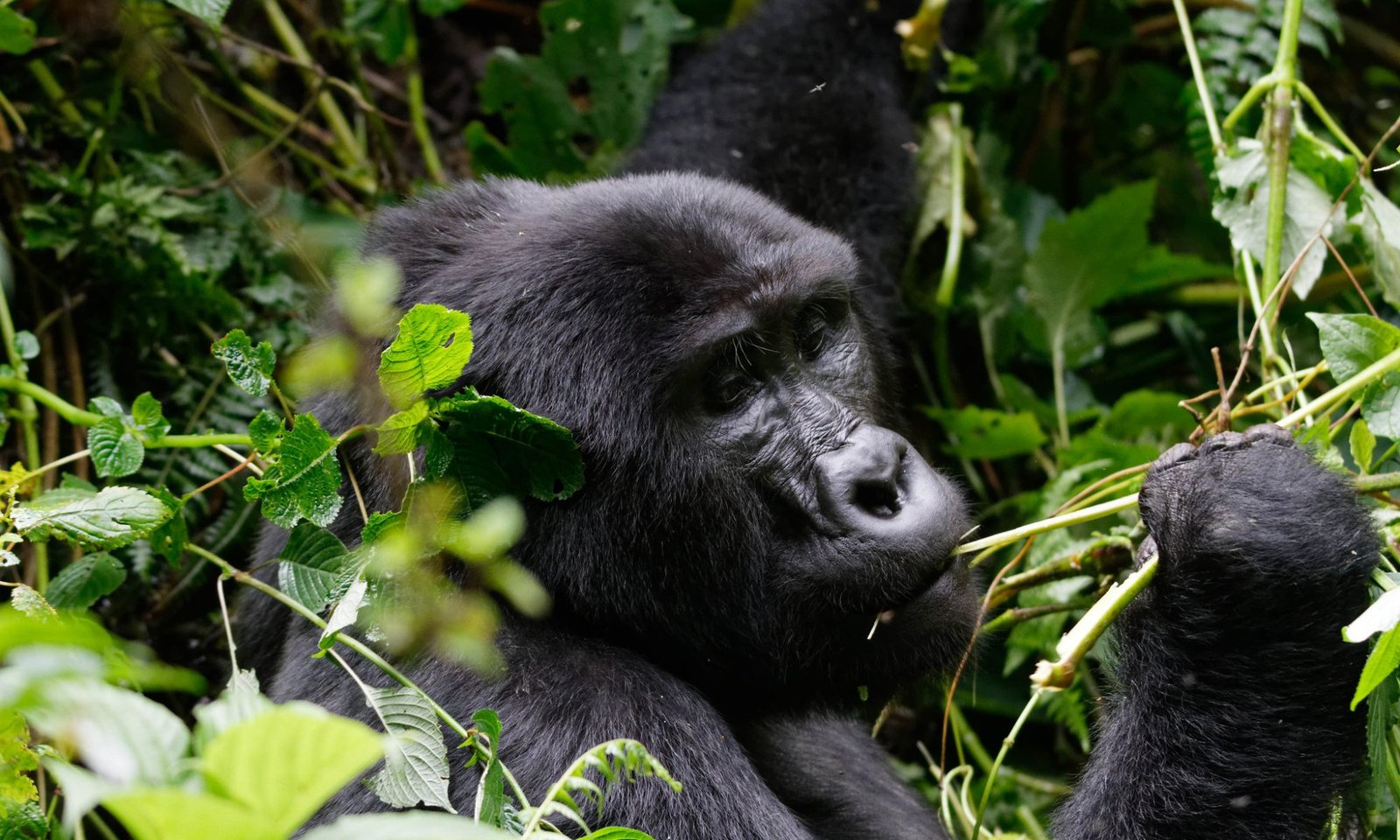
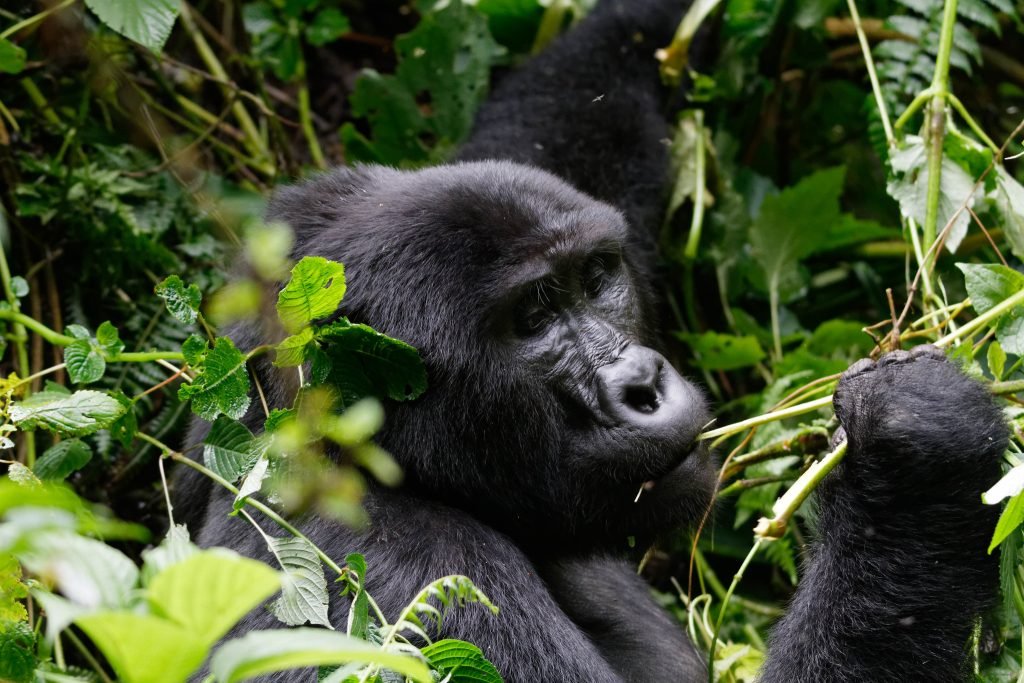
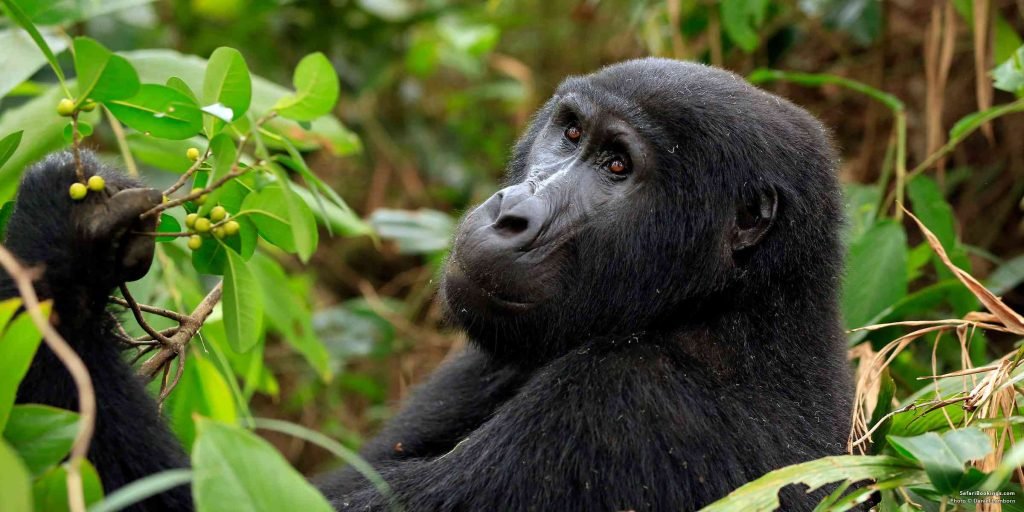
East Africa & Central Africa are the best-known places for gorilla trekking experiences, which reward you with the chance to see the Mountain Gorillas and the Eastern lowland gorillas. 

If you’re planning a gorilla safari in Africa, then consider selecting either Rwanda, Uganda & DR Congo, which are known to be the home of the Mountain Gorillas. Gorilla Trekking Safaris can be classified according to the needs and interests, where some go for gorilla trekking, yet others select gorilla habituation experiences in the wilderness of tropical rainforests within the greater Africa.

Explore Rwanda’s Volcanoes National Park, which is the only gorilla trekking destination in Rwanda, shared between Uganda, where its Mgahinga National Park is, and Congo, where its Virunga National Park is, for ultimate Gorilla Trekking expeditions. Then, considering the independent visit to Bwindi Impenetrable National Park, which hosts half of the world’s Mountain Gorillas, and Gorilla Habituation is only available in the Rushaga Sector.

Book a Gorilla Safari in East Africa to enjoy gorilla trekking vs gorilla habituation while on self-drive holidays with 4wd Africa Limited

Gorilla Trekking in Uganda ( where to see gorillas in Uganda)

Uganda is ranked second as the most affordable destination for gorilla trekking compared to the cost of the gorilla trekking permit that is sold by the Uganda Wildlife Authority.  With the new rules and regulations, gorilla permits are only sold to Registered and licensed tour operators with the aim of streamlining the tourism business for unique experiences.

Among all gorilla trekking countries, it’s only Uganda that has two gorilla trekking destination that is Mgahinga National Park and Bwindi Impenetrable National Park, which are all unique in their characteristics as explained below.

Mgahinga National Park is ranked as the smallest national park among Ugandan parks, and it is visited for the two unique experiences that are gorilla trekking and golden monkey trekking, yet  Bwindi Impenetrable National Park has half of the world’s Mountain Gorillas.

Mgahinga National Park ( Gorilla Trekking in Uganda )

Mgahinga National Park is part of the Virunga Mountains, known for gorilla trekking and golden monkey watching. Don’t miss the Uganda gorilla Safari with a visit to gorilla watching while on a self-drive holiday in Uganda. Wishing to see the gorillas in the Virunga Mountains at discounted prices of 800$

Bwindi Impenetrable Forest National Park

Trek to the roof of Africa on a mountaineering tour after self-driving in wildlife parks to view Africa from the Top of Africa with 4wd Africa. Hike to Mount Kilimanjaro in Tanzania.

Gorilla Trekking in Rwanda ( where to see gorillas in Uganda)

Uganda is ranked second as the Exceptional destination for gorilla trekking compared to the cost of the gorilla trekking permit that is sold by the Uganda Wildlife Authority.  With the new rules and regulations, gorilla permits are only sold to Registered and licensed tour operators with the aim of streamlining the tourism business for unique experiences.

Among all gorilla trekking countries, it’s only Uganda that has two gorilla trekking destination that is Mgahinga National Park and Bwindi Impenetrable National Park, which are all unique in their characteristics as explained below.

Mgahinga National Park is ranked as the smallest national park among Ugandan parks, and it is visited for the two unique experiences that are gorilla trekking and golden monkey trekking, yet  Bwindi Impenetrable National Park has half of the world’s Mountain Gorillas.

Gorilla Trekking in Rwanda ( where to see gorillas in Uganda)

Uganda is ranked second as the cheapest destination for gorilla trekking compared to the cost of the gorilla trekking permit that is sold by the Uganda Wildlife Authority.  With the new rules and regulations, gorilla permits are only sold to Registered and licensed tour operators with the aim of streamlining the tourism business for unique experiences.

Among all gorilla trekking countries, it’s only Uganda that has two gorilla trekking destination that is Mgahinga National Park and Bwindi Impenetrable National Park, which are all unique in their characteristics as explained below.

Mgahinga National Park is ranked as the smallest national park among Ugandan parks, and it is visited for the two unique experiences that are gorilla trekking and golden monkey trekking, yet  Bwindi Impenetrable National Park has half of the world’s Mountain Gorillas.

Gorilla Trekking in Congo ( where to see gorillas in Congo )

Uganda is ranked second as the cheapest destination for gorilla trekking compared to the cost of the gorilla trekking permit that is sold by the Uganda Wildlife Authority.  With the new rules and regulations, gorilla permits are only sold to registered and licensed tour operators with the aim of streamlining the tourism business for unique experiences.

Among all gorilla trekking countries, it’s only Uganda that has two gorilla trekking destination that is Mgahinga National Park and Bwindi Impenetrable National Park, which are all unique in their characteristics as explained below.

Mgahinga National Park is ranked as the smallest national park among Ugandan parks, and it is visited for the two unique experiences that are gorilla trekking and golden monkey trekking, yet  Bwindi Impenetrable National Park has half of the world’s Mountain Gorillas.

Virunga National Park ( Mountain Gorillas in Congo)
Kahuzi Biega National Park ( Eastern lowland Gorillas in Congo)

Wildlife Watching

Africa is known for wildlife animals and few destinations are ranked as the best places for overland road trips with interest to see the wildlife that include the big five and small wild animals that are endangered within the world.

Never miss seeing the wildlife animals in Zambia, Kenya, Botswana, Tanzania, Namibia, and Uganda while on a self-drive holiday in Africa. Easy-to-spot wildlife is in no small part responsible for the appeal of Namibia, Botswana, Kenya, and Tanzania as self-drive safari destinations. Large conservation areas and a low population density have allowed many animals to survive and thrive in Africa. Topping the list of 26 parks and reserves, Etosha National Park is a haven for endangered species, offering visitors the opportunity to witness rare animals in their natural habitat. Similarly, the lush Caprivi Strip with its perennial rivers in the northeast of the country provides visitors with a glimpse into an entirely different ecosystem. But in Namibia, wildlife is not restricted to conservation areas, as animals can sometimes be spotted just along the side of the road.

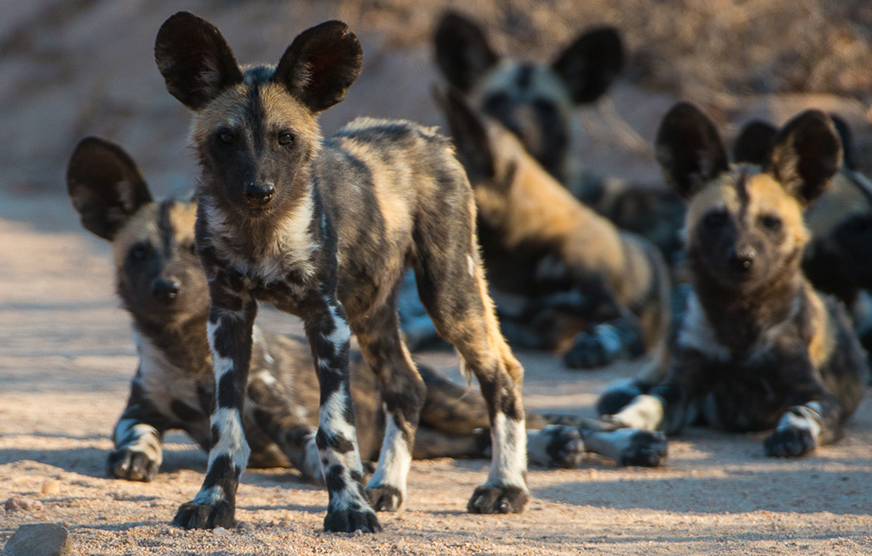
African Wild Dogs

A very distant relative of the domestic dog, African wild dogs are ferocious hunters with an exclusively carnivorous diet. They live and hunt in packs numbering 5 to 15 animals. African wild dogs have a strict social hierarchy with a female leading the pack. Instead of using stealth, they hunt as a pack, relying on their
good eyesight and elaborate communication, achieving a higher success rate than lions or leopards. Hunting during the day, they can be seen patrolling the landscape, scanning the savanna for small- to medium-sized ungulates.
Once fixated on a victim, they chase their prey to exhaustion before tearing it to pieces, often while it is still alive. Despite them being fearsome predators, African wild dogs are often killed by lions. Their fur is spotted, with each individual having a distinct pattern of golden, white, brown, and black spots.

Where to see them

African wild dogs are rare in Tanzania’s Mkomazi National Park, Namibia, Botswana.

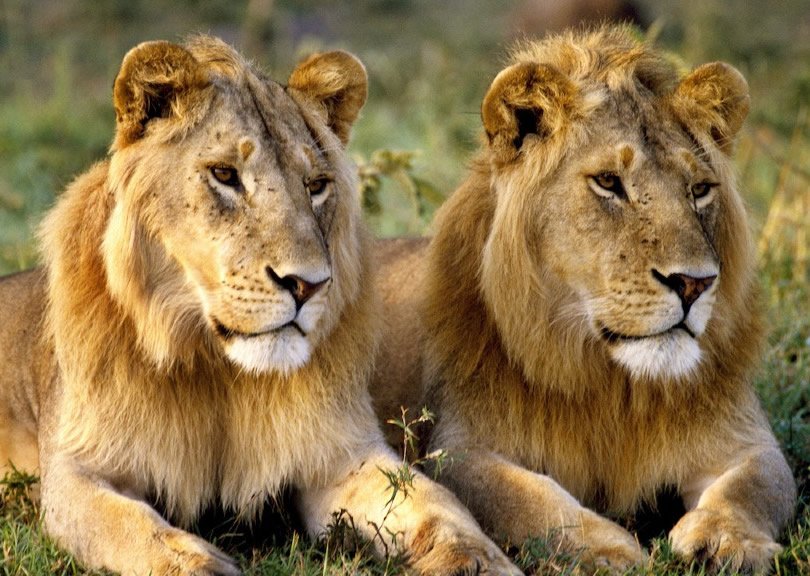
Lions

Fearsome predators and Africa’s largest cats, lions live predominantly in open grasslands and savannas, forming prides of 3 to 12 animals led by a dominant male. Juvenile males regularly form bachelor groups. Male and female lions
can be distinguished by the male’s formidable mane that ranges from blonde to black in color. Lions hunt collaboratively, with the females doing the majority of the work. Preying mostly on ungulates, they are capable of taking down zebras, wildebeest, African buffalo, and even giraffes. When hunting, they stalk their prey against the wind until they pounce on it. Most of their hunts happen at night, while they mainly sleep in the shadows during the day

Where to see them

Lions are regularly spotted in Kenya, Tanzania, Namibia, Zambia, Uganda, Botswana, and Rwanda. If you’re on an overland plan to spend more time on the game viewing adventure during the day and night, where it’s allowed, so that you can enjoy the Lion Watching experiences with 4wd Africa on an African Road trip.

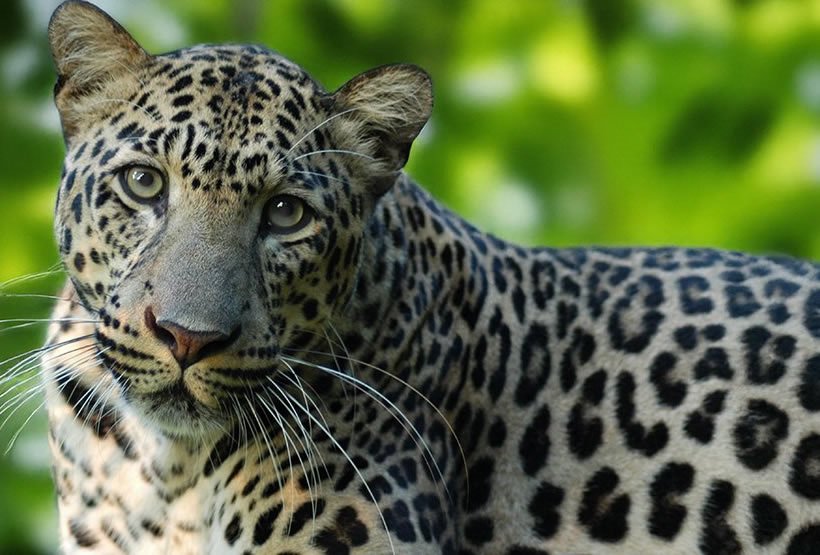
Leopards

Leopards are powerful stealth predators, relying on their camouflage to get close to prey before ambushing it. They mostly focus on small- to medium-sized ungulates such as impalas and springboks, but also take down large birds. As leopards are formidable climbers, they are well-known to stash their kills on trees to protect them from hyenas or lions. The large cat’s golden-brown fur is spotted with black spots forming rosettes, unlike the cheetah’s, which does not have rosettes. Each leopard’s pattern is distinct, which helps to identify individuals. Leopards are solitary animals and most active at night. Albeit a rare occurrence, leopards are known to stalk and pounce on humans if the circumstances allow.

Where to see them

In theory, many African Countries have them, but sighting them is by chance in these National Parks. Many African National Parks have these leopards, and you can plan an overland road trip to Tanzania, Serengeti, Ngorongoro Crater, Masai Mara, Kidepo Valley National Park, and many more

Cheetahs

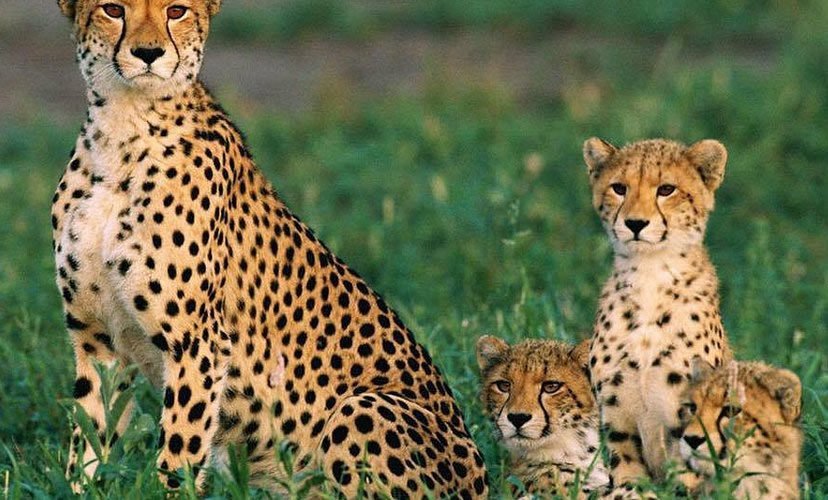
The fastest animal on earth, cheetahs are long-legged, slender cat relying on speed to take down their prey. Reaching top speeds of 112 km/h, cheetahs mostly hunt small- to medium-sized antelopes, warthogs, guinea fowl, and small mammals. They usually hunt alone, but sometimes groups of young males take down larger prey such as ostriches. They prefer open woodlands and savannas where they can unleash their power. The cheetah’s fur is brownish-beige with dark spots. They are slimmer and stand taller than a leopard.
Additionally, they have characteristic tear marks on their faces. Despite their speed, they are very vulnerable to lion and hyena attacks, especially after they make a kill. Cheetahs are most active at dawn and dusk and usually rest during the day.

Where to see them

In theory, many African Countries have them, but sighting them is by chance in these National Parks. Many African National Parks have these leopards, and you can plan an overland road trip to Amboseli, Samburu Game Reserve, Serengeti , Ngorongoro Crater, Masai Mara, Kidepo Valley National Park, and many more

Wildebeest Migration

A well-known animal of the African savanna, the wildebeest is a cattle-like antelope. Very muscular in appearance, blue wildebeest are known as fast runners, reaching top speeds of 80 km/h. Wildebeest are gregarious, forming loose herds of 20 to 30 animals. They regularly mix with plains zebras. Only active during the day, blue wildebeest feed in the early morning and late afternoon. They primarily feed on short grass and are dependent on water, which is why they prefer well-watered areas. Although called blue wildebeest, their color is rather brown for males and beige-brown for females. Both males and females have horns. Wildebeest, and especially their calves, are frequently preyed on by predators. Wildebeests always move with the Zebras as they help one another to spot the enemy in time.

Where to see them

Plan the best Wildebeest migration and watching experiences in Serengeti Tanzania and Masai Mara Kenya on an overland adventure to east Africa.

African buffalo.

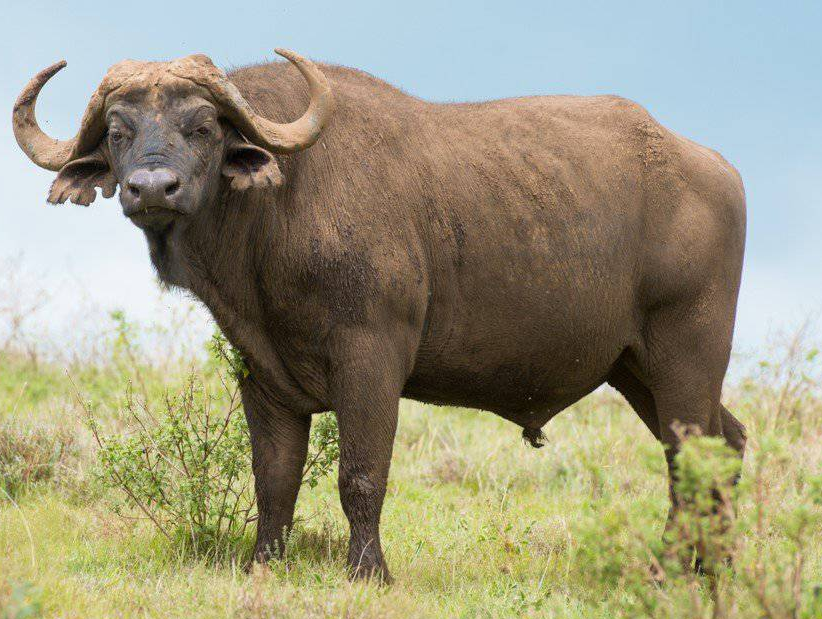
Congregating in large herds, African buffalo are dark-colored, cattle-like animals with imposing horns. The male’s curved horns often grow together at the base in what is called a boss. Buffalo are grazers feeding mostly on grass during the day. They need to drink each day and never stray far from water. African buffalo are the most dangerous animals in Namibia, as their behavior cannot be predicted, even by experienced safari guides. They are known to sometimes attack without provocation. Buffalo are also known to cooperate when attacked by lions, sometimes killing the predators. They are fond of wallowing in mud and often use the services of ox-peckers, which remove ticks from their fur

Where to see them

In theory, many African Countries have them, but sighting them is by chance in these National Parks. Many African National Parks have these leopards, and you can plan an overland road trip to Amboseli, Samburu Game Reserve, Serengeti , Ngorongoro Crater, Masai Mara, Kidepo Valley National Park, and many more

Black Rhinoceroses

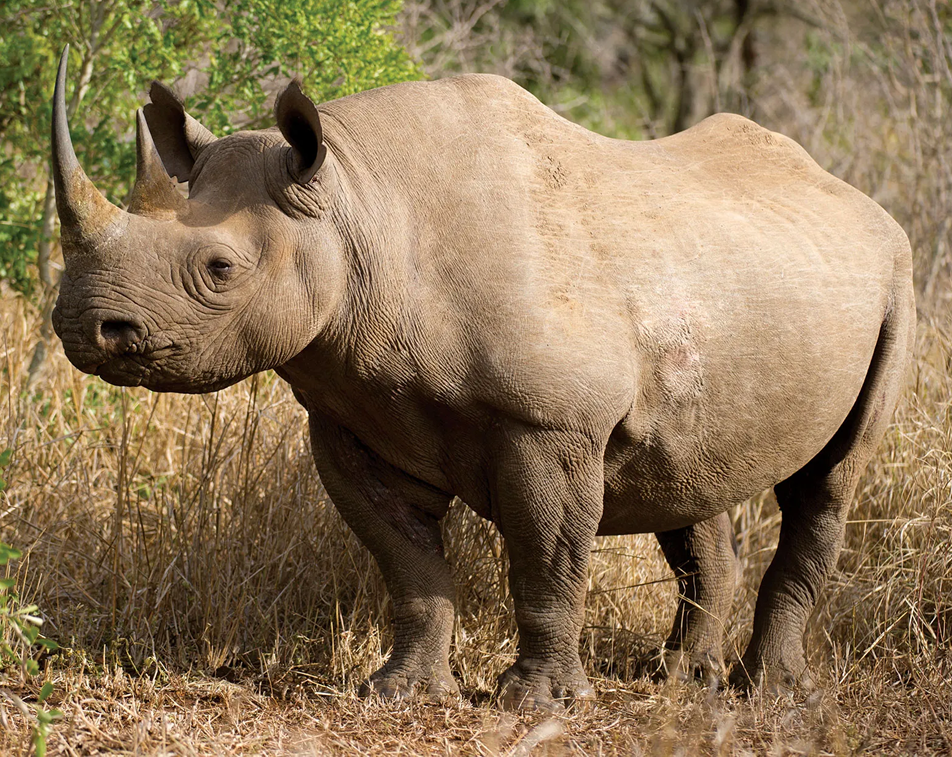
Smaller and more lightweight than the white rhino, the black rhino is still a huge animal with a barrel-shaped body and two horns. When walking, it usually holds its head up higher than the white rhino. Other ways to differentiate them are by the black rhino’s pointed upper lip and the missing hump on its shoulder. Their
colors, however, are pretty similar, as the black rhino is equally gray. These animals are usually solitary, aside from calves that stay with their mothers. However, black rhinos can be seen congregating around waterholes to socialize. Males can sometimes be moody, charging
blindly to assert their dominance.

Where to see them

Black rhinos can mostly be found in Etosha National Park, Serengeti National Park, Masai Mara National Park, Samburu National Park, Ngorongoro Crater, Ruaha & Nyerere National Park.

White Rhinoceroses

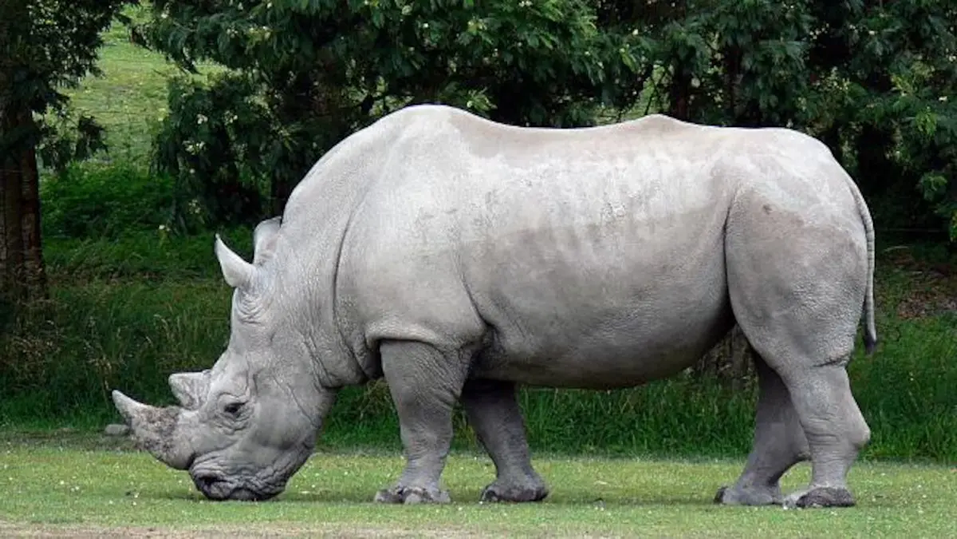
The white rhinoceros is the largest of its kind and the second-largest land animal after the elephant. It is usually double the weight of a black rhino. The white rhino is tank-shaped, sporting a massive body, a huge head, a humped shoulder, and two horns, one longer than the other. Its modern English name is a misnomer, as the animal is not white, but gray. The name is most likely derived from the Dutch word wijd, meaning wide, a testament to its broad mouth, which is perfectly adapted for grazing. Other than the lonesome black rhino, white rhinos form small groups of females and young. Adult bulls usually mark their territories with large manure heaps

Where to see them

White rhinos can be seen during the road trip to Africa in any of these countries: Botswana, Kenya, Namibia, Rwanda, Uganda, South Africa, Zambia, Zimbabwe.