Chimpanzee Habituation
About This Experience
Chimpanzee Habituation experience in East Africa is a unique and exciting way to connect with chimpanzees in their natural environment. Spending a full day observing their behaviors and social interactions in Kibale National Park is a truly memorable adventure, whether during the dry or wet season; the experience offers an amazing opportunity to learn about these intelligent animals. With proper planning, including securing permits and preparing for the hike, visitors can safely enjoy this one-of-a-kind experience, gaining a deeper understanding of chimpanzees and their daily lives.
Chimpanzee habituation offers a unique opportunity to spend quality time with our closest relatives, the chimpanzees, who are tailless apes with long black hair and large protruding ears. Found in the tropical forests of East Africa, chimpanzees live in large groups called troops.
The process of habituation is aimed at making these wild animals accustomed to human presence for research and tourism purposes.
This is achieved through long, gradual encounters with humans, led by researchers and guides, reducing proximity with each encounter.
It can take up to three years for chimpanzees to fully adjust. The experience provides a deeper understanding of their behaviors, offering insights that go beyond what is typically observed during a standard chimp trek
Where to do Chimpanzee Habituation Experience
Kibale National Park is the best destination for chimpanzee habituation. Located in western Uganda, the park spans 321 square kilometers and is primarily made up of an evergreen forest.
It is home to 13 primate species, including over 1,000 chimpanzees. The park is accessible by road from Uganda’s capital, Kampala, with the journey taking approximately 6 hours.
Alternatively, you can take a domestic flight from Entebbe to Kasese Airstrip, which takes about 1 hour, and the airstrip is just an hour away from the park. Additionally, there are daily scheduled flights from other parks, such as Bwindi Impenetrable National Park, Semliki National Park, and Lake Mburo National Park.
What to expect on the Chimpanzee Habituation Experience?
Chimpanzee Habituation is an all-day activity that begins very early in the morning so that you can see the chimpanzees’ de-nesting. Throughout the day, you will watch the chimpanzees do other things like feeding, hunting, breastfeeding, mating, resting, and building new nests at night.
The experience begins at the park headquarters where you will meet your guides for the day, the guide will brief you about the experience, after a briefing, you will head into the forest with guides and park rangers, who will share insights about the forest and its wildlife, including other primates like black and white colobus, grey-cheeked mangabeys, and red-tailed monkeys, as well as various bird species.
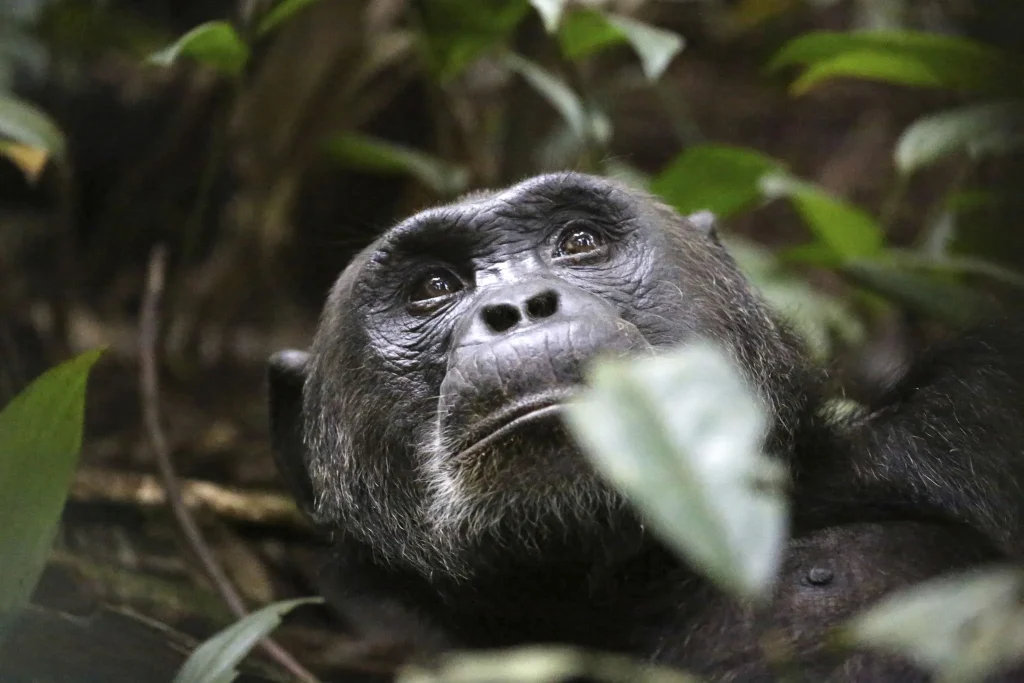
Along the way, your guides will point out signs of chimpanzees, such as footprints and broken branches, and as you get closer, you may hear their vocalizations.
Finding them may take time, but once located, you’ll spend hours observing their daily activities, like playing, eating, and grooming, while your guides share fascinating facts about their behavior and lifestyle, allowing time for questions.
What is the cost of Chimpanzee Habituation Permits in Uganda?
If you are planning to participate in Chimpanzee Habituation, you will need a permit. The price of a Chimpanzee Habituation permit for various groups of visitors is as follows:
- From Foreign Non-residents at 300USD, Foreign residents at 250 USD,
- Ugandans to Citizens of the East African Community at 250,000 Uganda shillings; the price does not include other expenses like transport, accommodation, meals, guide fees, porter fees, tips, and other activities.
Therefore, you should budget accordingly and make sure you have enough money to cover all your needs.
Rules and Guidelines for chimpanzee Habituation.
Chimpanzees live in the tropical forests of Africa and tracking them may require hiking for several hours, the hike during the habituation experience is even more challenging than that of chimp tracking because the chimpanzees are deeper in the forest and keep changing locations, you will be expected to follow some guidelines for the safety of yourself, the chimpanzees, and the environment during the Chimpanzee Habituation experience, these include;
- Remember that you are entering the chimpanzees’ natural habitat, maintain a respectful distance from them and avoid making sudden movements or loud noises that could startle or disturb them.
- Weather conditions can change quickly, so be prepared with rain gear or extra layers. Also, be ready for the possibility of encountering other wildlife along the way.
- You should not mimic chimpanzee’s vocalizations because you do not know what it means.
- Pack proper gear like sturdy hiking boots with good traction to help you navigate through uneven terrain. Lightweight, breathable clothing is also important, along with a hat and sunscreen for protection against the sun.
- Do not forget insect repellent to keep away insects, you may also consider bringing essential items like a camera (with silent mode if possible) to capture the moments without disturbing the animals, binoculars for better viewing, and a small backpack to store your belongings.
- You are not allowed to eat near the chimpanzees
- You are also not allowed to use flash photography as it may frighten the chimpanzees.
- The minimum age for Chimpanzee Habituation is 12 years
- Do not leave litter in the forest, you are encouraged to carry all your waste out of the forest however, human waste should be buried 30cm deep.
- You must be as quiet as possible to avoid disturbing the chimpanzees
- Listen carefully to the instructions provided by your guides before the trek begins.
- Be prepared to spend several hours in the forest searching for the chimpanzees because these are unhabituated groups that live deeper in the forest.
Best time to go Chimpanzee Habituation in Uganda?
The best time for Chimpanzee Habituation is during the dry season, from December to February and June to September, when trails are less muddy, vegetation is less dense, and chimpanzees are easier to spot. However, this period also sees higher tourist numbers, making permits and accommodations harder to secure, so early booking is recommended. Additionally, the wet season offers fewer tourists and lush scenery, providing a more intimate experience and potentially lower accommodation costs, making it a budget-friendly option. While the dry season offers ideal conditions, habituation can be done year-round, and your choice depends on your preferences and permit availability.