Aberdare National Park

Aberdare National Park offers a scenic drive for road trip overlanders in Kenya due to its location in the mountain ranges within Central Kenya within the Rift Valley areas.

 Aberdare National Park hosts a diverse collection of African ecosystems covering the valleys with traversing streams, rivers, and swamps, at once backed by the Aberdare mountain range with heights about 4000m (13000 feet.

History of Aberdare National Park

Aberdare National Park was established in 1950 with the aim of conserving and protecting the Aberdare Mountains. Since then, it has grown to a size of an area of 767 km2

The streams and rivers are from the uphill of the mountain, flowing towards the valley, making waterfalls. The temperate grassland borders the bamboo forest and also rich, diverse rainforests.

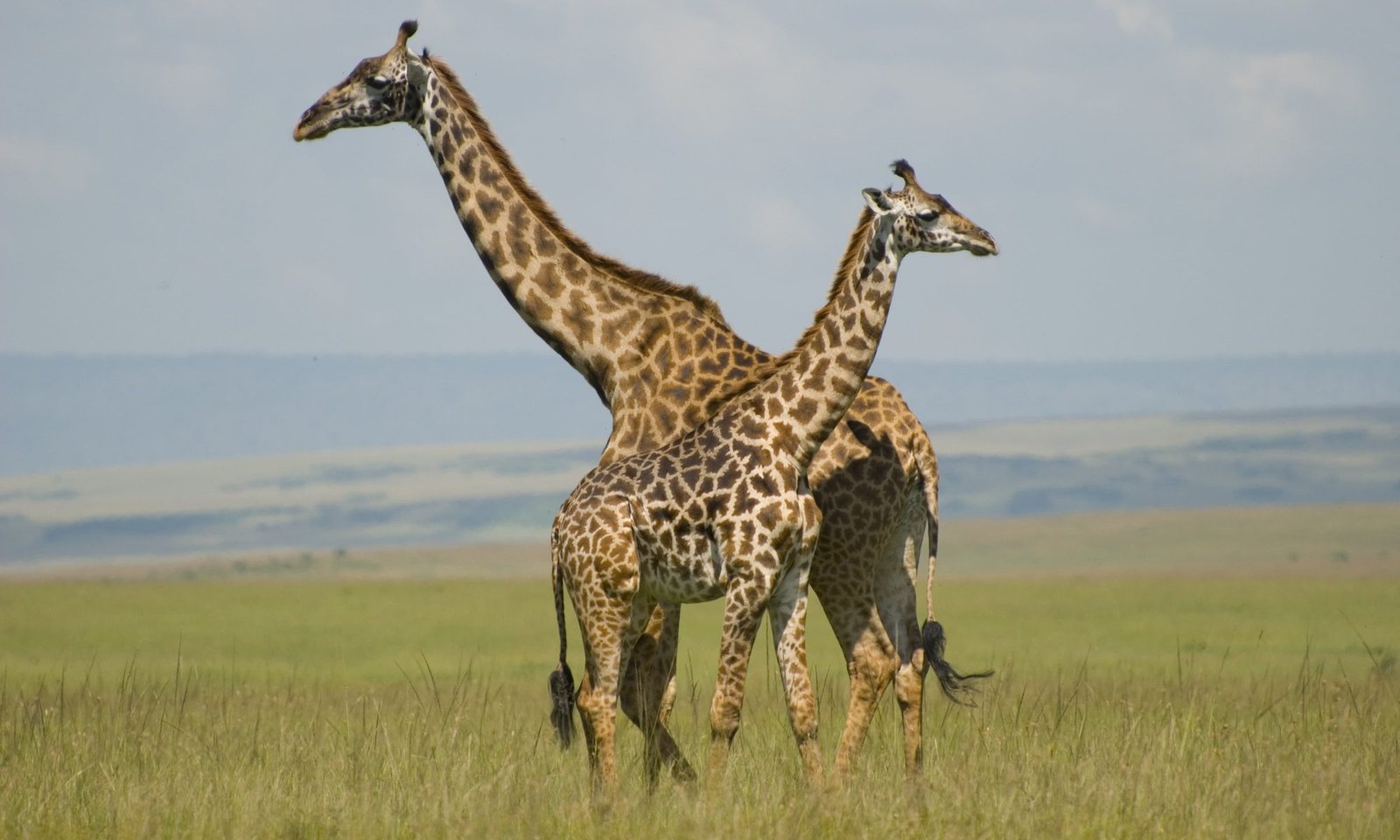
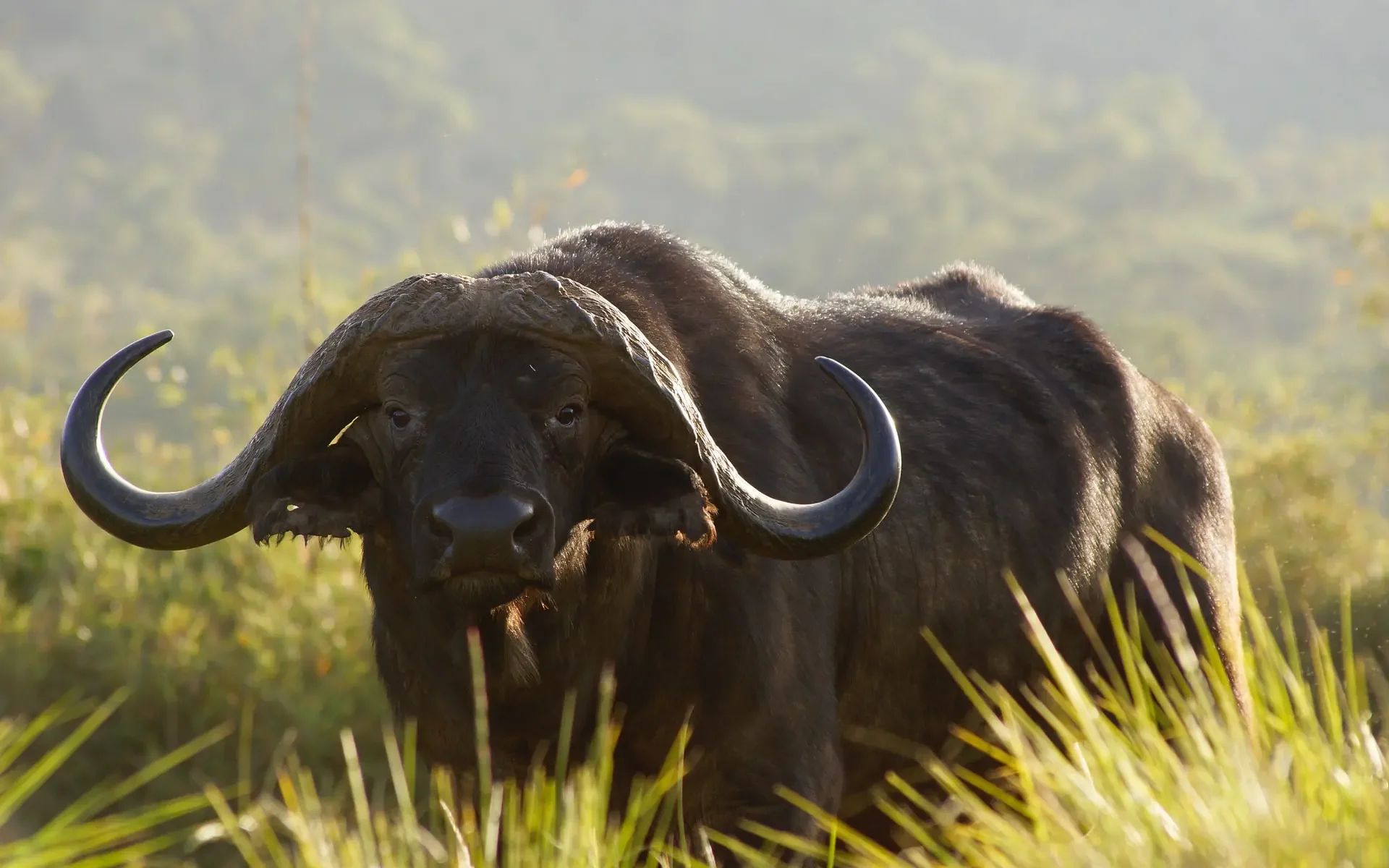
There exist some waterfalls, and these act as a home for the wildlife; among the predators are lions, leopards, African wild dogs, hyenas, jackals, and the African golden cat. Though there is other wildlife within the park, some of the species here include bushbuck, buffalo, reedbuck, giant forest hog, warthog, and the endangered black rhinoceros.

There is a home for over 250bird species, of which the major ones include the African Fish Eagle, African goshawk, and so many others.

If your planning long term overland self drive road trip in Kenya , then its important to consider a visit to Aberdare National Park for unique Wildlife watching experience with Self Drive Africa.

Things to do in Aberdare National Park

Aberdare National Park is purely known for wildlife watching experiences and nature walks for exciting adventures for adults and children , when your self driving in Kenya as family , then the best prefect national Park to explore is aberdare national Park to enjoy the following:

Game Drives

On the private self-drive game drive to see the big five animals within the park during the random in the morning or evening for exotic wildlife watching.  The Game drive time is  6:30 am to 10:30 and 2:00 pm-6.00 pm  as you search for: 

  • black Rhinos
  • buffalo
  • spotted hyenas leopards,
  • black colobus monkey
  • bush bucks
  • elands
  • bongo antelopes
  • giant forest hogs

Guided nature walks

Explore Aberdare National Park on Foot as you enjoy the story about the park from the expert local knowledgeable guides about the history and seeing animals as you walk around in the designed trails, which are close to points where wildlife animals can be spotted.  See the magnificent waterfalls such as Chania Karuru that falls, Gura, and Magura falls.

Birding

Aberdare National Park is blessed with over 200bird species, including the native birds and the seasonal birds. The most common species within the park are noted here: sunbird, goshawks, Jackson’s francolin, mountain buzzard, rufous-breasted sparrow hawks, Ayres hawk and many other species. Bird watching is done in the early morning when the birds have just started singing for easy to see those in thick trees.

Horse riding

Horse riding is a beautiful experience that the park offers, with visitors riding horses on a beautiful landscape teeming with a variety of animals. Horseback riding can be carried out by guides in the savannah grassland and end up with a perfect adventure for most nature lovers.

Accommodations in Aberdare Park.

If you’re planning to travel to Aberdare National Park, note that there are developed camping grounds and safari lodges for the ultimate Kenya Safari experience.

  • Ark Tree lodge.
  • Tusk Camp
  • Fishing lodge
  • Aberdare cottages.

Overland road trips in Kenya are also taken care of by booking the public campsites and private ones that are close to the park gates.  4WD Africa has got you covered for this unique experience in  Kenya.

Car Rental in Kenya- Self Drive in East Africa. 

If you’re planning an overland road trip to explore the best Kenya National parks, like Aberdare National Park, it’s possible to book a Toyota Land Cruiser LX 76 series, recommended for road trips to NamibiaZambiaBotswanaKenya, Tanzania and Uganda, bush camper manual transmission, reliable 4×4 for self-drive safari. Equipped with a rooftop tent suitable for 2 people with a mattress, sleeping bags, and pillows, or a connectable ground tent and camping equipment ( Kitchen utensils, a dining table, a camping light, and chairs). Go wild camping anywhere with 4WD Africa 
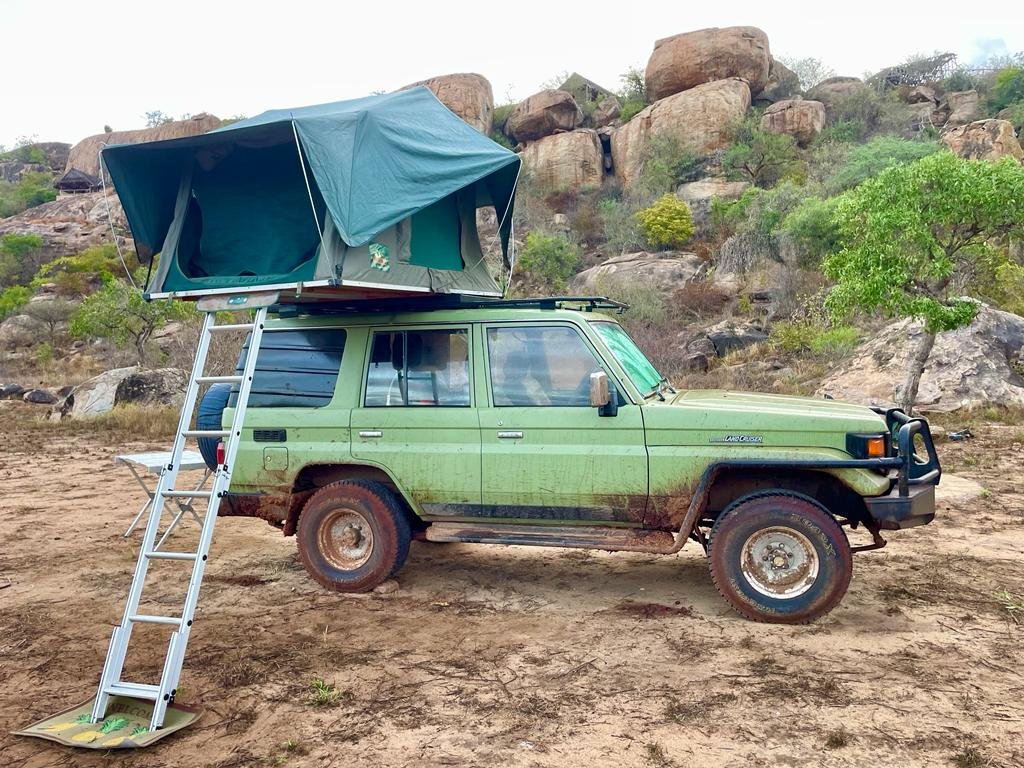
Toyota Land Cruiser campers are models 2008 to 2018, 1HZ diesel engine, manual, large 130L fuel tank, 1 spare tire, dual battery, inverter, A/C. Read our full car specs here.

Landcruiser 76 SeriesUGANDATANZANIAKENYARWANDA
SELF DRIVE$100$150$150$140
WITH A DRIVER$140$210$210$200
ROOFTOP TENT$20$20$20$20

Nairobi National Park

This National Park was established in 1946, about 7km south of Nairobi but within the Nairobi city region. This only exists in Kenya, nowhere else, to see a collective of wildlife sites near a major city.  The Nairobi National Park is 45.26sq miles (117.2 km2 and this makes it the first National Park to be established in Kenya, and it is very small compared to the national parks surrounding Kenya. This national park offers a taste of Kenya’s incredible wildlife and outstanding beauty without even leaving the City. Wildlife here includes giraffes, Rhinos, Cheetahs, and lions. The park has acquired a nickname, Kifaru Ark, a testament to its success as a Rhinoceros (Kifaru in Kiswahili). The park is home to the world’s densest black rhinos, and the park has over 100 black rhinos and over 20 white ones.

Other wildlife here includes spotted hyenas, gazelles, warthogs, zebras, ostriches, and buffalo. The park also has wetlands that sustain over 400bird species, which is more than those in the whole of the UK

Unless the visitor came with his/ her own car, the park has its own bus that leaves the main gate at 2 pm, so a visitor needs to book in person at the entrance of the park before 1.30. The tour inside may take 2hours and 30 minutes

Activities at Nairobi National Park

Game viewing

Though this could be among the smallest national parks in Africa, it has a best game viewing experience and excellent one, wild life like Rhinos, buffalos, lions, leopards, hyenas, cheetahs, jackals, gazelles, zebras and so many animals. The game drive can be a full day with a packed lunch or half day depending on the visitors’ desire

Rhino trekking

The national park is credited with the best preservation of the black Rhinos worldwide, with over 100 black rhinos existing here. This makes it the main activity at Nairobi National Park.

Birding

Birders should get to know that this national park has a lot of bird species, including seasonal and migratory birds within the national park. Over 400 bird species are recorded to be at this park, second to the Maasai Mara National Park. Birding is free throughout the year, though during the rainy season, from March to May and November, the birds are very many. Here, birds are seen flying, nesting, and migratory birds mostly from Europe and northern Africa are present.

The city tour

Being located near the city, Nairobi National Park offers scenic views. After having a busy day at the park, visitors take a tour and even a relaxing moment in Nairobi city. The city tour can be taken at any time by yourselves, or if you need a guide then is offered to you to explore

Accommodations

Nairobi National Park has the best accommodation that one can think of. The luxury hotels are in the world’s only wildlife capital and near Nairobi city.

Lake Nakuru National Park

Lake Nakuru National Park is located in the central part of Kenya on the floor of the Great Rift Valley on the Northwestern side of Nairobi. Lake Nakuru has recently been among the most visited National Parks in Kenya. The Nakuru National Park was first declared as a conservation area for the birds at Lake Nakuru, like flamingos, in 1957, and the conservation area only included Lake Nakuru and small parts of the surrounding areas. This was done to preserve the Lake, reduce the pollution of the lake, and conserve the bird life that was blooming on Lake Nakuru.

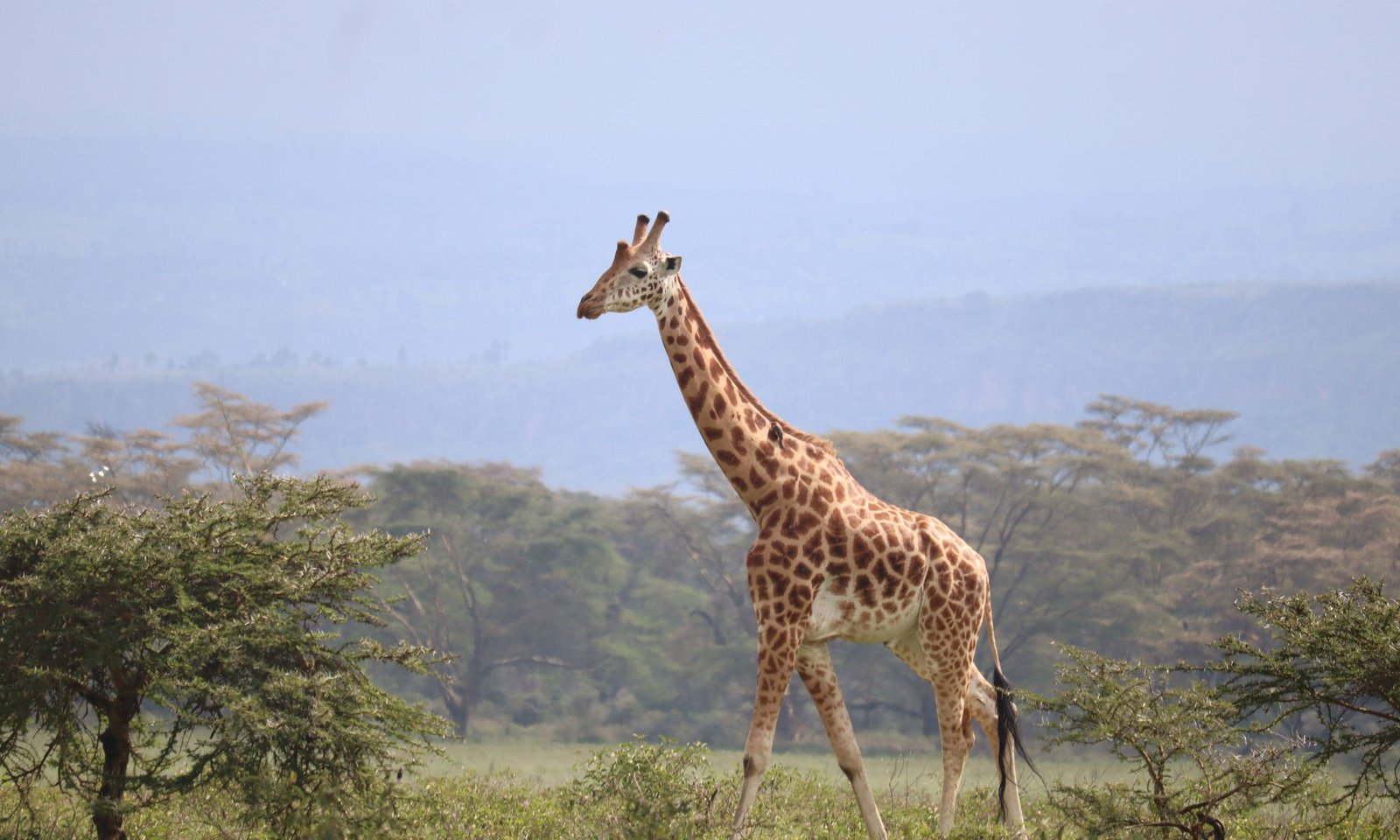
The bird sanctuary was then declared in 1961, which is the current southern section of Nakuru National Park, and different protocols were introduced to ensure a bird sanctuary is given protection and security was enforced in the place. Other animals like giraffes were later brought to the park from western Kenya. The rhinos were brought to Lake Nakuru by 1980, and a Rhino sanctuary was later designed to conserve the animals and protect them. The park has other animals and over 400 bird species living in the park

Lake Nakuru National Park is managed by the Kenya Wildlife Service, and the conservation of wildlife in Kenya

Activities at Nakuru National Park

Game drives

This is among the experiences at the Nakuru National Park. These drives bring visitors closer to wildlife. Some of the wildlife species include Rhinos, both white and black, Impala, Giraffes, Hippos, lions, leopards, waterbucks, and many others. The game drives take place at different times of the day, mostly in two areas around the park, which provide a unique experience during the safaris at Nakuru National Park

Hiking is another activity done at Lake Nakuru National Park, where visitors walk within and around the park. Through these experiences, animals are viewed closely through photos taken and have experience with animals. This activity is also good for bird viewing and helps because no delays or hurries. Hidden treasures of the national park, like visiting the baboon cliff where birds also gather, Makalia cliff, and many rivers and lakes like Lake Nakuru, Njora River, Makalia River, Enderit, and others,   are visited and help to get closer to something you want to see.

Bird watching

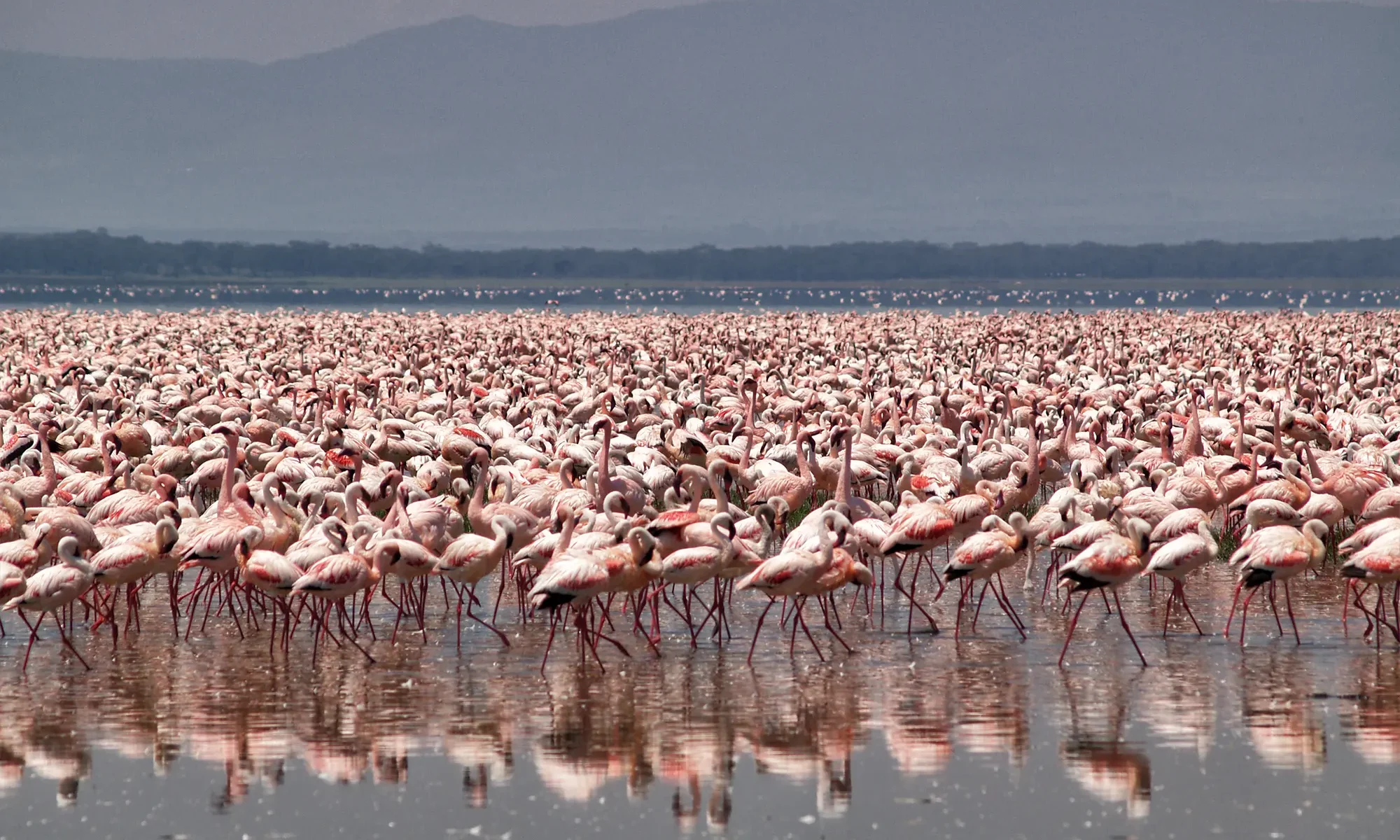
This is the most interesting and major activity of the Nakuru National Park. The park has over 400bird species that can be seen in different bird spots around the park. The park is famous for the large number of flamingo birds seen all over and along Lake Nakuru. Then bird watching will become good for you after seeing these birds together with both native and migratory or seasonal birds around the park. The flamingo birds are so interesting to see with their pink and white color, and flocking at the lake shoreline, but lesser and greater flamingos can be seen here. They can also be seen around other places in the national park, such as Baboon Cliff and Lion Hill. Other bird species include the African fish eagle, goliath heron, hammerkop, pied kingfisher, eagle, white pelicans, hottentot teals, starling, and many others.

Accomodation

Accommodation at Lake Nakuru National Park is categorized into luxury, midrange, budget accommodation, and camping. The facilities include Sarova Lion Hill Lodge, Lake Nakuru Lodge, Lake Nakuru Flamingo Lodge, Merica Hotel, Mbweha Camp, Miami Camp, Saba Camp, and many others. Visitors can also opt to camp as a way of accommodation during their safari, and some of the camping sites include Rhino campsite, Makalia campsite, Kambi Nyusi campsite, and Soysambu campsite. And others. Come and experience our best services.

Tsavo West National Park

Tsavo West National Park is located in the coastal province of Kenya covering 9065km2 separated by A109 Nairobi Mombasa connecting from Tsavo East National park and the two make the greet Tsavo National Park and alone makes the second biggest national park in Kenya. This park has conservation areas and ranches like the Tsavo Conservation Area, though described by many people as the land of lava, springs, man-eaters, plus magical sunsets. The Mazima springs, varied wildlife, modern road network, rhino reserve, rock climbing, and guided natural walks may not be missed at Tsavo East National Park. This national park is remembered for the man-eaters like lions who ate the constructors of the railway line during the colonial period. The park is much more famous for the millions of gallons of crystal

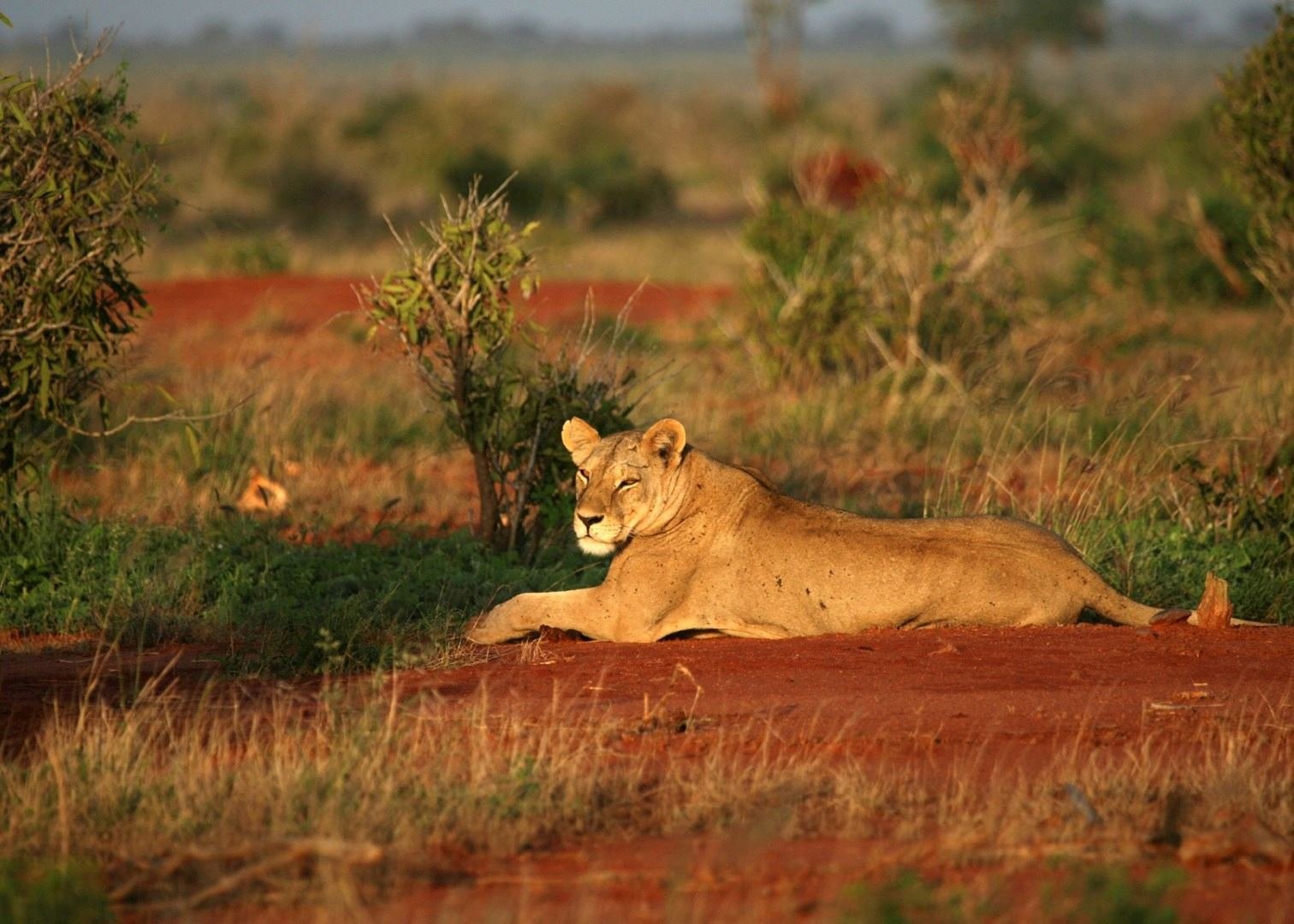
This National Park was established in 1948 with Tsavo East National Park at once, named after the strongholds of the biodiversity river called River Tsavo. The park is located 240km following the highway to Mombasa in the former Talu Desert. The park has beautiful scenery with a wide range of vegetation. The African big games are all habitant of the Tsavo West National Park like, Lions, Elephants, Rhinos, Elephants, Leopards and many other animals including, zebras, cheetahs, crocodiles, waterbucks, giraffes, hyenas and many other wild beasts

The park also has both the white and black rhinos, while some parks have only one species. The wide range of savanna with scrublands, rocky ridges, riverine vegetation, and many other features makes it a unique national park.

Activities at West Tsavo National Park

Game viewing

This national park is blessed with a lot of wildlife that is not even common for all such wildlife to appear in one national park at once. These include the big five of Africa, including lions, elephants, rhinos, both white and black, hippos, buffalos. There are also other wildlife, including the Nile crocodiles, waterbucks, and many other smaller animals, including dik-dik, klipspringer, bush baby, and others. Game viewers get an opportunity to experience the spectacular wildlife viewing that no game park can offer. Game viewing starts early morning and later evening because that’s when the game life is active and tends to hide during the day or on sunny days in tree sheds, which may limit a visitor to his/ her desired animal.

Bird watching

Tsavo National Park has over 400 bird species both local seasonal migratory and the passersby birds throughout the year and considered among the best places for bird watching. Between the month of October-January, places like Ngulia hills is filled by bird watchers and this act is done throughout the year though the noted months have more birds. Other places within the park where many birds are found, and the activity is being carried on other rivers. The birds here include the gold palm weaver, Verreaux’s Eagle Owl, and many others

Cave exploring

People who are interested in research, geology, and many visitors, this could be your opportunity. The Shetani caves near the Shetani lava flows were formed as a result of volcanic activity. Many animals are expected to be seen as many use these caves as hiding places, homes, and for shelter, like hyenas and other smaller mammals. Inside these caves, as you enter far, it gets darker, so visitors are advised to carry torches for light.

The Mazima springs exploration

This place is famous for the water hole for abundant wildlife including large herds of Elephants, buffalos, zebras, gazelles, that tend to gather here to take water during sunny days and some get cold bath. The springs also famous for the gigantic Nile crocodiles and hippos. It’s surrounded by the acacia trees that harbor the frolic blue and vervet monkeys.

Ngulia Rhino Sanctuary

The sanctuary is situated at the foothills of Ngulia hills 60km2an its surrounded by one-meter high electric fence protecting the inhabitants, black rhinos from poaching. The best time to see these understandably shy archaic creatures is at night since they are mostly moving at night and prefer being under thick undergrowth

Rock climbing.

For the hikers, Tsavo National Park offers the best climbing adventure in the whole country. If a visitor came to Tsavo and failed to have a rock climb, he or she would have missed a lot. The most impressive rock climb is above 300m Kichwa Tembo rock, which attracted the first adventure and later the second expedition to conquer the impressive Tsavo Chimney. The other hiking and rock climbing exist at Mastodon, Ivory Tower, and Ngulia hills. When at the top, impressive views of the landscape, seeing a lot of animals from different views, the birds, and vegetation. The starting time for this activity is early morning to avoid being hit by the sun, and the armed ranger guides the group

NB: Though there is a lot, Tsavo West National Park also care about your accommodation through having the best cultural modern and luxury lodges, camps and hotel within and around the national park these include, Lake Jipe Safari Camp, Man Eaters Camp, Rhino Valley Camp, Kilaguni Serena Safari lodge Ngulia Safari Lodge

Tsavo East National Park

Tsavo East National Park is among the largest National Parks worldwide with an area of 13747km2 in the south eastern part of the country near the border of Tanzania and it is made up of Tsavo West National Park and Tsavo East National Park that is separated by railway. Tsavo National park is one of the oldest National Parks in Kenya situated in the semi-arid previously known as Taru Desert that was opened in 1948 near the town of Voi in Taita Tavet County of the former Coast Province. If a visitor is after wildlife, the best National park he/her would think of must be Tsavo National Park. Many visitors came to see mostly the big five animals including, lions, elephants, black rhinos, buffalos and leopards though has many other animals within the park because Tsavo national park is divided into Eat and west National parks

Tsavo East National Park

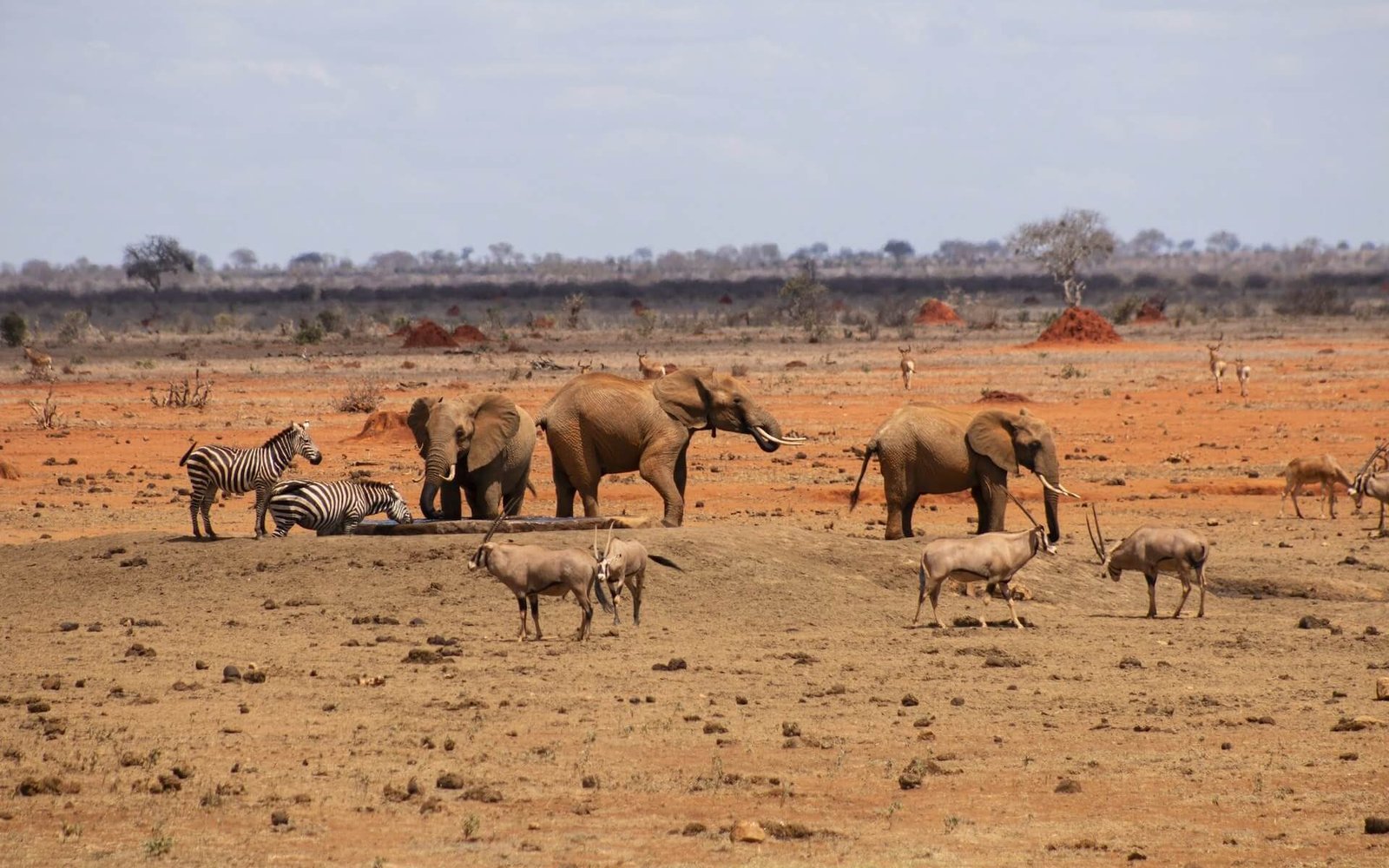
Tsavo East National Park is one of the oldest and largest parks in Kenya, located in the semi-arid area previously known as the Turu Desert. Many people describe this park as a theatre of the wild, famous for the red-dusty elephants that prefer rolling in red dusty soil. The elephants enjoy this act with their young ones, too. This national park is the largest national park in Kenya, covering a total area of 13747 km2. This game park was named after the Tsavo River that crosses from West to East. Within situated the large Galana River formed after the two joined rivers, including the Tsavo River and the Athi River. This park is considered one of the biodiversity strongholds in Kenya and the world at large under the Kenya Wildlife Service. The park has the longest plateau in the whole world of over 300km situated within the Park. Animals here include, elephants, leopard, buffalos, lions, rhinos, crocodiles, waterbucks, hippos, Lesser Kudu, Wild beasts, Gerenuk, Zebras, Giraffes, and many others. The park is home to over 500 bird species and more dry than the Tsavo West

Activities at Tsavo East National Park

Hiking

On the safaris at Tsavo National Park, visitors get the beautiful scenery experience at the destination of the higher view point that makes a visitor to carry out the activity easily. During Hiking, visitors can also watch wildlife during the course like the roaming elephants in the plains. The national parks have a lot of big rocks that give the visitor the opportunity to climb with the help of the guides and for many times this help in making exercise for those interested in climbing hills Tsavo would be the best place to think about

Nature walks

This is another unique activity done at Tsavo East National Park, giving visitors the opportunity to explore nature. It also brings closer interaction with nature, and many animals are watched during the walk on foot around the park. The activity of natural walks is done in the company of a ranger guide who shares information about the different attractions that you would need to know more about. And also they help to protect and give direction to the visitors. Having a visit to this park would leave you the same as if you will have a story to tell.

Bird watching.

Bird watchers can’t be left out in Tsavo National Park as many bird species of over 300 species exist here such as ostriches, sterling, pied kingfishers, storks, vulturine guinea, lesser kestrel, martial eagles, northern brownbul, red backed strikes, reed warbler, and many others within the National park. Some bird species are said to be migrating from Europe and northern Africa and they are many during November and April many migratory birds tend to have higher number though birds are here and the activity is allowed through the year. Birders are not restricted from carrying their cameras because some unique birds and moments here may need a snap

Wildlife viewing

At Tsavo national park, game viewing is more that you hear or expect, for many years this has been among the top tourist destination worldwide. The park has a lot to offer for the game viewers as most of the big leaders of the jungle are here for example, red dusted elephants, leopards, lions, Hirola, Rhinos, Giraffes, zebras, Hartebeests, Gazelles, Lesser Kudu, Waterbucks, and many others. The wild watching starts early morning and later evening since most animals sleep during sunny in sheds which may make a visitor fail to see some desired animals.

Though exist many activities, visitors shouldn’t miss to visit,

  1. River Galana

Nothing beats the exploring of the crocodile–infested waters of River Galana. This is formed by two joining rivers, the River Athi and the River Tsavo. Come and experience the calm waters and have your breath taken away by the dazzling Lugard Falls within

  1. Yatta Plateau.
    How can a visitor have a visit at Tsavo and fail to came seeing the worlds most prolonged larva flow? The Yatta Plateau is 290km long, making it the longest plateau in the world
  2. Ngulia Rhino Sanctuary.
    As a way to eradicate poaching/ illegal killing of wild animals, a sanctuary was established to harbor and protect animals like Rhinos and cheetah, leopards, buffalo, hippos, Crocodiles, and lions.
  3. Aruba Dam.
    Here at the dam, birders can get the opportunity to watch many birds flying and the fish eaters. Though animal viewers shouldn’t miss coming here because birds and animals come here to take water

First-class and cultural accommodation is also one of the best things one shouldn’t miss here, like the camping of Finch Hatton, Severin Safari, and Ithumba Camp. Other camps like Kilanguni Serena Camp, Lions Buff Lodge, and many others that one shouldn’t miss, including first-class care.

Masai Mara  National Park

The Masai Mara National Reserve is the favorite wildlife Safari in Kenya, and a must-visit for the wildebeest migration experiences, although no self-drive is allowed in private cars unless the car has a pop-up roof.

Masai Mara National Reserve is located in southwestern Kenya along the border with Tanzania. It is Africa’s famous wildlife haven; the Masai Mara tops the list of the 10 Best National Parks in Africa to Visit in 2025, known for its stunning landscapes and rich biodiversity.

As the northern extension of Tanzania’s Serengeti, the Mara forms a crucial wildlife corridor between the two countries. Its vast plains, dotted with acacia trees and riverine forests, provide a range of habitats that support an array of species, including elephants, leopards, and big cats. Known for the spectacular Great Migration, where millions of wildebeest and other herbivores journey through the reserve, the Masai Mara is not only a natural wonder but also a cultural gem, named after the indigenous Maasai people, whose presence has shaped the land for centuries.

Since its establishment as a wildlife sanctuary in 1961 and later as a national reserve in 1974, the Masai Mara continues to be an iconic symbol of conservation, blending natural beauty with cultural heritage.

Self-drive experience in Kenya is never complete without a visit to the Masai Mara National Reserve, which is the hub for wildlife watching safaris in Africa. Due to the new policy that was introduced by the Naroko country, take note that if you’re a self-drive traveler, you will hire a local guide around the gate to enable you to access the park since self-drive holidays were banned in the park using private cars; accepted cars are those for safari purposes that come with a pop-up roof for wildlife viewing during the game drive.

4wd Africa has the required expertise to enable you to access the national park during a self-drive holiday in Kenya for a unique experience.

Things to do in the Masai Mara National Reserve

The Masai Mara National is the most well-maintained Kenyan wildlife reserve and accommodates travelers with modest to more high-end budgets. If you’re looking for an authentic African safari, then the Mara should be the destination of choice. The Maasai Mara offers a variety of activities that allow visitors to experience its wildlife and stunning landscapes up close.

Game Drives, are the most popular activity in the Mara, offering visitors a chance to spot a wide range of wildlife in their natural habitat. These drives are typically done during the early morning or late afternoon when animals are most active. Both private and group safaris are available, with experienced guides who know the best spots for game viewing, ensuring an unforgettable wildlife experience.

Walking Safaris, for a more intimate connection with the land, visitors can embark on walking safaris in some of the private conservancies surrounding the reserve. These safaris are led by Maasai warriors or experienced rangers who offer insights into the region’s flora, smaller wildlife, and birdlife. It’s an immersive experience that gives a unique perspective on the Mara’s ecosystem.

Cultural Visits to Maasai Villages, visiting a traditional Maasai village offers a chance to learn about the rich culture and traditions of the Maasai people. Guests can observe their distinctive clothing, cattle-herding practices, and unique dances like the “adumu” (jumping dance). It’s a fascinating way to gain a deeper understanding of the connection between the Maasai and the land they’ve inhabited for centuries.

Experience the Great Migration is the defining spectacle of the Masai Mara, taking place annually between July and October. During this time, over 1.5 million wildebeests, along with hundreds of thousands of zebras and gazelles, make their way from the Serengeti into the Mara in search of fresh grazing lands. This incredible journey draws numerous predators, creating some of the most dramatic wildlife scenes on Earth. One of the most iconic moments of the migration is the Mara River crossings, where the herds must navigate crocodile-infested waters. While the crossings are unpredictable, they typically occur between August and September, offering visitors the chance to witness this awe-inspiring and often perilous event.

Enjoy photography safaris; the Maasai Mara’s abundant wildlife and dramatic landscapes make it a photographer’s paradise. Many camps and lodges offer specialized photography safaris, where expert guides take you to the best spots for capturing incredible shots. Whether you’re a professional or an amateur, this is the perfect place to capture iconic moments of wildlife in their natural environment.

Best Time to visit Masai Mara National Reserve

The Masai Mara is a year-round destination, with the best time to visit depending on the experiences you seek.

The peak season, from July to October, aligns with the Great Migration, offering the opportunity to witness the dramatic river crossings and predator-prey interactions as thousands of wildebeests, zebras, and gazelles cross from the Serengeti into the Mara. This period also brings dry weather, clear skies, and ideal conditions for game viewing as animals gather near water sources. Alternatively, the green season from November to June presents a lush, vibrant landscape due to the rains, offering fantastic opportunities for photography.

While the migration is absent, resident wildlife remains abundant, and bird watching is at its peak. Though roads can be challenging during the heaviest rains from March to May, the quieter months of April and May bring lower accommodation rates and fewer tourists.

How to Access Masai Mara National Reserve

The park can be done by road or air, depending on your preference for convenience and time.

By road, it is approximately 280 kilometers (174 miles) from Nairobi, with a journey time of 4-6 hours, depending on traffic and weather conditions. Most travelers enter through Narok Town, via the Sekenani Gate, or through the Maasai Mara Triangle, accessed through Oloololo Gate.

For a faster and more comfortable option, visitors can take a scheduled flight from Wilson Airport in Nairobi to one of the several airstrips within the reserve, such as Keekorok, Olkiombo, and Mara Serena.

The flight takes about 45 minutes, and many lodges offer transfers from these airstrips to their accommodations.

For those seeking a more budget-friendly option, budget fly-in safari packages to the Masai Mara are also available.

Amboseli National Park

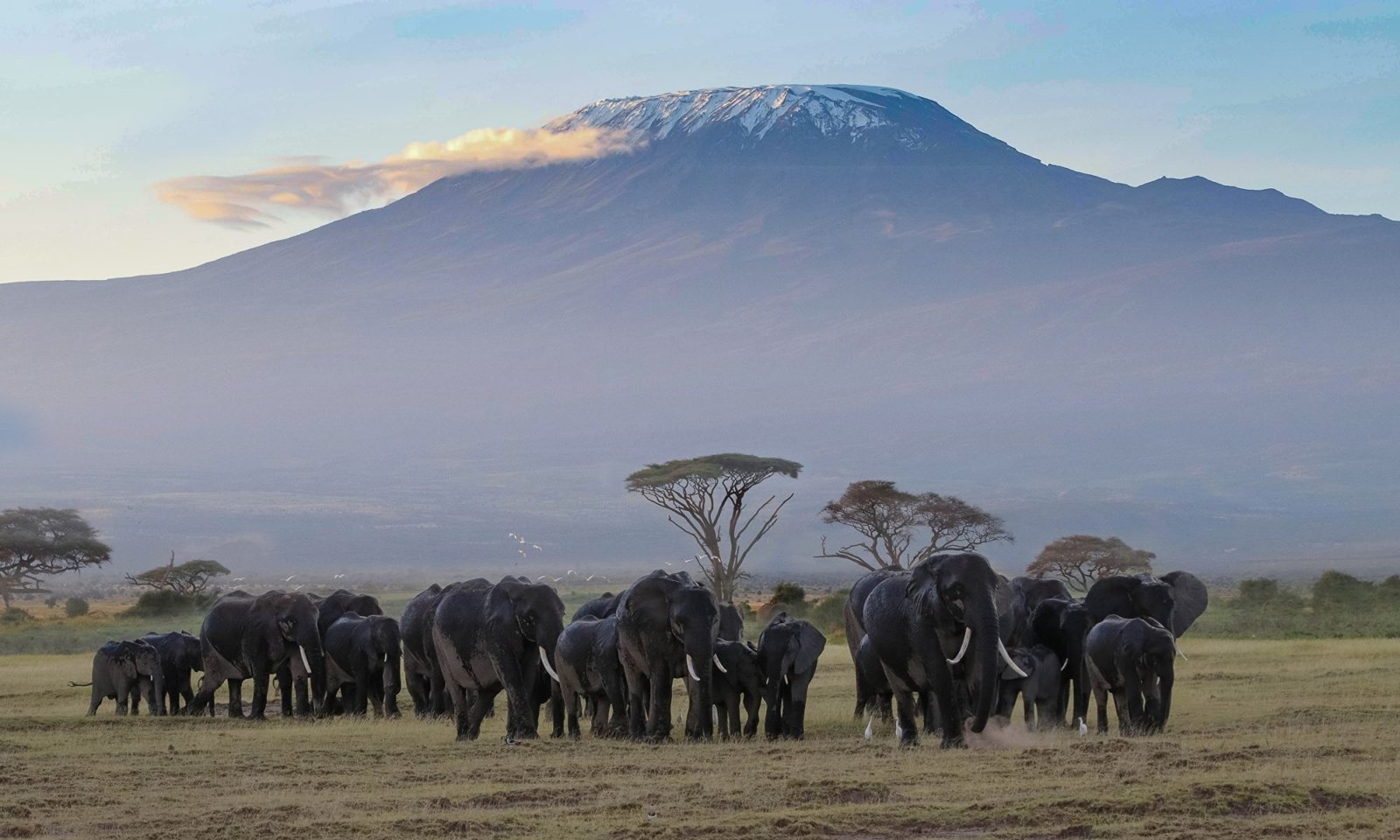
Amboseli National Park was formerly the Maasai Amboseli Game Reserve. This national park is 392.06km2in size at the core of 800km2,3100square miles ecosystem that spreads across parts of Kenya and the Tanzania border. Here, the local people around are the Maasai, who have been here for centuries, though more recently, there are many people who have come and settled within this land because of its successful tourism and agriculture. The National park is also famous for wild life and bird species of over 400 species, Maasai culture since it’s in their land and their villages exploring the culture, from the national park, it gives a clear view of the highest mountain in Africa and the highest free standing mountain in the whole world (Mountain Kilimanjaro The world life here includes, African bush elephants, cape buffalo, impala, lions, cheetah, spotted, hyenas, Maasai giraffe, grants zebras, blue beasts and others

Activities at Amboseli National Park

Game drives

Because Amboseli is home to many wildlife species, a game drive would be the best activity for the game lovers. The high population of elephants that inhabit open plains, acacia woodland, rocky thorn bush, and marsh. Game drive viewing is done mostly early morning because that’s when the wildlife is active, starting from early morning around 6:30 am- 11:30 am, and the evening drive starts from 2:00 pm until 6:30 evening in case you want to see animals in higher concentration. Animals also tend to concentrate on river banks looking for water. The common animals seen here include hyenas, and these are seen in the early morning. Bush babies and the serval cats can be seen during the night drives and walks. Big game can also be spotted like lions, elephants, waterbucks, buffalo, zebras, giraffes, hippos, fringe eared many others. So, game viewers should use the opportunity, and at Amboseli National Park, you will never regret it.

Bird watching

Amboseli national park is endorsed with several bird species over 400 and many of these can be spotted in the swamp, acacia woodland, grassland, and many birds like the greater flamingo, lesser, long toed lap claw, rufous chatterer, spike heeled heron, tavete, golden weaver, Dickason’s kestrel, common redshank, African swamp hen, pangani long claw, and many of them exist here and more. Like any National Park, the best time for this activity is from May to June, October to December, though the activity is carried out throughout the year in the different places along the park. Visitors are advised to carry their own cameras and binoculars in case they want to have a clear view

Guided natural walks

The stunning vegetation around the park, mammal species, and swamps can be spotted clearly while having a walk around the park. The activity is done around the park, on observation hills, since they can give a clear view. This activity helps the visitors who have their safari to Amboseli adventure hidden treasures since its done on foot and it doesn’t need to hurry involving clear and closer viewing of the wild animals such as herds of elephants, zebras, giraffes, impalas, viewing of birds, having a clear view of the tallest mountain in Africa (Kilimanjaro) and its snowcapped that could leave you liking what you will see.

Hot air balloon safari

The activity is done in the early morning as a visitor is lifted into the sky while viewing dawn over the Amboseli National Park and its inhabitants. It gives a good visual and clear aerial view of everything taking place in the park, experiencing the freshness of the air around the park. Animals like elephants, leopards, rhinos, and other big game are seen in the park. This activity could lead you to explore many things since it brings the visitor to a higher level in the sky and allows them to see the mountain Kilimanjaro and many other sights.

Cultural Tours

The Maasai have the best culture within the region. These are the local people who used and still live in this area, and they can be reached in the evening for any questions since they know more about the Park and their own unique culture. The thrilling traditional dances as they jump high, the way of dressing after joining them, in case you are interested, you will have a story to tell, trust me