Gombe Stream National Park

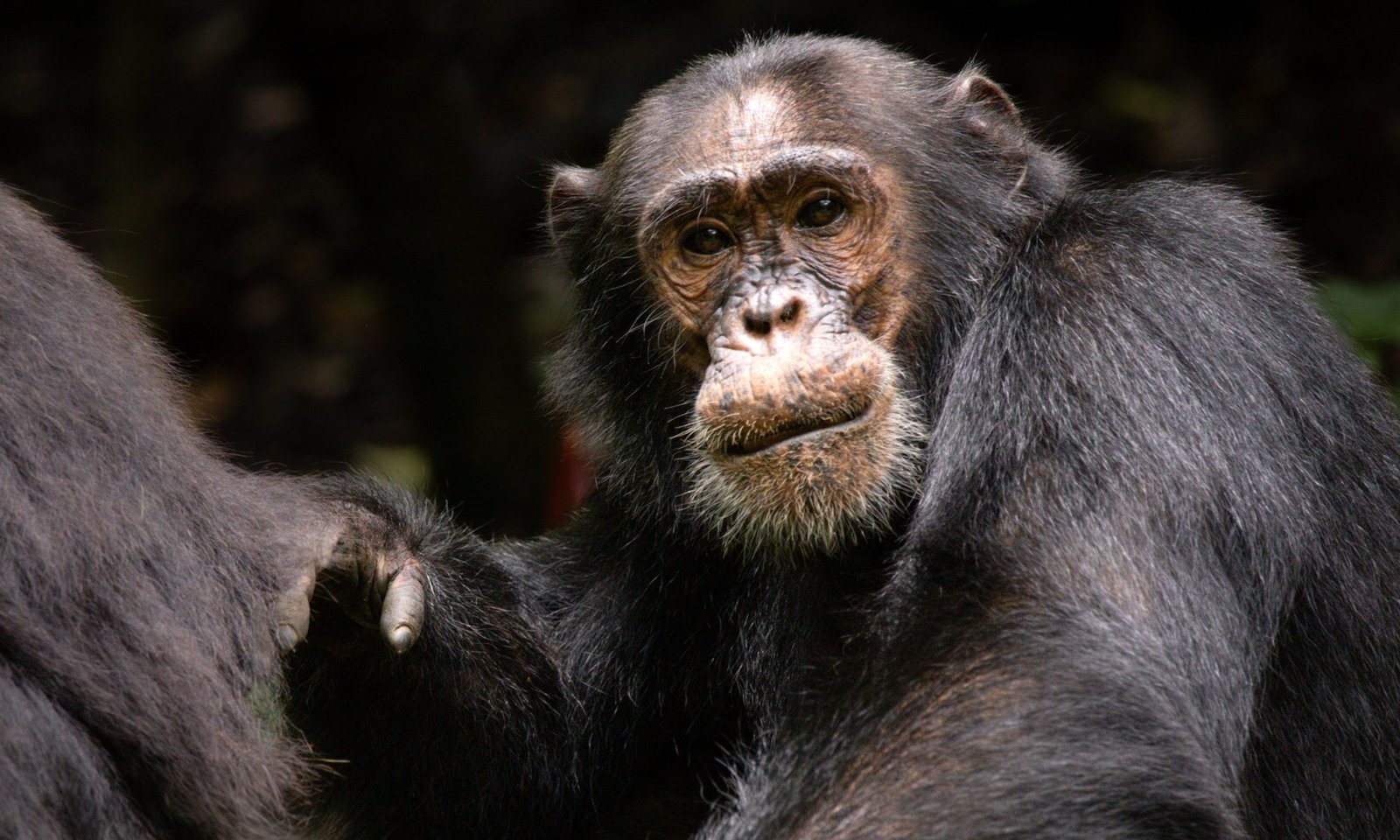
This national park is located in the western side of the Tanzania at the border of Tanzanian and the Democratic Republic of Congo. This national park is mostly known for the resident primatologist who used to take a lot year in the forest studying the behavior of the Chimpanzee called Jane Godall. This national park was designed as a game reserve in 1943, and was later upgrade as a game park in 1968.

The national park is located 16km from Kigoma north ward on the Tanganyika Lake shore. This national park is the smallest in Tanzania, with an area of 20km2 and acts as a home for the fragile Chimpanzees. This national park is the only park in Tanzania where Chimpanzees are can be trekked.

Gombe Stream National Park is situated on the on the wild shores of Lake Tanganyika, and the main attraction here is the Chimpanzees. This makes hiking in this jungle very easy because the area is very small. Apart from the Chimpanzees, there are other primates that are within this national park, and some of these include the Vervet and Columbus monkeys, baboons, and other mammals like wild pigs and antelopes. The national park also hosts over 200 tropical bird species. The park has 11 different snake species, of which primate trekkers should be aware of their existence and find a way of being careful. This national park also reported hippos, which are very rare, together with leopards. Lake Tanganyika, which is found within the national park, recorded over100 fish species within the water, including the colorful child fish

Activities of the Gombe Stream National Park.

Chimpanzee trekking at Gombe National Park.

This is the main activity at Gombe Stream National Park; trekking with these chimpanzees is a real adventure into the jungle. The trekkers are first briefed in the early morning after tracing where the Chimpanzee group might be, and then take off to the jungle. The activity may take from 1-4 hours, spending good time with the chimpanzees, taking snaps, and learning their behavior

Apart from these chimpanzees, there are also other primates like baboons, monkeys of different subspecies like the blue monkey, the red-tailed monkey, the vervet monkey, and many others.

The national park is also known to inhabit over 200 different bird species in the Gombe paradise. Some of the common birds include the African fish eagle, the flycatcher, tropical boubou, Livingstone’s turaco, the African broadbill, double-toothed barbet, crowned eagle, and the golden-rampant tinker bird.

The best-known time to experience birding is the months of November and April, as the migratory birds from North Africa and Europe are present.

Within the national park, there is also the longest and deepest lake in the whole of Africa that harbors over 300 fish species, and they are endemic, offering sunbathing and sunset viewing opportunities at its shores. There exists a magical waterfall at Kakombe and Mkenke waterfalls

The best time to visit Gombe stream National Park

This national park is open for visitors at any tie any day.  For those want to trek the chimpanzees and some other primates, your advised in the rainy season and before the dry season between November and December, the month of July to October the Chimpanzees don’t go very far as they just move around the park and it’s the best time for taking photographs though in the dry season of the rest of the months, chimps move very far away looking for water and a cooler environment.

Accommodation

Accommodation facilities at this national park include luxury, midrange, and budget accommodations

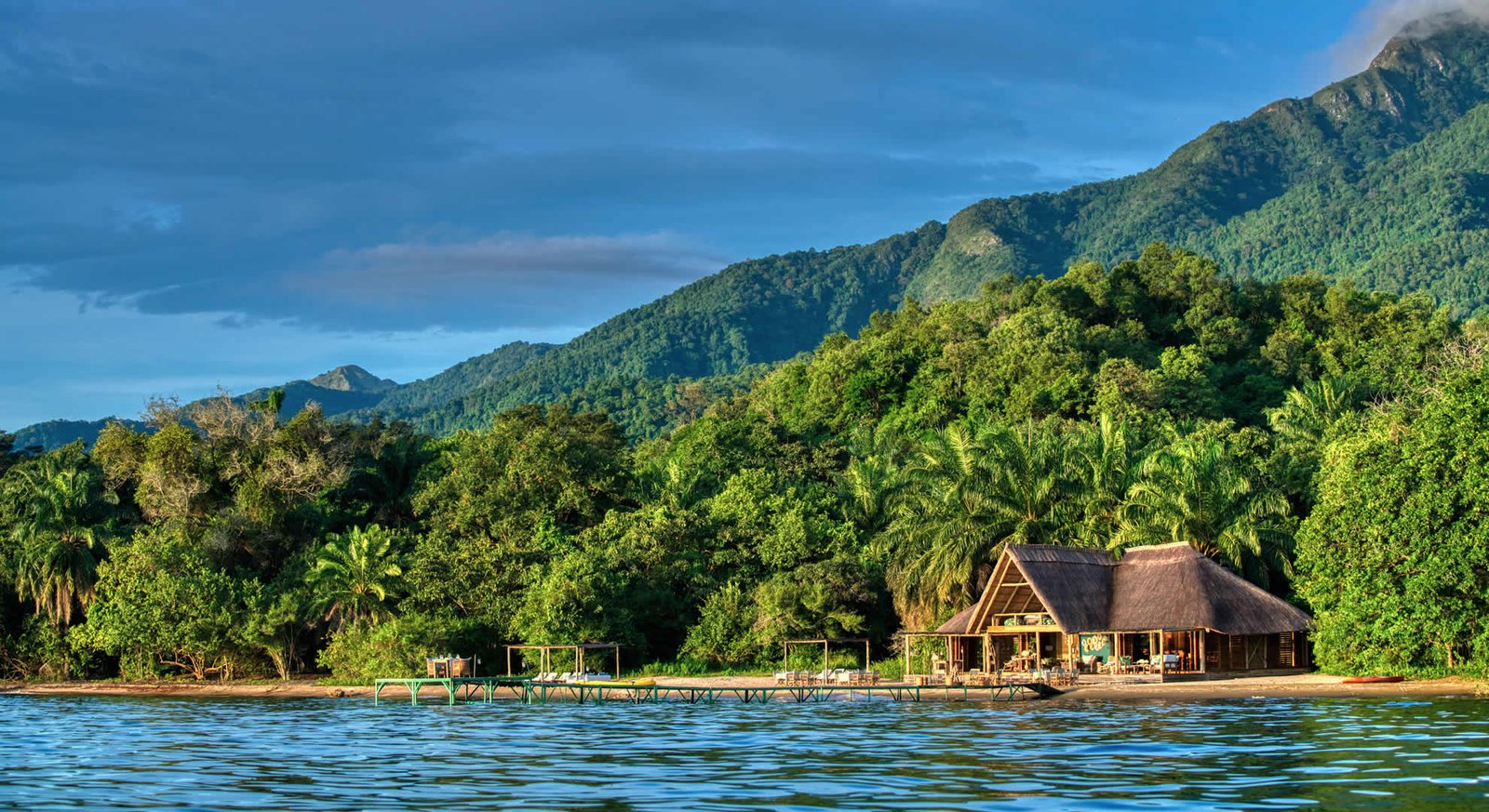
Inside the national park exist only one rest accommodation facility and one luxury tented camp. Though there are several accommodation facilities in Gombe town, including Gombe Forest Lodge, Mbali Mbali Gombe Lodge, Mbuzi Mawe Tented Camp, and many others

Saadan National Park

This national park is located on the shores of the Indian Ocean in Tanzania between the historical triangle of Bagamoyo, Pangani, and Zanzibar. The national park covers an area of 1100 square kilometers, and it’s the only sanctuary in Tanzania that borders the sea or ocean. Here, the climate is coastal, hot, and humid. This national park is unique in a way that it offers both marine, flora, and Fauna of the mainland. Though it offers culturally fascinating experiences

The national park habitat over 30 large mammals, birds, and reptiles.

The national park was gazetted in 2005 and encompasses a preserved ecosystem including the former Saadani game reserve, the former Mwanja ranch area, the Wami River, and the Zaraninge forest. Before combining it into a national park, it was managed by the World Wide Fund for Nature (WWF), and their goal is to preserve the extremely high botanical diversity of one of the last coastal rainforests remaining in Tanzania

History of Saadan National Park

The Saadani village was once an important town harbor and a slave trading Centre in East Africa, and by now it’s a small Swahili fishing village with over 800 people, mostly surviving on fishing and other neighborhood villages do cultivation, mostly coconut.

During the coming of the Portuguese and Arabs domination, the region gained importance in the 18th and 19TH centuries due to a high demand for Ivory and slaves, and the towns of Pangani and Bagamoyo became centers for the slave trade, and making them connecting to major market center of Zanzibar.

Bagamoyo’s and the Saadan’s caravan trade declined at the end of the 19th century while Dar es-salaam rose to be the most important trading center of the coastal trade region.

Commercial production along the coast, such as rice, sugar, and copper, which were exported to Zanzibar and India and they disappeared during the German invasion. They were replaced by cash crops such as coffee, cotton, and sisal for the European market. After the transfer of power from Germany to the British after the Second World War, Kapok cashew estates and the cattle ranches were established in the Saadani area. Ruins of a stone house still bear testimony to the former flourishing condition

The old German boma government house and several graves can be found in Saadani

Activities carried out at Saadani National Park

Game drives

This activity is conducted from 6:30 to 18:30, and mostly the roads are easily accessible during the dry season.

The guided nature walks

The guided nature walks to the jungle this activity takes from1-3 hours, and the preferred time to conduct the activity is from 06:30 to 10:00 in the morning, though the evening nature walk is accepted with guides from 15:30 to 18:30, and all the activities start with the guidelines to follow when moving in the making.

Boat cruise on the river.

This activity is done in warm water, and the longest takes 2 hours. During the cruise, animal is seen like crocodiles, hippos, and even predators came to the river banks to take water.

Bird watching

This national park is one of the top destinations for birders. The best place in Saadani National Park is at Mangrove lined canopy of the Want River banks and the grassland, some of the birds here, Crowned Eagle, Bateleurs, Mangrove kingfisher, flamingoes, little bittern, lesser kestrel, lanner falcon, avid birders, and the African skimmer, plus so many birds found in this national park

Swimming

The best way to relax your muscles after a long day hike is by immersing yourself in the cool water, and the Indian Ocean is there for you, and it’s cool during the afternoon scorching sun. Bathing is also fun view elephants come to drink water, and this is so fascinating

Cultural experience,

Apart from the involved in fishing, visitors can explore the African fishing villages and learn how people survived and still surviving and their ways of living and here you will enjoy the traditional dances performances by the local people and you visit the cultural centers of Saadani

Canoeing

The best time to visit this national park is in the dry season when the vegetation is not very thick, hence the clear views of the wildlife, and the best time could be from July to September. Saadani National Park can be accessed by either air or road transport. It’s about 4 hours’ drive from Dar es Salaam

Accommodation

The accommodation facilities are all in good condition in both luxury, budget, and mid-range accommodation with the best services, Zanzibar Palace Hotel, Sea Cliff Resort Spa Hotel, Tanganyika Coastal Campsite, Saadani Safari Lodge, simply Saadani Camp, Mizingani Seafront Hotel, and many others.

Nyerere National Park

This national park, formerly known as the Selous Game Reserve, is the largest national park in Tanzania and is also one of the largest wildlife sanctuaries and national parks worldwide. This national park has a total area of 30893square kilometers about 11928sqaure miles covering the big part of the district of Liwale in the Western Lindi Region, south west Pwani Region, north eastern Ruvuma Region and the bog part of the south eastern Morogoro region the area is said to be larger than 70 different smaller countries and its said to be twice bugger than Costa Rica in Central South America and twice the Belgium

This national park has a river called the River Rufiji, which is the largest and longest river in Tanzania, with numerous hippos and crocodiles. The delta within has one of the largest mangrove forests in the World.

Wildlife in Nyerere National Park

This national park is home to many wildlife species, i.e., lions, wildebeests, giraffes, zebras, hippos, Rhinos, African Wolves, and a large number of crocodiles in the river Rufiji, and this national park is famous for the large population of African bush/ wild dogs. It’s also home to elephants, though due to poaching, the number of these animals is being reduced.

What you should know about this national park

If we talk about the history of this national park, it stretches back to 1896, when its name was Selous. The German Governor in Tanganyika, by then, proclaimed this vast area as a protected area for hunting. And by 1922, the reserve was named after Fredrick Selous because the big game hunter had turned into a conservationist, and because of his love for animals, the reserve was named after him. By 2019, the Government of Tanzania decided to make this conservation area a national park to protect the animals from hunters and poachers, and it was named in honor of the late President of Tanzania President Julius Nyerere. The park was named Nyerere National Park, and by 2019, it was named a full national park under the full protection of the Tanzania National Parks Authority.

Some of the attractions in Nyerere national park

This national park has numerous attractions, and the most common ones are to see the big five, a large concentration of elephants, and hippos. River Rufiji is full of hippos and crocodiles, large population of wild dogs

The Rufiji river Myriad Oxbows Delta and Lakes

The Rufiji river is the largest river in Tanzania flowing from the northern part p\of the park and because the river is slow moving end up creating oxbow lakes in the northern flood plains and they create a beautiful landscape of plains and the woodlands interspersed with expanses of water

The Rufiji also has a lot animal like the large concentration of crocodiles, and the high concentration of hippos

Large concentration of wild dogs

In this national park, there is a large concentration of hunting wild dogs, and they are not all that many in other game parks. This park has the last true stronghold for hunting dogs in the whole of Africa

The diverse Bird life in this national park.

In Nyerere National Park, there have been 440 different bird species, and many are found in the sandbanks, oxbow lakes, and some channels are home to these species. The rare species of Pel’s fishing owls, white-backed herons that live in the wooded section of the river bank.

The national park has a large concentration of elephants, rare antelope species that include brindled gnu, Nyasaland gnu, Sable antelope, eland, and many others.

Some of the activities include, boating game drives, bird watching and many others

Accommodation

This national park has a variety of accommodation facilities and good services offered. The accommodation has been selected with a lot of care and attention to satisfy our visitors.

Some of these vary in luxury, though in beautiful locations surrounded by nature and close to wildlife of which include, including Beho-Beho lodge, Lake Manza tented camp, Kiba point, and lodge of which all these offer the best service to clients.

How to reach to Nyerere National park

Air. There are regular flights from Dar es-Salam and Arusha to a number of small airstrips supplying different camps and lodges

Road. There are two ways to get to the Park from Dar es Salaam. The shortest way is 240km and it goes via Kibiti to Mtemere Gate. The other way, but more interesting, is 350 km goes via Mikumi National Park, Morogoro, Ulunguru Mountains, and the Kisa to Matambwe gate.

Ruaha National Park

This is one of the few national parks in Tanzania that is a known wilderness area where one can have a rare experience of both game viewing and the supportive, fascinating landscape. The park is known for having rich game viewing and the common animals here include the greater Kudu (tragelaphus strepiceros) that can be only found in this national park.

The national park has rivers such as, Ruaha river, Mwagusi Jongomero and Mzombe are still used as the source of water for these animals within this national park and they are much better of use during the dry season where most of the rivers dry out though the par has a small number of springs saving the same purpose in the park

In the dry season, when all the streams have fade away, elephants obtain water from dry sand river using their front feet and the trunks. The remaining waterfall here along the Great Ruaha River is also important habitat for hippopotamus, fish and crocodiles

History

Historically, the national park was gazetted as a game reserve called Saba Game Reserve by the German colonialists back in 1910 and was later changed into Rungwa National Park by the British government in 1946. The southern portion of the game reserve was gazetted as Ruaha National Park, and in 1974, a small section of the southeastern part of the great river was incorporated into the park. The name “Ruaha” originates from the Hehe word “Ruvaha,” which means a river. Ruaha National Park of the Rungwe-Kizigo-Muhesi ecosystem that covers more than 45000km2. In 2008, Usangu Game Reserve and other important wetlands in the Usangu basin were annexed into the park, making it the largest park in Tanzania and East Africa, making it the largest park in Tanzania and East Africa with an area of about 20226km2 with animals such as elephants, buffalo, and antelopes. And some of the rare endangered species, like wild dogs.

Tourism attractions in Ruaha National Park

Animals

This national park has a higher concentration of elephants than any other park in the whole of East Africa. This is a place where the magnificent Kudu (both Greater and Lesser), Sable and Roan antelopes can easily be seen in the Miombo woodland. The male Kudu has beautiful spiraled horns, while the male Sable antelope has impressive curved horns. The national park is also known to harbor endangered wild dogs. Other animals include lions, leopards, cheetahs, giraffes, zebras, eland, impala, bat-eared foxes, and jackals.

This national park is also known to harbor several reptiles such as crocodiles, poisonous and non- poisonous snakes, monitor lizards, agama lizards, and frogs. The great Ruaha and Mzombe rivers are presumably the most preferred habitat for crocodiles.

Birds

The park is one of Tanzania’s bird paradises with more than 571 species recorded, and some of them are migratory birds, and more of them come from Africa, the west and north Africa, Madagascar, Asia, Australian rim have been recorded in the park.  Some of the birds include the Ruaha red-billed hornbill that dominates most of the area. The recently annexed wetland, the Usangu basin, is one of the country’s important bird areas (IBAs) as recognized by Birdlife International. Though birds can be seen all year round, the best time for bird watching is during the wet season.

Vegetation

This national park is characterized by a semi-arid type of vegetation, baobab trees, acacia, and other species. There are over 1650 plant species that have been identified. The park is the transitional point of two vegetation zones, the Zambezian (characterized by Acacia vegetation) and the Sudanian characterized by Acacia vegetation)

Historical and cultural sites.

Several historical and cultural sites in the park offer a visitor a chance to explore the southern Tanzania tribes. The early trade routes used by the Arab caravans crossed here. In 1830, these coastal traders expanded their routes northward, and in 1857 to 1858, other European explorers such as Burton and Speke used these routes too.  The known Chief Mkwawa used the same trade routes

The park area hailed the land of the brave chief Mkwawa, the chief of the Hehe people who resisted the German attack in the late 19th century. The fierce and successful battle held by the Hehe people made their land and themselves famous. Chief Mkwawa as the under the Hehe in the land of Ruaha, was very successful and tactical. Some of the outcrops and caves in the park are said to be the hiding places used by the Chief of Hehe and his warriors to fight the Germans, but still, they went to those places after and near the collapse of the Hehe kingdom. This means the land of Ruaha, where the Hehe and Mkwawa have a lot of attractions and secrets about the ancient native people.  Some of the cultural areas that were anciently used for rituals still exist at Ganga la Mafunywa and Chahe. The historical sites near the park include Isimila pillars near Iringa town, Kalega, Mlabalasi, Lugalo, and the so-called Gods bridge

There are also physical features, rift valley, rivers wetland and natural springs.

Activities at Ruaha National Park

There are many activities offered by the Ruaha national park of which visitors coming to this place can engage in of which include, bird watching, nature walks, game viewing, picnic experience, bush dinners, and the best season for nature viewing is between January and April.

How to get to Ruaha National Park

Going to Ruaha National Park is by many ways, there are, by air, there are both scheduled and chartered flights into the park mainly from Arusha, Dodoma, Kigoma, and Dar es Salaam. The park’s airstrip is located at the Msembe and Jongomero areas, and those willing to use the road, its 130km drive from Iringa town and 625km from Dar-es-salaam city, and the road into the park is passable throughout the year.

Accommodation

There are several luxurious tented camps, Jongomero, Kigelia, Mwagusi Safari, Old Mdonya River, Kwihala, Flycatcher, and the lodge, namely Ruaha River Lodge. And these are privately owned

Besides the inner accommodation facilities, there are facilities that were constructed outside the national park, and some of these include Hilltop Lodge, Sunset Lodge, Tandala Tented Camp, and many others.

Kitulo National Park

Kitulo National Park is a protected area of montane grassland and forest on montane forest on the Kitulo plateau in the southern highlands of Tanzania. The park is at an elevation of 2600meters above sea level between the park and the Pengere and Poroto mountains, lying in the Mbeya Region and the Njombe Region. This national park is administered by the Tanzania National Park Authority, and it’s the first national park in Africa to be established primarily to protect its flora. The local people near this national park refer to it as the Bustani ya Mungu, that is translated as the Garden of God, while the botanists have referred to it as the Serengeti of Flowers

History

The protection and establishment of this unique flora park was first proposed by the Wildlife Conservation Society in response to the growing international trade in orchid tubers and increased hunting and logging activities in the surrounding forests.  In 2002, President Benjamin Mkapa announced the establishment of a park, and it was later gazetted in 2005 and being the 14th national park in Tanzania, there is a proposal to include the neighboring forest of Mount Rungwa forest in a way of expanding the national park.

The Kitulo Plateau lies between the ridges. It’s montane grasslands and home for over 350 plant species, including numerous orchids, geophytes, and other Afroalpine plants. During the November to April wet season, the montane grasslands are carpeted with displays of flowers. Many species are limited to the Kipengere range and nearby highlands.

Ndumbi forest

This forest is at the eastern end of the Kitulo National Park, which includes montane evergreen forest and forest of East African Cedar. The former Ndumbi Valley Forest Reserve 27saqaure kilometers and was established in 1956, and was so important to the national park when it was created in 2005. It is famous for the 100-meter waterfall.

Attractions in Kitulo National Park

Plant species and flowers.

Kitulo National Park is home to various flowers, including 40 ground orchids. The park becomes a floral print for every tourist who wishes to explore the extraordinary landscapes covered with stunning trees and flowers. There have been over 350 different plant species, making it a place of botanical exploration. A bout 40 species of orchids are found, 16 of which are endemic to Kitulo and Poroto Mountains, three of them are found in Kitulo National Park only, not anywhere. The best time to go on a safari is from November to April, and I promise you will not regret. Some of the orchids which are rare in other places include aloes, giant lobelias, lilies, proteas, yellow-orange, red hot poker, aster daisies, and many others. These species are only endemic to Southern Tanzania, thus meet Kitulo National Park.

Birds.

This national park is home to various bird species, of which many reside at the Kitulo Plateau. For the people interested in birding, this is your destination. Birds are usually encountered in Alpine grasslands and Montare forests, some of the frequently encountered birds in Kitulo National Park include, rare Denham’s bustard, Njombe cisticola, Kipengere seed eater, mountain marsh widow, whistling ducks, open- billed storks, red knobbed coot, lesser kestrel, endangered blue swallow, pallid harrier and European white stork, bidders usually start their safari early in the morning. This can be a guided nature walk or a game drive to show visitors and explain to them all the needed information.

Wild animals.

This national park is also home to Flora species. Kitulo National Park hosts some wild animals that are very incredible to watch. Most wild animals are found in the Kitulo Plateau and in the magnificent Kipengere and Poroto mountains. These are animals well suited to survive in mountainous regions. Some animals include primates like vervet monkeys, Kipunji monkeys, the newly discovered monkey species in Africa, and Columbus monkeys. They are spotted hanging on trees and on the hilly places within the Kitulo plateau, Kipengere, and Poroto mountains. Other wildlife include roebucks, waterbucks, zebras, elands, and the reptiles include chameleons, and insects like butterflies are also frequent

There are other attractions like the spectacular mountain Livingstone, waterfalls, Matema Beach, and the Mhumbe valley.

Some of the activities in this national park include, walking safaris, canoeing, hiking, game viewing bird watching and many others ss

Accommodation

Base on choice, various accommodation facilities are available of which include, Mwakipembo public Campsite and Mau special campsite

There are many accommodation facilities outside the park, though they are near: Mbeya garden city hotel, Mikuyu royal hotel, Landmark Hotel, royal Tughimbe hotel and Mbeya hotel, others include, Diliki mini motel Hunge lodge and camp blue canoe safari camp matema lake shore resort church run hotels, zebras guest house, and many others.

Mkomazi

This national park is located in northeastern Tanzania on the border of Kenya in both the Kilimanjaro and Tanga regions

Mkomazi National Park was established in 1951 as a game reserve and was recently upgraded into a national park in 2005. The national park covers an area of 3234km2(323400 ha) and is dominated by Acacia vegetation. The national park came as a result of the union of the two game reserves, Umba and Mkomazi

How to get to Mkomazi National park.

By road, this national park is easily accessible via Same, that lies on the surface highway connecting Arusha to Dar es Salaam. The national park is also easily accessible on special arrangement through Njiro, Kivingo and Umba gates. The national park can either be reached from the nearby existing tourist attractions in East Arch Mountains, Coast and Kilimanjaro Mountain Charter. The flights are available to Kisima Airstrip

Attractions at Mkomazi National Park.

Birds

The park recorded over 400 different bird species making this national park a bird viewing destination. There are many different birds and the most common ones are, doves, hornbills, weavers, guinea fowls, martial eagles, and violet wood pikers. The birding in this national park.

Animals

This national park has typical arid conditions in Nyika, and the animals here include Giraffes, Oryx, gerenuk, hartebeest, lesser Kudu, eland, impala, and Grant’s gazelle. These share the park with elephants, buffalo, and numerous predators like lions, leopards, cheetahs, and in all the national park has recorded over 75 different animal species around the park.

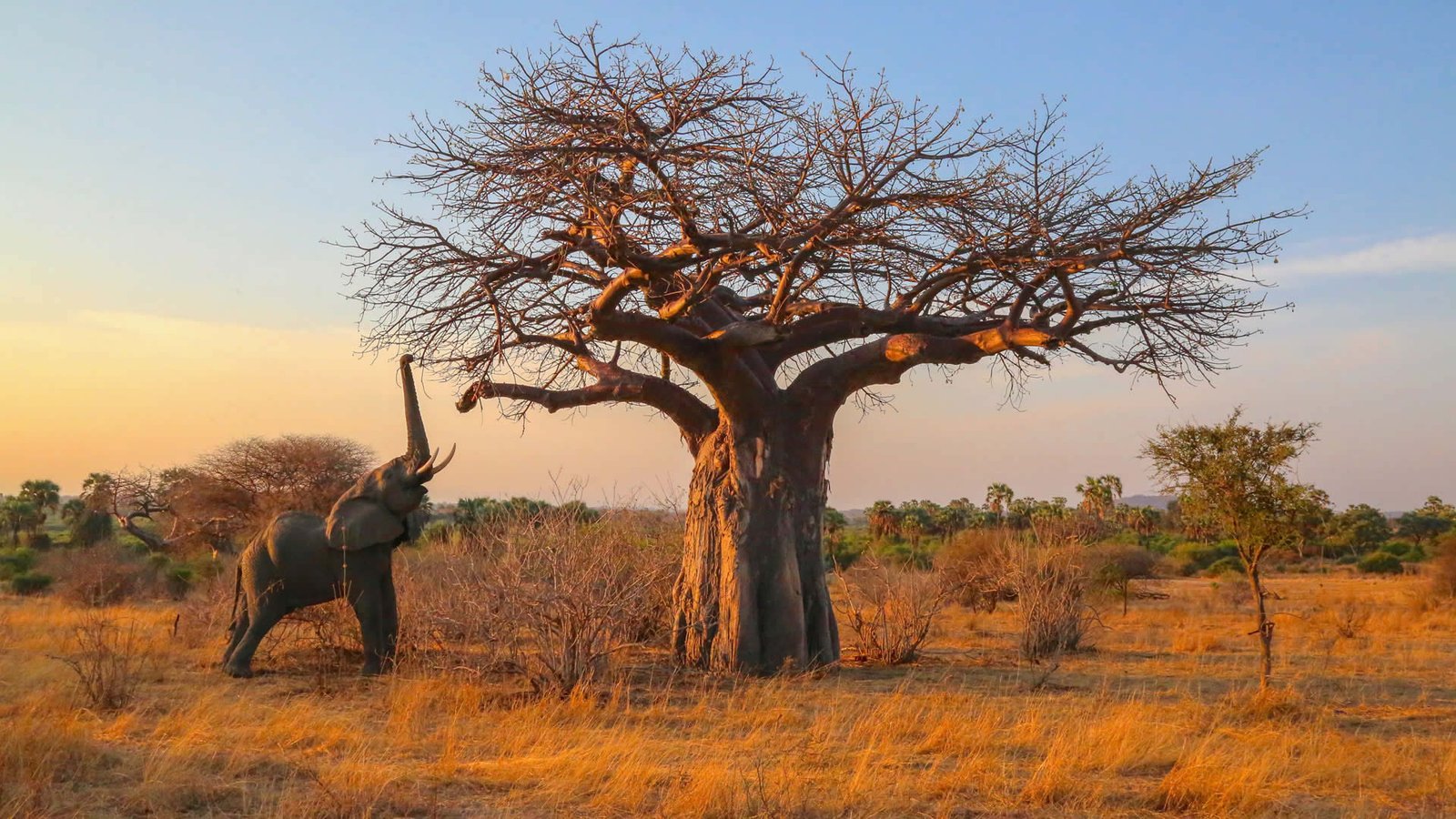
Mkomazi National Park is the southern tip of the Sahel Zone. It is a classic dry- country reserve of grey green Nyika bush, ancient baobab trees that can keep water from 300-1000 liters and can live over 600 years. The rocky, isolated hills. Elsewhere, the seas of bush give way to open savannah woodlands of umbrella acacia and mbugas- shallow valleys of grassland.

Accommodation

There are many types of accommodation ranging from the very low budget, mid-range and luxury accommodation and the close one are noted, The Tides Lodge, Double tree resort, Aluna Nugwi, beach Crab resort, and many others that offer best services

Location and direction.

It’s located in Northern Tanzania, split between the Kilimanjaro and Tanga administrative regions. The park boards on the west, Tsavo National Park of Kenya. The Zange Entrance gate lies 112 km (69 miles) from Moshi, 550 km from Mwalimu J.K Nyerere International Airport, Dar es-Salaam, 145kmfrom Kilimanjaro International Airport, and 120 km from Kilimanjaro National Park.

Katavi National Park

Katavi National Park is an isolated national park located in Southwest Tanzania, east of Lake Tanganyika. Katavi National Park has an area of 4471km2 about 1727 miles and it recorded over 3000 visitors in 2013. Because it’s a remote national park doesn’t take away from being the third largest national park in Tanzania. The national park encompasses the Katuma River and the seasonal Lake Katavi and Lake Chada floodplains.

This national park is known for its wildlife and several wildlife species are here particularly the cape buffalos, zebras, giraffes, and elephants, plus along the Katuma river, crocodiles, hippos, of which dig up man holes during the dry season to look for water and coldness and they can get compacted in a small channel of water looking for cool environment, other predators like the warthogs, cheetahs, leopards and the hyenas are also present in this national park this receives a little number of visitors not because it has no good game but because of its remoteness.

Activities at Katavi National Park

The main activity taking place in this national park is game drives. This can be made on the morning, evening, or even a full day. During the game drives, animals are seen in the way of which include zebras, hippos, leopards, cheetahs, and many other animals within the national park.

The guided nature walks are also supported in this national park, with big herds of buffalo, zebras, topi, elephants, crocodiles, and even the roan antelopes and the sable antelopes.

Bird watching

Katavi National Park is a one-stop destination for a birding experience with over 400 different species of birds occupying the park. Some of the common birds seen in the park include Red-billed Hornbills, Yellow-billed Saddle-billed Black Cuckoo- shrikes, Little Bee-eaters, crested barbets

You can also make a historical tour to the Stone Age and the Iron Age sites. You can also take a visit to the famous tamarind tree that is believed to have been inhabited by the spirit of Katavi, the legendary hunter. Local people put offerings to this tree to attain blessings. This can help you understand more about the park.

How to get to Katavi National Park

Coming to this national park by air, an arrangement of a flight is needed, and the Charter flight is ready to serve you. This is operated by the Zantas Air Services or Safari Air link. All flights will require landing on a dirt airstrip. The Ikuu airstrip near Ikuu Ranger post has minimal. It’s approximately a three-hour flight from Katavi to Dar es-salaam and a two-hour flight to Mwanza

Accessing Katavi may not be as easy as you think because the journey can’t be moved un hours rather in days from the town of Mbeya alone is 550km and from Dar es-salaam to Mbeya is 838km making a total of 1400km and this require over 20 hour driving none stop

Accommodation

Though this national park is remote, it has good and luxurious accommodation facilities where you will be very comfortable. The national park will offer you a camping site, though camping is optional. Some camping areas here were closed, and incase its rainy season, this place becomes muddy and not even easy to access because most visitors just fly to Dar es Salaam and don’t take many days here. Here are some of the accommodation activities, including Katavi Wildlife Camp, Mbali, Mbali Katavi lodge, Chada Katavi Nomad, and Palahala luxury lodge.

Location of Mikumi National Park

seeking destinations for visiting on short trips in Tanzania Safaris, then consider mikumi national Park that is located in the Southern part of Tanzania near the town of Morogoro its approximately 280 to 300 kilometers west of Dar el Salaam which is Tanzania’s largest city to other southern regions actually traverse the park which makes it relatively accessible from there with a road journey typically taking around 4 to 5 hours.

Self Drive Africa recommends self-drive adventures to southern Tanzania national Parks to fly into Dar es Salaam International Airport ( Nyerere Airport) to pick up their car rental in Tanzania for an ultimate self-drive Tanzania experience with the destination experts in offering road trips in Africa to explore African parks. 

How to get to Mikumi National Park

It can be accessed either by road transport (self-drive from Dar es Salaam) or air transport.  There are also roads connecting from the Selous Game Reserve, Udzungwa Mountain National Park, and Ruaha National Park; however, these can only be accessed during the dry season

There are chartered flights connecting from Dar es Salaam to Mikumi as well as from other national parks in Tanzania. One good service provider for these charter flights is Safari Airlink.

Things to do in Mikumi National Park

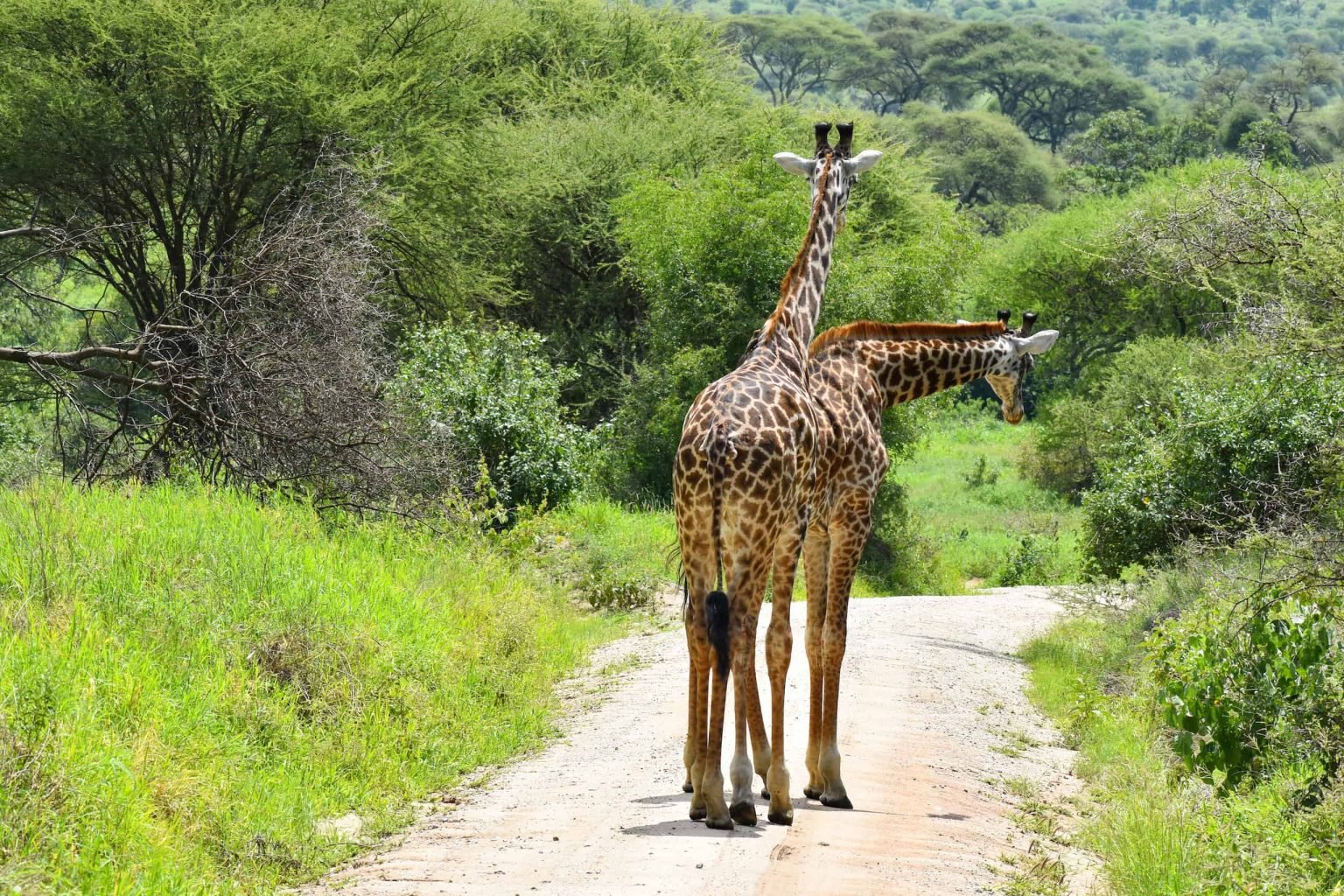
Mikumi National Park has numerous species and landscapes which are beautiful to see, such as the Mkata Floodplain in particular, which acts as a magnet for large herds of animals such as buffalo, wildebeest, zebra, and giraffe grazing peacefully under the African sun.

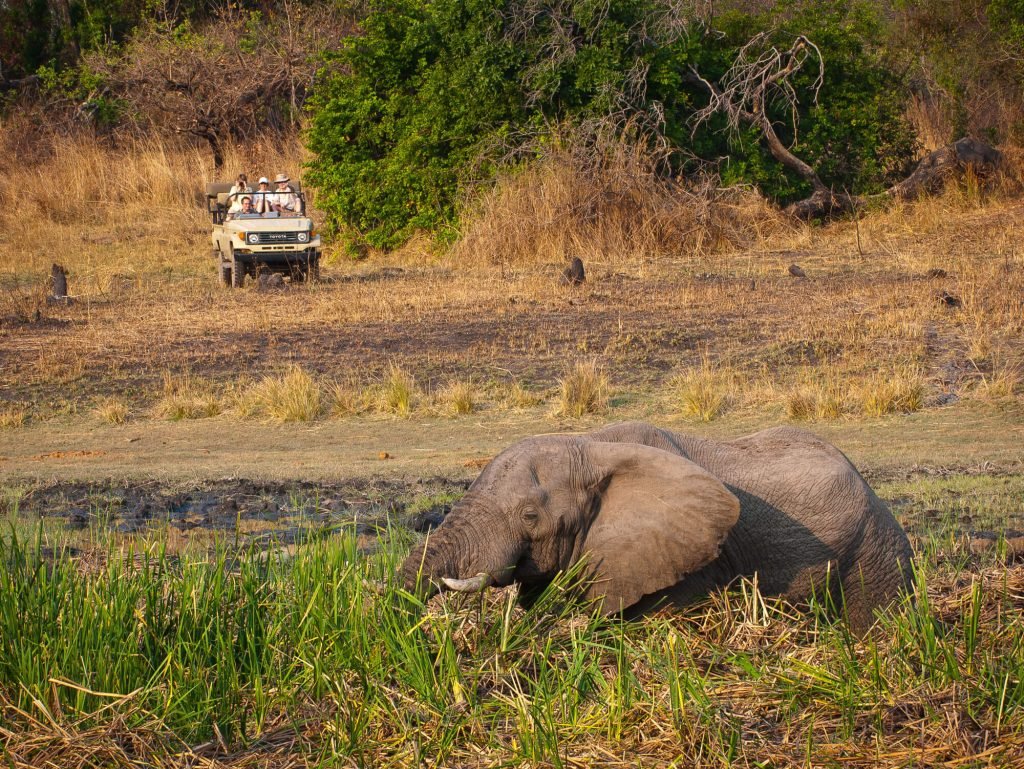
The park is also home to a healthy population of elephants, often seen wallowing in waterholes or foraging amongst the vegetation. Predator sightings are a highlight of any visit to Mikumi.

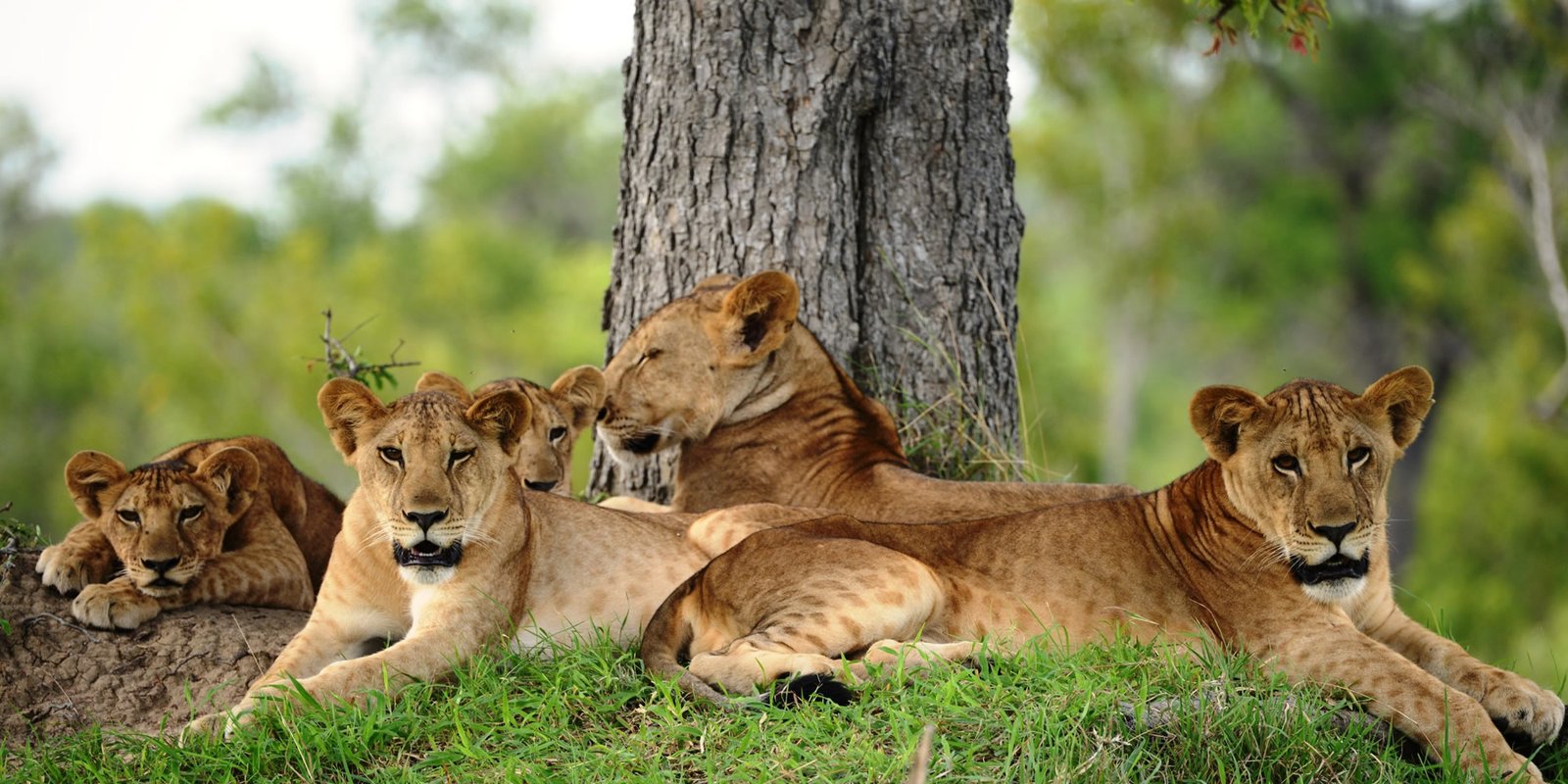
Lions are commonly spotted lounging in the shade or stalking prey across the open plains. Lucky visitors might also encounter leopards, often more elusive and typically found in the woodlands or rocky outcrops. Wild dogs, an endangered species, also roam Mikumi’s landscapes, adding an element of rare excitement to game drives. The park also offers encounters with a variety of other fascinating creatures during the game drives and walking Safaris.

The peculiar greater kudu, with its impressive spiralled horns, is a striking antelope species often seen in the miambo woodlands. Sable antelope, with their dark coats and scimitar-shaped horns, are another elegant resident. Smaller mammals like baboons, vervet monkeys, and various mongoose species add to the park’s vibrant ecosystem.   Birdwatchers will revel in the rich avian diversity of Mikumi, which boasts over 400 recorded species.

The park is a haven for spotting both resident and migratory birds, with sightings of colorful lilac-breasted rollers, vibrant kingfishers, and majestic raptors soaring above. The wetlands and acacia woodlands are especially rewarding for birding fans.  A unique draw of Mikumi is its tree-climbing lions. Although not as numerous as those in Tarangire National Park,  Lake Manyara National Park and Queen Elizabeth National Park, these intriguing felines are sometimes seen resting in the branches of acacia trees, providing a memorable and distinctive sight.

Best Time to Visit Mikumi National Park.

When it comes to self-drive safaris in southern Tanzania, there are times when they should be taken and avoided during rainy seasons, as they tend to be complicated for self-drive safaris in Tanzania due to the flooding of the game drive routes and trails.
The perfect time to venture is during   June to October because the vegetation is lush and to the animals are grazing in the fields since the resources are scare they tend to concentrate in areas with plenty of water and vegetation to feed on because there is little of no rainfall at all while in March, April and May there is a lot of rainfall and to the animals are quite hard to be spot because of the thick vegetation though it has few tourists and its quite.

Top Safari activities in Mikumi National park

In comparison to some of Tanzania’s more frequented parks, Mikumi presents a more peaceful and less crowded safari experience. This tranquillity fosters a deeper connection with nature and enhances the spirit of adventure with a lot of activities to such as game drives ,nature walks ,culture walks , and so much more in detail as follows ,

 Game drives

The park is generally leisurely, affording plenty of time to observe animal behavior and to take breathtaking photographs, and this provides a close interaction with the animals, and one gets to see them in their natural habitat.

Walking Safaris

This is a game-changing activity, a full adventure with the help of a guide to help you navigate the park, from exploring the animals by their tracks with the help of a game ranger, identifying game life, and also viewing the scenery of the park, even capturing stunning views and angles of the park.

Bird watching

The park has about 400 bird species for bird lovers. Whether you’re a seasoned bird lover or a curious novice, this can reveal a stunning array of wildlife from colourful rollers and kingfishers to majestic raptors and numerous water birds around the hippo pools.

Visiting hippo pools

Spend time exploring the park’s amazing creatures, which are the hippo pools with fascinating places to watch and see these semi-aquatic mammals wallowing, and this is a great opportunity to take photos and also learn about their behaviours and the way they live.

Cultural visits.

This helps one  to intercat with the local peole and also get a glimpse of how they live by visiting the local nearby masaai villages and learn of their behaviours and welfare .

Night drives

This gives one a chance to spot the animals from a different perspective because of the dark, which allows you to see nocturnal animals that are less active during the day but are active during the night, and their eyes are always shining bright during the dark, such as the lions and leopards, among others.

Mahale mountain National Park

Mahale Mountain National Park is found on the eastern shores of Lake Tanganyika in Uvinza of the Kigoma region, Tanzania. Named after the Mahale Mountains range that is within its borders. It was named after the Mahale mountain range that is within its borders. This national park is so unique that it’s among the only two national parks where chimpanzees can be found. It’s also known to have a high number of chimps and lions. The most unique thing in this national park is that there are no roads; all activities done here are done on foot, and on boats on the lakes.

Historically, this place was traditionally inhabited by the Batongwe and the Holoholo people, with populations in 1987 of about 22000 and 12500, respectively.

The Mahale Mountain Wildlife Conservation Centre was formed in 1979, and the people were forcefully evicted from this place to make way for this wonderful national park, and it was later opened up in 1985.

Activities in Mahale National Park.

Game viewing

In this national park,    you can get involved in game viewing, which is best done on the eastern slopes of Mahale. The animal species here include elephants, lions, wild dogs, giraffes, buffalo, bush backs, roan antelopes, waterbucks, and many others. This activity is done on foot and sometimes on a boat because the park has no big road around it.

Chimpanzee trekking.

This is an impressive destination for the chimp lovers, you have chances of seeing the friendly Chimps that share 98% of human DNA and it can be watched after your safari to Tanzania

Birding

The park recorded over 350 different bird species around the park, and the most common are the forest birds, and the common species include the African fish Eagle, giant kingfisher, crested guineafowl, Russ’s turaco, weaver birds, and many others.

The birds can be watched throughout the year, though the best time is from the month of November to April. During that period of the year, it can be the easiest way to see resident birds in their breeding plumage, and the migratory birds from North Africa and Europe are also present between March and April. During the rainy season, this activity is hindered by the slippery forest roads

Fishing/Snorkeling.

The park is located on the shores of Lake Tanganyika, the second-largest freshwater lake in Africa. The lake inhabits more than 100 different fish species, making fishing possible in this national park. Kayaking, scuba diving, boat safaris, and snorkeling are present.

Hiking in Mahale mountain National park

Hiking can be arranged for two days hiking up and one day down while camping midway and again near the peak. You can also hike Mt Mahake, one of the rewarding activities, and can be done in the company of the protected game guides. The hiking trails have decent slopes and during the hike, you must carry your own food and gear

Best time to visit this national park  

Though the park is visited freely throughout the year, there are some enjoyable times. The dry seasons that starts from July to October, when the chimps are easily seen in bigger groups and closer to the shoreline. The wet season is also not bad, though it needs real hiking into the jungle looking for the scattered chimps

How to get to this national park

By air

A domestic flight booting is required from the Charter flight Arusha and Dar es-Salaam. The flight may take until five hours to Mahale airstrip.  Flights are more common between the month of October and out of season are less regular.

By road

The roads are rough, and it can be tricky to access, mostly during the rainy season. You can drive from Arusha to Kigoma, then from here you will take either a boat or a plane, but it will take two to three days if used a car

Accommodation

Mahale National Park is remote, that give a chance to have a peaceful rest offered on the shores of the crystal clear Lake Tanganyika. Accommodation is luxurious and in tented camps on the beach, most with beautiful views across the lake. The forests behind offer wonderful walks to see the famous Mahale Chimpanzees.

Serengeti National Park

This national park is located in Northern Tanzania with an area of 14763km2 that’s 5700sauare miles. It’s also located in the eastern Mara from the Eastern Mara region and the northeast portion of Simiyu Region and contains over 15,000,000 hectares, or 37,000,000 acres of savanna. This national park was established in 1940 and is the largest annual animal migration in the whole world, with over 1.5 million blue wildebeest and over 2550000 zebras, and the largest lion population in the whole world.

History of the national park

By 1930, the colonial government of the Germans designated an area of 2286 km² of land as a game reserve in the southern and eastern Serengeti. In the same year, the Tanganyika Government established a system of national parks compliant with the convention relative to the preservation of both the Fauna and the Flora. The area became a fully national park in 1940. It was granted strict protection eight years after its establishment, after the formation of the Serengeti National Park Board of Trustees to administer the National Park. In 1959, the government split an area of 8300km2 about 3200 square miles in the eastern part of the park and re-established it as the Ngorongoro Conservation Area with an aim of accommodating the traditional land use interests of the Maasai people in a multiple land use area.

It then gained fame after Bernhard Grzimek and his son Michael produced a book, and the documentary titled Serengeti Shall Not Die

Fauna: The national park has a variety of animals, forming a Lion Conservation unit since 2005 having more than 3000 lions living in this ecosystem. The African leopards’ population density is estimated to be at 5.41 individuals per 100km2 about 39 square miles in the dry season.

African bush herds recovered from a population low in the 1980s, caused by poaching, and numbered over 5000 individuals by 2014. The African Buffalo population declined between 1976 and 1976 due to poaching, but later increased to 28524 individuals by 2008.

The black rhino population was reduced to 10 individuals in 19980 due to poaching and fewer than 50 individuals survive today in areas that are less affected and other

The park has reptile species that include the Nile Crocodile, leopard tortoise, serrated hinged terrapin, Rainbow agama, Nile monitor, Chameleon, black-necked spitting Cobra, African python, and many others.

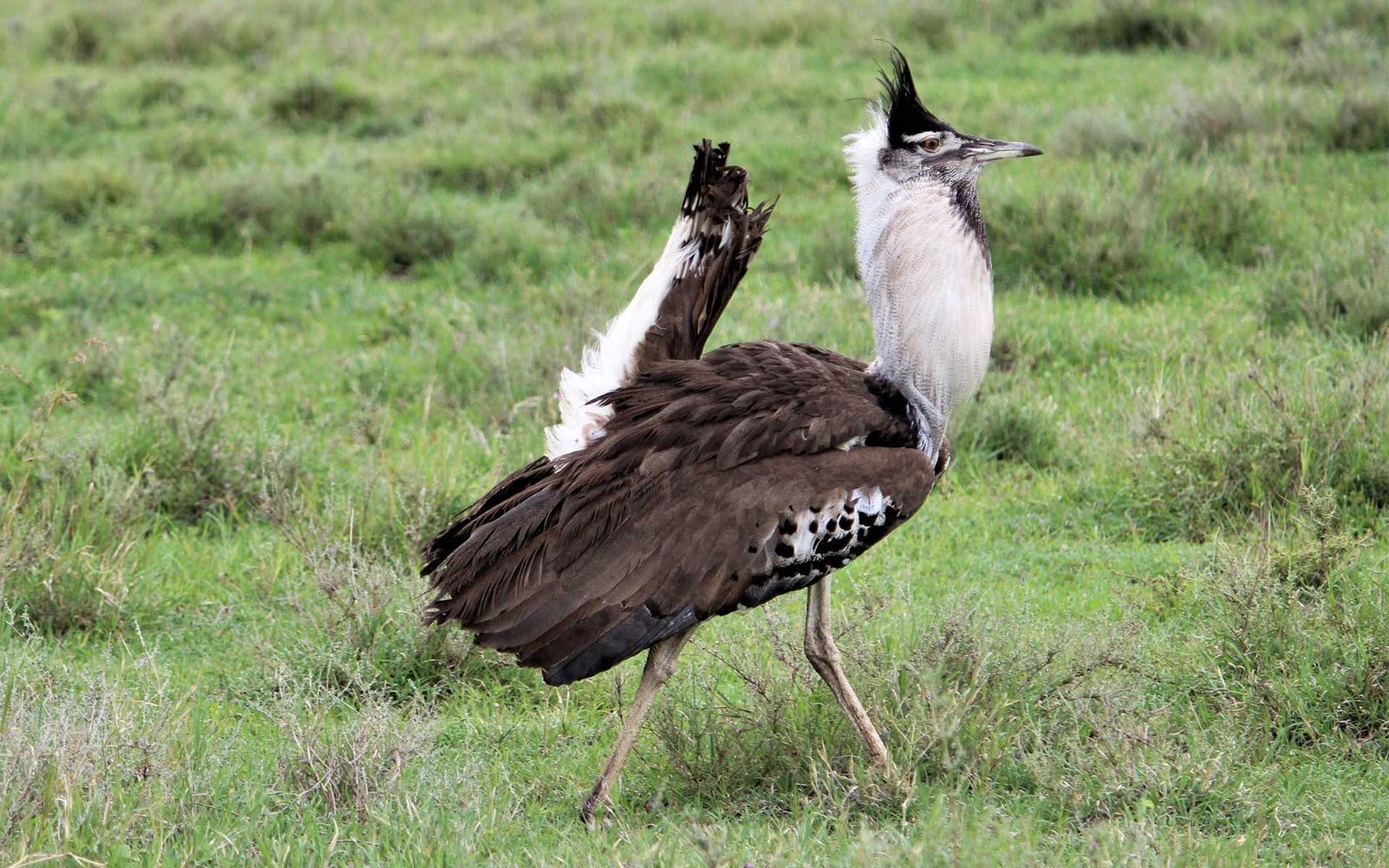
The park is recorded to have variety of bird species and some of the species include, Masai ostrich, secretary birds, Kori Bustards, helmeted Guinea fowls, Grey breasted spur fowl, Blacksmith lapwing, African Collared Dove, Red billed buffalo weaver, southern grand horn bill, yellow- billed storks, white stocks, Goliath herons, Tanzanian red billed hornbill, Egyptian geese, lovebirds, spur-wined geese, Oxpeckers, shoe bills and many others

Things to do

Tourist activities offered by the Serengeti National Park that visitors can engage in include,

Game Drives.

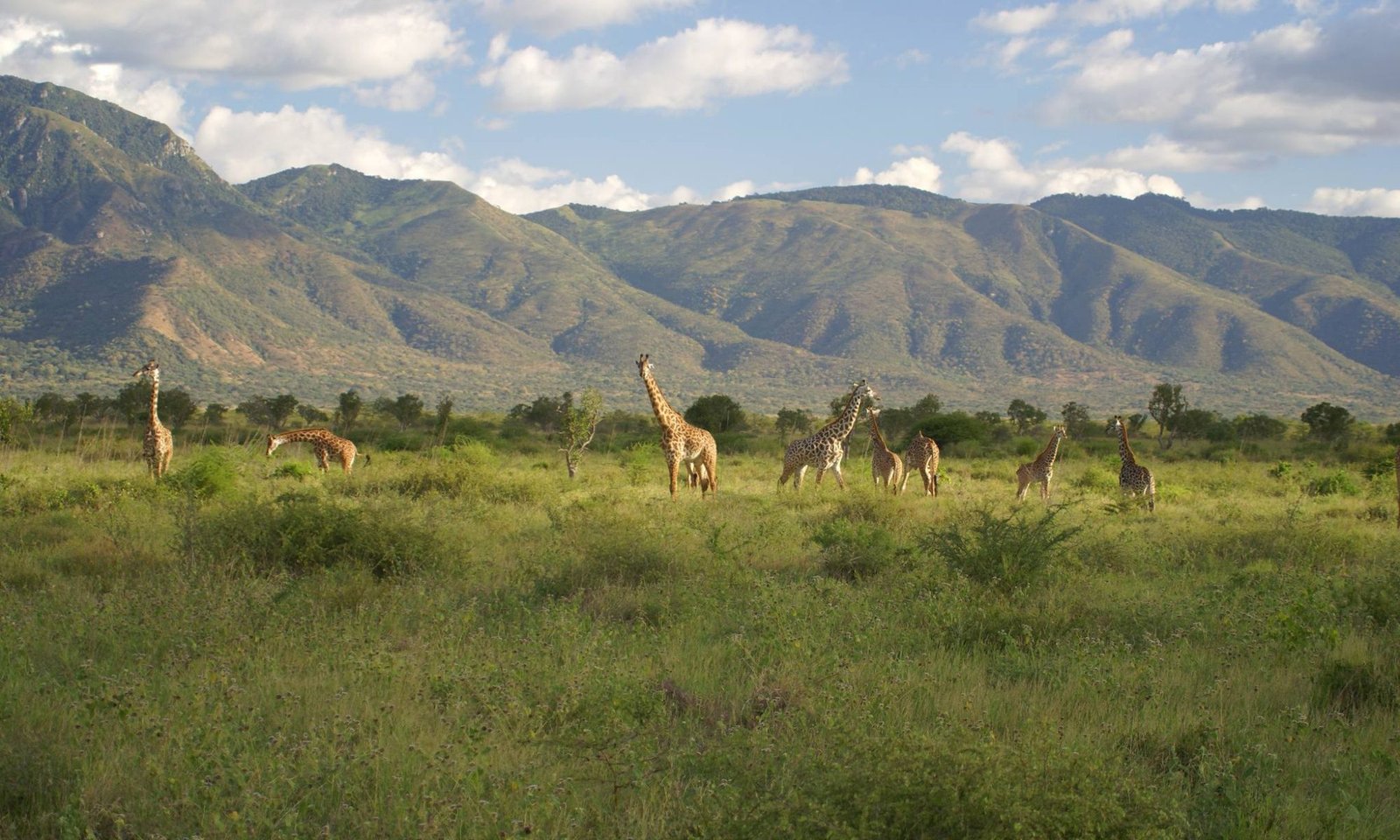
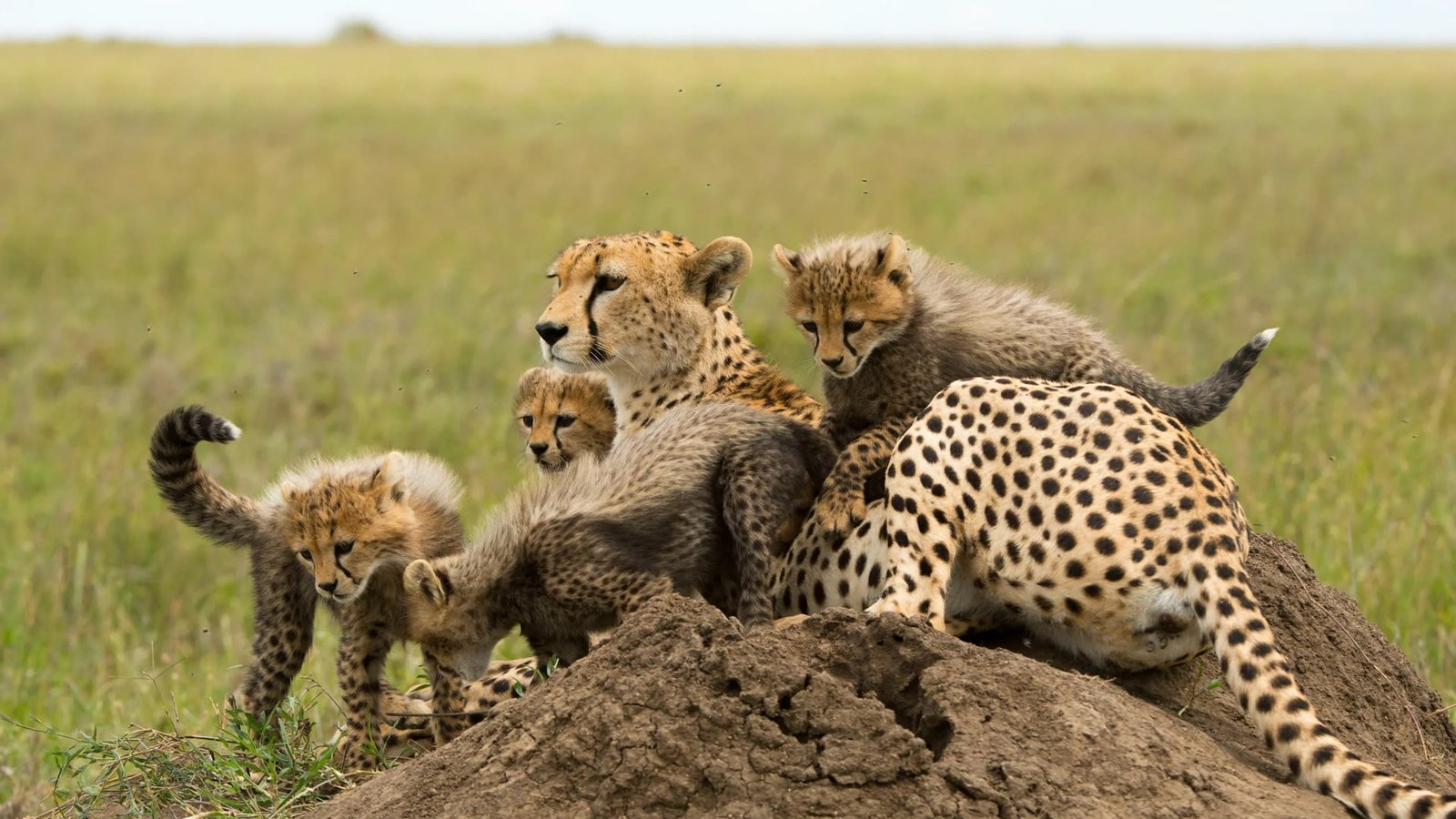
Game drives in Serengeti National Park can be done in the morning, afternoon, evening, and even the whole day. This activity is so popular, and visitors enjoy driving through the endless savannah. Some of the animals watched during the drive include leopards, cheetahs, zebras, lions, African bush elephants, African buffalo, black Rhinos, spotted hyenas, golden wolves, East African wild dogs, and many others. The park was divided into different sections. From the southern end bordering the Ngorongoro Crater to further North bordering the Maasai Mara National Reserve and the Seronera area, which is the central circuit where most of the morning game drives are done.  The game drives are categorized into four groups, including the morning drives, full-day game drives, afternoon drives, and night drives.

Birding.

This is a key activity taking place at the right place in Serengeti National Park. There have been recorded over 750 different species of birds across the endless plains of the Serengeti National Park, with the Nduutu area that has over half of the total bird species in the park. The birders don’t seem to hurry here; they have more time to look for their favorite birds as they move slowly to look for these birds and not scare them, so cameras should be in your hands. This national park harbors five bird species that are not found anywhere in the in Tanzania and other place in the world. Birding is done every time throughout the year, though birders are advised between November and April, which is a breeding period for most of the species within the park. The park also receives Migratory birds. This activity in Serengeti National Park starts early and takes the whole of the day, so food is expected to be carried during the activity. The most common bird species are the Kori Bustard, Secretary birds, Rufous-tailed weaver, Spur-winged plover, Ruppell’s vulture, Southern Ground hornbill, Grey-crested helmet, Black Eagles, Ostriches, and many other birds around

Hot air balloon experience

This activity starts early in the morning at around 5 am when the wind is at its peak. The visitors will be picked from the Camp very early, and the experience starts as you fly in the air watching wild animals, plants, and many other things through a clear eagle-eye view.

Visitors will have a briefing as early as possible, before 5 am, by the pilot himself. After you enter the basket. The balloon starts with a greater sound at the beginning and some shaking before ascending. All the scared will sit down and wait for the pilot to tell them when to stand up or open their eyes. After some time, when the balloon stabilizes, the crew will let you know to wake up and start enjoying the fresh air as you sail in the cool, fantastic winds.

The Hot air balloon is conducted in three sectors in Serengeti National Park, including the central Seronera Park, the northern Masai Mara, and the Southern Nduutu, and all sections enjoy this activity early morning and sometimes, depending on the weather. The hot air balloon experience can take from one to four hours, and it will end with a bush breakfast where the balloon will stop. The highs may reach 1000 meters above sea level, and if one wants to see the large open area, it may go beyond.  Many companies offer hot air balloon experiences, and they are used because of their experience in the field.

How to Get there

By road: The most popular way to travel by road to this national park is a general drive from Arusha town to Serengeti National Park.  And those passing through the Ngorongoro Conservation Area, the only option is to fly and then drive, taking an overnight stop to visit the Ngorongoro Crater.

Coming from the crater, the distance to the Seronera area in the Serengeti is about 140km/90 miles, and the driving time is only 2-3 hours

Accommodation

Accommodation facilities are divided into three categories: luxury, mid-range, and budget accommodation facilities, and these include Kigelia Camp, Mdonya Old Camp, and Zebra Kameng’ore Bush Tented Camp. Lemmale Ewanan Tented Camp, Andeyond Grumeti Serengeti River, Ndutu Serengeti Savannah Camp, Mbugani Camps Seronera, Suenos de Africa Luxury Camp, Mount Royal Villa, Camp Zebra Serengeti, Into Wild luxury camp, and many others

Wildebeest Migration  Experiences in Kenya

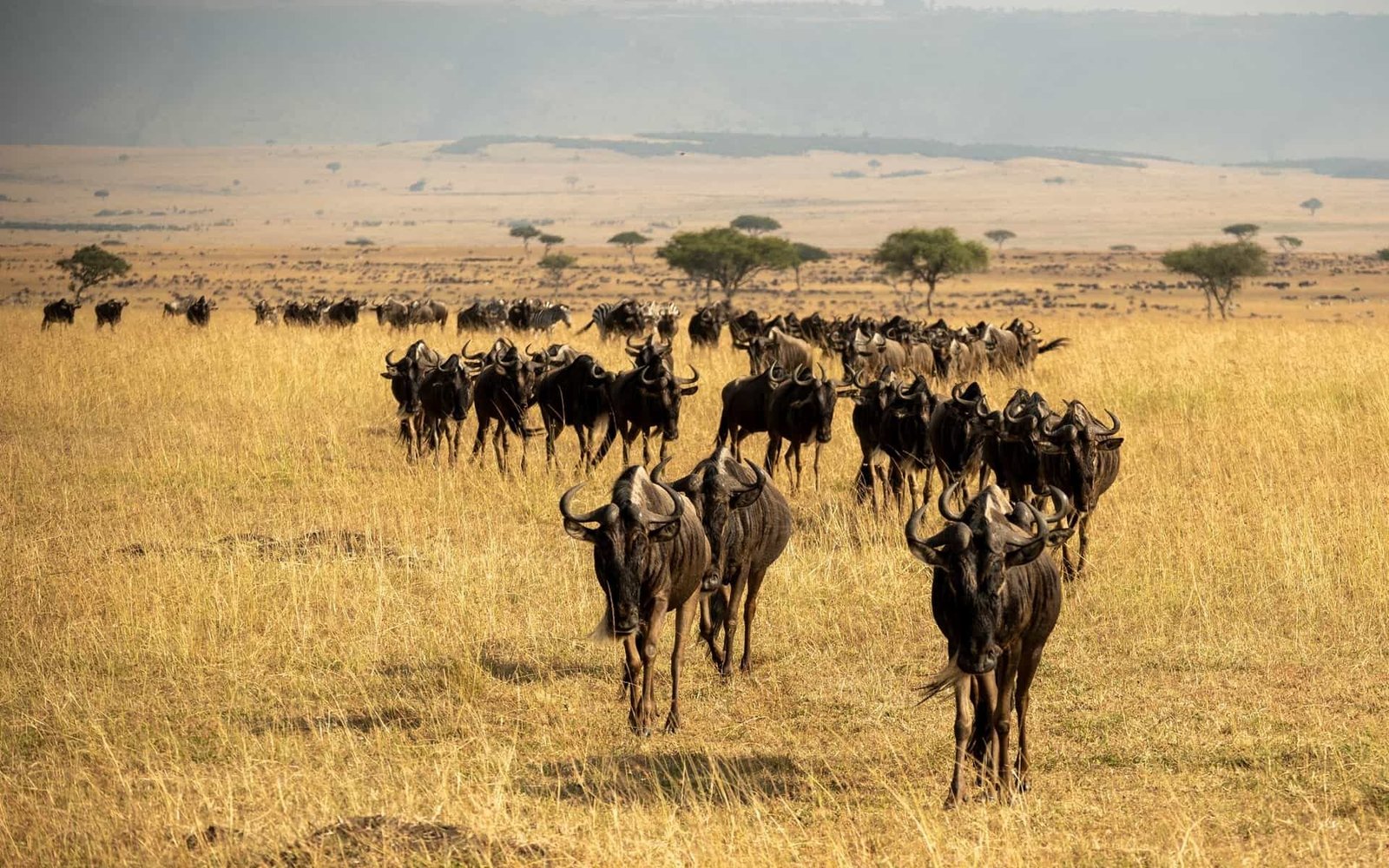
The Annual great migration, which commences its seasonal cycle in neighboring Tanzania’s Serengeti National Park, consists of a spectacular 1.3 million wildebeest and 400000 zebras sweeping across the landscape as they trek towards greener pastures in the Masai Mara. Along with dramatically contrasting landscapes ranging from moorlands to deserts, coastal shorelines to intricate and alluring forests, colorful tribes like the Samburu and Masai Mara.

The best time to see the migrationn and river crossings is from approximately mid july to mid October when the herds of wildebeest and zebras reside in the Mara region and northern Tanzania before returning to the southern Serengeti . From the southern Serengeti of Tanzania a major portion of the migration moves northwest towards lake Victoria , then north cross the Mara river into Kenya in search of grass , usually returning to Tanzania in late October .  

In Masai Mara National Reserve   no longer allow private guided Self drive holidays

Things to do in Serengeti National Park.

Serengeti National Park offers a variety of exciting activities that make it a must-visit destination for nature lovers and adventure seekers. Here are the top activities you should experience and why make Serengeti a top choice on your travel list.

Game Drive.

Explore the park’s diverse wildlife and ecosystems on self-driven or guided tours, witnessing the Great Migration (seasonal) and spotting the Big Five (lion, leopard, rhinoceros, elephant, and Cape buffalo). A morning game drive in the Serengeti is the most popular activity, offering the best chance to see the Big Five and other wildlife. It starts at sunrise and ends around 11 a.m., when animals like hyenas, wild dogs, lions, leopards, and hippos are most active. The early hours are great for spotting nocturnal creatures returning to their dens or herbivores heading out to graze. To fully enjoy the experience, consider having an early breakfast or asking your lodge to pack a meal. Afternoon game drives run from 2:00 p.m. to 5:30 p.m., or you can opt for a full-day game drive from 6:30 a.m. to 5:30 p.m.

Serengeti Balloon rides

Experience a unique perspective on the park’s landscape and wildlife. This gives you a unique view of the park, soaring high above the plains to see animals, especially during the wildebeest migration. The ride ends with a champagne breakfast in the wild, and it’s perfect for special occasions like honeymoons or birthdays. However, it’s important to book in advance and expect to pay around $500 for the experience.

Walking Safaris and Bush Walks

Embark on self-guided walks to explore the park’s terrain, getting up close to nature and spotting smaller wildlife. With this, you get to experience all sorts of wildlife on the way, visiting and exploring many attractions within the park like the Lobo Valley, Big Cats’ Footprints, the Serengeti’s Landscape and many others.

Camping: 

A popular activity during a safari in the Serengeti is camping in the wilderness. Your hotel will typically provide all the necessary camping gear, a chef, and armed guards for safety. Camping is especially exciting when traveling with a group, offering the chance to enjoy time together under the African sky. Basic tents are priced around $50 per night, while luxury tents can cost up to $900 per night. Regardless of whether you choose budget or luxury, you’ll still experience the thrill of sleeping in the African wilderness, surrounded by the sounds of birds, roaring lions, and the rustle of nervous herbivores.

Birdwatching

discover the Serengeti’s vast array of birdlife Bird Watching, in Serengeti National Park is home to 542 recorded bird species, including 100 permanent residents and 11 species that are unique to the Serengeti. Between November and April, migratory birds from Europe and North Africa also pass through the park. Notable species to watch for include the Great African Ostrich, vultures, Black-headed Heron, D’Arnaud’s Barbet, Dark Chanting Goshawk, Decken’s Hornbill, Grey-breasted Spurfowl, Grey-headed Sparrow, Purple Grenadier, Red-backed Scrub Robin, Rufous-tailed Weaver, Secretary Birds, Kori Bustard, Variable Sunbird, White-bellied Go-away Bird, White-crowned Shrike, and Yellow-throated Sandgrouse.

Wildebeest Migration

Every year, over 1.6 million herbivores, including zebras, gazelles, and wildebeest, migrate between Serengeti National Park and Maasai Mara National Reserve. Along their journey, they face numerous challenges, including avoiding predators such as lions, hyenas, leopards, and wild dogs. One of the most perilous obstacles is crossing the Mara River into Kenya. The wildebeest must navigate through crocodile-infested waters and strong currents, with the risk of drowning or causing deadly stampedes if they cross at the wrong point. The wildebeest migration is a major draw for tourists to the Serengeti, offering remarkable opportunities to witness dramatic predator-prey encounters. Visitors can also spend hours observing the wildebeest as they graze or give birth during the calving season.

Guided nature walks

Offer a fantastic opportunity to explore the Serengeti in a way that a regular game drive can’t. These walks are spontaneous, not following fixed paths, which makes it possible to encounter reptiles, birds, insects, and unique plants along the way. Many accommodation facilities organize these walks, where you will be accompanied by an armed ranger who is knowledgeable about the park’s terrain and its various species.

Getting there

One of the most popular ways to reach Serengeti National Park is by flying into Kilimanjaro International Airport (JRO), located about 50km from Arusha. Other options to reach Arusha include flying in from Julius Nyerere International Airport in Dar es Salaam (DAR) or Zanzibar (ZNZ), and landing at Arusha Airport, which serves domestic flights in Tanzania. Arusha is the gateway to Tanzania’s northern safari circuit, and the nearest town to the Serengeti.

By Road: It can be accessed from all towns and cities to the present entry or exit points/gates, namely Naabi Hill, Seronera, Ndutu, Kusini, Kirawira, Handajega, Ikoma, Tabora ‘B’, Lamai, Lobo, Ndabaka, Machochwe and Kleins.

Rules and regulations within the park

  • Drive at a low speed of 50km/h and 25km/h in Serengeti National Park.
  • A 4WD vehicle is recommended to be used with in the park and during game drives.
  • Camping and Picnicking are allowed only in designated sites.
  • Keep a safe distance from animals that is animals always have the right of way.
  • Make sure you always stay alert and follow the park rules and regulations.
  • Stay on marked tracks all the time inside the park.
  • Driving in the park past 6 pm is not allowed if that time is exceeded you will be charged of the extra time.
  • Never feed animals. It will upset their diet and lead to an unnecessary dependence on people.
  • Do not pick, cut or destroy any vegetation or remove any object of biological interest, including eggs, bones and trophies.
  • Do not disturb or harass the wildlife in any way that is to say radios and music players are forbidden. Please do not imitate animal’s sounds, clap or pound on vehicle or hoot. Do not throw objects to attract animal’s attention.
  • Do not litter. Keep your waste in the vehicle until it can be properly disposed later at your lodge or camp. Litter can choke or poison animals and birds.
  • Do not smoke while on game drive and always dispose cigarettes carefully, a burning cigarette can start a wild fire that would cause damage to vegetation and suffering to wildlife and people.
  • Do not light or cause fire to be lit. If camping, be sure to extinguish your fire carefully.
  • All visitors must remain in their vehicle within 200 meters of any game animal. Leaving the vehicle in the parks is forbidden except in designated places.
  • Discourage your driver from approaching the animals too close (25 meters). Lions, cheetahs and leopards are especially nervous; a vehicle can hinder their hunting or make them leave a hard-earned meal. Your driver may be banned from the area and/or lose his job.
  • Domestic pets are forbidden in the parks.
  • It’s is not allowed to use/operate drones in any park.

Arusha National Park

This beautiful Park has often been called a little gem, and rightly so. It is only ½ an hour by tarmac road from Arusha town, the safari center of northern Tanzania. With mountains, valleys, lakes, and small plains clothed in green, it has a wonderful feeling of peace and solitude. It is dominated by Mount Meru, which at 4,566 m (14,980 ft) is the 3rd highest free-standing mountain in Africa.

This is a smaller national park found in the northern part of Tanzania, south of Kenya, just outside Arusha Town. This national park has an area of 137 square kilometers (53 square miles), making it to be among the small national parks not only in Tanzania but in the whole of Africa. Some people consider this national park as a sister of the Kilimanjaro national park, which is just east of Arusha National Park, though some visitors can visit both national parks, mostly the mountain hikers.

Although the national park is smaller, the standards are diverse. There are three main unique areas within the park: the Meru crater, located in the western part of the park, which provides runoff into the Jekukumai River. Ngurdoto Crater is located in the southern part of the area, which features a rich grassland ecosystem. The northeast part of the park gives way to Momella lakes, which are a haven for birds that come to take advantage of the algae in the lakes.

The surrounding forest is a base and a home for varied wildlife and an abundance of birds. The park recorded over 400 different bird species, making it a bird-watching place. Other animals include buffalo, bushbuck, eland, warthogs, zebras, elephants, and the park has leopards, though not very easy to find.

Attractions

Mountain Meru:

This is a magnificent feature found in this national park.  It lies in the east of the Great Rift Valley. Mountain Meru is a volcanic mountain, and it’s an active one with the highest peak at over 4566 meters above sea level, and that makes it the second tallest mountain in the whole of Tanzania with a base of 20kilometers. This is said to be the tallest mountain in Tanzania, though, because of the mass wasting, some of its parts were broken off a long time back, forming a caldera. This mountain is said to have last erupted in 1910, and by now it’s very helpful for tourism activities such as mountain hiking, magnificent scenery, and a rewarding experience involving a dramatic walk along the knife-edge of the crater rim.

Birds

This national park is said to have recorded over400 different bird species within this national park and some of the common bird species recorded and easily seen include, the flamingo birds, African fish eagle, African olive pigeon, bar tailed- trogon, great crested grebe, bronzy sunbirds, Egyptian goose, pelicans, bronzy sunbirds, pied avaced, red crested Oxpeckers, great headed bush shrikes, red fronted parrot, scaly francolin, silvery-cheeked hornbill, Southern pochard, tawny eagle,  and the most common birds are the flamingo birds because many of them have spread all over river Momela

Momela lakes

This is also one of the most significant attractions found at this national park, having seven different alkaline lakes formed as a result of volcanic debris, which resulted from such a huge eruption that happened about 250000years back. This place is a great part of Tanzania’s birding safari as they habituate most of the bird species in this park

The fig tree. Fig tree arch in Arusha nation al park is an arch-shaped tree with an arch large enough for a tree or an elephant to pass through. The fig tree is a spectacular photo-taking point in this national park, offering many angles for amazing pictures, such as standing under it or with your head out of your safari vehicle while under it. These fig trees grew from the parasitic tree dropped by foraging birds, and it visited while on a Tanzania hiking safari to the Tululusia waterfalls.

There are other attractions like the Ngurudoto museum, Tulusia Hill, and Ujambo Wa Mbogo.

Activities taking place at this national park

There are many activities the visitors can engage in on their safari at Arusha National Park

Mountain climbing

Because mountain Meru is the second highest national park in Tanzania, this activity is so supportive. It’s the fifth mountain in the whole of Africa, making the mountain hiking so interesting. With a height of 4566 meters above sea level. It’s said that mountain Meru was much higher that the todays appearance, though some parts are said to have been broken down due to age and mass wasting. Hiking to the top of this mountain may take up to 2- 3 hours to fully reach the summit of the park. During the activity, a lot of wild animal, birds, and a fascinating scene is observed in this fantastic adventure.

Canoeing

Arusha National Park is one of the most protected canoe rides you can ever think of. The activity is done in smaller Momella lakes with the help of a well-trained and experienced guide who will be paddling along the lake. During the activity, visitors will enjoy the peaceful and quiet ride, and you will be able to spot different animals like hippos in the water, bushbucks, waterbucks, giraffes, buffaloes, zebras, among others, on the lake shores. Water birds like the flamingo, ducks, and fish eagles are seen, and great pictures are taken.

Guided nature walks.

This is an adventurous activity done at this national park that allows the visitor to explore the park on foot. The Arusha National Park has fewer danger animal, thus making the activity smooth. During the walk, you will pass below the mountain trail, Ngurdoto, Crater, Kitoto to Njeku viewpoint, Momela gate, then to Ikokoni, Tululusia waterfall, and then Ujambo wa mbogo area. During the hike, a lot of birds and animals are seen along the way.

Bird watching.

Bird watching: Arusha National Park is home to over 400 bird species, including endemic and near-endemic species, which makes it one of the best birding destinations in Tanzania. Birding in the park is best carried out on the alkaline Momella lakes and forests, where birders will have incredible views of different bird species such as Verreaux’s eagle, augur buzzard, greater flamingos, little grebes, secretary birds and many others in the way. During the activity, another activity is also taking place, like visiting the lakes of Momella

Game drives

Many animal species are seen during the drive. You will follow different tracks in open savannah grasslands such as Serengeti Ndogo, where you will be able to spot animals like dik-dik, zebras, reedbucks, giraffes, bush pigs, red duikers waterbucks, primates are also may in this place

There are other activities like horseback riding and many others

Accommodation facilities within the national park

Some of the accommodation facilities within the national park include mid-range, luxury, and budget accommodation. And some of the known accommodation facilities include Fun Retreat Resort hotel, Arumeru River Lodge, Mvuli hotel Arusha, Green Hotel Mountain, Mrimba Palm Hotel, Boulevard Inn Mt Meru, Le Jacaranda hotel, and many others, making it the best place for making you visit.