Volcanoes National Park, Rwanda

Explore Rwanda’s Jewel of Gorillas and Scenic Beauty while on a self-drive holiday in Rwanda with 4wd Africa, the leading car rental firm within Africa, offering classic and great adventure jeeps for the best overland adventures

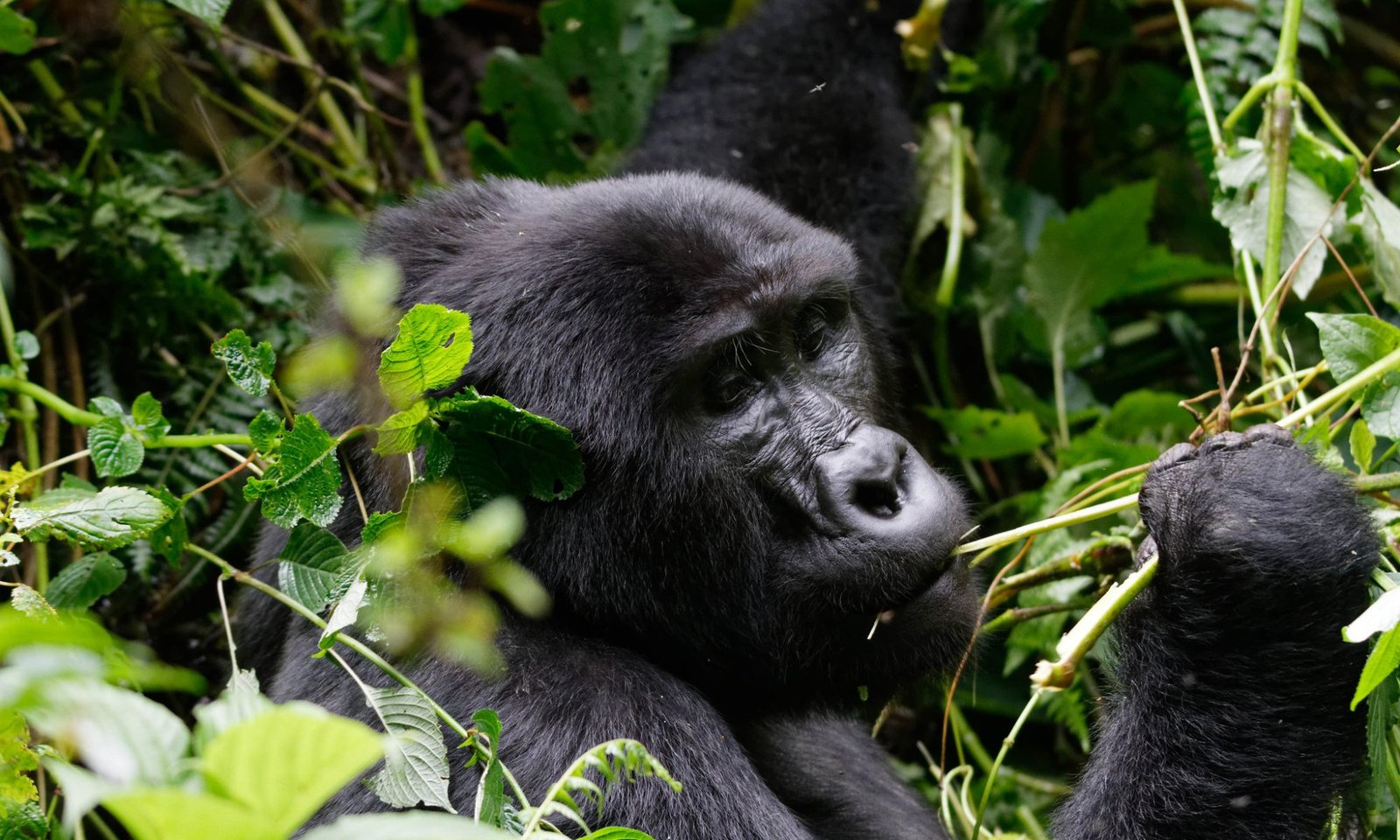
Volcanoes National Park stands as Rwanda’s most renowned & visited national park, celebrated for its stunning landscapes and the presence of endangered mountain gorillas found within the Virunga Massifs that are shared between RwandaUganda and Congo, withing the Situated in the north-western region of Rwanda.

The park size is approximately 160 square kilometers. It features verdant forests, volcanic peaks, and a diverse array of wildlife that includes primate trekking.  Tourists from around the globe flock to this park to immerse themselves in its enchanting environment, particularly for gorilla trekking, which provides a unique opportunity to observe these gentle creatures in their natural surroundings.

Virunga Massif in Rwanda- Volcanoes National Park

Volcanoes National Park is part of the broader Virunga Conservation Area, which encompasses Virunga National Park in the Democratic Republic of Congo and Mgahinga Gorilla National Park in Uganda. This area is recognized as one of Africa’s most significant biodiversity hotspots. With its rich cultural history, breathtaking landscapes, and remarkable wildlife, Volcanoes National Park is an essential destination for those who appreciate nature and seek adventure, including seeing the gorillas in Africa.

Volcanoes National Park stands as an essential destination for travellers in pursuit of adventure, wildlife encounters, and cultural immersion. Whether your interests lie in trekking with gorillas, hiking volcanic terrains, or engaging with local traditions, this park caters to a wide array of preferences. Its breathtaking landscapes, rich biodiversity, and robust conservation initiatives make Volcanoes National Park a remarkable site for exploration.

Things to do in  Volcanoes National Park

Volcanoes National Park is segmented into various areas, each providing distinct experiences and attractions when you select an overland safari in Rwanda.

Gorilla Trekking

The primary attraction of Volcanoes National Park is the opportunity for gorilla trekking. This park hosts approximately 12 habituated gorilla families that are accessible to tourists. Visitors embark on guided treks to find these extraordinary animals, traversing dense forests, bamboo thickets, and volcanic inclines.

The duration of the trek can range from 2 to 6 hours, contingent upon the gorillas’ location. Rangers and guides accompany small groups, providing insightful information regarding the behavior of the gorillas.

Gorilla Permits: A permit costs $1,500 per person, allowing one hour of interaction with the gorillas once they are found.

Best Time for Trekking: The dry seasons, from June to September and December to February, provide the best trekking conditions.

Golden Monkey Tracking

In addition to gorillas, Volcanoes National Park is inhabited by the rare and lively golden monkeys. These remarkable primates are distinguished by their golden-orange fur and spirited demeanor.

The experience of tracking golden monkeys is less demanding than that of gorilla trekking, typically lasting between 2 and 4 hours.

Permit Cost: $100 per person.

Best Time to Visit: Year-round, but dry months offer better trails.

Mount Bisoke Hike

Mount Bisoke is a dormant volcano that rises to an elevation of 3,711 meters above sea level. It is renowned for the stunning crater lake located at its peak.

The hike to the summit is demanding yet gratifying, typically requiring approximately 6 hours for a round trip.

Difficulty Level: Moderate to difficult, requiring good physical fitness.

Permit Cost: $75 per person.

Dian Fossey Tomb Hike

Dian Fossey was an esteemed primatologist renowned for her unwavering commitment to the conservation of mountain gorillas. Her extensive research and dedicated conservation initiatives played a crucial role in preventing the extinction of these remarkable creatures.

Visitors can embark on a 3- 4 hour hike to the Karisoke Research Centre, where they have the opportunity to visit Fossey’s tomb and gain insights into her significant contributions to the field.

Permit Cost: $75 per person.

Iby’Iwacu Cultural Village

Visitors seeking to comprehend the vibrant culture of Rwanda may visit the Iby’Iwacu Cultural Village, situated in proximity to the park. Here, one can engage with the local community, observe traditional dance performances, gain insights into historical hunting methods, and sample regional cuisine. Cost: Around $20 per person.

Twin Lakes of Burera and Ruhondo

For enthusiasts of picturesque vistas, a trip to the Twin Lakes serves as an excellent enhancement to the experience at Volcanoes National Park.

Activities: Boat rides, bird watching, and fishing.

Best Time to Visit: Any time of the year.

Best time to visit Volcanoes National Park 

The best time to visit Volcanoes National Park depends on the activity you want to do.

Dry Season (June to September & December to February): Ideal for gorilla trekking and hiking due to less rain and clearer trails.

Wet Season (March to May & October to November): Lush green landscapes and fewer tourists, but trails can be slippery.

Activity Costs in Volcanoes National Park 

  • Gorilla Trekking: $1,500 per person.
  • Golden Monkey Tracking: $100 per person.
  • Mount Bisoke Hike: $75 per person.
  • Dian Fossey Tomb Hike: $75 per person.
  • Iby’Iwacu Cultural Visit: $20 per person.
  • Boat Ride on Twin Lakes: $30 per person.
Nyungwe Forest National Park

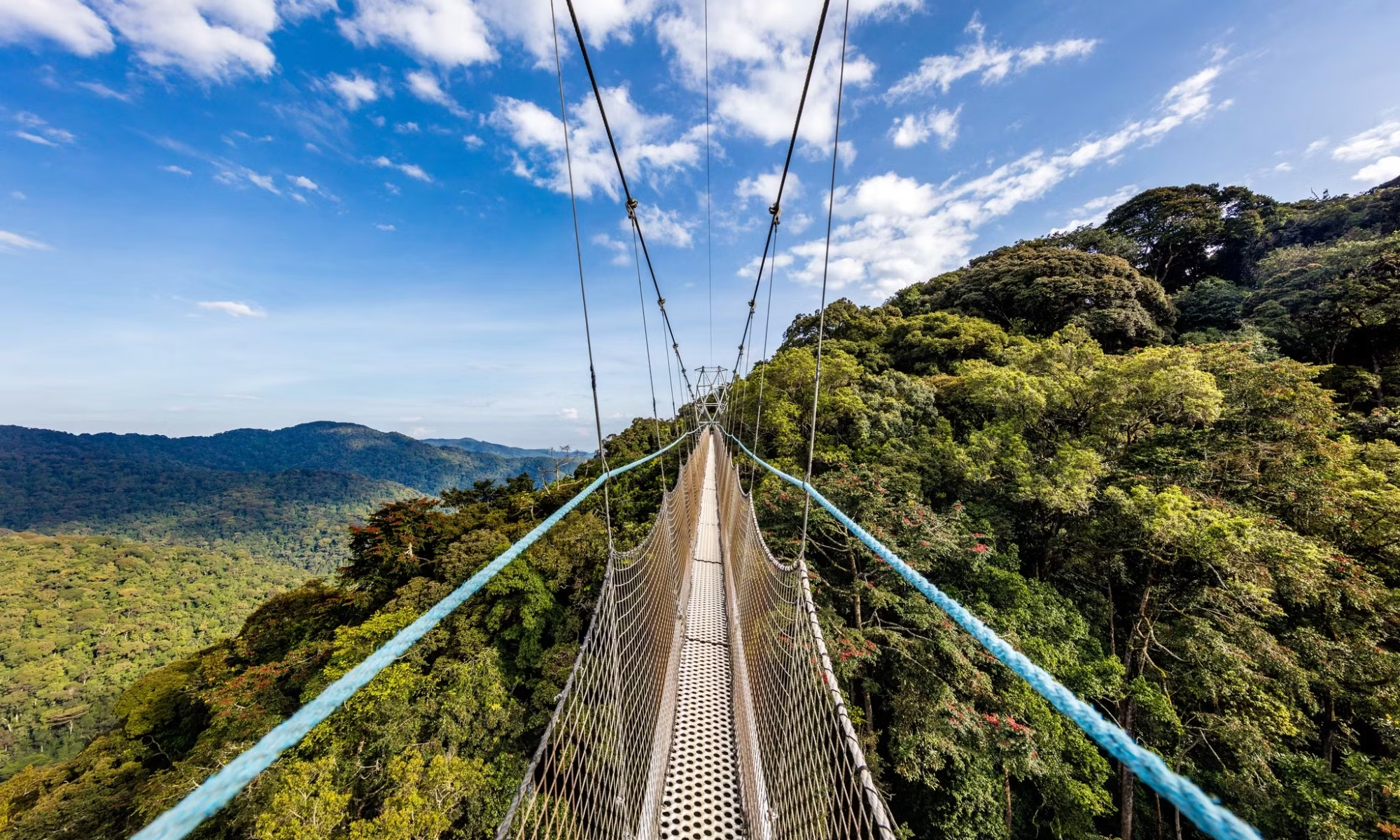
Nyungwe National Park, Rwanda, is situated in the southwestern region bordering Burundi’s Kibira National Park and democratic republic of Congo. It’s ranked as the best primate trekking destination in Africa and stands as one of Africa’s most remarkable rainforests. Spanning more than 1,020 square kilometres, this unspoiled park serves as a biodiversity hotspot, hosting a diverse array of wildlife, distinctive plant species, and thrilling adventure prospects. With its thick canopy, fog-laden mountains, and comprehensive trail system, Nyungwe provides an extraordinary experience for nature aficionados, wildlife lovers, and adventure enthusiasts.

The Wonders of Nyungwe: A Diverse Ecosystem

Nyungwe National Park stands as one of Africa’s most ancient rainforests, representing a significant ecological asset. This park is inhabited by 13 species of primates, such as chimpanzees, golden monkeys, and L’Hoest’s monkeys. Furthermore, it serves as a haven for ornithologists, featuring over 322 bird species, including the rare and striking Rwenzori turaco and the great blue turaco. Beyond its diverse primate and avian populations, Nyungwe is also home to an extensive array of plant species, butterflies, and reptiles, rendering it an essential destination for enthusiasts of the natural world.

Best Time to visit Nyungwe forest National Park

Nyungwe National Park is accessible throughout the year; however, the optimal periods for trekking and hiking occur during the dry seasons, specifically from June to September and December to February. During these times, the trails are less prone to mud, facilitating easier wildlife observation.

Conversely, the rainy seasons, which span from March to May and October to November, offer vibrant vegetation and a reduced number of visitors, yet they also present greater challenges for trekking.

Nyungwe Forest National Park

This national park is located in the southwestern part of Rwanda, bordering Burundi, where it’s contiguous with the Kibira National Park. This national park is said to be the best-preserved montane rainforest in Central Africa.  It’s located between the River Congo to the west and the west of River Nile. This national park was established in 2004 and covers an area of 1019km2/ 393 square miles of rainforests of rainforest, bamboo, grassland, swamps, and bogs. The nearest town is called Cyangugu, 54 km (34miles) to the west. Mountain Bigigu 2921 miles. In October 2020, the Rwandan Development Centre signed an agreement with African Parks to assume management of Nyungwe National Park for an initial 20 years

Wildlife

The Nyungwe forest has a wide diversity of animal species, making it a priority for conservation in Africa. The forest is situated in a region in which several large–scale biogeographical zones meet, and the variety of terrestrial biomes provides a great span of microhabitats for many different species of plants and animals. The park contains 13 primate species. Over 275 bird species, 1068 plant species, 85 mammal species, 32 amphibian species, and 38 reptile species. Many of these animals are restricted-range species that are only found in the Albertine Rift montane forests eco-region in Africa. In fact, the number of endemic species found here is greater than in any other forest in the Albertine Rift Mountains that has been surveyed.

Activities of Nyungwe Forest National Park

Chimp tracking

This national park has a large population of Chimpanzees. And many who visit the park often go on a chimpanzee tracking. It can be done all year round.  The chimpanzees are not habituated like the gorillas, so there is no guarantee of a sighting at the particular places. But more often than not, you will find the chimpanzees because they are quite common in the forest. The chimps are not as settled and orderly as the habituated gorillas are, which makes for an exciting activity as well. With trained and experienced guides, you will, of course find the chip

Nyungwe National Park has a variety of monkey species, including the rare and elusive golden monkey.

The waterfall trail.  This starts from Gisakura guest house to the tea estate where the colobus monkeys live

Akagera National Park

This is a protected area in the eastern part of Rwanda with an area of 1122 square kilometers, 433 square miles, bordering Tanzania. It was established in 1934 and includes savannah, montane, and swamp habitats. It was named after the River Kagera that flows along the eastern boundary into Lake Ihema and other lakes until Uganda. The complex system of lakes and linking papyrus swamps makes up over a third of the park, which is the largest protected wetland in Eastern and Central Africa.

What you have to know about this national park

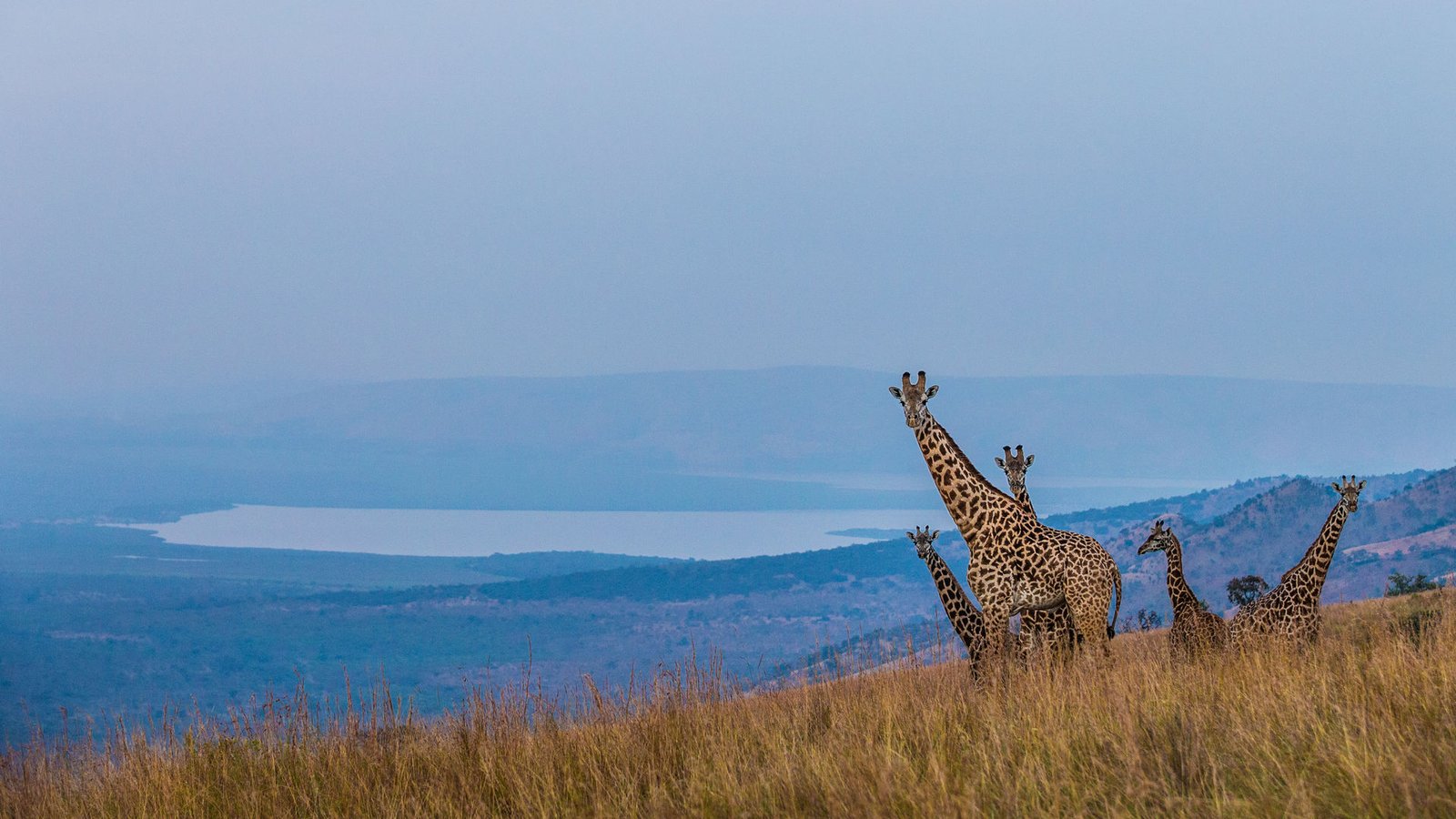
The national park was founded in 1934 by the Belgian government, which had occupied Rwanda. The park was 2500 km at the start. The national park used to have the largest number of wild dogs and it was called ‘’Parc Aux Lycaons’’ and wild dogs were so many in this area that the Belgium government considered them as pests. Though there is a disease that killed all of them, the last dog was seen in 1985. The black Rhinos were then introduced from Tanzania by 1957 and in 1970s more than 50 black Rhinos were introduced in this national park. Due to poaching the number reduced and the last kind was seen in 2007. The Masai giraffes were introduced from Kenya, and the number had grown in the previous years.  By 1990 this national park was said to have over 280 lions though after the civil wars they were killed by people who came back as farmer and settled in these parks. The protective organization was formed in 2010, called Akagera Management Company. Over 10 million US dollars has been spent to increase security on the park with the help of the Howard Buffet Foundation and the main aim was to increase the security, re-introduce the locally extinct species. The fence was constructed of 120km, trained rhino trackers, and protection of the canine anti-poaching unit.

In 2005 seven lions were introduced from South Africa, there has been introduction of lionesses as donation from a private game reserve Phinda Game Reserve, and the Zwazulu’s Tembe Elephant Park also donated two male lions. This effort was described as the ground for the opening of the conservation effort for both the park and the Country. By 2015, the lion population had grown to 40 animals.

By 2017 the 18 black Rhinos from South Africa were introduced by the joint operation of the Rwandan Development Board and African Parks and because these are present it makes it home for both big 5. Lions, elephants, buffalo, Rhinos, leopards. By 2019 the park also got 5 eastern black Rhinos from different zoos from Europe UK and Denmark that’s 3 females and 2 males and by 2021, 30 white Rhinos were also introduced from South Africa largest single Phinda Private Reserve and this made it a super National Park

The latest animal survey found out that the number of big animals in Akagera National Park has increased in 2010, 4000 to 13500 by 2018 animas and a total number of 44000 visited the park by 2018

Attractions in Akagera National Park

The attractions in this national park include

Wildlife

Attractions in in Akagera conducted in 2010 and 2013 and the outcome indicated that a positive trend in the rise of this national parks wildlife species has increased. And the animal species include, lions, elephants, black and white Rhinos, zebras, giraffes, Sitatunga antelopes, roan antelopes, duikers water bucks, cape buffalos and may others

Birds

This area is also known for over 500 different bird species including Papyrus gonolek and the shoe bill stork. The park supports 44 raptor species, the Palearctic

Water bodies

Because it’s a swamp and mostly located in a river passing through it watering a number of lakes like lake Ihema, River Kagera, Lake Rwanyakiziga, lake Shakani, Lake Mihindi lake Gishanju from the wetland system

Activities at Akagera National Park

Game drives

This is the top activity, and if someone doesn’t get involved in this action, then he/ she has seen nothing. You will see different animals like antelopes, zebras, lions, elephants, rhinos, and many others

For those who want to see the animals hunting or the predators, you should get involved in the night drives where animals like lions and hyenas are seen hunting for prey at night.

Bird watching

This national park recorded over 500 different bird species that can be seen within the swamps and the vegetation of the park where they establish their nest and some are seen on the water bodies looking for food. Some of the animals here include, African fish eagle, open billed stork, egrets, cormorants, Senegal lapwing, African dater and many others. These are also seen at Lake Shakani and Ihema.

Boat cruise.

This is so interesting when you hire a boat and get involved in this activity. This is done on lake Shakani, lake Ihema and others and the activity can be done in the morning and the evening. Here you can watch the animals mostly herbivore at the plains and others at the swamps, like buffalos, rhinos and many others you can still watch the birds in the boat cruise including those mostly concentrating on water to pick food like African fish eagle, African jacana, American dipper and many others. Some animals are also seen at the shores of the lake taking water like elephants.

There are other many activities carried out at the park including, cultural experiences, nature walks, sport fishing and many others

How to get to Akagera National Park

The national park is situated in the eastern region of Rwanda with Kibugo as the Nearest city, the park is reached by both air and road transport.

Road Transport: from the Kigali the capital city, its 135 kilometers and this may take 2-3 hours and from Kibungo Rwamagana it is a 1-hour drive straight to main gate of the Akagera National Park.

It’s safer to use the 4×4 cars to help navigate through the slippery routes to the park. There is no domestic flight to Akagera straight, though Akagera Aviation offers a helicopter that may take less than 30 minutes straight to Akagera National Park.

Accommodation

This national park has a variety of accommodation facilities with well-trained workers offering both local and international foods, though some foods are being prepared on order. Some of these include, Shakani Campsite at the shores of lake Shakani, Mulumba Camp site, Mulumba Campsite on a ridge close to Kayonza park entrance with views of lake Ihema and lake Shakani.

Mountain Longonot National Park

This national park is among the national parks that are least visited in Kenya, yet it is among the most fascinating national parks in Kenya. The national park has an area of 59 square miles/ 154square kilometers

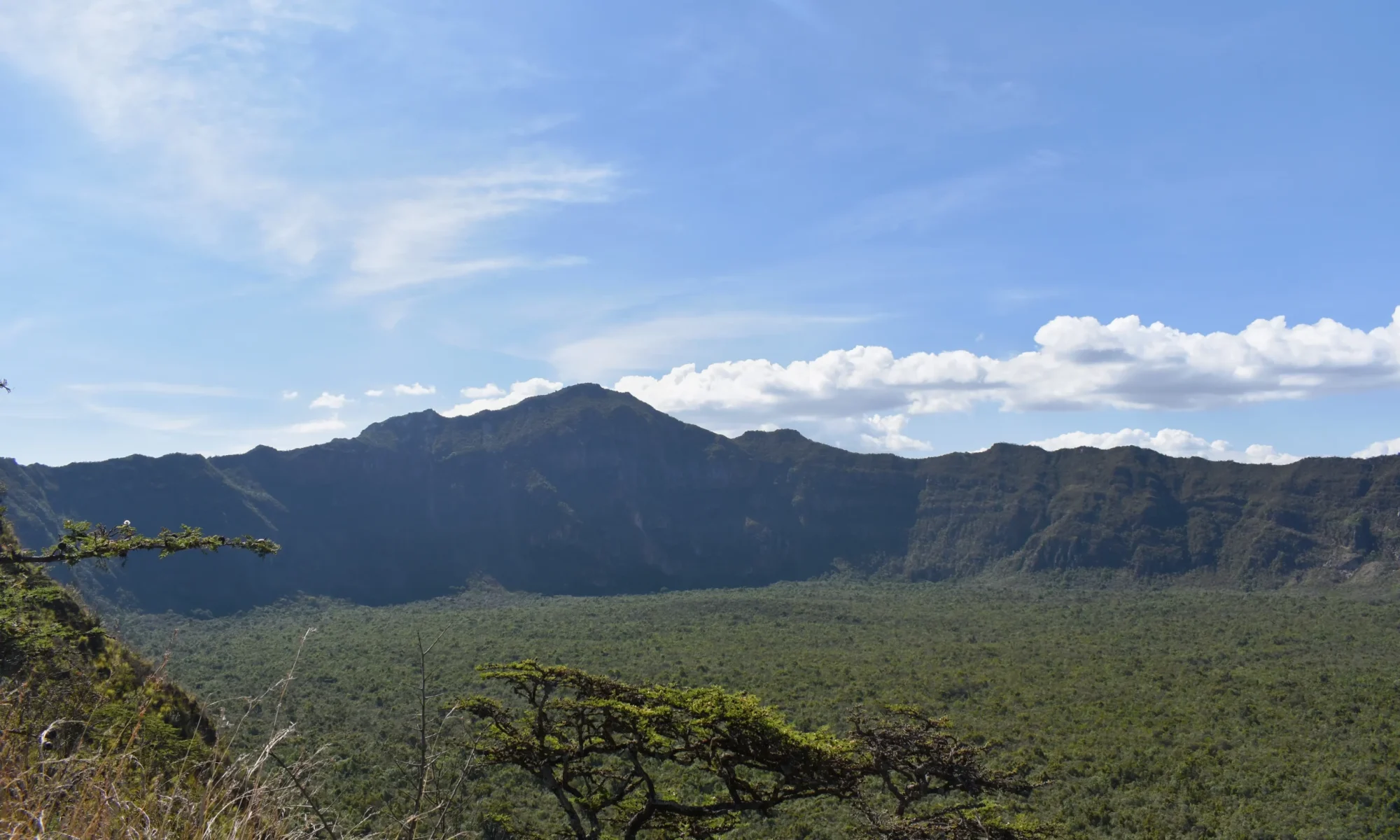
Mountain Longonot National Park is found in the Lake Naivasha region and got its name from Mountain Longonot, which is found within. This national park. Mountain Longonot is 2776meters and the name Longonot is derived from the Maasai words that mean Steep Ridges or mountain of spurs. On top of this, the park includes. The national park has calderas on top, i.e., the one that measurers 5miles by 7.5 miles located near the top of the mountain. The actual cone of the volcano is topped with another crater that measuring 1.12miles by 1.8km across.

The crater floor is covered with trees, and steam vents can be found along the walls of the crater, too.

Some of the wildlife include buffalo, giraffes, hartebeest, Thomson’s gazelle, and zebras, and bird species.

Location of the park.

Mountain Longonot National Park is located in the southwestern region of Kenya.   The national park is found 37.2 kilometers away from Nairobi city

Some of the attractions at mountain Longonot National Park

The crater rim of Mountain Longonot

There exists a perfect and magnificent view of the geothermal steam coming out from several fissures along the crater rim, then the reminder of the energy traps beneath your feet.

Wildlife and Bird existence.

This national park has a selective wildlife view that can be viewed while heading to see other attractions. The animals around the park include Giraffes, Zebras, antelopes, and some baboons.

There are several bird species, mostly within the rift valley, and some of the common species include Verreaux’s eagle and lammergeyer.

Scenery of the park

The national park has volcanic features that offer a good scenic view. Because the side is the Rift Valley, this gives a good-looking view that visitors shouldn’t miss. Lake Naivasha itself within the park has a good view of the mountain Longonot, and all have good views

Activities offered by the Mountain Longonot National Park.

Mountain climbing

For the hikers who are interested in mountain climbing, this could be a chance for you to have the best experience seeing raising and falling range from and to the peak. The hike is so fantastic. During the hike, animals like buffalo, giraffes, baboon and, monkeys, and antelopes are seen. During the hike, Lake Naivasha with a good scene is seen, and many other attractions are seen while on the walk

Bird watching.

Bird watching around Lake Naivasha and near the Rift Valley is popular, though the number of species does not seem to be as high as in other national parks, and some of the species include Verreaux’s eagles and parrots. Lammergeyer and others

Mountain Bike cycling

Because the place is rugged, mountain cycling is very interesting with a well-created circuit trail toward the volcanic features for about 2 kilometers.

There are also other activities like wildlife viewing. The common animals to be viewed include baboons, monkeys, giraffes, and others

Accommodation facilities at the Mount Longonot National Park

Inside the national park there only one accommodation facility though many are around the park

The Olononot campsite, that is located just inside the park entrance along the access road to the crater. This campsite offers a variety of goodies; the tents have flush toilets. There are also other facilities near the town of Naivasha and along the Moi south of the road, i.e., Naivasha Country Club, Mamsade Hotel, and many others.

How to get to mountain Longonot National park

By using the road, the tarmac road from Nairobi, 90 km, then to Longonot village. From the village, it takes 3 hours to 5 and a half hours to the gate of the park

Taking a plane from Jomo Kenyatta National Park or Wilson Airport will take about 30 to 40 minutes, with a distance of 71km.

Watamu Marine National Park

Watamu Marine National Park is situated along the Northern coast, covering 120 km north of Mombasa and known to have coral reefs, diverse marine life, and pristine beaches. The park is among the first marine parks in Kenya, enhancing eco-tourism and marine conservation. It is ideal for all travelers interested in diving, nature adventures, and remarkable beach getaways. The marine park offers unique coastal experiences.

The park covers an area of about 10 square kilometers of protected marine and tidal habitats stretching to 300 meters offshore and easily accessible from Watamu town. Travelers can reach Watamu via a 30-minute drive from Malindi or a 2.5-hour drive from Mombasa. The closest airport is Malindi Airport, which is about 25 kms away.

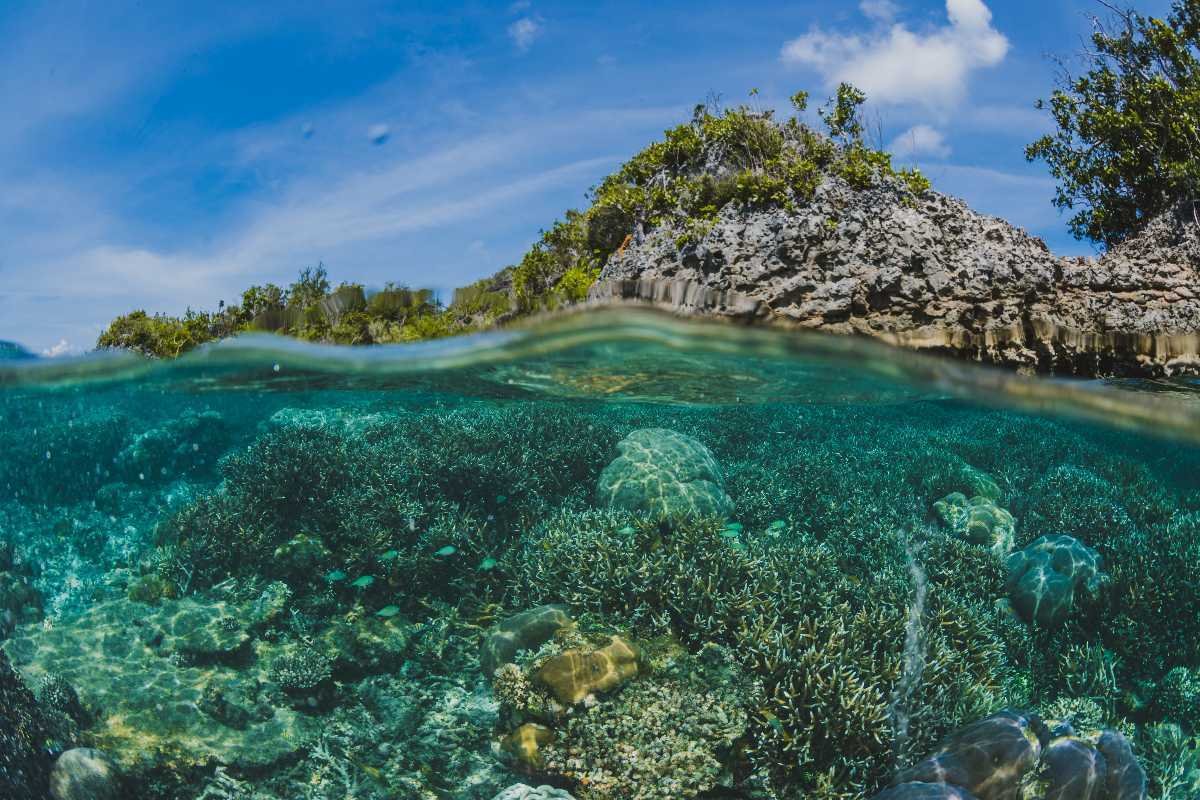
Watamu Marine National Park consists of more than 150 species of hard and soft corals, i.e brain corals, fan corals, and sponges. In the waters are more than 500 species of fish, such as parrotfish, lionfish, and sweetlips. Larger marine species like manta rays, whale sharks, and humpback dolphins are also present. The park is particularly noted for its sea turtle nesting sites, hosting green, hawksbill, and occasionally olive ridley turtles.

Activities to do at the Park

Snorkeling & Scuba Diving

Watamu Marine National Park is awesome for Snorkeling & Scuba Diving adventures as travelers get to explore the clear, warm waters. The snorkeling and diving adventures are awesome to engage in, as there are 20 dive sites that are accessible within 30 minutes by boat, featuring vibrant coral gardens and diverse marine life. While on a snorkeling adventure, you enjoy the reefs directly or take boat excursions to various coral sites.

Dolphin & Whale Watching

Dolphin & Whale Watching is enjoyable as travelers get to watch the amazing Dolphins and whales in the waters. The adventure happens between the months of June and October as the humpback whales migrate through Watamu’s waters. You view Indo-Pacific bottlenose dolphins and Indian Ocean humpback dolphins while on guided dolphin-watching tours.

Mida Creek & Mangrove Forests

Explore the Mida Creek and Mangrove Forests, where you can view various bird species flying around their natural forest habitat. These are also perfect for nature enthusiasts as they explore the area by canoe or on foot along boardwalks, observing various bird species and enjoying the tranquil environment.

Turtle Conservation

The Watamu Turtle Watch program plays a vital role in the conservation of sea turtles. This program monitors nesting sites, rehabilitates injured turtles, and educates the public about turtle conservation. Travelers can participate in educational activities and, in some cases, witness the release of rehabilitated turtles back into the wild.

Best Time to Visit

Travelers can visit the park anytime around the year, although the best time to visit Watamu Marine National Park is during the dry months of December to March and June to October. These periods offer optimal weather conditions for marine activities and wildlife viewing.

Kakamega Forest Reserve

Kakamega forest Reserve is exceptional to explore on safari in Kenya as it includes biodiversity like Snakes, primates, butterflies and countless tree species and natural glades as well as the De Brazza monkeys. On your safari to the forest reserve, you enjoy guided nature walks through high canopies listening to bird calls and chatters of monkey troops.

How to Get to the Reserve

By Road

Kakamega Forest Reserve can be accessed by use of road along the shortest route from Nairobi (418 km) via Nakuru and Kapsabet. Follow the A104 road as far as Timboroa and continue for another 4 kms. Turn left on the C36 road to Kapsabet. From there, take the C39 road until it joins the Kisumu – Kakamega road.

From Eldoret, follow the shortest route via the C39 road to Kapsabet. When transferring from Kakamega town, the park is 18 kms towards the Webuye/Eldoret route.

By Air

Kakamega Forest Reserve can be accessed by air. This includes flying from Nairobi to Kakamega, Kisumu, or Eldoret. On reaching here, you are welcomed and picked up by a driver-guide to Kakamega.

Activities to do at the National Reserve

Guided Nature walk

Guided Nature Walks are incredible to do at Kakamega forest reserve, and these are led by experienced park ranger guides who inform you about the green forest as well as the animal species you watch and the adventures you can engage in. These nature walks give you a chance to view monkey species, beautiful Chameleons, bats, frogs, night birds, and giant forest squirrels. You shall also see numerous species of birds, primates, and other wildlife.

Bird Watching

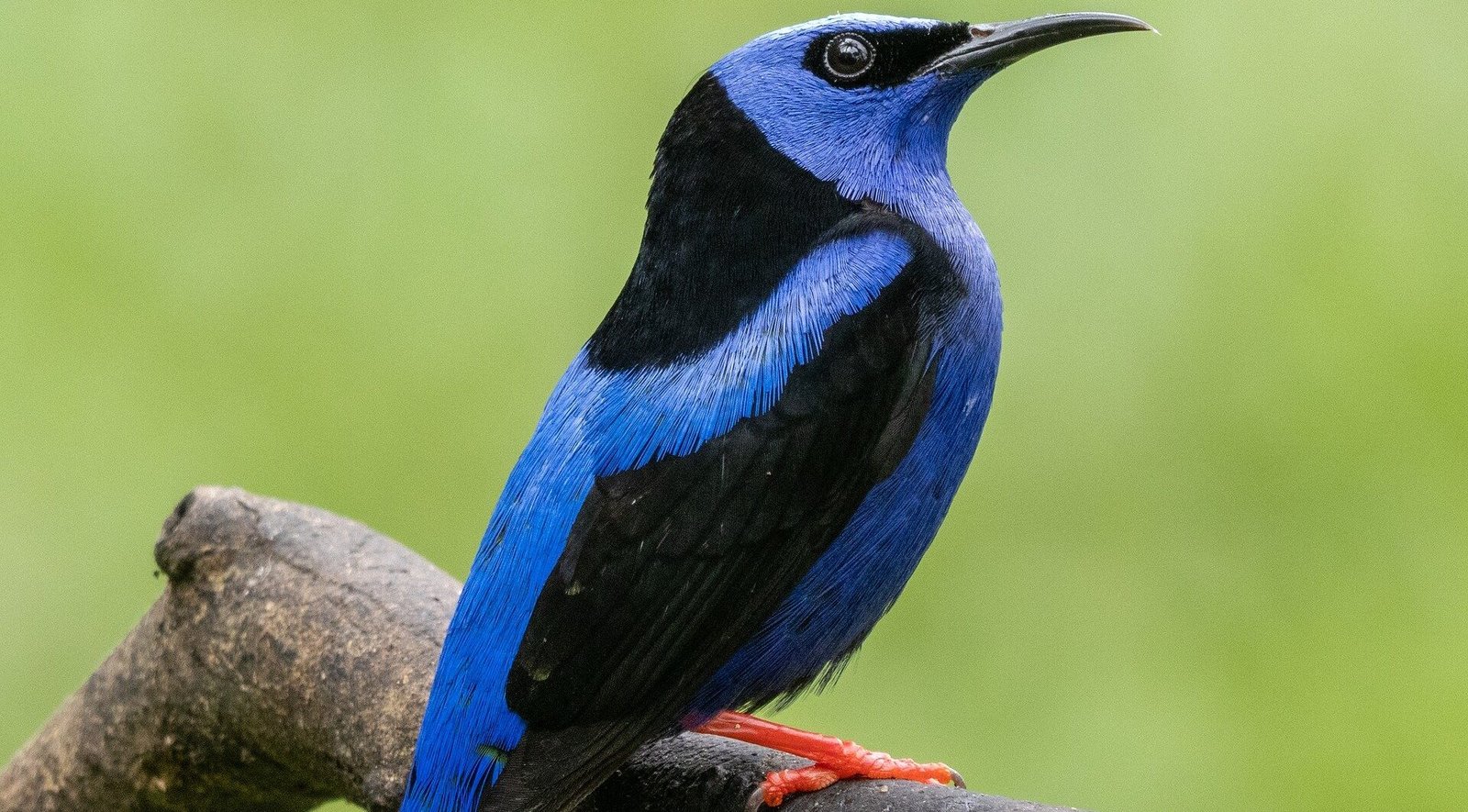
Bird watching is exceptional in the reserve, as more than 300 bird species have been recorded. The bird species you view are Blue-headed Bee-eater, Black-billed Turaco, Turner’s Eremomela, Grey Parrots, Blue-headed Bee-eater, Crested guineafowl, hornbills, Great blue turaco, Snowy-crowned robin chat, etc.  As you watch birds, you can view many other primates, i.e the de Brazza’s monkeys, colobus monkeys, black-cheeked-white-nosed monkeys and Sykes monkeys.

Guided Night Walks

Guided Night Walks are remarkable to do and require you to spend a period of 2 hours watching many nocturnal animals like bats, frogs, night birds, and giant forest squirrels. Other than these, watch bush pig, genet, and civet. Hammer-headed fruit bats can be seen in flight. Rare views of potto and tree pangolin have been recorded too.

Trekking

Trekking in the forest is exceptional, following varying hiking trails ranging in length from 1km to 7 km. Longer walks include: following the Isiukhu Trail that adjoins Isecheno to the small Isiukhu Falls, hence the most popular, requiring you a minimum of half a day. The 4 km drive or walk to Buyangu Hill allows for uninterrupted views east to the Nandi Escarpment. While on the walks/ treks, enjoy the views of nature.

Cultural Evening with the Luhya Tribe

While around the forest reserve, you shall visit the local people of the luhya Tribe. On meeting these people, you shall learn about these indigenous people as you engage in dance/ drama performances as they tell you traditional stories and legends.

Butterfly Watching

Kakamega Forest Reserve is ideal for travelers interested in watching butterflies. There are over 4800 species of colored butterflies and an additional 6000 species of the less colored butterflies, moths that are watched while walking around the reserve. Common types of butterflies like the Forest Mother of Pearl, Mocker Swallow-tail, Regal Swallow-tail, and Black-tipped Diadem are also seen.

Camping

Camping safaris are exceptional to do in the reserve’s beautiful rainforest. The forest offers serene surroundings, cool atmospheres, and gorgeous backdrops. All travellers interested in sleeping under the starts in the wild, the reserve is your perfect getaway.

Samburu National Reserve

Samburu National Reserve is located in the distant, rugged Northern region of Kenya, spanning an area of 165 square kilometers along the banks of the Ewaso Ng’iro River. The park comprises arid terrain landscapes, distinctive wildlife species, and rich Samburu culture. The Park is in Samburu County, which requires you to transfer about 350 kilometers (220 miles) North of Nairobi, taking you 6 to 7 hours by road and 1 hour by air from Nairobi to close airstrips like Samburu, Kalama, or Buffalo Springs.

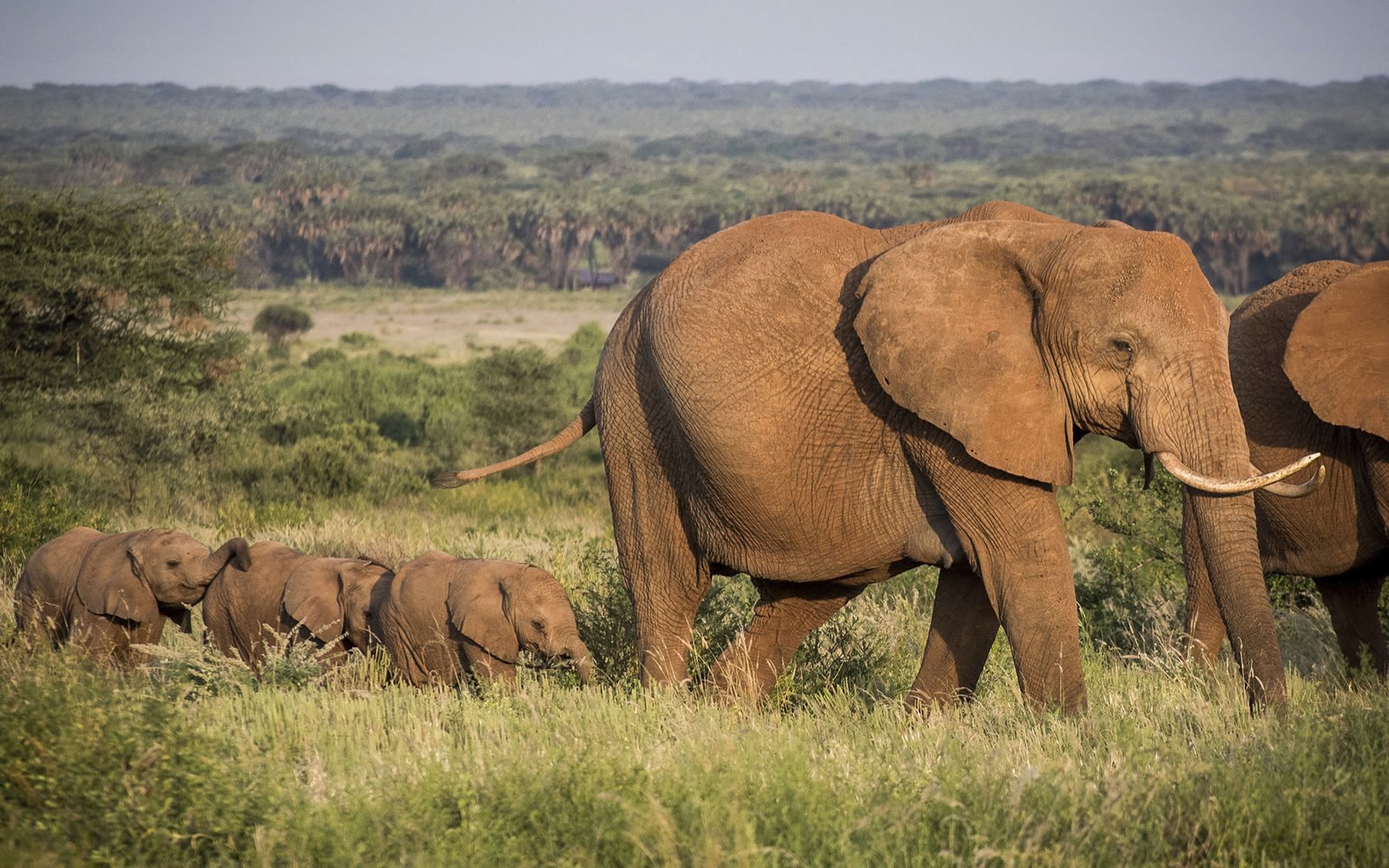
The Reserve is a remarkable wildlife conservation haven with various animal species like the Grevy Zebra, elephants, Somali Ostrich, Reticulated Giraffe, Lion, Leopard, Cheetah, wild dogs, Gerenuk, and Beisa Oryx. Numerous species of birds can be seen, i.e over 450 have been recorded.

Wildlife and Biodiversity

Samburu National Reserve consists of the “Samburu Special Five.” i.e wildlife animals that are not usually found in southern parks like the Maasai Mara or Amboseli. These include;

The Samburu Special Five

  • Grevy’s Zebra – Larger and rarer than the common plains zebra, with thinner stripes and a white belly.
  • Reticulated Giraffe – Known for its striking, geometrically patterned coat.
  • Beisa Oryx – A robust antelope with long, straight horns and striking facial markings.
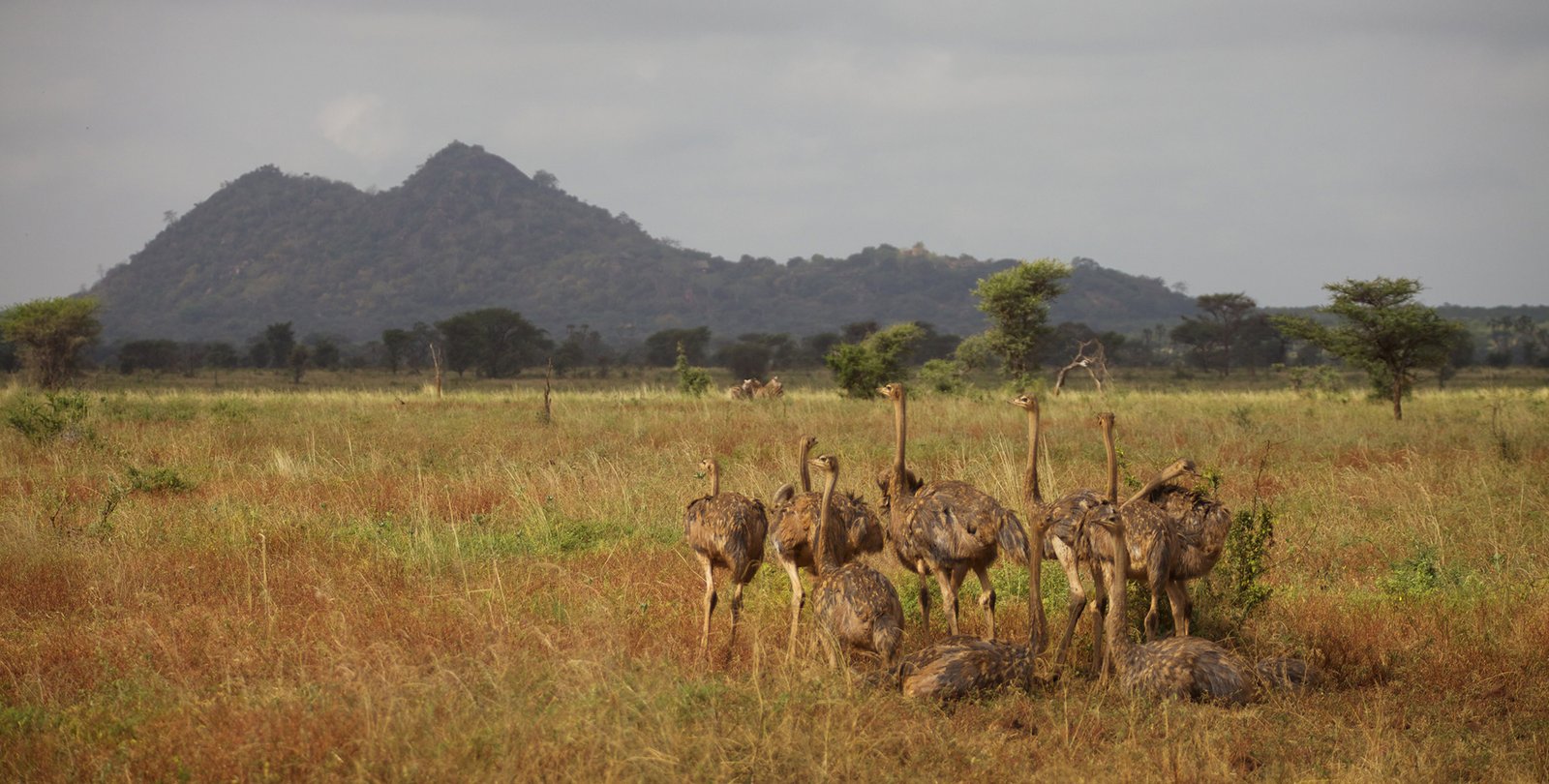
  • Somali Ostrich – With blue-gray skin on its legs and neck, unlike the pinkish skin of the Masai ostrich.
  • Gerenuk – A long-necked antelope that stands on its hind legs to browse on shrubs and trees.

Other than these big five, animals like the African elephants, Lions (including tree-climbing lions), Leopards, Cheetahs, African wild dogs (occasionally sighted), Crocodiles and hippos in the Ewaso Ng’iro River  can be watched.

Things to do in Samburu National Park

Game Drives

Game Drives in Samburu National Park/ Reserve are exceptional to do as you transfer from one track to the next in the reserve, watching various wildlife animals wandering around their natural vegetation habitat. These are done in the company of a skilled park ranger guide who informs you about the park as well as various wildlife animals you can watch. These include: African elephants, Lions (including tree-climbing lions), Leopards, Cheetahs, African wild dogs, crocodiles, and hippos, etc. These are scheduled for morning, afternoon, and evening, giving you a chance to watch the nocturnal wildlife species.

Hot Air Balloon Safaris

Hot Air Balloon Safaris are unique to enjoy while on safari at Samburu National Park/ Reserve. These offer you an opportunity to view wildlife animals from an aerial view as you fly over the sky from one point to another. The wildlife animals you watch include: African elephants, Lions (including tree-climbing lions), Leopards, Cheetahs, African wild dogs, crocodiles, and hippos, etc. They are scheduled at dawn and remarkable to get on.

Maasai Village Visit

While at Samburu National Park/ Reserve, proceed to visit the local Masai villages as well as experience their unique traditions and customs. The Masai people are worth exploring as you get acquainted with their unique traditions and customs, as well as visit the local Manyattas. They will teach you many ideas and offer you an insight into their way of life.

Walking Safaris & Nature Hikes

Samburu National Reserve is exceptional to explore on a guided nature walk. The walking safaris available take place within the camp for a period of 45 minutes to 1 hour, viewing flora and fauna. Guided Bush Walks in Conservancies for 2.5 to 3 hours, covering 9–15 kms. These offer you views of the green terrain vegetation, wildlife animals like cape buffalo, lions, cheetahs, gray zebras, hippos, olive baboons, warthogs, dik-dik, and impalas, etc.

Bird watching

Bird watching is so incredible to do in Samburu National Park/ Reserve, giving you a chance to watch many species of birds wandering around their natural forest habitat. There are over 350 bird species watched, and these include: Common Ostrich, Struthio camelus, Somali Ostrich, Struthio molybdophanes, Ducks, White-faced Whistling-Duck, White-bellied Go-away-bird, Crinifer leucogaster, etc.  All avid birders should not miss out on this exceptional adventure.

Horseback Safaris

Horseback safaris are exceptional to do as you get to ride on horseback, watching various wildlife animals wander around their natural vegetation habitat. These are done in the nearby conservancies like Ol Malo and Sarara Camp. These safaris apply to all skill levels, i.e from beginners to experienced riders. While on the rides, watch the rolling hills, river valleys, and open plains as well as wildlife like the reticulated giraffes, Grevy’s zebras, oryx, and the rare gerenuk.

Bush meals & Sundowners

Samburu National Reserve gives travelers a chance to explore the African wilderness by enjoying bush meals and sundowners. On these adventures, explore the beautiful terrain and landscapes of Northern Kenya. The Bush meals and picnic lunches are arranged by lodges and camps.

Sundowners are exceptional, offering travelers a chance to relax and reflect on the day’s adventures while enjoying drinks as the sun sets. These sundowners occur in locations like ridges or rock outcrops, offering remarkable views of the reserve.

Meru National Park

Meru National Park is the least busy of all the most famous National Parks in Kenya. The most interesting thing about the Meru National Park for game lovers is that all the African Big 5 wildlife exist here, including lions, elephants, buffalo, Rhinos, and leopards, making it a different national Park in Kenya. The national park was established in 1968, and it’s home to many wild game species

Location of the Meru National Park

The national park is geographically located in Central Kenya along the Equator 350km away North East of Nairobi city, with 870square km. The national park is bisected by 13 rivers and different mountains within the park. The Meru National Park is characterized by grassland, jungles, rivers, swamps, and termite-created mounds. This national park is undoubtedly a complete wilderness.

What visitors shouldn’t miss at Meru National park

Wildlife. This game park inhabits a countless number of wild animals, including leopards, buffalo, lesser, kudu, zebras, bushbucks, elephants, lions, and many others

Birds. Meru National Park has over 500 bird species around the park. This could be the best destination for a birder’s safari. The national park protects bird species like vultures, sunbirds, red-necked falcons, rollers, secretary birds, brown-backed woodpeckers, and so many others.

Vegetation. The park is full of distinct vegetation, including 5 categories: forests, savannah, swamps, grass, and rivers. The woodland is set on the 1036m mountain Nyambeni slopes, which gives good visuals for vegetation viewers

Major Activities at Meru National Park

Game viewing

This is the best activity at the Meru National Park, and the activity is done in a 4×4 Land Cruiser with an open pop-up for excellent viewing and unlimited photo taking. Some of the main wild games a visitor should not miss/expect be seen are leopards, black and white rhinos, antelopes, lions, reticulated giraffes, zebras, elephants, and many others. The game drives start early morning, day and night to allow the visitor to see a variety of animals, both those that move during the day and those moving at night. With the help of the guides, the visitors will be able to view the desired wildlife. In addition, there is a Rhino Sanctuary in the Meru National Park, including over 80 black and white Rhinos. This sanctuary will give you more details about rhinos, including their behavior and their conservation.

Cultural experience

Kenya itself as a country is home to different cultures from different groups of people in the country. The Meru National Park is also a place for a good cultural experience at the local adjacent community. The cultural encounters here include entertainment with dances and cultural music performances from local people. Exploring their traditions, lifestyles, and stories, which are commonly told by elderly people around the park.

Birding.

One of the most interesting safari activities in Meru National Park. The park has over 500 bird species, including Maasai ostriches, palm weavers, secretary birds, Boran cisticola, wattled starling, African fin foot, and many others

Fishing

Because Meru National Park is endowed with many swamps and rivers flowing, this offers fishing opportunities along the river banks for fish species like tilapia, catfish, and many others.

Cultural experience

Visiting Meru National Park is anytime throughout the year in the interest of experiencing the culture within and around the park is unconditionally. This activity is done by visitors sometimes as a supplement to their visit after visiting their respective desired attractions. The information about these people around and their cultural story is told by themselves (native elderly people) since they seem to know more about the national park and their own way of living

Other experiences include the Elsa Lioness Grave and the Adamson Falls. These obtained these names from the way back after Joy Adamson and Elsa’s award –winning   book born fire. It’s of good moment to visit the lioness gravesite talked about and you will get more information about the park and many things.

When to visit Meru National Park and getting to the park

Throughout the year, this national park provides access to visitors. But just give advice to visitors to be ready for what may be there in the different months, between the months of July, August, and September offers favorable conditions for the game viewers. Most of this wildlife is seen getting out looking for water and food during the dry season. The rainy season here is between the months of March, April, and May, and October and November offer good visiting conditions for those looking for birds or birders. The visitors here will get the opportunity to watch a variety of bird species, though the National Park is kept open throughout the year for visitors.

From the capital city, through the main road, visitors are advised to take the Nyeri- Nanyuki route or take the Embu-Ural gate. Those using a plane from Nairobi should book a flight to Elsa Kopjes’ airstrip or Mulika

Mount Kenya National Park

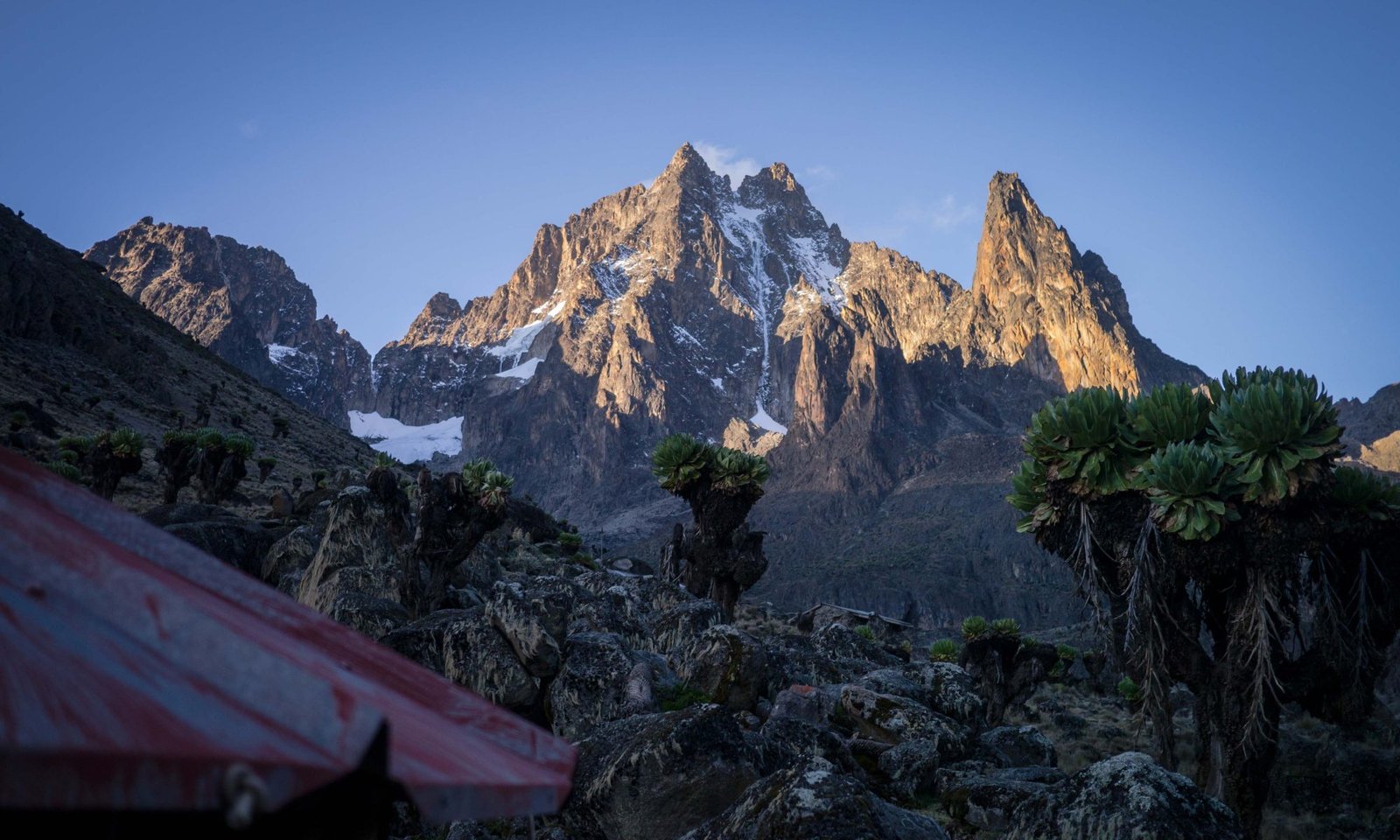
Mount Kenya National Park is located in the central part of Kenya covering an area of 715 square kilometers. The park includes Mount Kenya elevating to about 5,199 meters (17,057 feet) with diverse breathtaking terrain landscapes, remarkable ecosystems and rich biodiversity. The Mountain is an extinct stratovolcano hence the highest in Kenya and second-highest in Africa after Mount Kilimanjaro. Along the Mountain are rugged glacier-clad summits, alpine moorlands and deep valleys carved by ancient glaciers.

Mount Kenya consists of altitudinal range from 1,600 meters to over 5,000 meters with a variety of habitats varying from montane forests and bamboo zones to heath and alpine desert. There are three main peaks along the Mountain and these include;

  • Batian (5,199 m): The highest and most challenging to climb
  • Nelion (5,188 m): Slightly lower than Batian, often climbed in conjunction.
  • Point Lenana (4,985 m): The most accessible peak for trekkers.

Flora and Fauna

Mount Kenya National Park includes diverse flora and fauna species, some of which are endemic or rare. The Flora in the park ranges from one vegetation zone to the next, and this includes;

  • Lowland Forests (1,800–2,500 m): Home to camphor, cedar, and olive trees.
  • Bamboo Zone (2,500–3,000 m): Dense bamboo thickets dominate.
  • Heather and Moorland (3,000–4,000 m): Features giant lobelias and groundsels.
  • Alpine Zone (above 4,000 m): Sparse vegetation adapted to harsh conditions.

Fauna

The park supports a wide range of wildlife species that can be watched by all travelers on hiking safari in Kenya. These include; Elephants, leopards, black-and-white colobus monkeys, hyenas, buffaloes, as well as bird species like the endangered Abbott’s starling and the lammergeier (bearded vulture) and reptiles,  Amphibians.

How to Get to Mount Kenya National Park

Mount Kenya National Park can be accessed by use of both Road and air, which are chosen by travelers interested in exploring the park as well as hiking to the highest point of the Mountain while on vacation.

By Road

When getting to the National Park, you can take on three designated routes, namely Naro Moru, Sirimon, and Chogoria.

  • Sirimon Gate is 200 km from Nairobi off the Nanyuki – Meru Road.
  • Naro Moru Gate is 188 km along the Nyeri-Nanyuki road near Naro Moru town.
  • Chogoria Gate is on the Embu-Meru Road, about 210km north of Nairobi.

By Air

The Park can be accessed by use of Air as you catch domestic flights from Nairobi to Nanyuki Airstrip, which is situated close to the Park.

Things to do in the Park

Mountain Climbing

Mountain Climbing is the most prominent safari adventure carried out in the park, and this includes trekking from the base with porters till you reach the highest point of the Mountain. Hiking along the Mountain takes you to Point Lenana, which is the most famous trekking destination along the Mountain and can be reached using various routes, which include Sirimon, Naro Moru, and Chogoria.

It is exciting to take on these treks as you watch varying flora and fauna species around the Mountain. Hikers interested in getting to Batian or Nelion should be avid hikers because getting here requires you to be physically fit with technical Mountaineering skills.

Wildlife Viewing

Wildlife viewing at Mount Kenya National Park is exceptional as the park includes a wide variety of animals across different ecological zones ranging from verdant montane forests to open moorlands.

The wildlife viewing opportunities are remarkable, intimate and untouched, offering you a chance to watch various wildlife species like the African Elephant, Cape Buffalo, Leopard, Bushbuck and Waterbuck, Colobus and Sykes’ Monkeys, Giant Forest Hog, Tree Hyrax,  etc.

Bird watching

Bird watching is incredible to do in the park, hence very good for all avid birders from all over the globe. There are more than 130 bird species in the park, of which many are rare or endemic to the Kenyan highlands. The Bird species you watch include: Lammergeier (Bearded Vulture), Sunbirds (e.g., Tacazze and Malachite), Scarlet-tufted Malachite Sunbird, Jackson’s Francolin, etc. Birders should not miss out on visiting the park to enjoy watching these birds

Camping

Camping safaris in the park offer you a chance to explore and enjoy views of the park’s stunning natural beauty, diverse ecosystems and peaceful solitude. While on your camping safari, enjoy staying quietly within verdant green forests and alpine moorlands as you observe wildlife up close and explore trails. While camping, you can view bird species as well as embark on adventures to the huts.

Camping is done in various campsites, which include: Old Moses Camp (Sirimon Route), Met Station Camp (Naro Moru Route), Lake Ellis Campsite (Chogoria Route), Liki North Hut, Shipton’s Camp, Austrian Hut.

What to Bring for Camping

  • Warm sleeping bags (temperatures drop significantly at night)
  • Waterproof tent and gear
  • Cooking equipment or pre-arranged porters/cooks
  • Adequate food and water (or water purification tablets)
  • Flashlights and batteries
  • Warm, layered clothing

Guided Nature Walks

Guided Nature Walks and short hikes are exceptional to do while in the National Park, and these offer you remarkable encounters as you watch diverse flora and fauna, waterfalls, rivers, and cultural sites.

The guided nature walks include transferring with park rangers along varying trails for 1 to 3 hours through the green forest, bamboo, and heath zones. The famous trails you follow include: Naro Moru Nature Trail, Mackinder’s Valley Walk, Lake Ellis and Lake Michaelson Walk, Mugi Hill Trail.

Along the walks, you watch flora, i.e the Giant lobelias, groundsels, wild orchids, bamboo groves, as well as fauna like Duikers, bushbucks, hyraxes, and a variety of birds.

Hell’s Gate National Park

Loving and interesting nature walks alongside cycling adventures are most recommended to travellers who select to explore Hell’s Gate National Park while on Classic overland trips in Africa with 4WD Africa.

Hell’s Gate National Park is found in Kenya named after a narrow break in the cliffs, once a tributary lake that fed the humans in the rift valley. It is famously known for having the hot springs and hot geysers. It is a home to many animals and also has fun activities to do while at the park.

Hell’s Gate National Park was established in 1984 and is managed by Kenya Wildlife Services, which is the official conservation body established by the Kenyan government and is entrusted with the conservation of the wildlife in Kenya. It’s among the top-visited national parks of Kenya, like the case for Amboseli and the Masai Mara National Reserve.

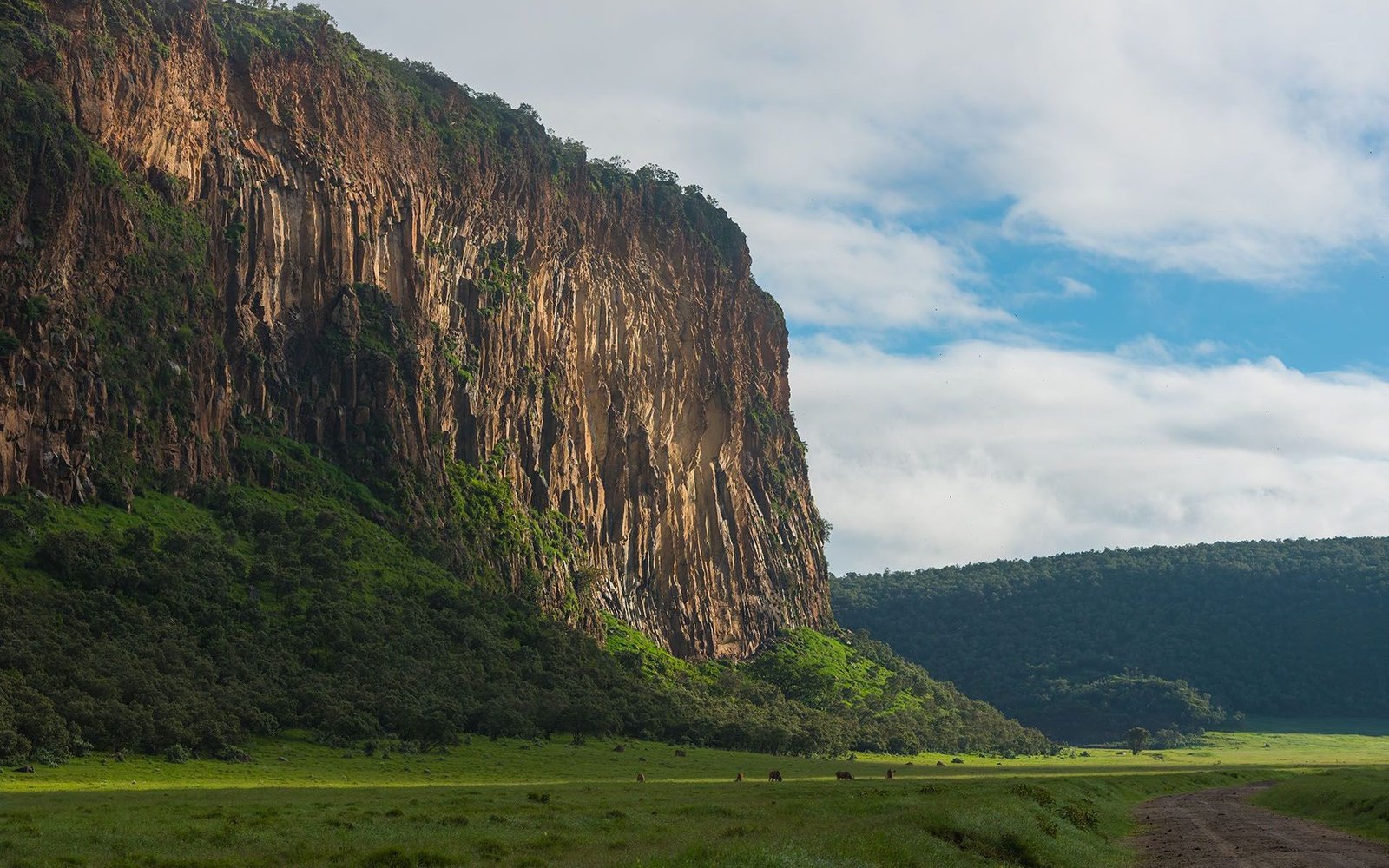
From Nairobi, it’s only 90 kilometers, and the main attractions here include red-walled cliffs that travel along the gorge and feature two volcanic rock formations known as Fischer’s Tower and Central Tower.

A smaller gorge leads you to the Central Tower and then to the Hot Springs. From there, two extinct volcanoes called exist known as Olkaria and Hobley’s at the park borders

This national park has predator animal species of which include, including lions, leopards, Hyenas, and cheetahs. Other wildlife includes zebras, elands, buffalo, hartebeest, Klipspringers, reedbuck, hyraxes, and many others.

Best Time to visit Hell’s gate National Park

The best time that one can consider can be based accordingly, but in case the season is high, the fee for any particular activity will rise, and for the high season, the price will also be lower.

One also has to consider the time of the year because when it’s raining, the animals cannot be easily seen, so the best months one can see the animals are the dry season, although it comes in the high season, but it’s worth it, and it is from June to March because these are the two months when it rains less than the other months.

Highlights of Hell’s Gate National Park – Practical Information

At the entrance of the park, one is expected to pay a certain amount of money, which I will show you briefly. So there are various activities to try out, and one of them is cycling, where one pays to get a bicycle and navigate with it around the park, and this experience is good because one gets to interact with the animals, and incase on is tired, he or she can leave the bicycle in the park, and someone can get it from there.

Another highlight of the activities that can be done in the park includes the hiking part, where one gets a chance to climb and see the ashes of the cliffs that fell apart. This activity is fun to try out, especially with the well-educated team and caring staff of the park that is there 24/7  to help out with the people who are going to hike, and it gives one an experience that is wonderful and full of memories because he or she gets to rest on top of the mountain and take pictures there of the full landscape scenery.

An item on the list that cannot be left out is the photography tour around the park where one takes a drive throughout the park and takes pictures of the animals there which is so diverse and the pictures are more great when one goes to the gorge to see the hot springs and the geysers which are memorable and they have hot water and also have a Masai market at the end of the hot springs where they sell art crafts and also get to know their culture from the people themselves of the tribe than what internet pictures them to be and after one can take a walk back and on the way one can see that the people there also share land with the animals of the park and also carryout grazing of animals such as the goats, sheep among other animals and also the view of the pass way is also captivating because it has tress and sometimes the great calm sound of the seasonal river that flows.

Another fun activity to try out is a picnic and camping in the park. These are the two activities that can be done in the park.

Park Entrance fees

One has to take not that the prices can change varying on the season and the time of the year.

RESIDENT TYPECHILDADULT
CitizenKSH 215KSH 300
ResidentKSH 215KSH 300
Non Resident$17$26

Things to do in Hell’s gate National Park

Game viewing.

This national park has a variety of animals like Lions, zebras, giraffes, African buffalo, antelopes, warthogs, and many others. The game drive is done mainly in the early morning, when the animals are more active looking for food, and the evening drive is conducted in the evening when the animal have left their hiding places for the night hunt.

Bird watching

Hell’s Gate National Park is one of the key areas where bird watching is supported. The park recorded over 100 bird species of which include, including Sharpe’s Claw, Shelley’s rufous sparrow, white–crested turaco, and northern white–crowned shrike. Some of the migrant birds that come to this park include the European bee-eater, common buzzard, winchat, Siberian stonechat, and isabelline Wheatear. On a lucky day, over 100 bird species can be viewed.

Swimming

A visit to the geothermal health spa is a much- needed one and truly after a strenuous day adventuring in the park. The spa has three cascade lagoons, the first one acting as the receiving pond for hot brine of 90 degrees gathered from different wells in the geothermal field. The second lagoon is an overflow from the first, designed in an aesthetic manner and has both shallow and deep ends. It’s a little bit cooler than the first, with a temperature of about 50 degrees. The third lagoon is the largest of all, containing warm water and can accommodate over 3050 people. There is an extension of a kids’ pool where your children can enjoy a warm bath

Rock climbing

Climbers can go until the pointy rock formation called Fischer’s Tower, about 75 feet 25 meters, named after a German explorer, Dr. Gustav Fischer, who had been sent to find a direct route to Lake Victoria from Mombasa. This place is for low-level climbers or starters. The second rock formation, locally referred to as Embarta in the Maasai language, is much larger than the first. Only experienced climbers are advised to scale it

Bicycle riding

This activity is the only one done in two national parks in Kenya and is purely safe. The trails are not for predators like zebras, giraffes, antelopes, baboons, and many herbivores. This activity is done any time, though if you want to view the game in the journey, you either move in the morning or evening. The bicycle is hired at the gate of the park.

Also, other activities like nature walks are also supported