
Katavi National Park is an isolated national park located in Southwest Tanzania, east of Lake Tanganyika. Katavi National Park has an area of 4471km2 about 1727 miles and it recorded over 3000 visitors in 2013. Because it’s a remote national park doesn’t take away from being the third largest national park in Tanzania. The national park encompasses the Katuma River and the seasonal Lake Katavi and Lake Chada floodplains.
This national park is known for its wildlife and several wildlife species are here particularly the cape buffalos, zebras, giraffes, and elephants, plus along the Katuma river, crocodiles, hippos, of which dig up man holes during the dry season to look for water and coldness and they can get compacted in a small channel of water looking for cool environment, other predators like the warthogs, cheetahs, leopards and the hyenas are also present in this national park this receives a little number of visitors not because it has no good game but because of its remoteness.
Activities at Katavi National Park
The main activity taking place in this national park is game drives. This can be made on the morning, evening, or even a full day. During the game drives, animals are seen in the way of which include zebras, hippos, leopards, cheetahs, and many other animals within the national park.
The guided nature walks are also supported in this national park, with big herds of buffalo, zebras, topi, elephants, crocodiles, and even the roan antelopes and the sable antelopes.
Bird watching
Katavi National Park is a one-stop destination for a birding experience with over 400 different species of birds occupying the park. Some of the common birds seen in the park include Red-billed Hornbills, Yellow-billed Saddle-billed Black Cuckoo- shrikes, Little Bee-eaters, crested barbets
You can also make a historical tour to the Stone Age and the Iron Age sites. You can also take a visit to the famous tamarind tree that is believed to have been inhabited by the spirit of Katavi, the legendary hunter. Local people put offerings to this tree to attain blessings. This can help you understand more about the park.
How to get to Katavi National Park
Coming to this national park by air, an arrangement of a flight is needed, and the Charter flight is ready to serve you. This is operated by the Zantas Air Services or Safari Air link. All flights will require landing on a dirt airstrip. The Ikuu airstrip near Ikuu Ranger post has minimal. It’s approximately a three-hour flight from Katavi to Dar es-salaam and a two-hour flight to Mwanza
Accessing Katavi may not be as easy as you think because the journey can’t be moved un hours rather in days from the town of Mbeya alone is 550km and from Dar es-salaam to Mbeya is 838km making a total of 1400km and this require over 20 hour driving none stop
Accommodation
Though this national park is remote, it has good and luxurious accommodation facilities where you will be very comfortable. The national park will offer you a camping site, though camping is optional. Some camping areas here were closed, and incase its rainy season, this place becomes muddy and not even easy to access because most visitors just fly to Dar es Salaam and don’t take many days here. Here are some of the accommodation activities, including Katavi Wildlife Camp, Mbali, Mbali Katavi lodge, Chada Katavi Nomad, and Palahala luxury lodge.
Location of Mikumi National Park
seeking destinations for visiting on short trips in Tanzania Safaris, then consider mikumi national Park that is located in the Southern part of Tanzania near the town of Morogoro its approximately 280 to 300 kilometers west of Dar el Salaam which is Tanzania’s largest city to other southern regions actually traverse the park which makes it relatively accessible from there with a road journey typically taking around 4 to 5 hours.
Self Drive Africa recommends self-drive adventures to southern Tanzania national Parks to fly into Dar es Salaam International Airport ( Nyerere Airport) to pick up their car rental in Tanzania for an ultimate self-drive Tanzania experience with the destination experts in offering road trips in Africa to explore African parks.
How to get to Mikumi National Park
It can be accessed either by road transport (self-drive from Dar es Salaam) or air transport. There are also roads connecting from the Selous Game Reserve, Udzungwa Mountain National Park, and Ruaha National Park; however, these can only be accessed during the dry season
There are chartered flights connecting from Dar es Salaam to Mikumi as well as from other national parks in Tanzania. One good service provider for these charter flights is Safari Airlink.
Things to do in Mikumi National Park
Mikumi National Park has numerous species and landscapes which are beautiful to see, such as the Mkata Floodplain in particular, which acts as a magnet for large herds of animals such as buffalo, wildebeest, zebra, and giraffe grazing peacefully under the African sun.
The park is also home to a healthy population of elephants, often seen wallowing in waterholes or foraging amongst the vegetation. Predator sightings are a highlight of any visit to Mikumi.
Lions are commonly spotted lounging in the shade or stalking prey across the open plains. Lucky visitors might also encounter leopards, often more elusive and typically found in the woodlands or rocky outcrops. Wild dogs, an endangered species, also roam Mikumi’s landscapes, adding an element of rare excitement to game drives. The park also offers encounters with a variety of other fascinating creatures during the game drives and walking Safaris.
The peculiar greater kudu, with its impressive spiralled horns, is a striking antelope species often seen in the miambo woodlands. Sable antelope, with their dark coats and scimitar-shaped horns, are another elegant resident. Smaller mammals like baboons, vervet monkeys, and various mongoose species add to the park’s vibrant ecosystem. Birdwatchers will revel in the rich avian diversity of Mikumi, which boasts over 400 recorded species.
The park is a haven for spotting both resident and migratory birds, with sightings of colorful lilac-breasted rollers, vibrant kingfishers, and majestic raptors soaring above. The wetlands and acacia woodlands are especially rewarding for birding fans. A unique draw of Mikumi is its tree-climbing lions. Although not as numerous as those in Tarangire National Park, Lake Manyara National Park and Queen Elizabeth National Park, these intriguing felines are sometimes seen resting in the branches of acacia trees, providing a memorable and distinctive sight.
Best Time to Visit Mikumi National Park.
When it comes to self-drive safaris in southern Tanzania, there are times when they should be taken and avoided during rainy seasons, as they tend to be complicated for self-drive safaris in Tanzania due to the flooding of the game drive routes and trails.
The perfect time to venture is during June to October because the vegetation is lush and to the animals are grazing in the fields since the resources are scare they tend to concentrate in areas with plenty of water and vegetation to feed on because there is little of no rainfall at all while in March, April and May there is a lot of rainfall and to the animals are quite hard to be spot because of the thick vegetation though it has few tourists and its quite.
Top Safari activities in Mikumi National park
In comparison to some of Tanzania’s more frequented parks, Mikumi presents a more peaceful and less crowded safari experience. This tranquillity fosters a deeper connection with nature and enhances the spirit of adventure with a lot of activities to such as game drives ,nature walks ,culture walks , and so much more in detail as follows ,
Game drives
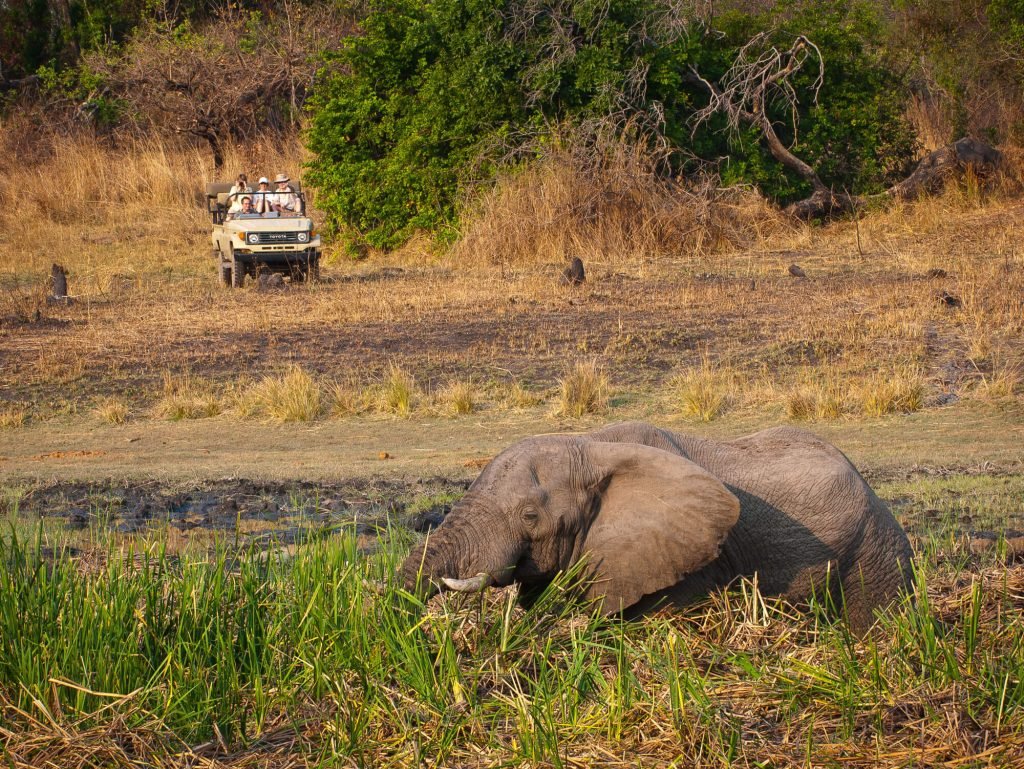
The park is generally leisurely, affording plenty of time to observe animal behavior and to take breathtaking photographs, and this provides a close interaction with the animals, and one gets to see them in their natural habitat.
Walking Safaris
This is a game-changing activity, a full adventure with the help of a guide to help you navigate the park, from exploring the animals by their tracks with the help of a game ranger, identifying game life, and also viewing the scenery of the park, even capturing stunning views and angles of the park.
Bird watching
The park has about 400 bird species for bird lovers. Whether you’re a seasoned bird lover or a curious novice, this can reveal a stunning array of wildlife from colourful rollers and kingfishers to majestic raptors and numerous water birds around the hippo pools.
Visiting hippo pools
Spend time exploring the park's amazing creatures, which are the hippo pools with fascinating places to watch and see these semi-aquatic mammals wallowing, and this is a great opportunity to take photos and also learn about their behaviours and the way they live.
Cultural visits.
This helps one to intercat with the local peole and also get a glimpse of how they live by visiting the local nearby masaai villages and learn of their behaviours and welfare .
Night drives
This gives one a chance to spot the animals from a different perspective because of the dark, which allows you to see nocturnal animals that are less active during the day but are active during the night, and their eyes are always shining bright during the dark, such as the lions and leopards, among others.