January
Low season
Peak wet and cyclone season, heavy rainfall, roads can close, some parks inaccessible; lush green landscapes and active reptiles/chameleons are the only draws for flexible travelers
February
Low season
Highest cyclone risk of the year, intense rain and humidity, significant travel disruption, east coast often unviable; not recommended
March
Fair
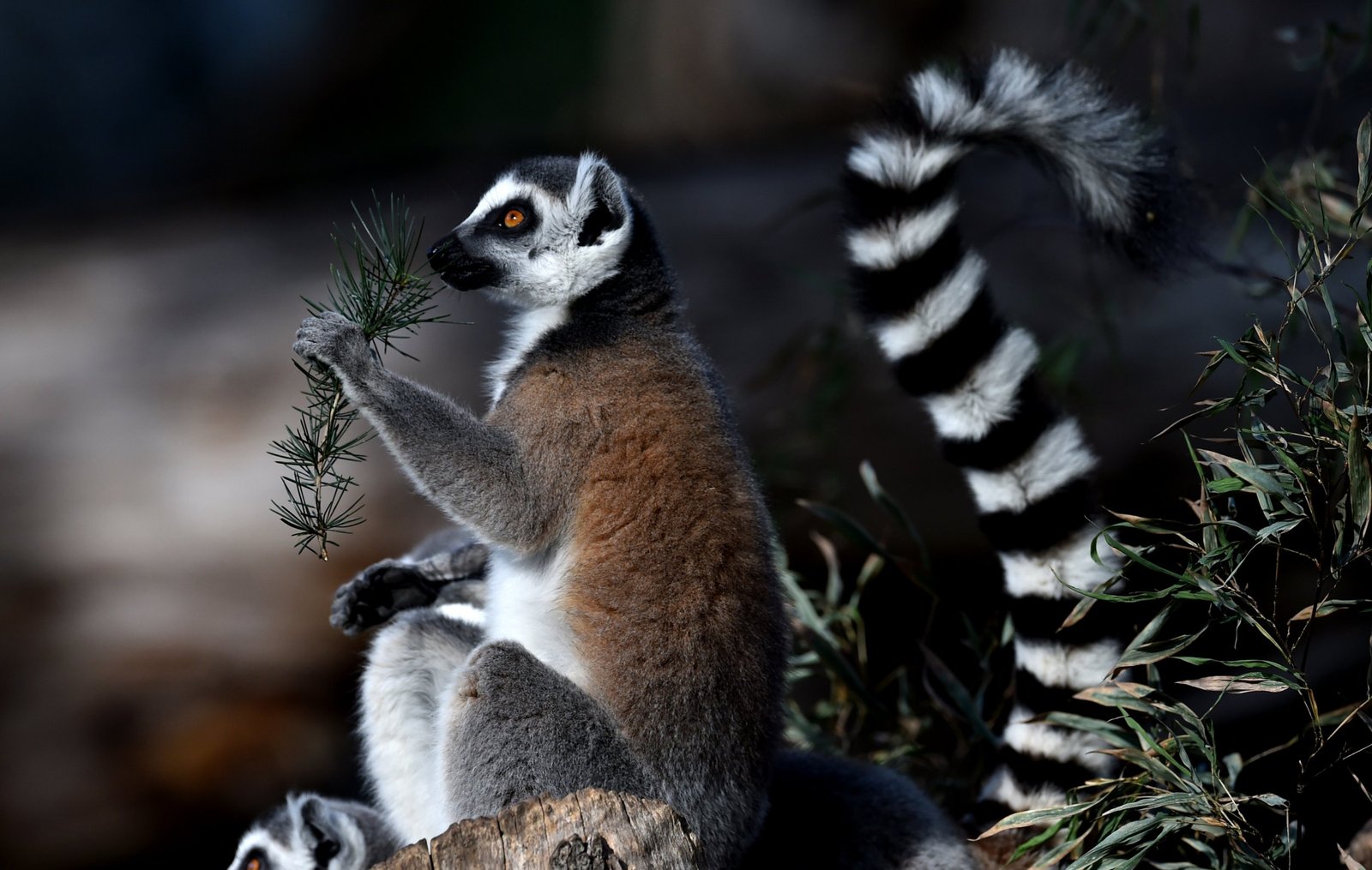
Cyclone season closing, rains easing especially late month, lush forests, active baby lemurs and peak reptile/amphibian activity, fewer crowds, lower prices; west still wet
April
Good
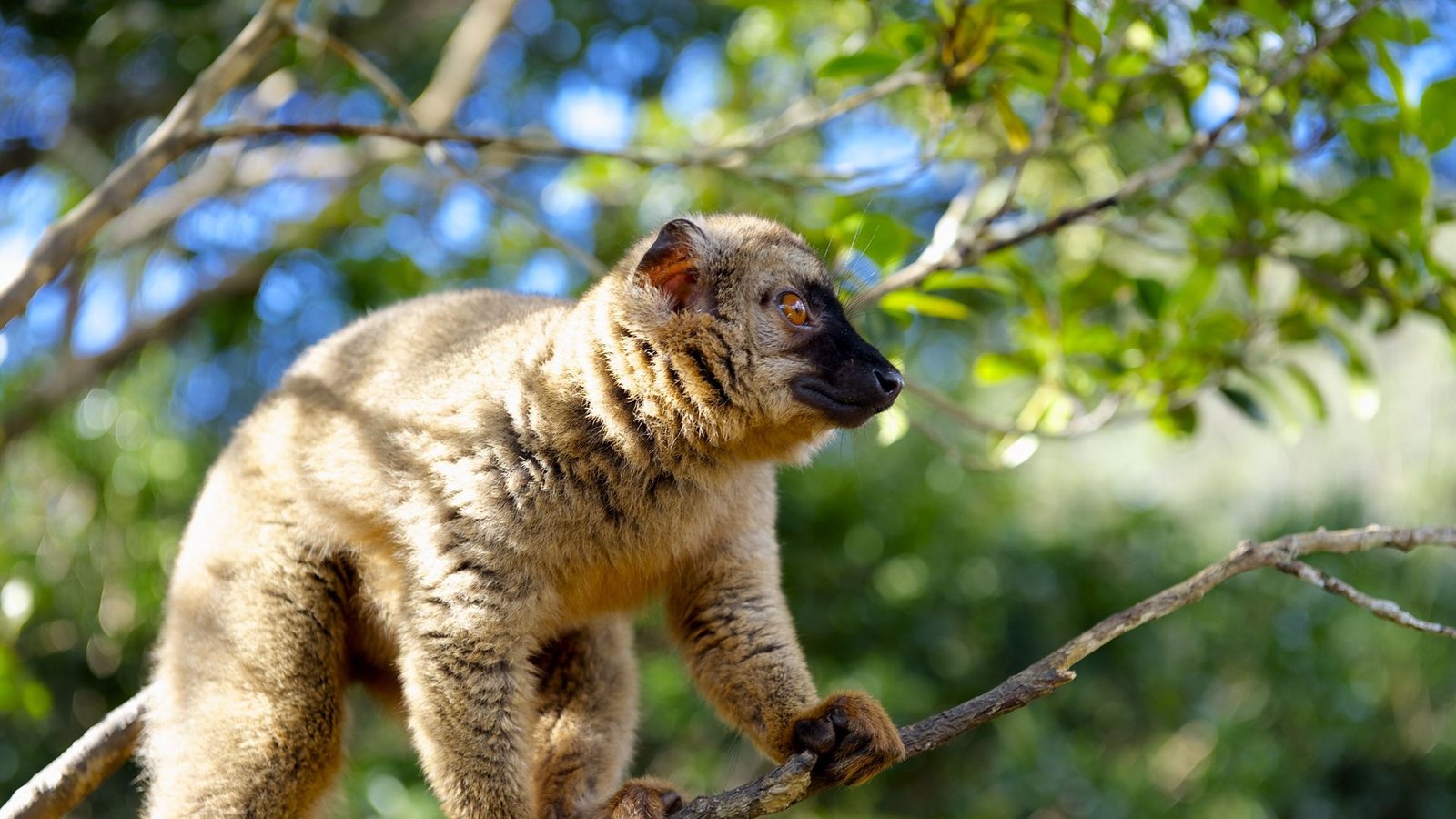
Rains largely end, landscapes stay green, excellent wildlife viewing, parks reopening, fewer visitors, great value; one of the best months for endemic species
May
Peak season
Dry season established, comfortable temperatures, superb wildlife viewing, accessible roads, lush green scenery, fewer crowds; ideal all-round month
June
Peak season
Dry season, comfortable temperatures, humpback whales begin arriving, excellent wildlife viewing, Tsingy accessible; highland nights turning cold
July
Peak season
Peak season, dry and cool, whale watching at its best, excellent across all parks; cold highland nights (bring a fleece), higher prices, book ahead
August
Peak season
Peak season, dry and reliable, whales present, fantastic wildlife and birdlife everywhere; busiest and priciest month, book well in advance
September
Peak season
One of the best months, baby lemurs born, wildlife very active, last of whale season, jacarandas blooming, great beaches; warming temperatures
October
Peak season
Excellent conditions, fossa mating season, baby lemurs, warm weather, clear diving visibility, Avenue of Baobabs stunning; last reliable month before rains
November
Good
Shoulder season, temperatures and humidity rising, rains returning late month, wildlife still active, fewer crowds, good value; ideal for wildlife shoulder window
December
Fair
Wet season begins, hot and humid, increasing rain, chameleons vivid and reptiles active, festive atmosphere, lush scenery; travel still possible early in month