Arusha National Park
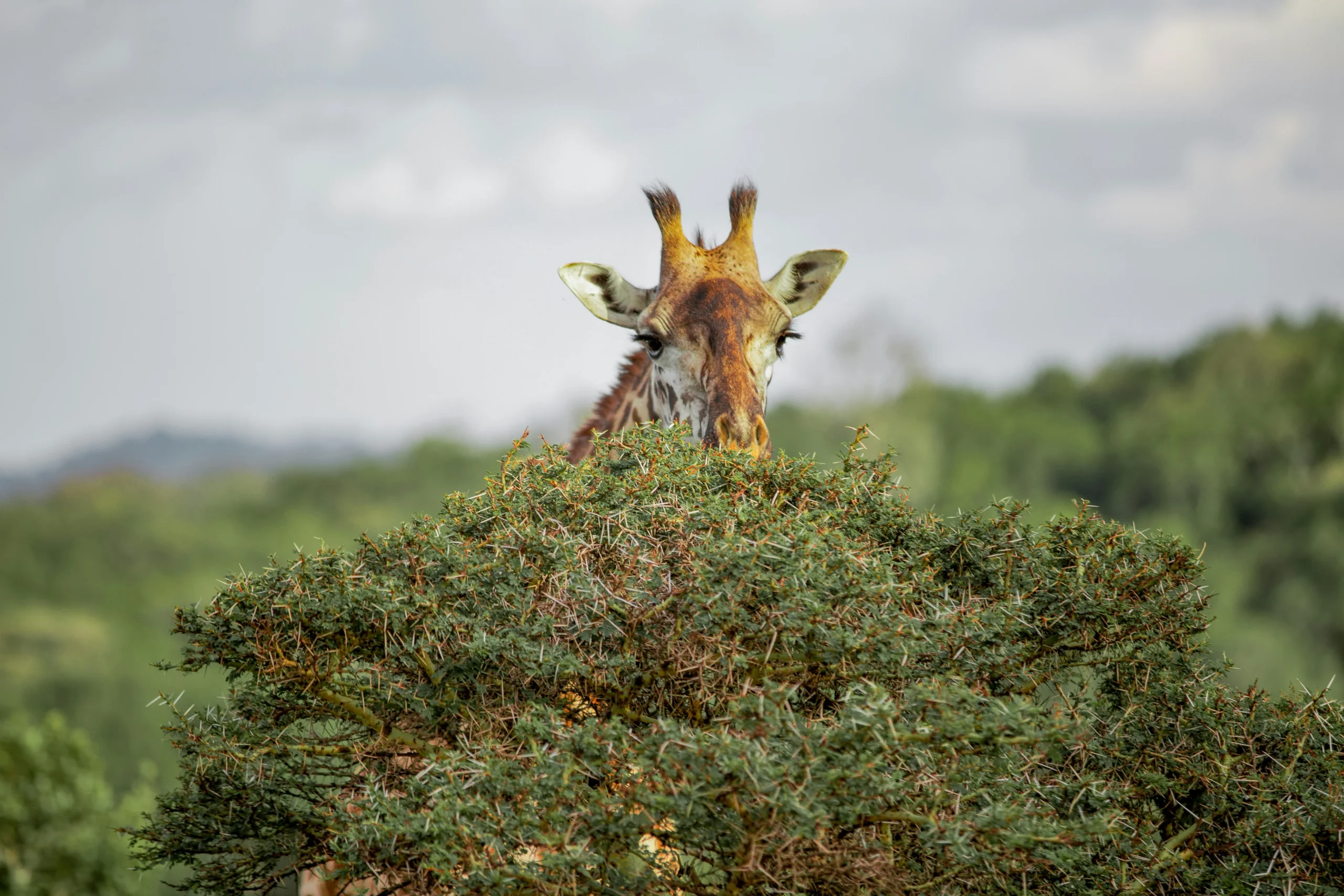
This beautiful Park has often been called a little gem, and rightly so. It is only ½ an hour by tarmac road from Arusha town, the safari center…
Idyllic and tropical, Tanzania is the Virtual paradise of glittering, white sandy beaches that hug the Indian Ocean, while inland wetlands and fresh water lakes feature alongside landscapes open for wildlife watching, and the roof of Africa is unique for lifetime memories while on a road trip to Tanzania.
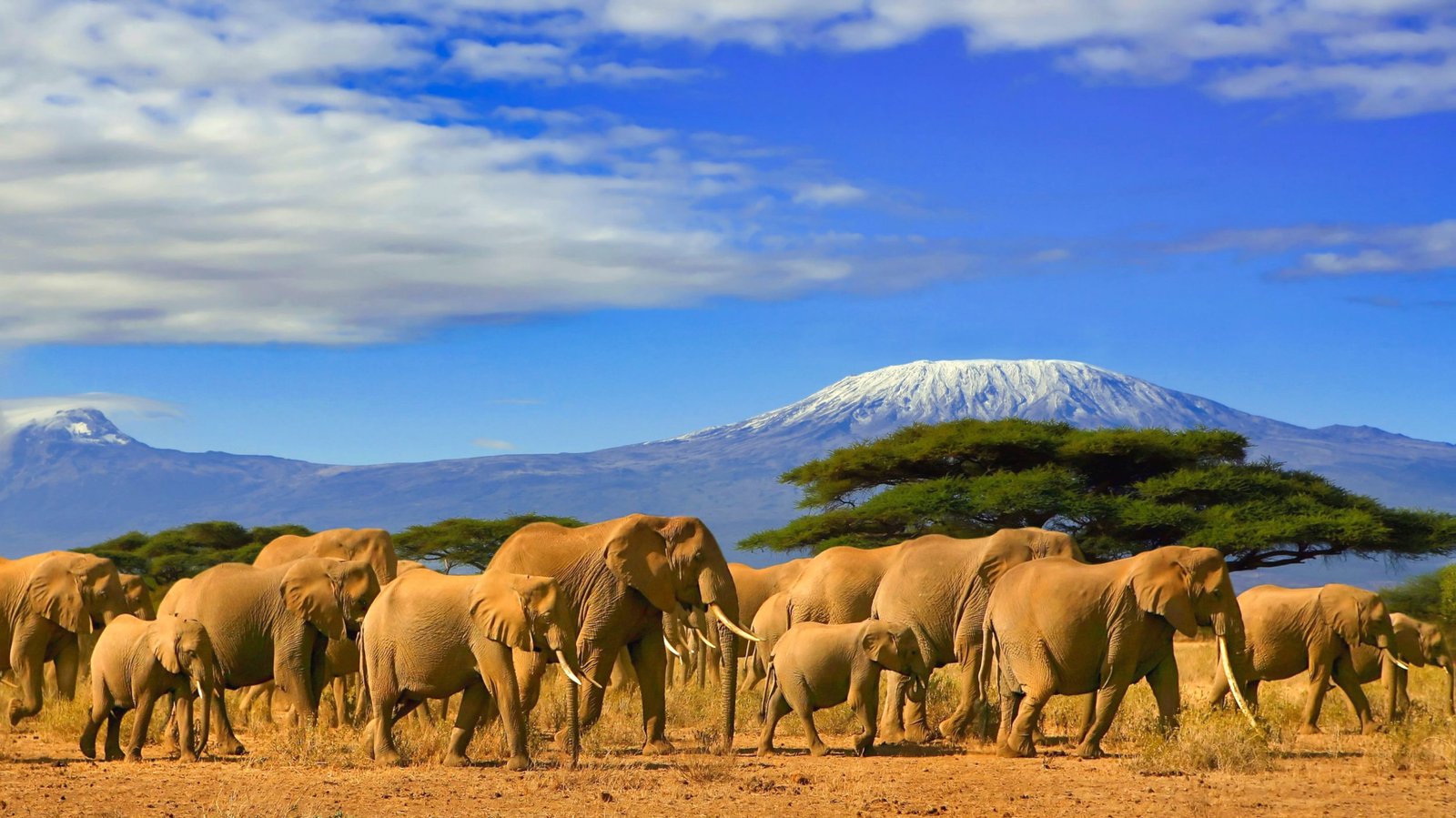
Tanzania is undoubtedly an African overland tour destination when you venture up the nearly 20000 feet high Mount Kilimanjaro, the highest free-standing mountain in the world, which ranks as Africa’s tallest Mountain. Feel the thrill of surveying the landscape from the “roof of Africa”.
Exotic Zanzibar or one of the charming outer islands paints a historic picture of old seafarers and Aromatic species. The ancient seaports offer visitors a chance to explore and relax against a casual and yet beguiling backdrop, with the chance to extend to the Serengeti plains for the ultimate wildlife safari experience in either the northern parks of Tanzania or the southern plains.
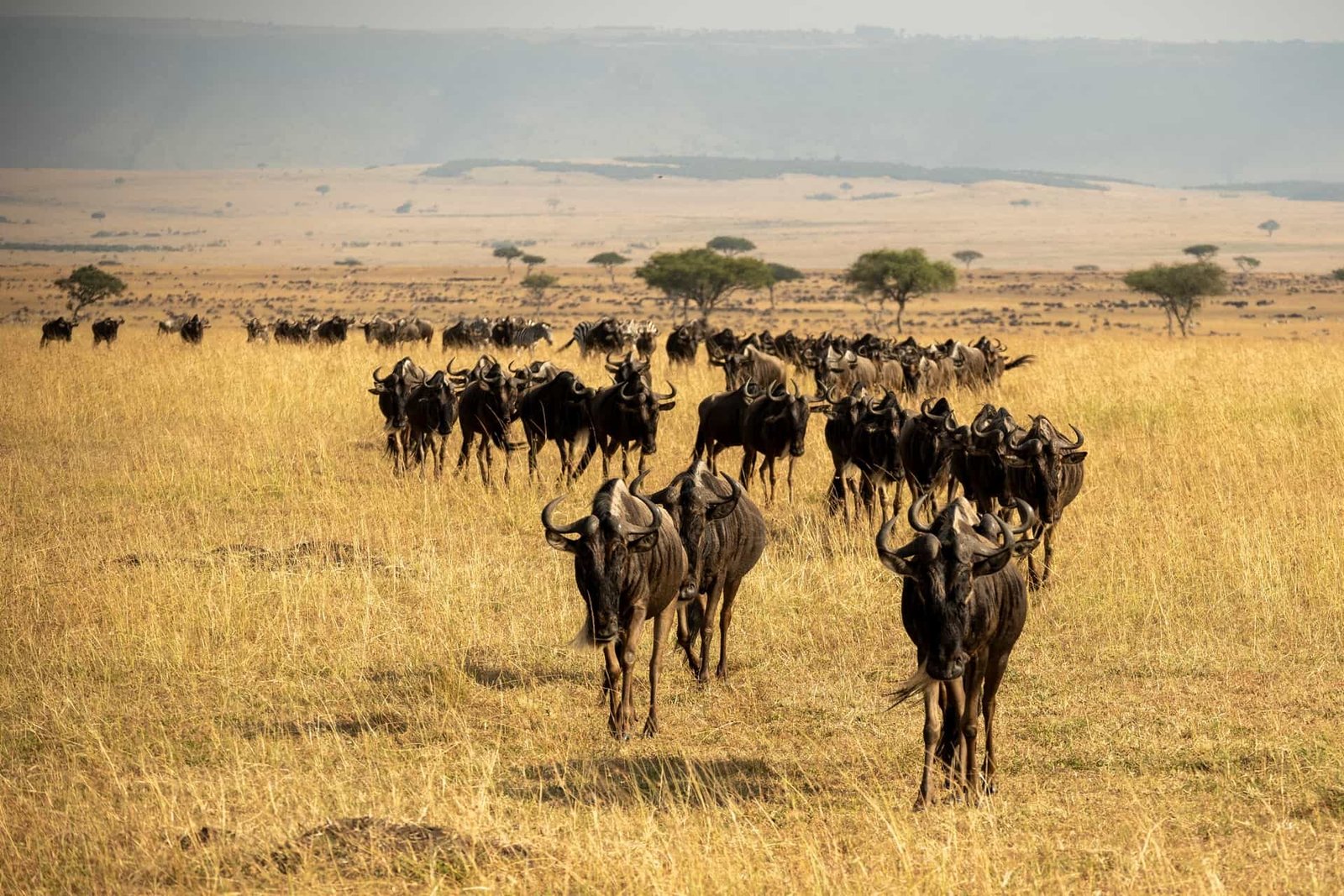
Tanzania is a year-round destination, but timing shapes which spectacle you witness. The dry season (June–October) is peak safari time. Wildlife concentrates around water sources, vegetation thins for better visibility, and the Great Migration river crossings unfold in the northern Serengeti (July–September). This is also the prime Kilimanjaro climbing season with clear, stable conditions. The short dry spell (January–February) is excellent too, coinciding with the dramatic wildebeest calving season in the southern Serengeti and Ndutu. The wet seasons bring their own rewards: the long rains (March–May) deliver lush green landscapes, newborn animals, fewer crowds, and lower prices, while the short rains (November–December) freshen the plains without seriously disrupting travel. For migration river crossings and classic dry-season game viewing, choose June–October; for calving drama and predator action, January–February; for green-season value and solitude, the shoulder months reward flexible travellers.
Hot, clear days, calving season begins in southern Serengeti/Ndutu, intense predator action, lush green plains, excellent game viewing; book ahead
Calving season at its height (8,000 calves born daily), best cheetah and predator viewing, short grass for visibility, sunny days; the most reliable migration spectacle, book 8–12 months ahead
Long rains begin late month, herds start moving north, lush green scenery, fewer crowds, lower rates; good wildlife viewing before heavy rains set in
Peak of long rains, heavy rainfall and humidity, scattered herds, thicker vegetation harder for viewing; quietest parks, lowest prices, off-the-beaten-track appeal
Long rains continue, heavy rainfall, migration moving through central/western Serengeti, very quiet camps, big discounts; rewarding for green-season travelers who follow the herds
Dry season begins, clearing skies, early Grumeti River crossings in Western Corridor, rutting season, fewer crowds than July–August; excellent start to peak season
Prime dry season, Mara River crossings begin in northern Serengeti, superb game viewing, cool nights; very busy and pricey, book 8–12 months ahead
Peak season, dramatic Mara River crossings at their best, top predator action, clear skies; busiest and most expensive month, book well in advance
Excellent dry-season viewing, river crossings continue in smaller batches, thinning vegetation, comfortable weather; still busy but slightly quieter than August
Late dry season, last of the river crossings as herds move south, excellent game viewing, driest bush ideal for walking safaris; short rains may arrive late month
Short rains arrive (mostly afternoon showers), herds returning south, refreshed landscapes, great photography, fewer crowds, lower rates; rarely disrupts travel
Short rains easing, herds reaching Ndutu to prepare for calving, green scenery, good game viewing; festive season busy late month, book holiday travel ahead
This beautiful Park has often been called a little gem, and rightly so. It is only ½ an hour by tarmac road from Arusha town, the safari center…
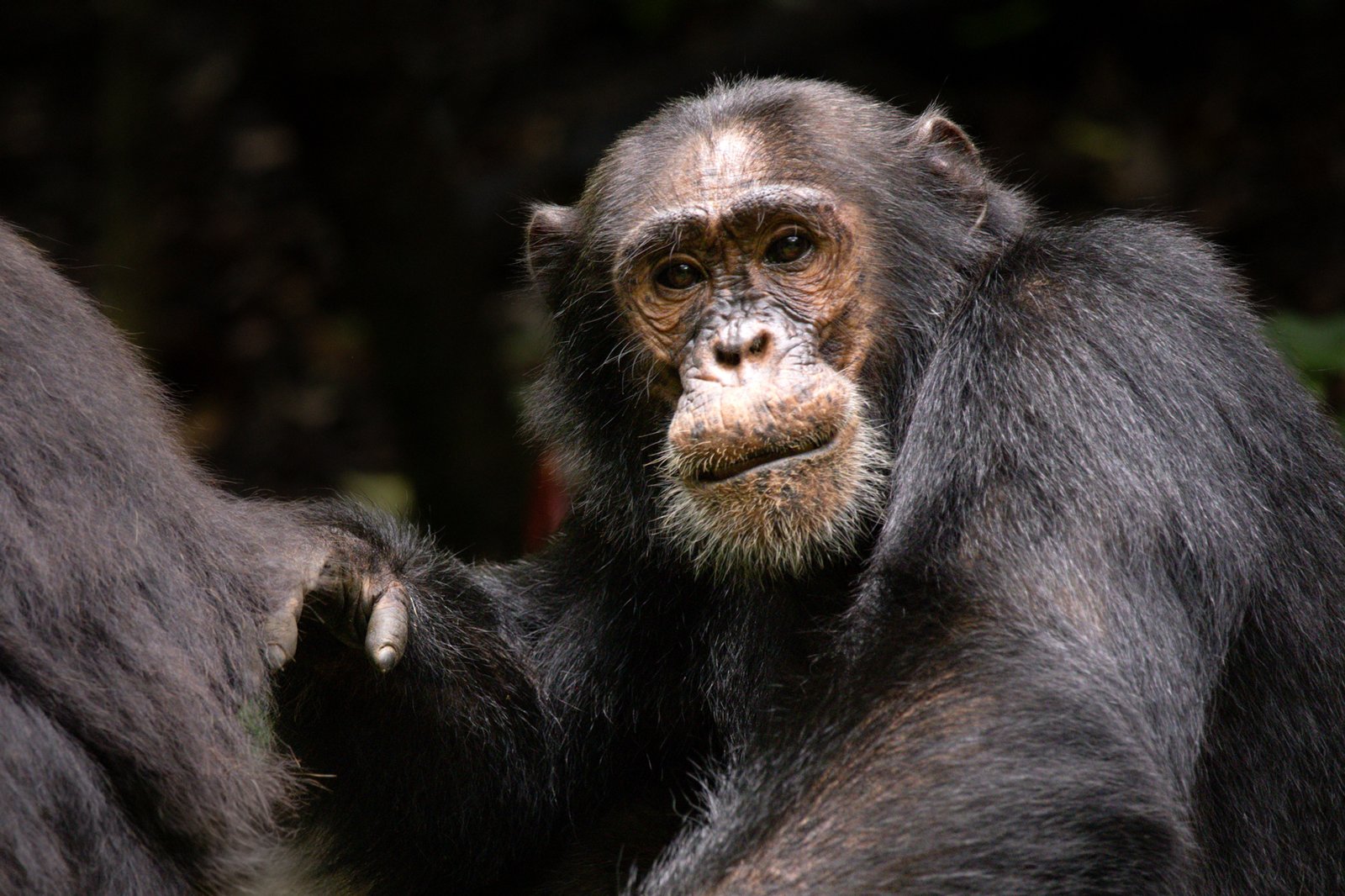
This national park is located in the western side of the Tanzania at the border of Tanzanian and the Democratic Republic of Congo. This national park is mostly…
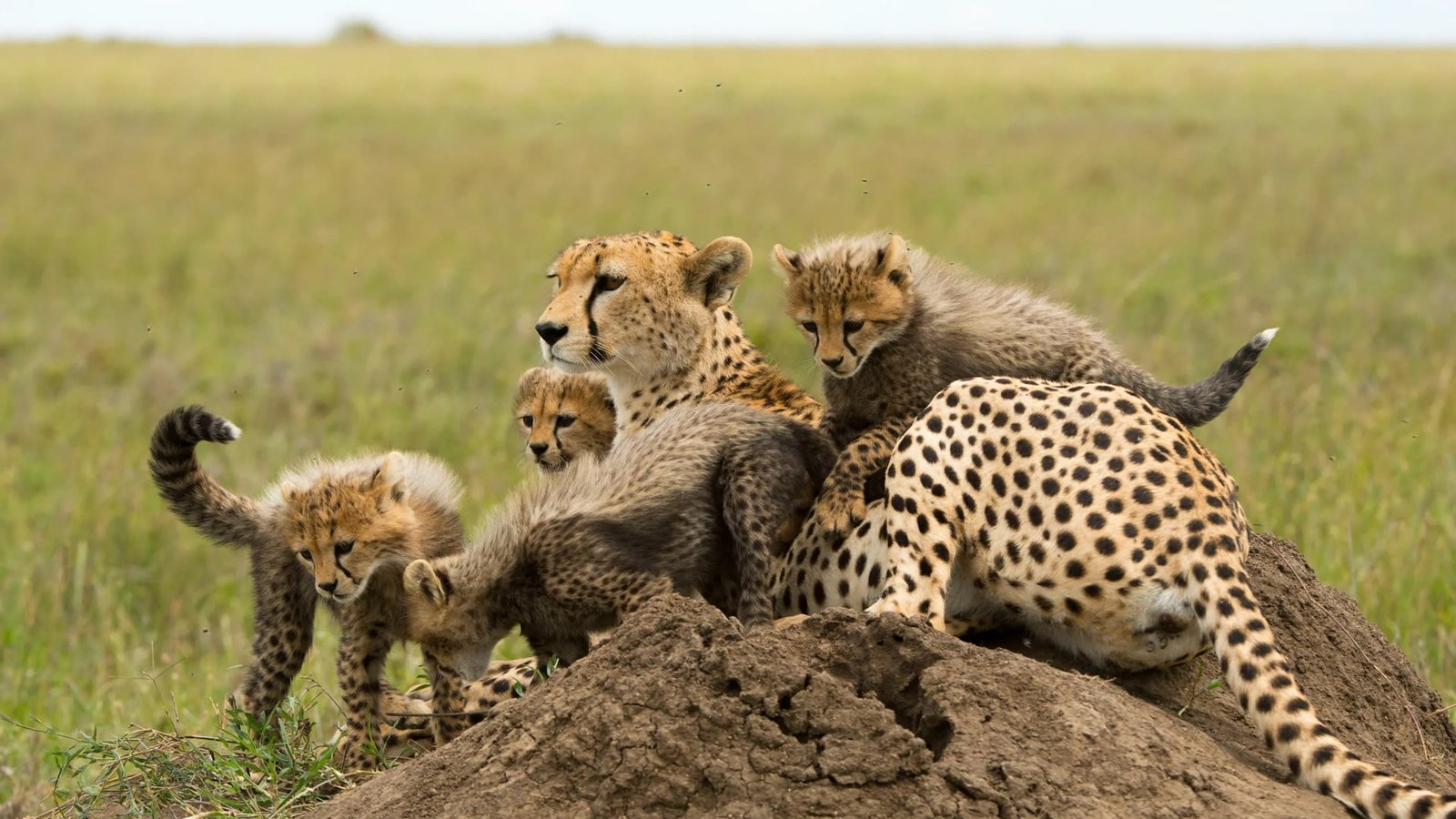
Katavi National Park is an isolated national park located in Southwest Tanzania, east of Lake Tanganyika. Katavi National Park has an area of 4471km2 about 1727 miles and it…
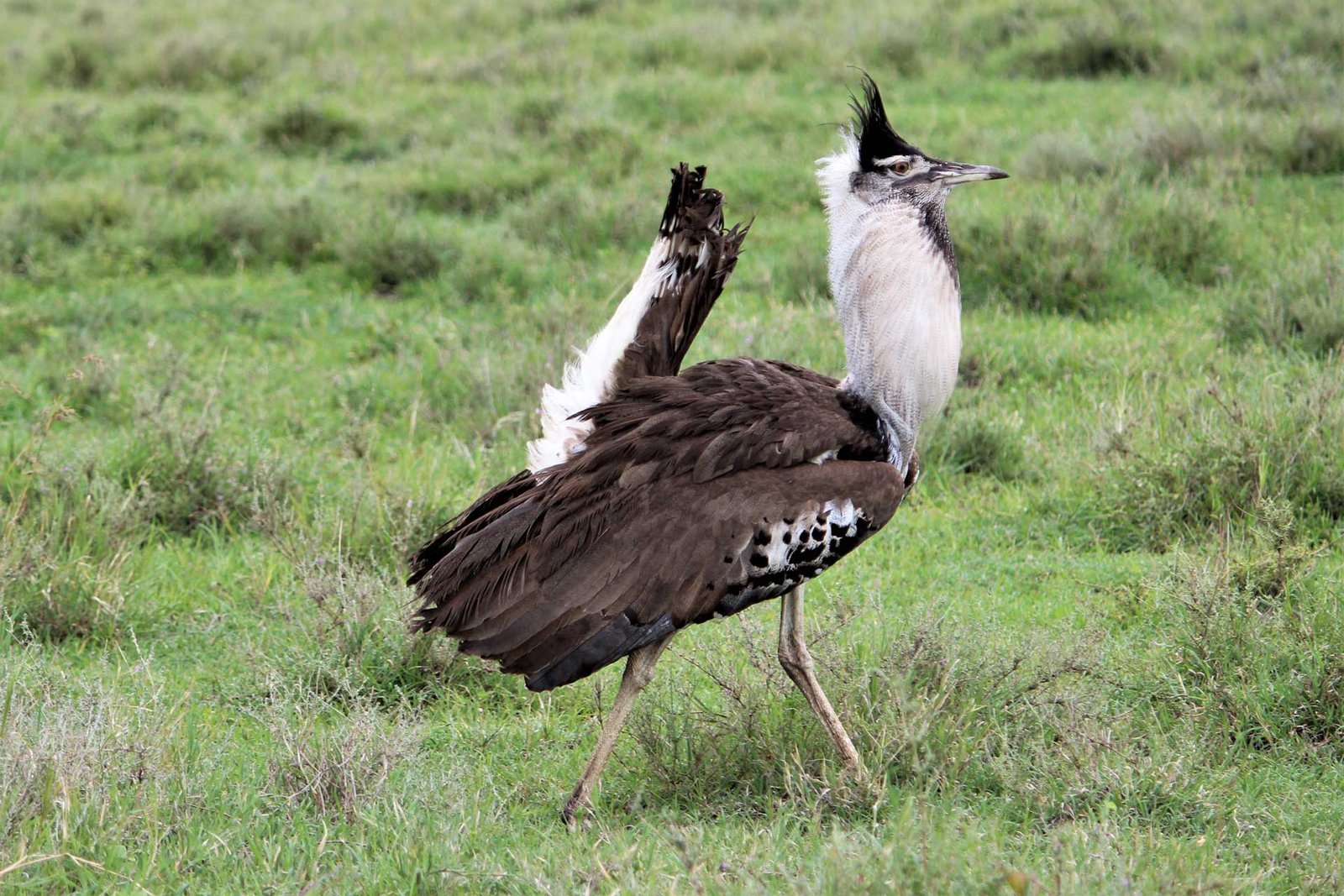
Kitulo National Park is a protected area of montane grassland and forest on montane forest on the Kitulo plateau in the southern highlands of Tanzania. The park is…
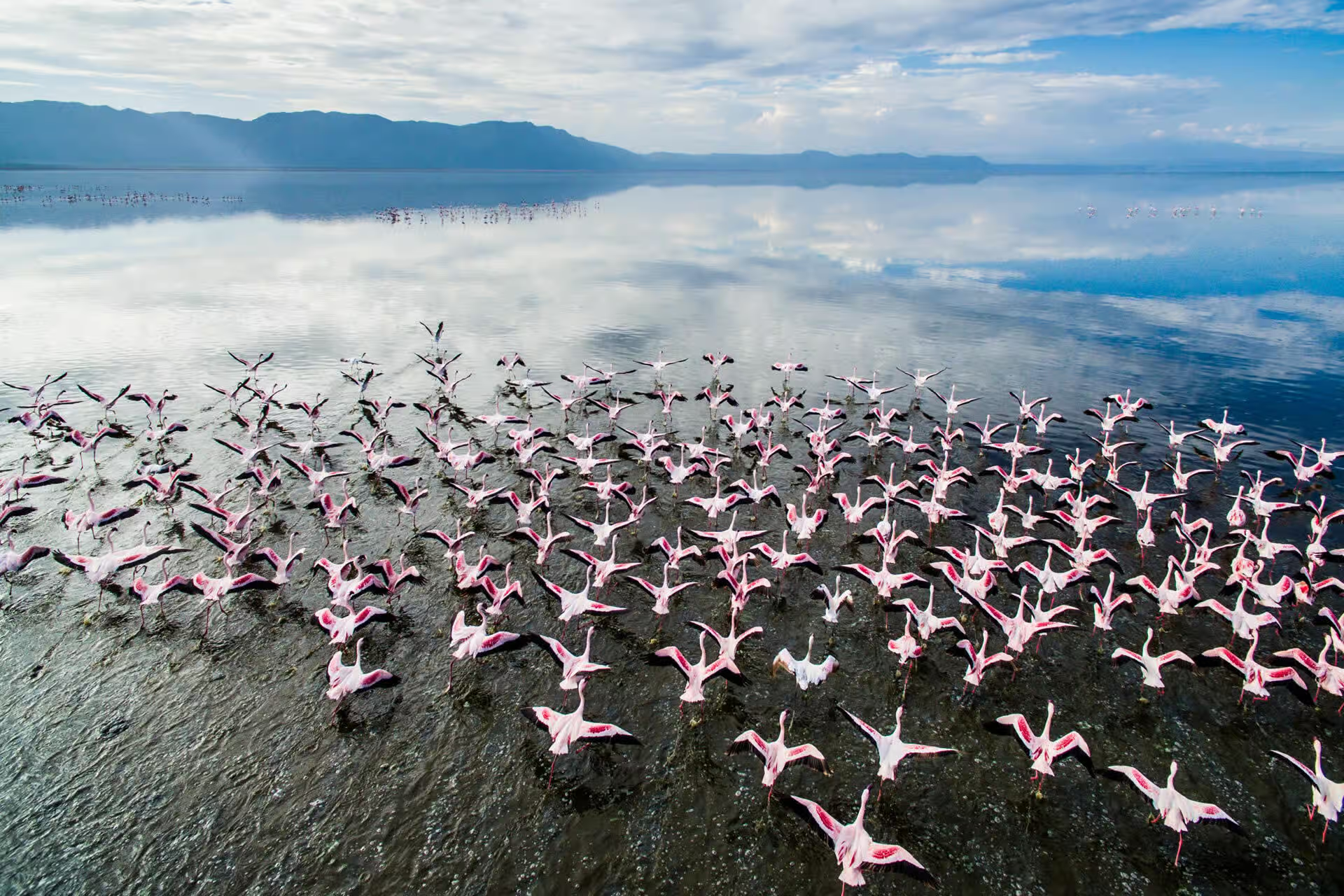
Lake Manyara National Park is found in northern Tanzania, close to Tarangire National Park. Lake Manyara has an area of 130square miles(325km2) offering a great stopover when connecting…
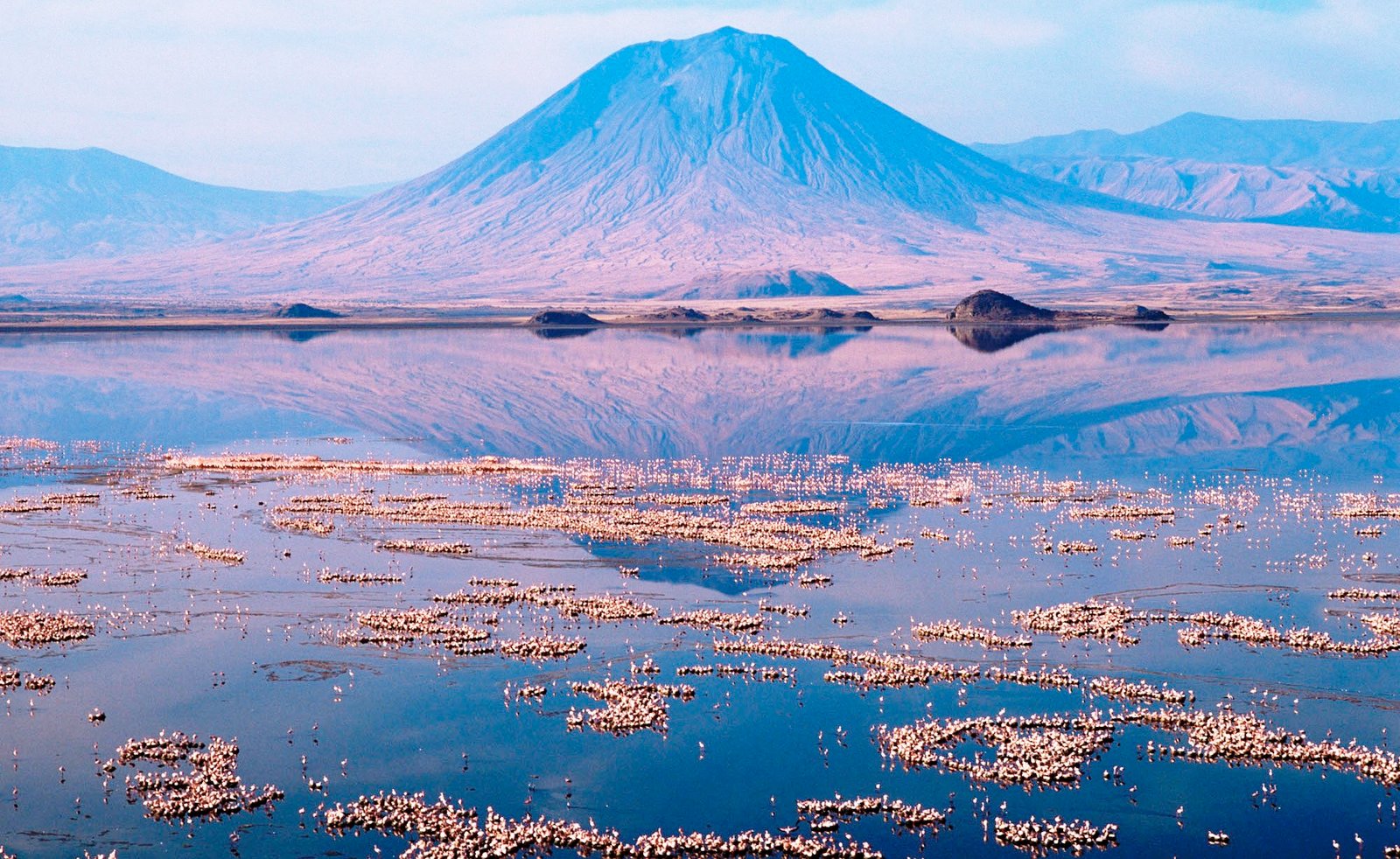
Lake Natron is one of the most surreal and otherworldly landscapes in all of East Africa. Tucked into the far north of Tanzania in the Arusha region, it…
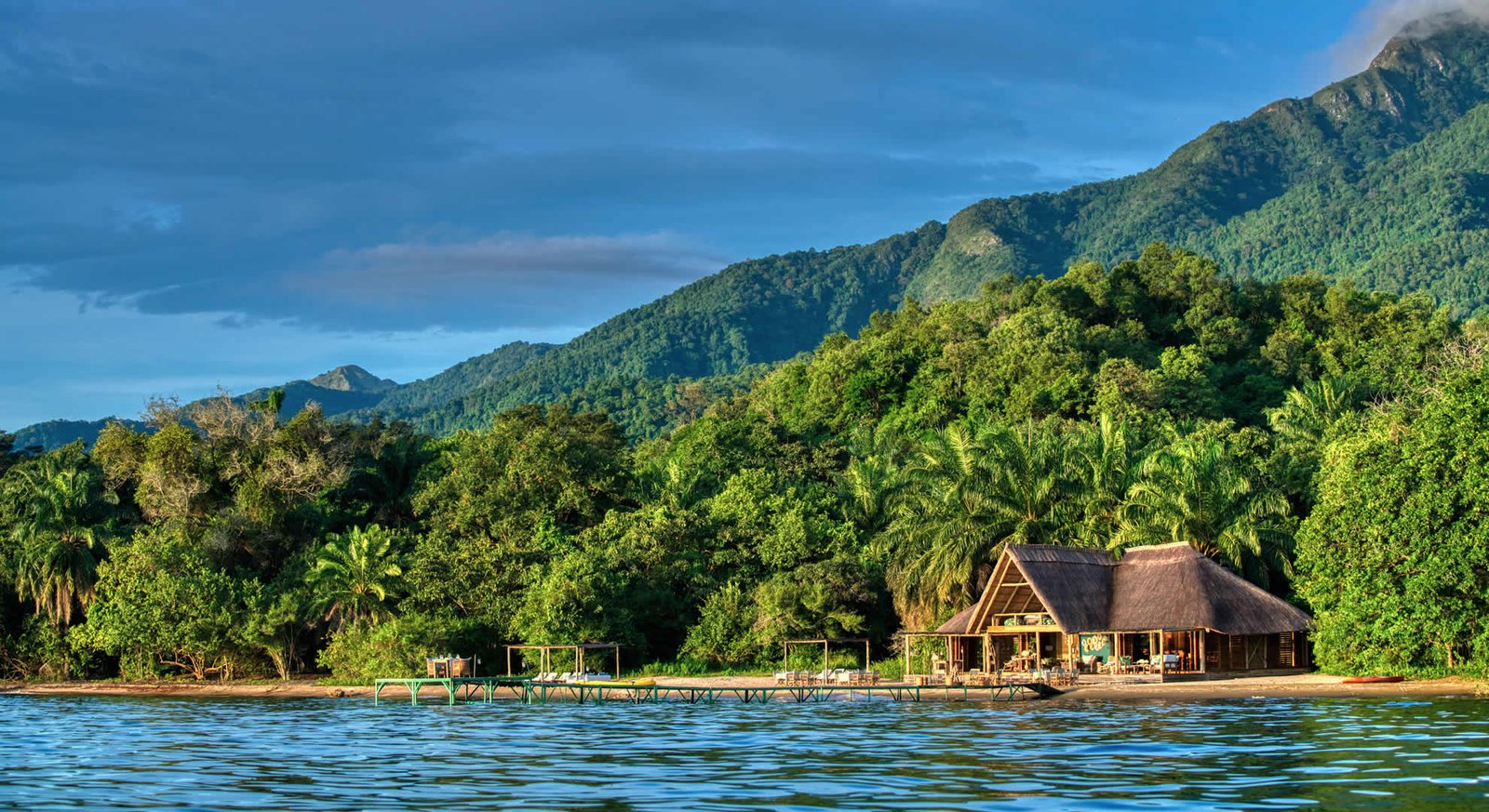
Mahale Mountain National Park is found on the eastern shores of Lake Tanganyika in Uvinza of the Kigoma region, Tanzania. Named after the Mahale Mountains range that is…
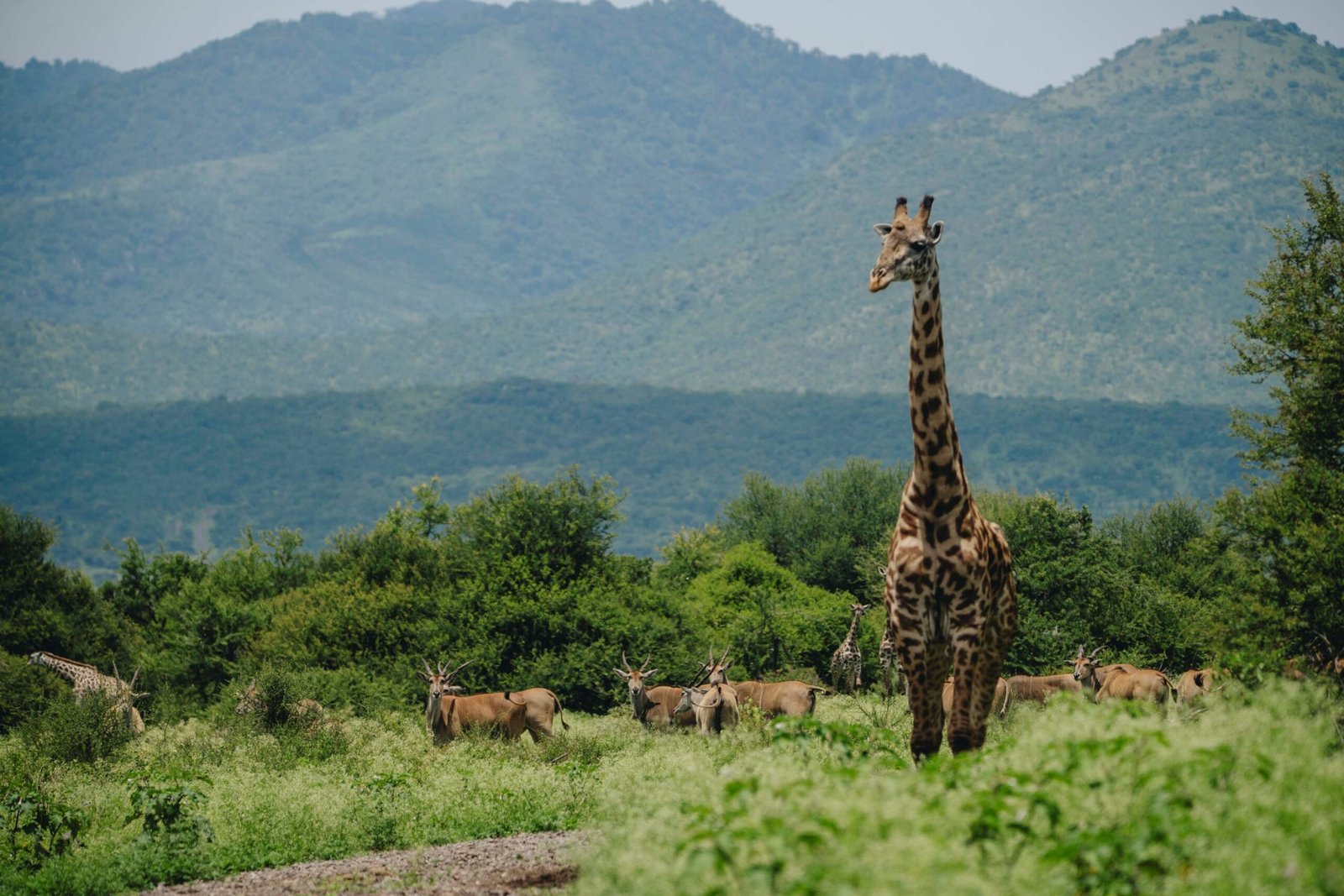
Makuyuni Wildlife Park is one of Tanzania's newest and most exciting safari destinations, a hidden gem tucked into the northern circuit yet still largely off the beaten track.…
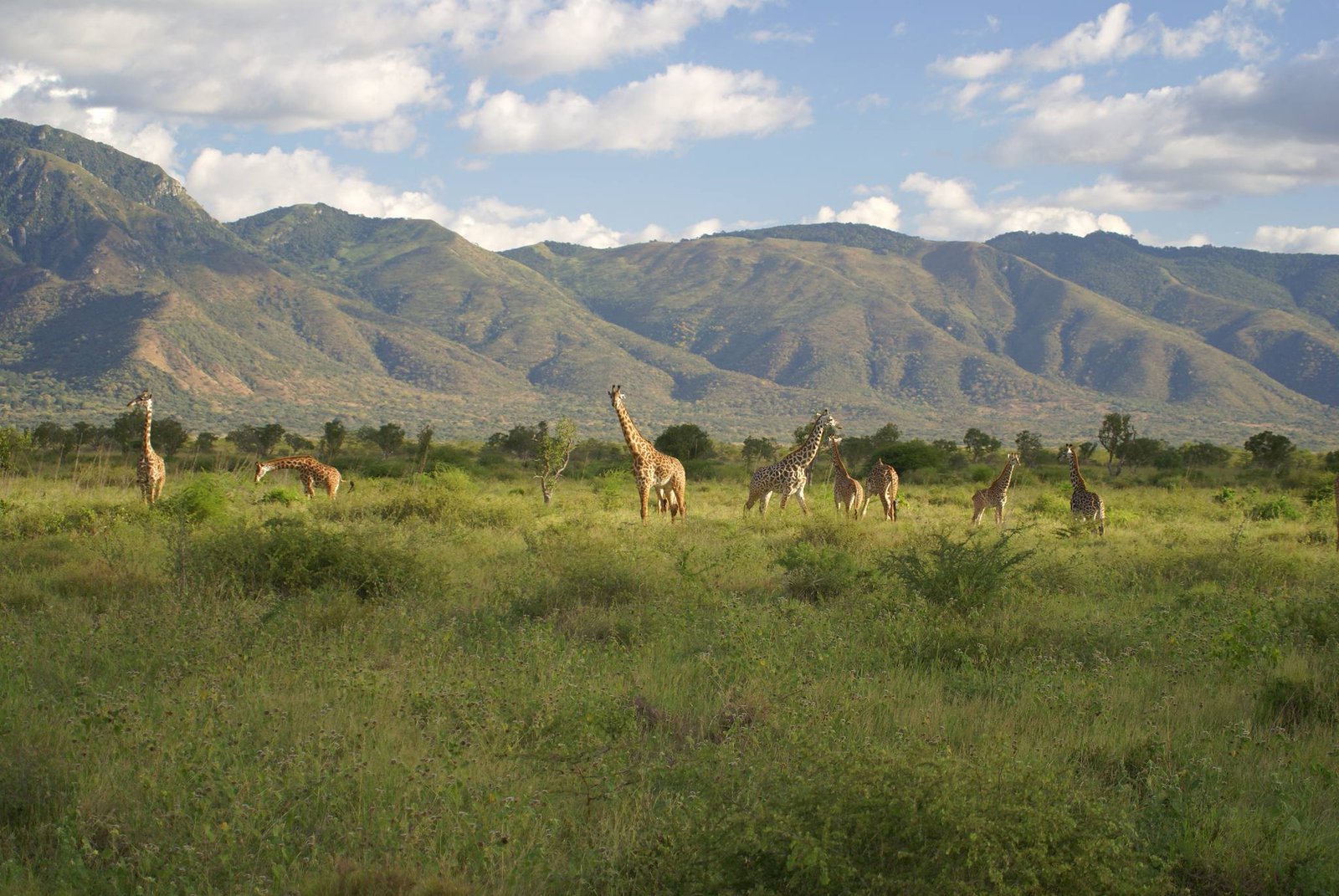
This national park is located in northeastern Tanzania on the border of Kenya in both the Kilimanjaro and Tanga regions Mkomazi National Park was established in 1951 as…
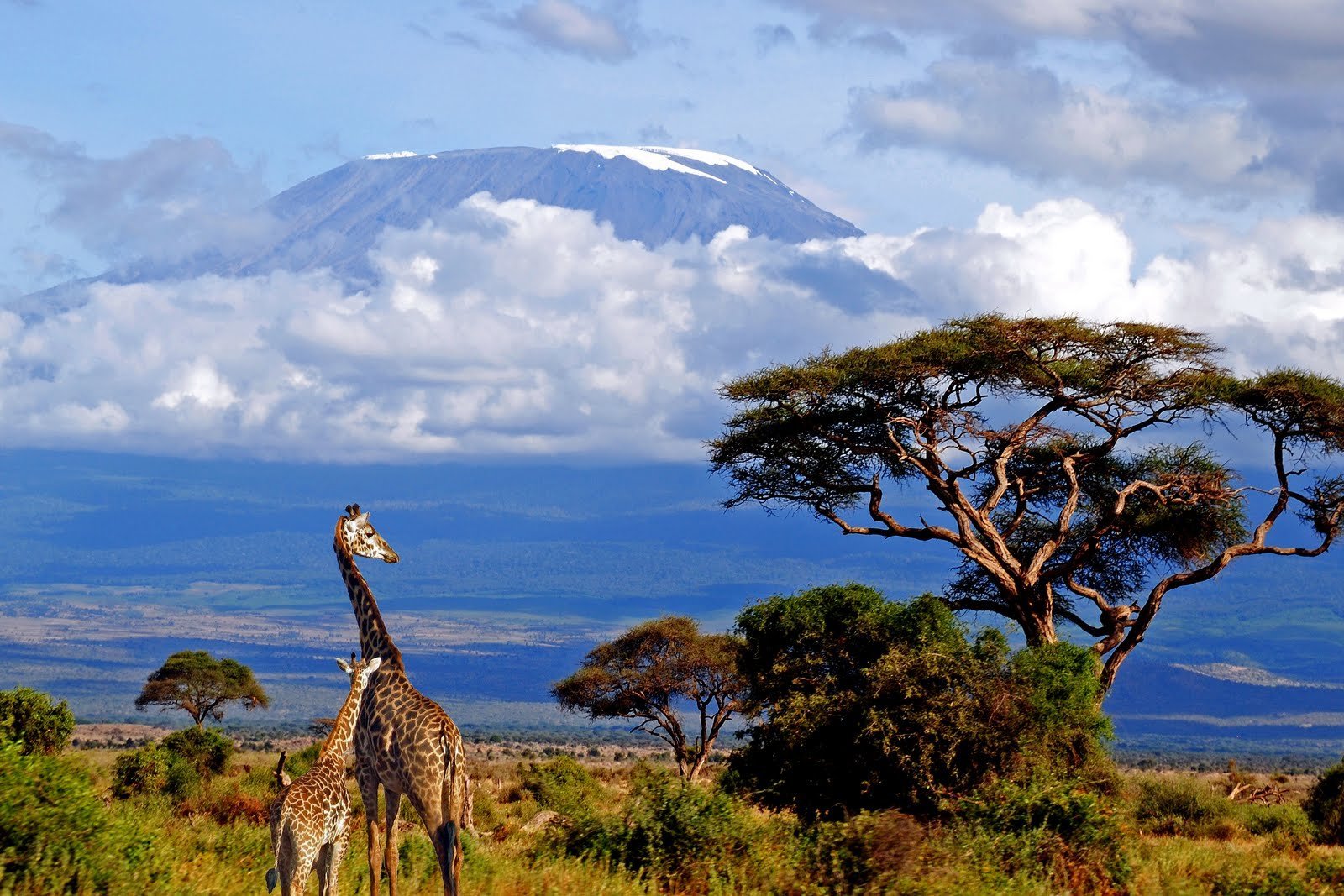
This national park is found 190 kilometers south of the equator, about 300 miles away south. The national park is located near the town of Moshi/region and around…
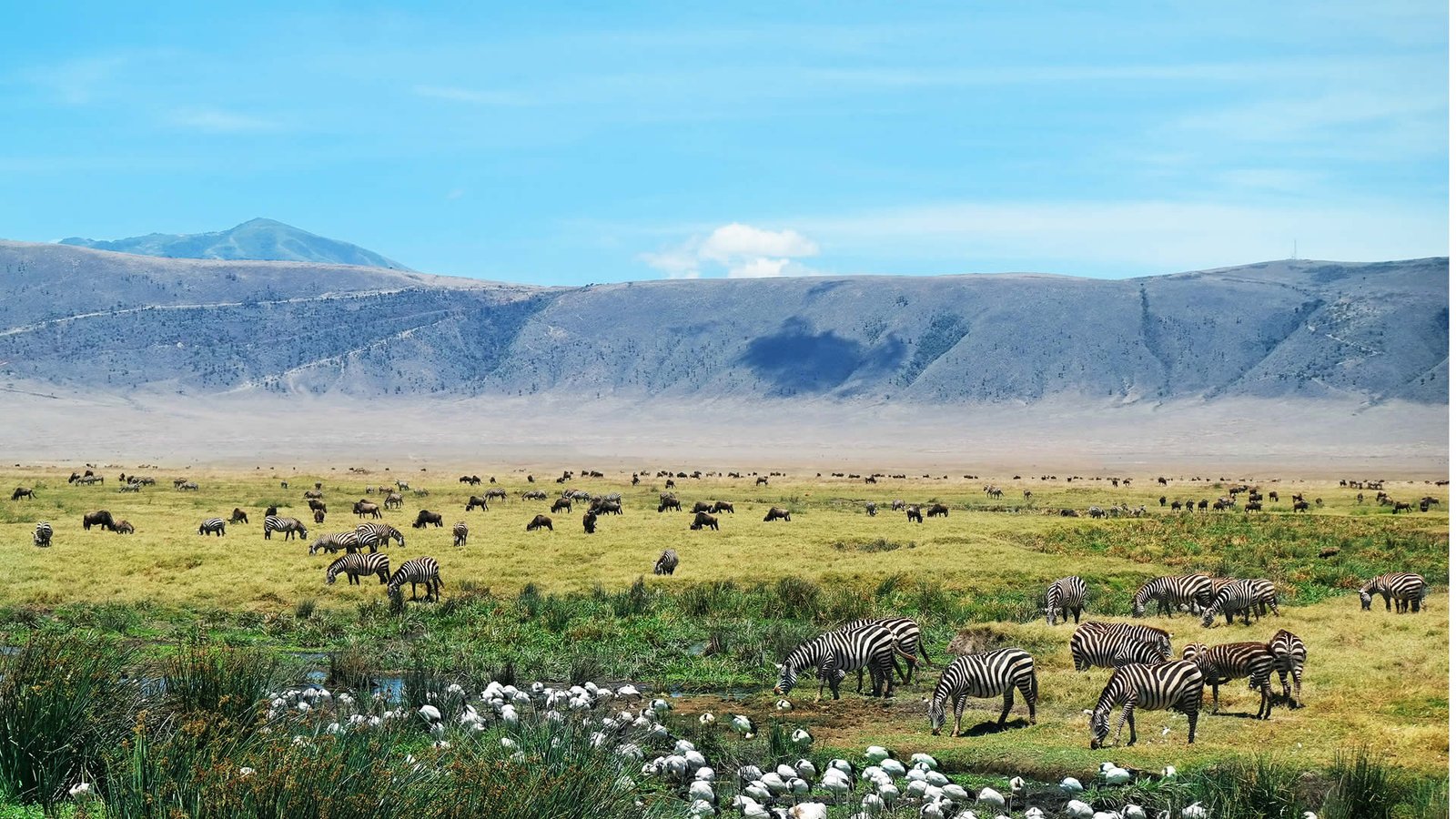
The Ngorongoro Conservation Area is found in northern Tanzania, in the Arusha region, spread across the highlands between the endless Serengeti plains to the west and the Great…
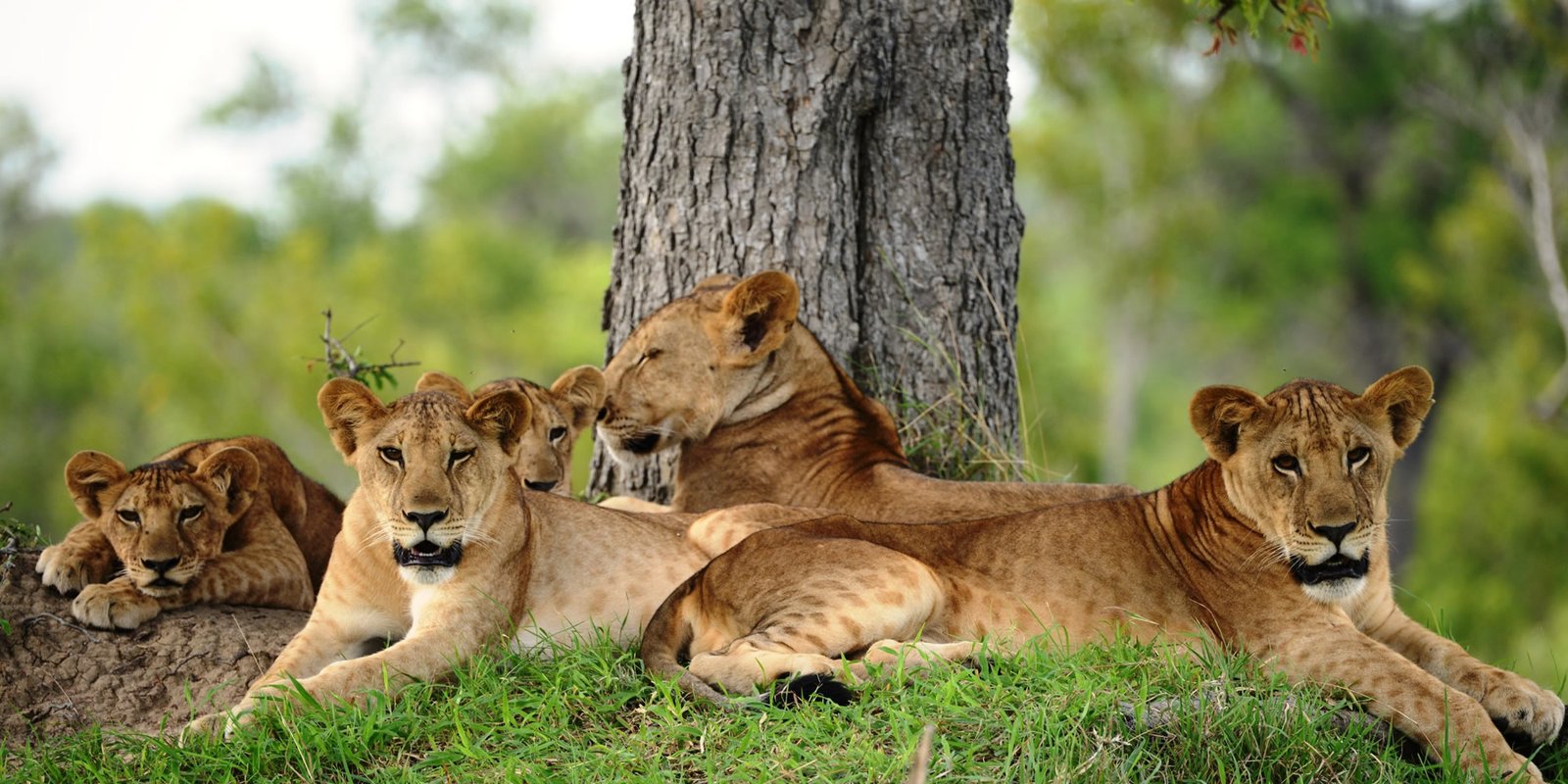
This national park, formerly known as the Selous Game Reserve, is the largest national park in Tanzania and is also one of the largest wildlife sanctuaries and national…