Andasibe National Park

Andasibe or Andasibe-Mantadia National Park is a 155 square kilometre protected area, located about 150 km east of Antananarivo, consisting principally of primary growth forest in Alaotra-Mangoro Region in eastern Madagascar. The park’s elevation ranges from 800 to 1260 meters, with a humid climate. Average annual precipitation is 1700 mm, with rainfall on 210 days of each year. This rainforest is home to a vast species biodiversity, including many endemic rare species and endangered species, including 11 lemur species. The park’s two parts are Mantadia National Park and Analamazoatra Reserve, which is best known for its population of Madagascar’s largest lemur, the indri.

The national park was nominated in 2007 to become part of the World Heritage Site of Rainforests of the Atsinanana. However, its forests were not selected for the final list.

This is one of the easiest parks in Madagascar to visit from the capital city, Antananarivo, with a 3-hour drive east on a paved road, Route Nationale 2 (RN 2). While Analamazaotra and park headquarters are short walks from Antsapanana on the RN 2, special transport must be arranged or hired from local hotels to reach Mantadia. Hikes ranging from 1–6 hours are typically available in both parts of the park. A local guide is required for visitors entering either part of the park.

Flora and Fauna

Andasibe-Mantadia is inhabited by more than 100 bird species, endless amphibians, reptiles, insects, and 14 lemur species. The loudest and most famous animal is the Indri (Indri indri) jumping through the treetops, whose calls reach far away through the forest and awake many guests in the morning. Diademed sifakas (Propithecus diadema) and black and white ruffed lemurs (Varecia variegata) live inside these rainforests, too. All three species, as well as several others, can be watched inside the national park quite well, especially Indris and diademed sifakas, which are rather used to humans and may be watched sometimes in only a few meters distance.

Reptile lovers will be lucky to see a subspecies of the Parson’s chameleon, Calumma parsonii cristifer, but also other chameleons. Calumma brevicorne or Furcifer wilsii. Day geckos live all around the park, and often you find them on huts and palm trees taking sunbaths. The completely harmless Malagasy tree boa (Sanzinia madagascariensis) crawls on the ground and climbs trees here, too. Insect lovers can discover strange, only here-occurring bugs like lantern bugs (Zanna pauliani) or the famous giraffe-necked weevil (Trachelophorus giraffae). Do you prefer plants? Then Andasibe could be your favorite, too: Rare orchids, a huge number of tree ferns, and other endemic plants offer pure variety. Unfortunately, the endemic flora is interrupted in several places by invasive introduced species like European pine, Australian eucalyptus, or Asian bamboo. But the local people strive to stem the growth of these intruders.

Location of Andasibe National Park

The village of Andasibe is located only 130 km east of Antananarivo and therefore only a few hours away from the capital of Madagascar, in the region of Alaotra Mangoro.  The easy accessibility is one of many advantages. The national park is situated near RN2 on the way to Toamasina (Tamatave). The preferred travel option is the own car including a driver, but Taxibrousse drives there regularly, too. Sadly, the last ones tend to be late, have accidents, and are usually overcrowded. Unfortunately, RN2 has worsened during the last few years, so you up to date need about four hours to drive from Tana to Andasibe.

The Background of Andasibe National Park

The Analamazaotra (or Périnet) Special Reserve (ASR), known locally as Andasibe after the nearby village, was once part of the larger Mantadia National Park, which also included Maromizaha Classified Forest to the southeast and Anosibe an’ala to the south. However, logging and deforestation for farming have resulted in these parks now being isolated.

The main threat to this park comes from the disappearance of adjoining habitat outside the park. This disappearance has been caused primarily by logging and the replacement of rainforest with commercial Australian eucalyptus and Chinese pine forests, and to a lesser extent by slash-and-burn cultivation for rice agriculture, which is exacerbated by the extremely high population growth rate and poverty in rural Madagascar.

To address the disappearing habitat threat, reserves have been created in the vicinity of Andasibe-Mantadia that balance resource extraction with environmental protection and attempt to create economic and environmentally preferable alternatives to replacing native forests with eucalyptus and pine.

In 2006, the Madagascar Biodiversity Partnership and Omaha’s Henry Doorly Zoo & Aquarium, in collaboration with Madagascar National Parks and Eaux et Fôret, initiated the Analamazaotra Re-introduction/Translocation (ART) project to reintroduce two endangered species of lemur back into the park. The aim was to take lemurs from threatened areas where habitat loss means the incumbent population is unsustainable, and relocate them to the relative safety of the Analamazaotra Special Reserve. The program followed the IUCN re-introduction/translocation guidelines, with family group monitoring before and after translocation.

By 2014, the ART project had reintroduced three groups comprising 26 diademed sifaka and 8 black-and-white ruffed lemurs into the park. The project’s multi-disciplinary team tracked the reintroduced groups using radio collars and collected fecal samples to evaluate biomedical, genetic, habitat, nutritional and reproductive characteristics of the lemurs.

The project has so far been very successful, and visitors to this popular reserve have been lucky enough to see two generations of babies born at the park. The ART project also helps the local community through education and provides two local guides.

Accommodation at Andasibe National Park

Andasibe Hotel

Andasibe Hotel is situated in the forest near the entrance to Analamazoatra Reserve, which is part of Andasibe-Mantadia National Park. Lodging is in 20 bungalows built along two ridgelines and backed by high, dense forest. The spacious rooms are simple but stylish, with clean lines and bright accent colors. Modern comforts include en suite bathrooms with hot showers, heaters for cool winter evenings, charging outlets in every room, a mini bar, satellite TV, and Wi-Fi is available in the reception and restaurant areas. Each room is individually decorated and has a small private veranda for taking in the surroundings, with the call of rare endemic birds echoing just beyond. In the central area, a bar and restaurant serve elegant cocktails, fine French-Malagasy cuisine and international fare. Enjoy a swim in the large outdoor pool, and kayak excursions nearby are possible, too, if time permits. After an exciting trek looking for Indri and other lemurs, guests may enjoy relaxing with a massage, available at an extra cost.
Berenty Reserve

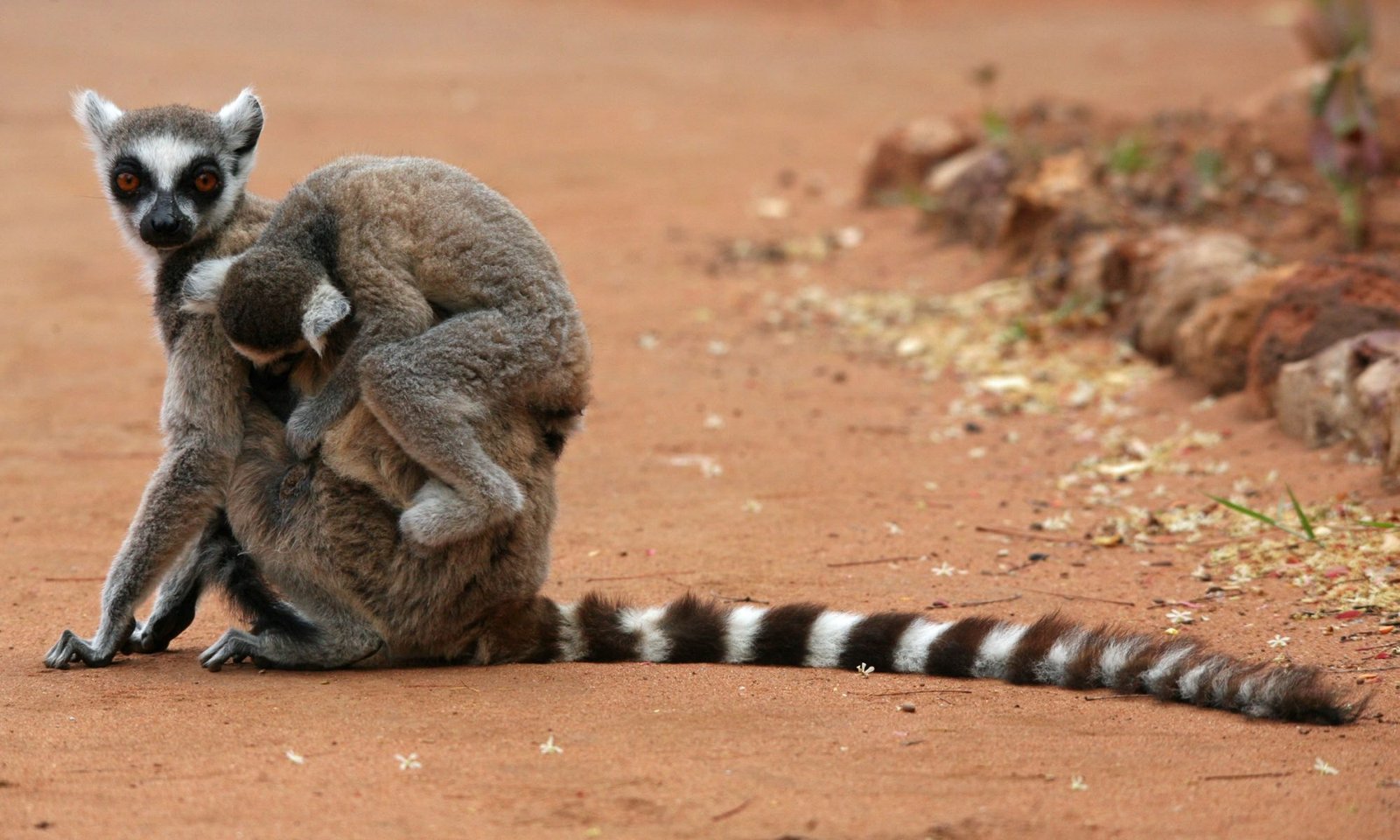
Berenty Reserve is located in the Southern part of Madagascar and is prominently known to inhabit the unique lemurs. The park is one of the most popular safari destinations in Madagascar. The Lemur troops in the reserve are fond of dancing and sauntering with tails in the air. Other than the Lemurs, travelers can watch the Sifaka dancing over the ground or ricocheting between thorn-studded trees.

The reserve comprises a closed-canopy gallery forest of ancient tamarind trees, drier open scrub and the surreal “spiny forest” of southern Madagascar. There are more than six species of lemur, the south’s largest colony of Madagascar fruit bats and 103 bird species, 56 of which breed in the reserve.

Other than the lemurs, the park is known to have diverse cultures and societies which are exceptional to engage in. There are dense natural lemur populations with several hundred of each species per square kilometer.

Flora and Fauna

Most of the faunal species inhabit the region around the spiny forest known to have year-round water, making lemurs and thousands of fruit bats prefer this region of the park. Other than these, the reserve also includes predators like the harrier hawk, Polyboroides radiata, and the Madagascar buzzard, Buteo brachypterus. There are also smaller reptiles, amphibians, and invertebrates.

Flora in the park varies between two adjacent forest types, i.e the Gallery Forest and the Spiny Forest. The Gallery Forest consists of tamarinds, Tamarindus indica, or in Malagasy, kily, and Emergent Acacia rovumae, which reaches 30 meters in height. These are referred to as benono and are bushy-crowned and evergreen throughout the year.

Other than the gallery forest, there is the spiny forest, which includes Didiereaceae and Euphorbiaceae, and these comprise various swollen stems, roots, and trunks for storing water. Their leaves are adapted to avoid too much sun, which falls on them vertically at midday. During the dry season, many plants don’t have leaves, hence the forest never has shade.

Things to do in Berenty Reserve

Being among Madagascar’s famous wildlife reserves, Berenty Reserve is situated along the banks of the River Mandrare. The things to do in the reserve include;

Wildlife watching

The reserve is exceptional for wildlife watching as you get a chance to watch troupes of ring-tailed lemurs race along the dappled pathways, happily fearless of the travelers. Other than the Lemurs, you can watch the Verreaux’s sifakas as they leap from one tree to another, usually descend to earth to triple jump, arms raised high, across the sand.

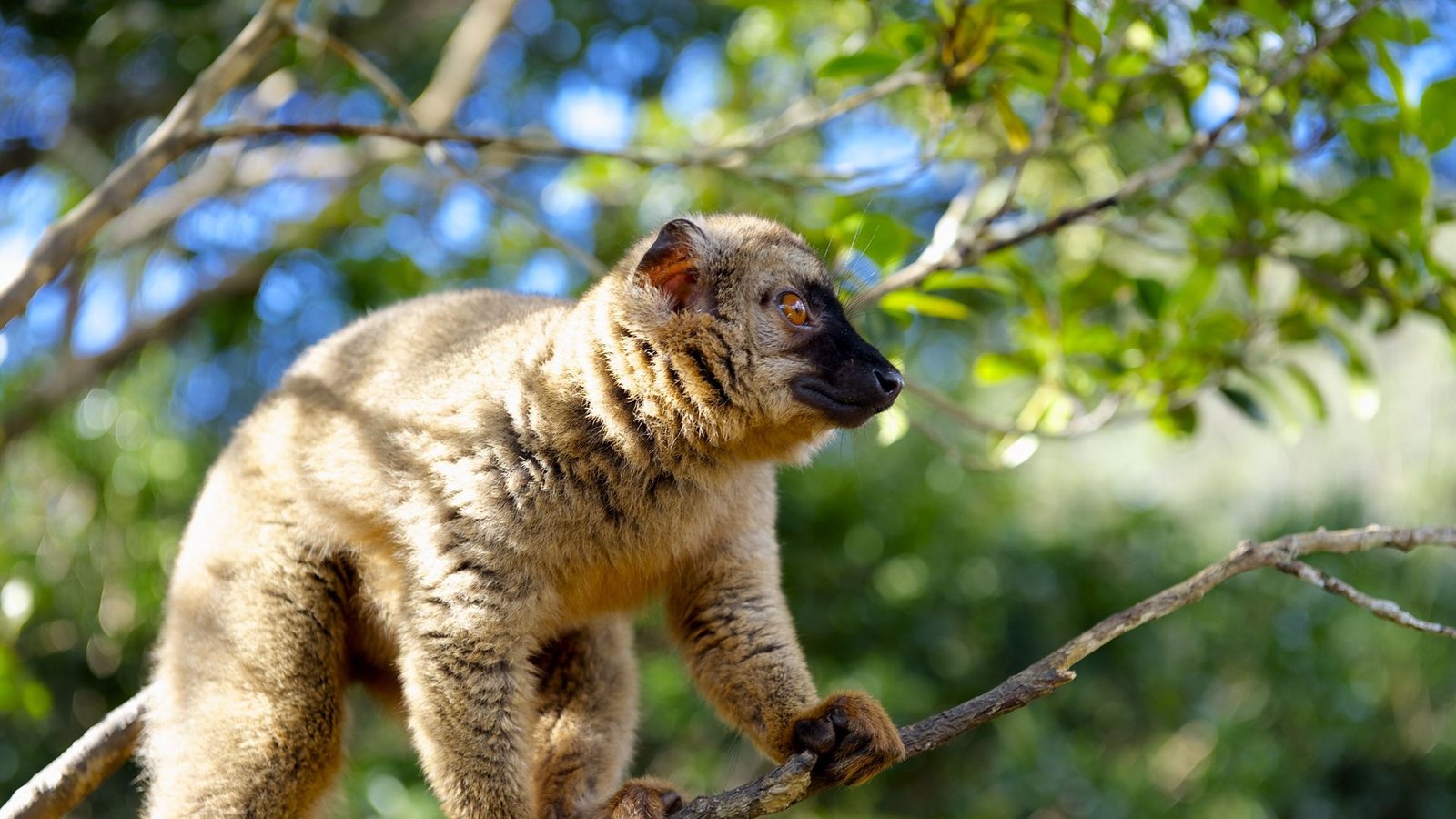
The reserve also has the Red-fronted brown lemurs, which can be seen eating fruit and leaves. Bird watching is exceptional even without binoculars. On your bird-watching adventure, you view bird species like the giant couas and paradise flycatchers.

Night walks

Night walks are exceptional to do in the reserve within the Spiny Forest. The night walks include you transferring through the forest as the moonlight filters through twisted fingers of euphorbia and octopus trees, requiring you to move from one point to the next with a powerful torch (brought by you as these are hard to find in Madagascar), watching Lemurs. You shall catch the eyes of curious Lemurs, flashes of green against the inky night, Mouse Lemurs, which are usually so active, flickering fast up and down silhouetted trees. These can be located following their eerie call.

Best Time to Visit Berenty Reserve

Berenty Reserve in Madagascar can be visited anytime around the year although the Best Time to visit the Park is during the dry season in the months of April to October. During this time, the weather is okay with less humidity and rain making it perfect for wildlife viewing and hiking.

April is very awesome as it gives you a chance to watch stink fighting, i.e a ritual where ring-tailed lemurs compete for mates by using scent.

However, travelers can visit the reserve for safaris even during the wettest months of December to March, where they can hike along the short and easy trails watching lemurs.

When to Visit Berenty Reserve

Berenty Reserve in Madagascar can be accessed as you fly to Taolagnaro (Fort Dauphin), where you leave and drive for a period of 2-3 hours to the reserve. Berenty Reserve lies about 90km/55mi west of Toliara. Alternatively, some visitors with domestic planes can use the reserve’s private airstrip.

Mount Elgon National Park

Mount Elgon National Park stands out as one of Uganda’s most breathtaking natural wonders. Situated in the eastern region of the country, close to the Kenyan border, this park spans an area of 1,279 square kilometres and is named after Mount Elgon, a gigantic extinct volcano. This ancient formation is among the oldest in East Africa, with its origins reaching back millions of years.

Known for its stunning scenery, cool weather, and diverse wildlife, Mount Elgon National Park is a top choice for hikers, nature enthusiasts, and anyone seeking relief from the warmth of the lower regions. With its distinctive features like waterfalls, caves, hot springs, and the world’s largest volcanic caldera, the park promises memorable adventures for all visitors.

Mount Elgon National Park is situated on the border between Uganda and Kenya, with the mountain extending across both nations. The larger section of the park is in Uganda, which presents a wider variety of attractions and activities.

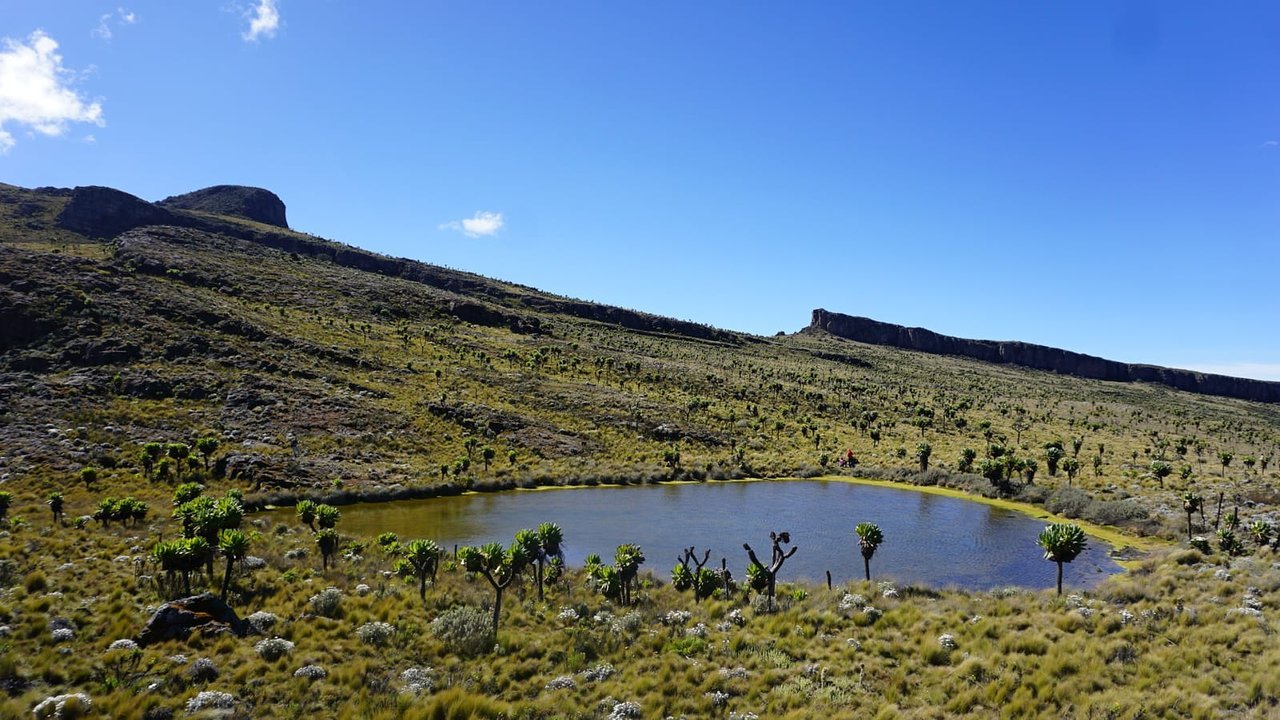
The landscape of the park shifts from dense forests at lower elevations to open moorlands, bamboo forests, and rocky summits at higher altitudes. A prominent feature of the park is the caldera, a vast crater located at the summit of Mount Elgon. This caldera is encircled by five peaks, with Wagagai Peak (4,321 meters) being the tallest point on the Ugandan side. The main hiking routes in the park are the Sasa Trail, Sipi Trail, and Piswa Trail.

Each of these trails provides distinct views and highlights, including caves, waterfalls, and a variety of plant life. Additionally, the park is interspersed with rivers and streams that flow from the mountain, supplying water to nearby communities.

History of Mount Elgon National Park

Mount Elgon has historically been revered by local communities, such as the Bagisu and Sabiny, who have inhabited the region for generations. These communities have traditionally relied on the mountain for ceremonies, agriculture, and livestock grazing. In 1938, the region was initially established as a forest reserve to safeguard its diverse wildlife.

Subsequently, in 1993, it was designated as a national park to further protect its exceptional ecosystem and animal life. Currently, the park is overseen by the Uganda Wildlife Authority (UWA) and is recognized as a UNESCO Man and Biosphere Reserve.

Things to do in Mount Elgon National Park

Wildlife in Mount Elgon National Park

Mount Elgon National Park boasts a wide range of wildlife, birds, and vegetation, creating a paradise for nature lovers. The park’s varied ecosystems nurture distinctive and captivating species.

Mammals

Although the park may not be as renowned for large mammals as some other parks in Uganda, it still accommodates a variety of wildlife species, including:

Forest Elephants

These are smaller than savannah elephants and can often be seen in the forested areas.

Buffalo

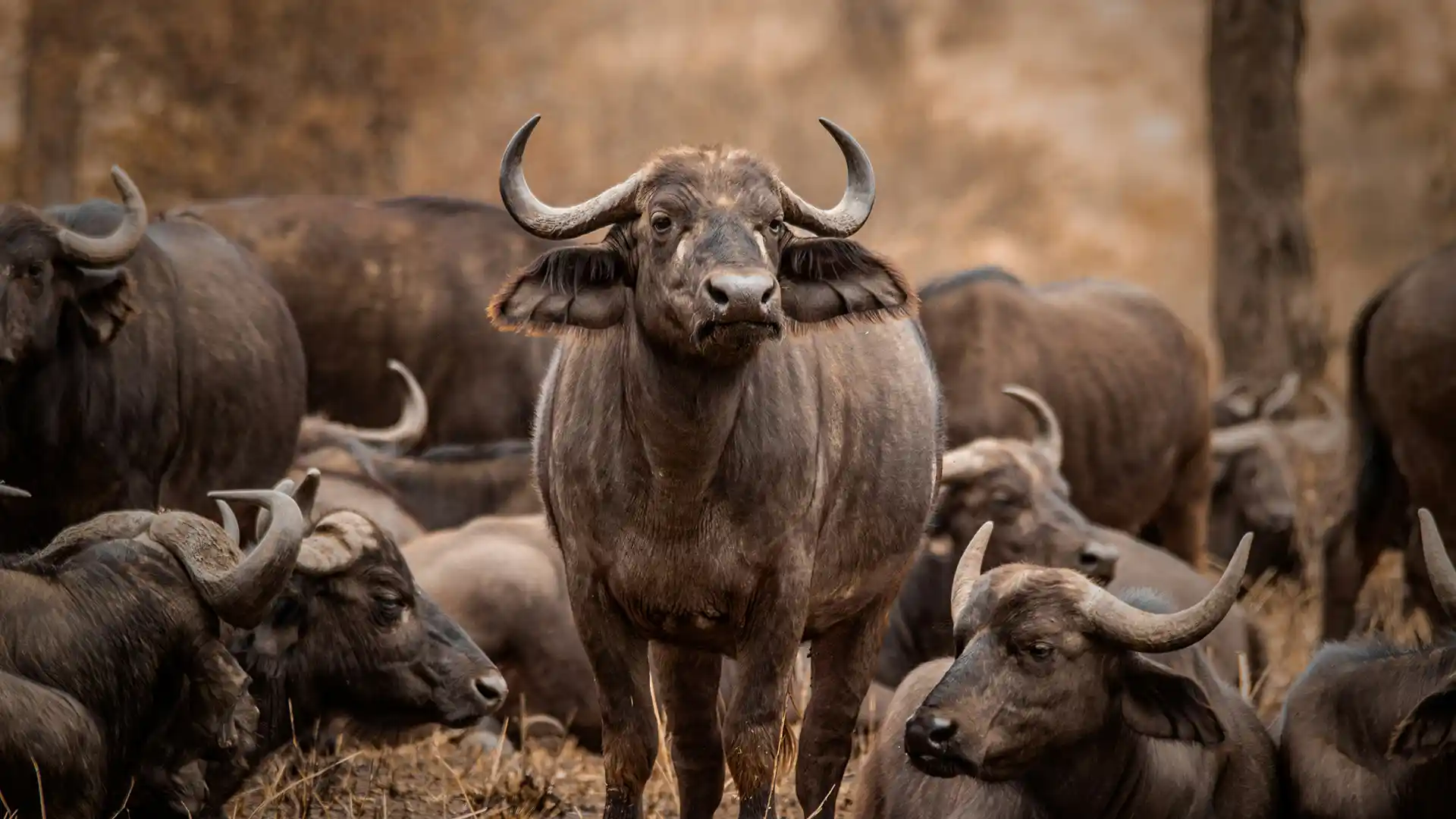
Small herds of buffalo roam the grasslands and lower slopes.

Antelopes

Species like bushbucks and duikers can be spotted in the park.

Primates

The park is home to several primates, including black-and-white colobus monkeys, blue monkeys, and vervet monkeys.

Leopards

Although rare, leopards can sometimes be seen in the park’s remote areas.

Birds

The park serves as a haven for bird enthusiasts, boasting more than 300 different bird species. Among the remarkable species are Jackson’s Francolin, Lammergeier (Bearded Vulture), Tacazze Sunbird, Baglafecht Weaver, and African Goshawk.

Flora

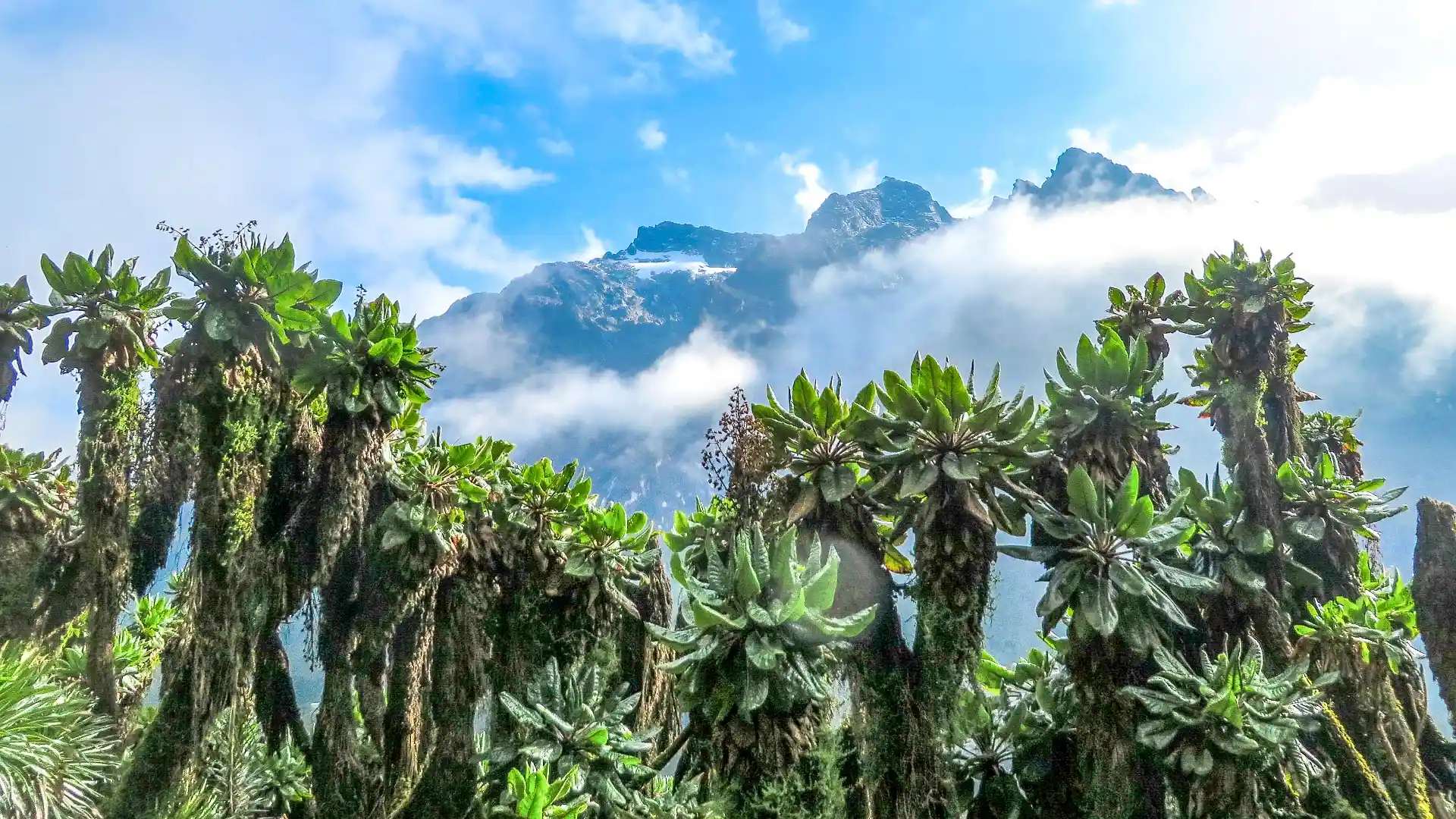
The plant life in the park varies with elevation, leading to diverse vegetation types. Tropical montane forests are found on the lower slopes, whereas bamboo forests prevail at higher altitudes. Above 3,000 meters, the moorland zone showcases distinctive flora such as giant lobelias and giant groundsels, both of which are characteristic of Mount Elgon’s landscape.

Best time to visit Mount Elgon

The optimal period for visiting Mount Elgon National Park occurs during the dry seasons, specifically from June to August and December to February. These months offer more favourable weather conditions for hiking, resulting in less slippery trails.

Conversely, the rainy seasons, which span from March to May and October to November, enhance the park’s lush greenery but can complicate hiking activities. Nonetheless, this time frame may be particularly advantageous for birdwatchers, as it coincides with an increase in migratory bird populations.

Practical Information about Mount Elgon national Park.

Mount Elgon National Park provides a variety of activities for guests. Whether you enjoy hiking, bird watching, or simply seeking a peaceful escape, there is an option for everyone.

Hiking and Trekking

Exploring the park on foot is the most favored activity. Offering trails that differ in length and difficulty, Mount Elgon is ideal for novice hikers as well as seasoned trekkers.

Sasa Trail: This is the quickest and most challenging path to Wagagai Peak, which takes approximately 4 days. It begins in Budadiri and traverses agricultural lands, bamboo forests, and rough landscapes.

Sipi Trail: Beginning close to the Sipi Falls, this five-day trek provides breathtaking vistas of the falls and the neighboring landscape.

Piswa Trail: This path is more gradual and extended, requiring approximately 7 days to complete. It traverses through open moorland and provides an opportunity to observe more wildlife.

All treks are led by knowledgeable rangers, which guarantees safety and offers information about the park’s flora and fauna.

Exploring Sipi Falls

The park boasts the breathtaking Sipi Falls, which consist of three cascading waterfalls situated at the base of Mount Elgon. Guests can participate in guided hikes to the falls, take a dip in the natural pools, or appreciate the picturesque views of the nearby landscapes. Sipi Falls is also a favoured destination for photography enthusiasts and those seeking tranquillity..

Bird watching

Mount Elgon National Park is a paradise for bird enthusiasts. The various habitats offer a sanctuary for unique and vibrant bird species. Guided birdwatching excursions are offered, with prime locations being the forested regions and moorlands.

Nature Walks

Strolling through the park’s natural paths enables guests to discover its gentle hills and enjoy the tranquil charm of the woodlands. These trails frequently guide visitors to fascinating locations such as caves, waterfalls, and scenic overlooks.

Caving

Mount Elgon features numerous caves created by ancient volcanic activity. The most well-known is Kapkwai Cave, which served as a site for rituals by local communities in the past. Guests have the opportunity to venture into these caves and discover their historical importance and significance.

Cultural Encounters

The communities surrounding the park, including the Bagisu and Sabiny, possess a vibrant cultural heritage. Tourists have the opportunity to engage in cultural excursions that provide insight into their customs, such as the renowned Imbalu circumcision ceremony, which serves as a rite of passage for boys in the Bagisu community.

Rwenzori Mountains National Park

Rwenzori National Park is the highest point in Uganda, standing at 5,109 meters, located in western Uganda, and is an enchanting locale celebrated for its awe-inspiring mountain ranges, distinctive wildlife, and remarkable natural scenery. Spanning an area of 996 square kilometers, the park is designated as a UNESCO World Heritage Site and encompasses the Rwenzori Mountains, often referred to as the Mountains of the Moon.

This mountain range ranks as the third highest in Africa, characterized by glacial summits, verdant valleys, and a variety of ecosystems. Whether you are an experienced mountaineer, a nature enthusiast, or an adventurer in search of new experiences, Rwenzori National Park promises an extraordinary journey.

From its snow-covered peaks to its dense woodlands and shimmering rivers, it is a paradise ready to be discovered.

History of Rwenzori Mountains

Rwenzori National Park was founded in 1991 with the aim of safeguarding the distinctive ecosystems found within the Rwenzori Mountains. In 1994, it received recognition as a UNESCO World Heritage Site due to its remarkable natural beauty and rich biodiversity.

The Rwenzori Mountains have long been associated with legends and myths. Ancient Greek geographer Ptolemy referred to them as the “Mountains of the Moon,” believing them to be the source of the Nile River. Today, they remain a symbol of mystery and wonder.

If you’re planning to hike the Rwenzori Mountains, the most recommended company is Rwenzori Expeditions, which has expertise in planning Rwenzori Trekking tours since 2018. We offer a discount on car rental to the Rwenzori Mountains National Park.

Overland Kenya Safaris

Explore Kenya National Park on an Overland road trip to see the big five in the wilderness while using public campsites located within the park for unique experience in ultimate Africa Safari.

Kenya Safari

Classic Trips

Best time to visit Rwenzori Mountains

The optimal period for visiting Rwenzori National Park is during the dry seasons, which occur from December to February and from June to August.

During these intervals, the trails tend to be less muddy, and the skies are clearer, providing enhanced visibility of the peaks and surrounding landscapes. Nevertheless, the park is accessible throughout the year, as the Rwenzori Mountains experience regular rainfall that sustains their verdant flora.

Rwenzori mountains Vegetation Zones

The park is segmented into various zones according to altitude, with each zone providing a distinct environment and a range of activities.

Lowlands

These regions are characterized by tropical rainforests and host numerous villages and communities.

Engagements in these areas encompass community visits, birdwatching, and nature excursions.

Montane Forest Zone (1,800–2,500 meters)

This verdant region is abundant with towering trees, vibrant mosses, and ferns. It serves as an ideal destination for enthusiasts of nature and avian observation.

Species such as colobus monkeys and chimpanzees are frequently spotted in this locale.

Bamboo Zone (2,500–3,000 meters)

This region is distinguished by its thick bamboo forests. It acts as a transitional zone for trekkers making their way up the Rwenzori Mountains.

Heather Zone (3,000–4,000 meters)

This region is distinguished by its thick bamboo forests. It acts as a transitional zone for trekkers making their way up the Rwenzori Mountains.

Alpine Zone (4,000–5,000 meters)

The landscape transforms into a rugged and desolate expanse, where glaciers and snowfields can be seen in the distance. This area serves as the starting point for climbers seeking to reach the summits.

Glacial Zone (Above 5,000 meters)

The pinnacle of the park is Margherita Peak, reaching an elevation of 5,109 meters. The glaciers and snowfields present a breathtaking view and provide an unparalleled climbing adventure.

Wildlife in Rwenzori National Park

Rwenzori National Park boasts a rich diversity of wildlife, attributed to its varied habitats that encompass tropical rainforests and alpine regions.

Mammals

The park has over 70 mammal species, including:

Primates: Blue monkeys, black-and-white colobus monkeys, and L’Hoest’s monkeys.

Small Carnivores: Genets, civets, and mongooses.

Unique Species: Rwenzori duikers and giant forest hogs.

Birds

With over 217 bird species, the park is a bird watcher’s dream. Highlights include:

Albertine Rift Endemics: Rwenzori turaco, handsome francolin, and the strange weaver.

High-altitude Species: Scarlet-tufted malachite sunbird and alpine swift.

Mountain Climbing and Trekking

The Rwenzori Mountains represent one of the premier hiking locations in Africa. Adventurous climbers have the opportunity to reach Margherita Peak, which stands as the third-highest peak on the continent. The trekking experiences vary in duration from 3 to 10 days, traversing stunning landscapes that feature forests, waterfalls, and glaciers.

Nature Walks

For individuals seeking a more leisurely experience, guided nature walks are offered in the park’s lower zones. These excursions provide chances to observe primates, birds, and distinctive flora.

Community and Cultural Visits

Visitors have the opportunity to discover the villages surrounding the park and gain knowledge about the Bakonzo people, who have coexisted with the mountains for generations. Cultural tours feature traditional dances, music, and an understanding of their everyday lives.

Cost of Activities in Rwenzori National Park

Here are some of the approximate costs for activities in the park:

  1. Park Entry Fee: $35 per day for foreign non-residents.
  2. Mountain Climbing: Multi-day trekking packages range from $800 to $1,200, depending on the duration and route.
  3. Guided Nature Walks: $30–$50 per person.
  4. Bird Watching: $30 per person.
  5. Cultural Visits: $20–$30 per person.

Queen Elizabeth National Park

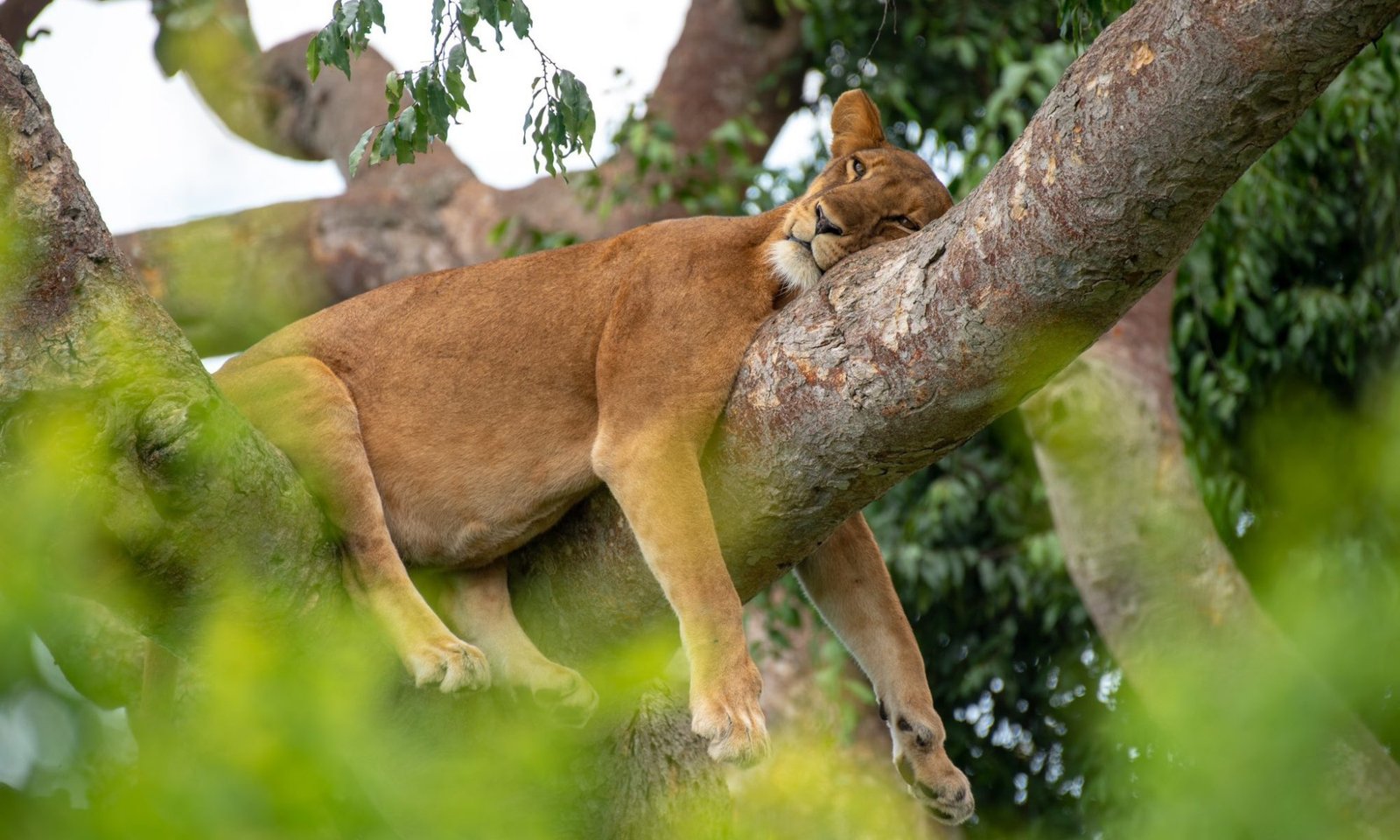
Looking to see the tree-climbing lions in Uganda while on a self-drive holiday? Queen Elizabeth is the best place to adventure to see the tree-climbing lions, which are also found in Lake Manyara National Park, Tanzania.

Queen Elizabeth National Park stands as one of Uganda’s most captivating and diverse wildlife havens. Covering an area of 1,978 square kilometers in the western part of the country, it features stunning landscapes, remarkable wildlife, and a rich cultural heritage.

The park encompasses a variety of environments, including expansive savannas, volcanic crater lakes, and verdant forests, making it an exceptional destination for enthusiasts of nature and wildlife.

Established in honor of Queen Elizabeth II following her visit in 1954, the park is recognized as a UNESCO Biosphere Reserve and is part of the Albertine Rift Valley, a significant area for global biodiversity. Its advantageous position near Lake Edward and Lake George further enhances its role as an essential ecological center.

Best Time to visit Queen Elizabeth National Park

The optimal periods for visitation occur during the dry seasons, specifically from June to September and December to February. During these times, wildlife tends to gather around water sources, and the accessibility of roads is significantly improved. Conversely, the wet seasons, which span from March to May and October to November, present verdant landscapes and reduced visitor numbers; however, the dense vegetation may make wildlife observation more challenging.

Queen Elizabeth Practical Information

Queen Elizabeth National Park is divided into several distinct regions, each offering unique attractions and activities.

Kazinga Channel Area

The Kazinga Channel, extending more than 40 kilometres, links Lake Edward to Lake George and serves as a central hub for wildlife observation and aquatic pursuits. The primary activities conducted in this area encompass;

Boat Cruises: This two-hour excursion provides an opportunity to observe hippos, crocodiles, and various aquatic birds at close range. Additionally, animals such as elephants, buffaloes, and antelopes frequently congregate along the banks to quench their thirst.

Bird Watching: The channel hosts more than 100 species of birds, featuring pelicans, cormorants, and the impressive African fish eagle.

Fishing: Fishing permits grant visitors the opportunity to engage in the pursuit of Nile perch and tilapia within specified locations.

Mweya Peninsula

Situated in the center of the park, the Mweya Peninsula provides sweeping vistas of the Kazinga Channel and Lake Edward. The primary activities conducted in this area encompass the following:

Game Drives: Early morning and evening safari excursions provide exceptional opportunities for observing wildlife such as lions, leopards, hyenas, and warthogs.

Visit to Mweya Information Centre: The centre offers significant information regarding the park’s historical background, geographical features, and initiatives for wildlife conservation.

Luxury Accommodations: Mweya Safari Lodge, along with other lodges situated on the peninsula, provides exceptional comfort accompanied by stunning views of the Kazinga Channel.

Ishasha Sector

The Ishasha Sector, located in the southern region of the park, is renowned for its tree-climbing lions. The primary activities conducted in this area include:

Tree-Climbing Lion Game Drives: Observe lions lounging on the branches of fig trees, a behavior that is found in only a limited number of locations around the globe.

Bird Watching: Ishasha is home to species like the African crowned eagle and the Ross’s turaco.

Nature Walks: Exploring the paths alongside the Ishasha River uncovers unique treasures, including elusive butterflies and diminutive mammals.

Kyambura Gorge

Kyambura Gorge, often referred to as the Valley of Apes, is a verdant rainforest intricately shaped within the savannah terrain. The primary activities conducted in this area encompass:

Chimpanzee Tracking: Visitors have the opportunity to observe habituated chimpanzees as they navigate the treetops or search for food on the forest floor.

Nature Walks: Explore the varied plant life, avian species, and primates such as the red-tailed monkey and the black-and-white colobus found within the gorge.

Photography: The breathtaking vistas of the gorge create an ideal setting for both landscape and wildlife photographers.

Kasenyi Plains

The Kasenyi Plains serve as a prime location for game drives, particularly for individuals seeking to observe predators in their natural habitat. The main activities available include:

Game Drives: The expansive savannah facilitates the observation of lions, hyenas, and substantial groups of Uganda kobs, which serve as the main prey for the lions.

Leopard Tracking: Visitors can enhance their likelihood of encountering elusive leopards by utilizing the expertise of seasoned guides.

Cultural Experiences: Interact with the nearby Kasenyi community to learn about their traditional ways of life.

Crater Lakes Region

Queen Elizabeth National Park features an impressive array of volcanic craters, several of which have given rise to beautiful lakes. The primary activities conducted in this area include the following:

Exploring Lake Katwe: This salt lake serves as a site for traditional salt extraction, where visitors have the opportunity to discover the ancient methods that continue to be utilized today.

Hiking Around the Craters: Trails around the craters offer scenic views and opportunities to see birdlife like flamingos.

Visit to Lake Munyanyange: This seasonal lake draws significant numbers of migratory flamingos at particular times throughout the year.

Maramagambo Forest

This lush tropical forest is situated at the southern boundary of the park, providing a tranquil haven for nature lovers. The primary activities available in this area include the following:

Forest Walks: Guided walks allow visitors to see monkeys, forest birds, and rare plants.

Exploration of Bat Caves: Home to thousands of bats, these caves also attract pythons that prey on the bats.

Bird Watching: Spot species like the white-naped pigeon, Rwenzori turaco, and yellow-billed barbet.

Queen Elizabeth National Park Activity Costs

Here is an overview of activity costs:

Park Entry: $40 per person per day.

Boat Cruise on the Kazinga Channel: $30 per person.

Chimpanzee Tracking in Kyambura Gorge: $50 per person.

Tree-Climbing Lion Safari in Ishasha: $50 per vehicle.

Guided Nature Walks: $30 per person.

Game Drives: $30–$40 per person (excluding vehicle and guide fees).

Pian Upe Wildlife Reserve

Pian Upe is one of Uganda’s best-kept secrets, a vast, raw wilderness in the northeastern Karamoja region, north of Mount Elgon. Covering 2,788 square kilometres, it is Uganda’s second-largest protected area after Murchison Falls, yet it remains gloriously uncrowded. Set among sweeping savannah plains, rocky outcrops, and distant mountains, Pian Upe offers an authentic, untamed safari where much of the time you’ll have the whole reserve to yourself. It is home to rare wildlife found nowhere else in Uganda, including a healthy cheetah population and the country’s only remaining roan antelopes.

Activities in Pian Upe Wildlife Reserve

Game Viewing
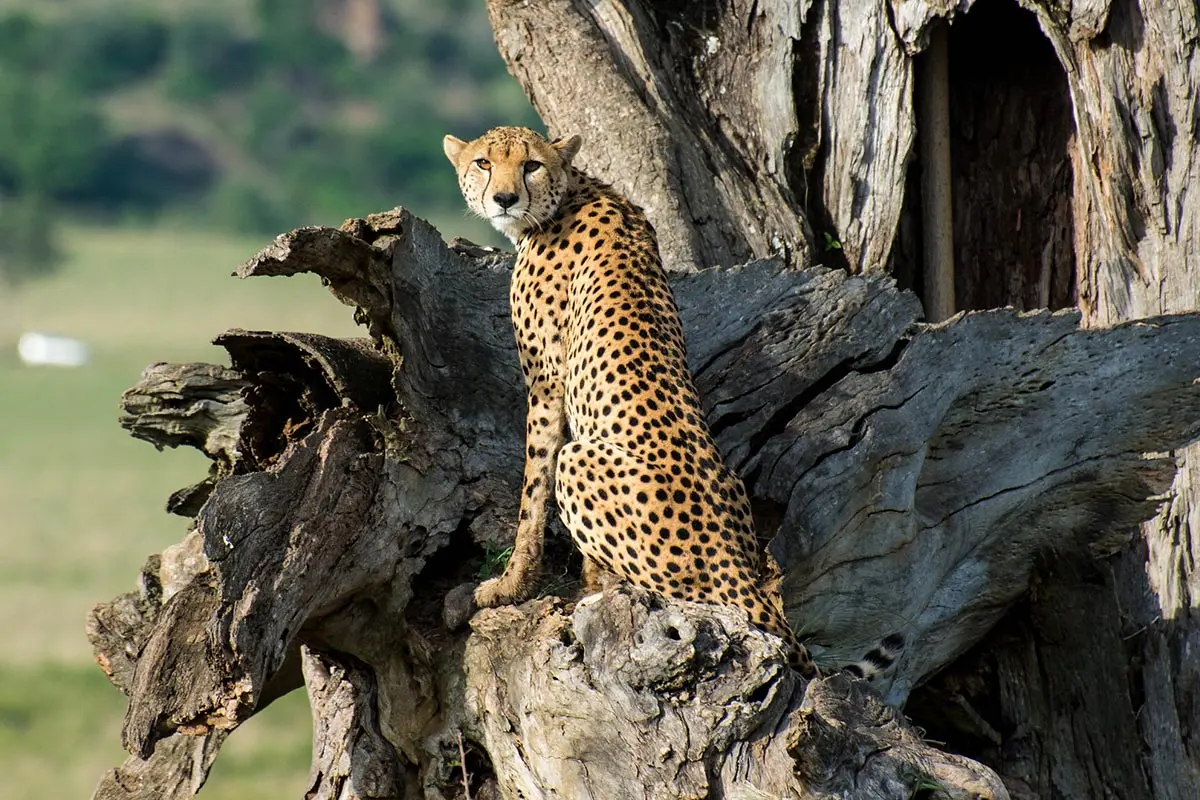
Game drives are the heart of any Pian Upe safari, best done in the early morning or late afternoon across the open savannah plains. Following the reserve’s rugged tracks, you may spot cheetahs, lions, leopards, giraffes, zebras, elands, greater and lesser kudu, roan antelope, Jackson’s hartebeest, Uganda kob, dik-dik, buffalo, and jackals. Pian Upe is the best place in Uganda to see cheetah, with sighting chances of up to 80%, and the only place to see the rare roan antelope. A 4×4 is essential, as many tracks are rough and unmarked.

Bird Watching
With over 242 recorded species, Pian Upe is regarded as Uganda’s second-best birding destination after Queen Elizabeth. It’s a haven for dry-country specials, including the towering common ostrich, the secretary bird, Abyssinian ground hornbill, Jackson’s hornbill, superb starling, Hartlaub’s bustard, the Fox’s weaver, and the localised Karamoja apalis.

Nature Walks
Guided nature walks offer an intimate way to explore the reserve on foot, accompanied by an armed ranger for safety. Walking brings you close to the smaller wonders: birds, plants, and the vast, silent landscape framed by mountains.

Napedet Cave & Hiking
For adventure and culture, hike to Napedet Cave, where ancient rock paintings depict giraffes, roan antelope, hartebeest, baboons, and other wildlife. The climb tests your fitness but rewards you with sweeping views across the reserve’s rolling plains.

Cultural Encounters
The reserve is home to the semi-nomadic Karimojong people, whose traditional cattle-herding lifestyle offers a rich cultural experience. Their name gives the reserve its meaning “Pian” (calm-hearted people) and “Upe” combine to reflect the two pastoralist communities of the region.

Kidepo Valley National Park

Kidepo Valley National Park has the most scenic view, located in far northern Uganda. Kidepo Valley National Park is one of Africa’s most spectacular wilderness areas. Covering an area of 1,442 square kilometers, the park offers breathtaking scenery, diverse wildlife, and an authentic cultural experience. Bordered by South Sudan to the north and Kenya to the east, Kidepo’s remoteness ensures it remains a serene haven for those seeking unspoiled nature and adventure.

Established in 1958 and officially gazetted in 1962, Kidepo Valley National Park is a land of dramatic landscapes, from sweeping savannahs and jagged mountains to seasonal rivers and fertile valleys. It is a must-visit destination for anyone looking to explore Uganda’s most untamed and picturesque wilderness.

Wildlife in Kidepo Valley National Park

Kidepo Valley National Park is home to an incredible array of wildlife, some of which are unique to this region in Uganda.

Mammals

Big Game: Lions, elephants, giraffes, leopards, and cheetahs roam the park’s plains.

Rare Species: Animals like the striped hyena, aardwolf, and caracal can also be spotted.

Herbivores: Large herds of buffalo, zebras, and hartebeests are common in the Narus Valley.

Best Time to visit Kidepo Valley National Park

The best time to visit Kidepo Valley National Park is during the dry seasons (December to February and June to September).

During these months, animals gather around water sources, making them easier to spot.

The wet seasons (March to May and October to November) bring lush vegetation and fewer visitors, creating a more serene atmosphere.

However, some roads may be challenging to navigate due to heavy rains.

Flora of Kidepo Valley National Park

Kidepo’s vegetation ranges from open savannah grasslands and woodlands to lush riverine forests and scattered acacia trees. Unique plant species include desert roses, doum palms, and sausage trees, which contribute to the park’s distinctive appearance.

Things to do in Kidepo Valley Park

Game Drives

Kidepo’s game drives are some of the most thrilling in Africa. Morning and evening safaris are particularly rewarding for seeing predators like lions and cheetahs in action. The open savannah plains and rocky outcrops provide excellent vantage points for photography.

Guided Nature Walks

Explore the park on foot with an experienced guide who can lead you through the valleys, woodlands, and riverbeds while sharing insights into the park’s flora and fauna. The walk also allows close encounters with smaller wildlife like dik-diks and mongooses.

Bird Watching

Birders will be thrilled by the abundance of avian life in the park. The Kidepo and Narus Valleys, as well as the Morungole Mountain area, are prime spots for birding.

Hiking and Mountain Climbing

For adventure seekers, Mount Morungole offers an exhilarating hiking experience. The trek also provides opportunities to interact with the IK people, adding a cultural dimension to the adventure.

Cultural Encounters

The surrounding communities, including the Karamojong and IK tribes, offer visitors an immersive cultural experience. Learn about their traditional lifestyles, including cattle rearing, crafting, and their unique forms of dance and music.

Photography

The dramatic landscapes, wildlife, and cultural interactions make Kidepo a dream destination for photographers. Whether capturing a lion basking on a rock or the vibrant colours of a Karamojong warrior’s attire, there’s no shortage of photographic opportunities.

Semiliki National Park

Semuliki National Park is one of Uganda’s most remarkable protected areas, famously known for the Sempaya Hot Springs. Located in western Uganda along the border with the Democratic Republic of Congo, the park serves as a stunning extension of the vast Ituri Forest. Its most striking feature, the hot springs, reaches temperatures exceeding 100°C—hot enough to boil eggs and other food in less than ten minutes. The park’s diverse ecosystem is a haven for wildlife, including primates such as the grey-cheeked mangabey and red-tailed monkey, as well as elephants, pygmy antelopes, and numerous other species.

Activities in Semiliki National Park

Hot spring visit

The national park is famous for the Sempaya Hot Springs, which consist of two distinct geothermal pools: the “male” spring, known as Bintente, and the “female” spring, Nyasimbi. Visitors can hike to these impressive springs, where water temperatures reach nearly 100°C, hot enough to cook food, such as eggs and vegetables, in just ten minutes. The area is also a prime location for birdwatching, particularly at the Mumbuga springs, which serve as a natural salt lick for a variety of local wildlife.

Bird watching at Semiliki National Park

Semiliki National Park has over 400 bird species and out of the 216 species are true forest bird species making it a haven for avid bird watchers, some rare birds here include, Lyre-tailed honeyguides, SSasis olive greenbul bird and nine hornbill species. its famous for the abundance of birds that resides in the bush, near eater bodies

Game viewing

The game park has over 60 mammal species, African civet, African Elephant, Mona monkeys, bush babies, pygmy scaly, red tailed squirrels. Game viewing mostly starts in the early morning and evening

The tranquil nature of the park won’t make a visitor regret and game viewing would be the best activity at the Semiliki National Park

Nature trekking

There exists an amazing nature walk after visiting the Semiliki National Park. The Kirumia trail will grant you 8 hours walk along the park that has bird watching, animal watching, and vegetation through the forests of Semiliki into the River Semiliki. The river is surrounded by many butterfly species and on trees due to the canopies of the forest, the visitors can also see the endangered Baza’s monkey using the red-tailed monkey trail extending towards the eastern border of the Park.

Lake Mburo National Park

Lake Mburo National Park is one of the most easily accessible and distinctive national parks in Uganda, located close to Mbarara town in southwestern Uganda. It’s located approximately a four-hour drive from the capital city of Kampala, and nestled between the lively towns of Masaka and Mbarara, which makes it great for self-drive holidays in Uganda as a break on the journey connecting to Bwindi Impenetrable National Park, the home of the mountain gorillas in Africa.  It provides a tranquil and memorable wildlife experience. Spanning 370 square kilometers, Lake Mburo is the smallest of Uganda’s savanna national parks, yet it offers an impressive array of wildlife, scenic beauty, and activities.

The park is renowned not only for its rich wildlife and numerous bird species but also for its breathtaking landscapes, which feature rolling hills, open grasslands, and the peaceful Lake Mburo that lends its name to the park.

Whether you’re a fan of nature, an avid wildlife observer, or simply seeking a peaceful retreat, Lake Mburo National Park caters to all interests.

History of Lake Mburo National Park

Lake Mburo National Park is situated in the western region of Uganda, close to Ankole. It can be reached conveniently from Kampala, located approximately 240 km away, and lies between the districts of Mbarara and Masaka, making it an ideal stop for travelers en route to the western or southwestern areas of Uganda.

Lake Mburo National Park encompasses a diverse range of ecosystems, such as open grasslands, wooded regions, wetlands, and the stunning Lake Mburo. It is recognized for its undulating hills, acacia vegetation, and a myriad of grassy landscapes that distinguish it from other savannah parks in Uganda.

The park hosts over 350 bird species, various wildlife, and even some uncommon plant species. Lake Mburo stands out as the biggest water feature in the park, making it a popular destination for boat safaris, bird watching, and leisurely activities. The park’s diverse terrains offer excellent opportunities for game drives, walking safaris and various outdoor adventures.

Wildlife in Lake Mburo National Park

Lake Mburo National Park boasts a diverse range of wildlife, which includes mammals, birds,  reptiles, and amphibians. While it is smaller than other national parks such as Queen Elizabeth or Murchison Falls, it provides an opportunity to observe many distinctive animals in a more tranquil and close-knit environment.

Mammals

The park is inhabited by various antelope species, such as the Impala, Topi, Eland, and Oribi. It stands out as one of the rare locations in Uganda where you can observe Zebras and Giraffes in their natural surroundings. Additionally, the park is home to other wildlife, including Buffaloes, Warthogs, Crocodiles, and even Lions. However, in contrast to other larger parks, Lake Mburo does not have elephants, which gives visitors a different experience when observing the animals here.

Lake Mburo is well-known for its Leopard sightings, although they tend to be more elusive and more difficult to observe.

Birdlife

Lake Mburo is a haven for bird enthusiasts. More than 350 bird species have been documented in the park, establishing it as one of Uganda’s premier bird-watching destinations. Among the species you could encounter here are the White-winged Tern, Black Crake, African Fish Eagle, and Papyrus Gonolek. The lake is particularly favored for bird watching, showcasing a diverse range of waterfowl and migratory birds.

Reptiles and Amphibians

Along with its population of mammals and birds, Lake Mburo National Park is inhabited by a variety of reptiles, such as the Nile Crocodile, which can frequently be seen basking on the lake’s shore. The park’s varied environments also host numerous species of lizards, snakes, and frogs.

Lake Mburo National Park provides numerous thrilling and tranquil activities, enabling guests to discover the park through various methods. These activities consist of:

Game Drives

Game drives rank among the most favored methods for discovering the park’s fauna. The park features several well-kept roads that enable visitors to observe animals such as zebras, giraffes, buffaloes, antelopes, and occasionally the elusive leopard. An average game drive can extend from 3 to 4 hours, providing an opportunity to view wildlife closely, frequently under the direction of a knowledgeable park ranger.

Boat Safaris

A major attraction of Lake Mburo National Park is the boat safari on Lake Mburo. This boat trip allows you to view the park from a unique perspective. You might catch sight of wildlife including hippopotamuses, crocodiles, and various water birds. The serene waters of the lake create a perfect setting to unwind and appreciate nature.

Walking Safaris

Guided walking safaris are available in the park, providing visitors the chance to trek with a park ranger and connect with the wildlife up close. These guided excursions enable participants to engage more intimately with nature, witness animal behavior, and gain insights into the park’s variety of plants, trees, and ecosystems.

Horseback Safaris

For a distinctive and thrilling adventure, Lake Mburo provides horseback safaris. While riding on horseback, you can traverse the park’s open fields and observe wildlife more closely without disrupting their natural behaviors. This activity attracts numerous visitors since it merges excitement with a serene experience in nature.

Fishing

Fishing is an option on Lake Mburo, allowing visitors to relax on the water. The lake hosts a variety of fish species, such as Nile Tilapia and Tiger Fish. Fishermen can cast their lines from the shores or venture out on a boat into the lake.

Cultural Tours

The Bafumbira and Bahima communities inhabit Lake Mburo, and travelers can take cultural tours to learn more about the local populations. These tours provide an understanding of the traditions, customs, and lifestyles of the residents surrounding the park.

Best Time to Visit Lake Mburo National Park

The optimal time to explore Lake Mburo National Park is during the dry months, which occur from June to September and from December to February. In these periods, it’s easier to observe wildlife, as animals tend to congregate around water sources. The climate is also more pleasant for outdoor activities such as game drives and boat safaris.

The wet season, spanning from March to May and October to November, offers lush landscapes and reduced visitor numbers. Although some routes may be difficult to navigate during the rains, this season is perfect for birdwatching since migratory birds are more active.

Mgahinga  National Park

Unique experience of gorilla trekking in Uganda, like the case for Volcanoes National Park, Rwanda, then Mgahinga National Park is the best place to explore for luxury gorilla trekking experiences with 4WD Africa.

Mgahinga Gorilla National Park is a tranquil and enchanting treasure located in the southwestern corner of Uganda. Renowned for its verdant landscapes, breathtaking vistas, and the iconic Mountain Gorillas, this park provides a genuine wildlife encounter that is less frequented than other well-known parks.

Its distinctive setting along the borders of UgandaRwanda, and the Democratic Republic of Congo makes it a sanctuary for mountain gorillas and an area abundant in culture and natural splendor.

The park, which is part of the larger Virunga Massif, is a place for anyone eager to experience the excitement of viewing gorillas in their natural habitat, trekking through forested hills, and savoring the tranquillity of nature. With its combination of activities, wildlife, and stunning scenery, Mgahinga stands out as one of Uganda’s most unique and fulfilling destinations.

Scenic information about Mgahinga National Park.

Mgahinga covers an area of 33.7 square kilometers, making it one of the smaller national parks in Uganda; however, its compact size does not restrict its rich biodiversity.

The park is situated in the Virunga Mountains in the southwestern region of Uganda, adjacent to the borders of Rwanda and the Democratic Republic of Congo.

The scenery is highlighted by the renowned Mount Gahinga, Mount Muhabura, and Mount Sabyinyo, which collectively form the breathtaking mountain range. Every peak possesses its unique charm, and travelers can trek up any of them to take in sweeping vistas of the nearby valleys and lakes.

The landscape of the park features a mix of tropical rainforests, wetlands, and expansive grasslands. A diverse range of wildlife inhabits this area, including mountain gorillas, golden monkeys, and numerous bird species.

Background of Mgahinga Gorilla National Park

Mgahinga National Park was established in 1991 to protect the vulnerable mountain gorillas residing in the Virunga Mountains. These gorillas play a vital role in the area’s conservation efforts and have been the primary focus of the park’s management.

Despite the park’s long-standing efforts to protect gorillas and various wildlife, it also carries cultural importance. The Batwa community, an indigenous group that lived in the forests for hundreds of years before the establishment of the park, calls this area home. They have a deep bond with the land and play a crucial role in both conservation initiatives and cultural activities within the park.

This region is integral to broader conservation efforts focused on safeguarding the Virunga gorilla population across Uganda, Rwanda, and the Democratic Republic of Congo. Currently, park management prioritizes both wildlife protection and the preservation of the local Batwa community’s cultural heritage.


Best Time to Visit Mgahinga  National Park

The best time to visit Mgahinga is during the dry periods, particularly from June to September and December to February.

In these months, the hiking paths are easier to navigate, and the weather is more favorable for trekking. The wet seasons, occurring from March to May and October to November, can bring rainfall that may hinder hiking and result in muddier trails. However, the park remains open throughout the year, and some travelers prefer the wet season for its reduced crowds and the vibrant greenery it offers.

If you’re interested in gorilla trekking in Mgahinga National Park, we advise you to book the gorilla permits a month ahead to avoid missing out on the trek due to the high demand for the gorilla permits each day, which is limited to 8 permits

Cost of activity Mgahinga

Here are some general costs associated with activities in the park:

Gorilla Trekking Permit: $800 per person

Golden Monkey Tracking Permit: $60 per person

Mountain Hiking: Around $100 per person for half-day hikes

Bird Watching: $40 per person for a half-day tour

Cultural Tours: $20–$30 per person